
Finding the right sippy cup for your toddler in the Philippines is rarely a “one-size-fits-all” decision. The ideal choice depends heavily on your child’s oral motor development, daily routine, and current weaning stage. Rather than searching for a single universal winner, parents benefit most from understanding how different cup mechanisms support developmental milestones. This guide will help you navigate the transition from bottles to cups, evaluate practical design features, verify material safety standards, and implement effective hygiene routines tailored to a warm, humid tropical climate.
Matching Sippy Cup Types to Your Toddler's Developmental Stage
Transitioning away from a baby bottle is a major developmental milestone that requires new physical coordination and muscle control. Spout cups are often the first step in this journey, serving as a bridge between the familiar bottle nipple and an open cup. Soft silicone spouts are gentle on sensitive gums and mimic the flexible texture of a bottle, making them highly approachable for babies around six months old. Hard plastic spouts are more durable and can withstand the biting habits of teething toddlers, though they still require a similar tilting and sucking motion to release liquid.
Straw cups offer an excellent alternative that actively supports oral motor development. Drinking through a straw requires a toddler to seal their lips tightly around the straw, pull their tongue back, and coordinate their cheek and jaw muscles to create suction. This active muscle engagement helps strengthen the oral structures that your child will eventually use for speech and clear articulation. Many pediatricians and speech therapists recommend introducing straw cups early in the weaning process because they promote a more mature swallowing pattern than traditional spouts.
Products mentioned in this guide
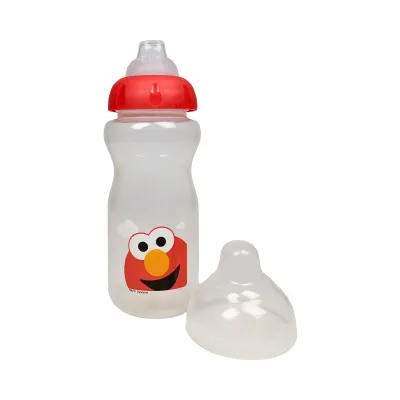
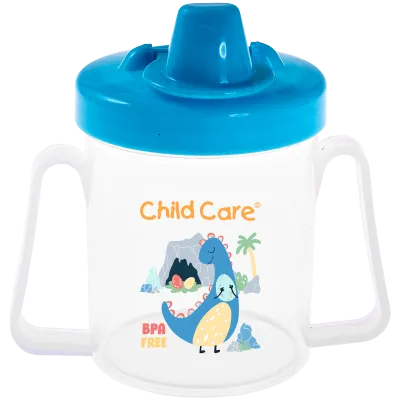
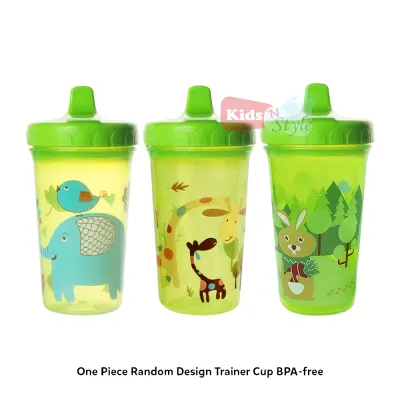
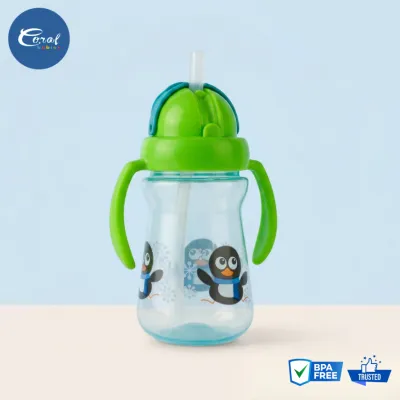
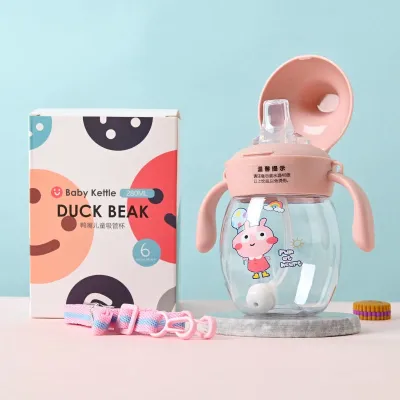
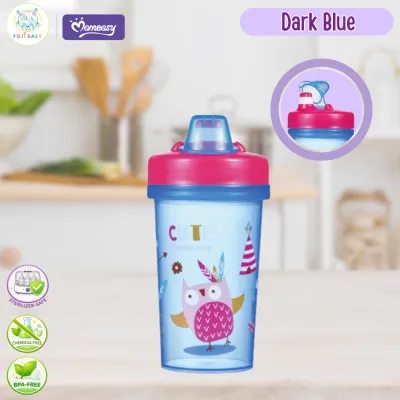
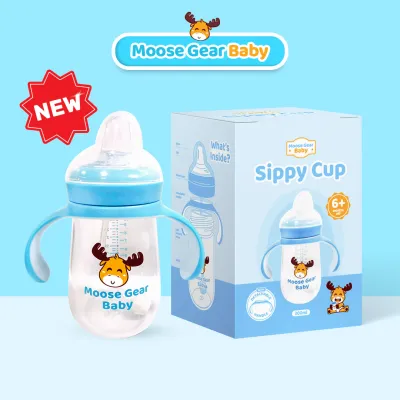
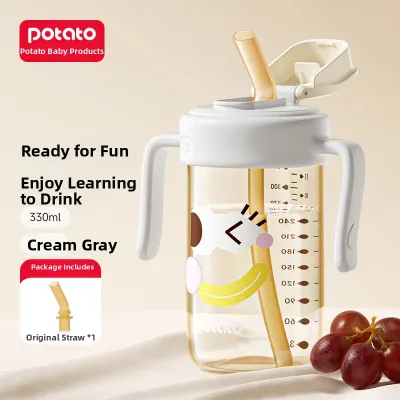
Prices are valid at publication and may change. Please refer to the product page for the latest price.
For toddlers ready to practice the mechanics of open-cup drinking without the constant mess, 360-degree or rim-style cups are an innovative option. These cups feature a circular silicone valve that seals the top edge completely until the toddler applies gentle lip pressure along the rim. This design allows liquid to flow from any side, teaching your child how to tilt their head and control the cup’s angle. Because it mimics the exact lip placement required for a standard glass, a 360-degree cup helps build the muscle memory needed for a seamless transition to open cups.
Recognizing when your toddler is ready to move to the next stage requires observing their daily physical coordination. If your child can sit upright independently, grasp objects firmly with both hands, and consistently bring toys or food to their mouth, they possess the basic motor skills needed for cup training. If you notice your toddler biting excessively on a soft spout or struggling to draw liquid from a straw, it may indicate that the current flow rate or mechanism is not matching their oral strength. Adjusting the cup type based on these observable cues ensures a smoother, frustration-free transition.
Evaluating Features for Daily Drinking and Lifestyle Needs
When selecting a cup for daily use, the valve mechanism plays a critical role in both convenience and oral health. Spill-proof valves are incredibly convenient for active toddlers, preventing messy cleanups on living room rugs or car seats. However, some highly restrictive leak-proof valves require significant suction force, which can encourage prolonged, intense sucking habits that pediatric dentists advise against. Free-flow designs, which allow liquid to pour out naturally when tilted, are much better for dental development but require close supervision to prevent accidental spills during meals.

Ergonomics and physical design directly impact how easily your toddler can handle their cup. For younger toddlers who are still refining their grip, cups with large, removable, non-slip handles are highly beneficial. These handles allow small hands to stabilize the cup using both arms, reducing drops and building confidence. As your child’s fine motor skills improve, you can transition them to handle-free, contoured cups with textured surfaces that fit comfortably within a single-handed grip, preparing them for standard household drinkware.
Cleaning complexity is a vital consideration that busy parents should never overlook. Sippy cups with multi-part lids, weighted straws, and intricate valve systems have numerous hidden crevices where milk, formula, or juice residue can accumulate. Over time, this trapped residue can become incredibly difficult to clean, posing hygiene risks. Before purchasing, check the manufacturer’s instructions to ensure all components can be completely disassembled. If your household relies on a dishwasher, verify that the cup’s materials are explicitly rated as top-rack dishwasher safe to prevent warping.
Portability is another essential factor for families on the go, whether you are running errands, visiting relatives, or preparing for daycare. A reliable travel cup should feature a secure, hygienic cover—such as a flip-top lid or a sliding cap—that keeps the drinking surface clean when tossed into a diaper bag. The cup’s base should also fit securely into standard stroller cup holders and car seat pockets. Choosing a model with a clear, graduated volume scale on the side allows you to easily monitor your toddler’s daily fluid intake throughout busy days.
Navigating Material Safety and Durability Standards
Understanding the physical properties of different cup materials helps you select a product that balances weight, durability, and heat tolerance. Polypropylene (PP) is a lightweight, highly affordable plastic that is shatterproof and widely available, though it tends to scratch easily and may degrade faster under high-heat sterilization. Polyphenylsulfone (PPSU) is a premium, medical-grade plastic recognizable by its natural honey-colored tint; it offers exceptional durability and extreme heat resistance, allowing it to withstand frequent steam sterilization without losing structural integrity.
Food-grade silicone is another highly versatile material commonly used for straws, spouts, and protective outer sleeves. It is naturally soft, flexible, and highly resistant to extreme temperatures, making it exceptionally gentle on a toddler’s developing teeth and gums. For parents seeking a plastic-free option, stainless steel cups provide outstanding durability and naturally resist scratches and odors. Stainless steel is also excellent for keeping water cool during warm afternoons, though it is heavier than plastic and does not allow you to visually check the remaining liquid level.
Verifying safety certifications on product packaging is a crucial step before introducing any new cup to your child. Always look for clear labels indicating that the product is free from Bisphenol A (BPA) and Bisphenol S (BPS), which are chemical compounds used in some plastics that can leach into liquids. Reliable manufacturers will clearly state compliance with international food safety standards, such as those established by the US Food and Drug Administration (FDA) or European safety regulations. Avoid products that lack clear material labeling or official manufacturer contact information.
Regularly inspecting your toddler’s cups for physical wear and tear is essential for maintaining long-term hygiene. Run your fingers along the plastic rims to check for rough edges, cracks, or deep scratches, which can harbor microscopic bacteria that standard washing cannot reach. Inspect silicone straws and spouts for thinning, bite marks, or small tears that could cause pieces to break off and present a choking hazard. Rather than following a rigid calendar timeline, make it a habit to retire and replace any cup or component the moment you observe visible material degradation, persistent cloudiness, or a lingering sour odor.
Smart Shopping and Maintenance in the Philippines
Sourcing authentic baby products requires careful navigation of local retail environments and digital marketplaces. Counterfeit baby bottles and sippy cups are prevalent on online marketplaces, often manufactured with sub-standard plastics that do not meet basic safety regulations. To protect your child, prioritize purchasing from official brand stores, verified flagship sellers, or authorized local distributors. Be highly skeptical of listings that feature unusually low prices—such as a premium cup normally priced at ₱800 being offered for ₱150—as extreme discounts are a common red flag for counterfeit goods.
The tropical climate of the Philippines, characterized by high humidity and warm temperatures, requires specific adjustments to your cleaning and storage routines. Mold and mildew thrive in damp, enclosed spaces, making thorough drying absolutely critical. After washing and sterilizing your toddler’s cup, completely disassemble every single component, including the tiny silicone valves and straw segments. Place all parts on a clean, elevated drying rack in a well-ventilated room with good airflow. Never reassemble or store a cup while any of its parts are still damp, as trapped moisture will quickly lead to black mold growth.
Before committing to a specific cup brand, always investigate the local availability and cost of replacement parts. Toddlers frequently bite through silicone straws and spouts, and these soft components naturally wear out faster than the hard plastic or stainless steel cup bodies. Choosing a brand that actively distributes standalone replacement straw kits and valve packs in local physical stores or official online storefronts will save you significant money. This accessibility prevents you from having to purchase an entirely new cup system simply because a single silicone straw has been damaged.
When evaluating physical baby shops or digital storefronts, look for clear indicators of quality assurance. Authentic products distributed in the local market often feature localized importer stickers, clear English-language instructions, and official safety marks. Reading recent customer reviews that include real photos and videos can also provide valuable insights into how well a cup holds up under daily use. Taking these extra verification steps ensures that the cup you choose is not only functional but also completely safe for your toddler’s daily hydration needs.
Frequently Asked Questions (FAQ)
When should I stop using a sippy cup and switch to an open cup?
Most pediatricians and pediatric dentists recommend transitioning your toddler away from traditional sippy cups and introducing an open cup or a straw cup between 12 and 18 months of age. Prolonged reliance on hard-spout cups can encourage an immature swallowing pattern known as tongue thrust, which may eventually impact palate development and dental alignment. You can begin introducing a small, open cup during supervised mealtimes as early as six months of age. To manage the inevitable spills at home, start by placing just one or two tablespoons of water in a small, weighted cup, and practice during bath time or in areas with easily cleanable flooring.
Are 360-degree cups better for speech development than spout cups?
Yes, 360-degree cups and straw cups are generally considered highly beneficial for speech and oral motor development compared to traditional hard-spout cups. Drinking from a 360-degree cup requires your toddler to use the same mature lip, tongue, and jaw movements needed to drink from a standard open glass. This active muscle coordination helps strengthen the lips and tongue, supporting the clear articulation of speech sounds as your child grows. Traditional spout cups, by contrast, allow toddlers to use a passive sucking motion similar to bottle-feeding, which does not challenge or develop these oral muscles. If you have persistent concerns regarding your child’s feeding, swallowing, or speech milestones, consult a pediatrician or a pediatric speech-language pathologist for professional guidance.

Community discussion
Share your experience or ask a question. Comments are reviewed before publication.