
Introducing a sippy cup for baby is a major milestone in your child’s weaning journey, marking the transition from exclusive bottle or breast milk to independent drinking. Choosing the right cup is not just about preventing messy spills on your dining room floor; it is a developmental step that directly impacts your baby’s oral motor skills, jaw alignment, and speech development. Because babies develop at their own unique pace, the ideal cup changes as they grow, transitioning from soft, nipple-like spouts to straws, 360-degree rims, and eventually open cups.
How to Match Sippy Cups to Your Baby's Developmental Stage
To choose the most suitable drinkware, you must look beyond the age label on the packaging and evaluate your baby’s current physical milestones. At around six months, infants are still developing the coordination required to sit upright, grasp objects, and swallow liquids without spilling. Introducing a cup that requires too much suction or a complex drinking technique can lead to frustration, causing your baby to reject the cup entirely.
When evaluating potential cups, prioritize material safety, flow control, and ergonomic design. Look for food-grade silicone and BPA-free plastics, such as lightweight polypropylene (PP) or highly durable polyphenylsulfone (PPSU), which can withstand frequent sterilization. In the Philippines, these cups are widely available across various price bands, typically ranging from affordable basic models around ‛150 to premium, heat-resistant options upwards of ‛800. The flow rate must match your baby’s swallowing capacity to prevent choking or sputtering, while dual handles or a contoured shape allow small hands to practice the pincer grip.
Products mentioned in this guide
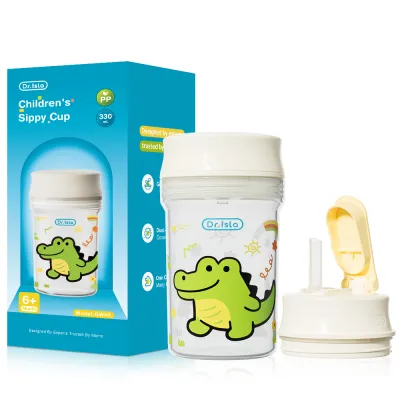
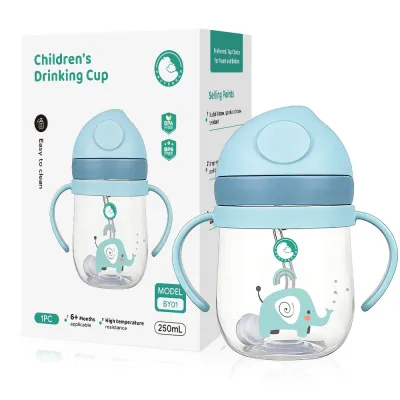
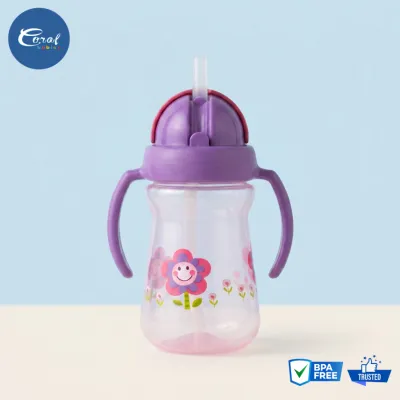
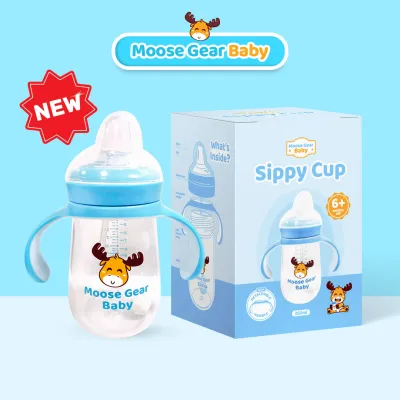
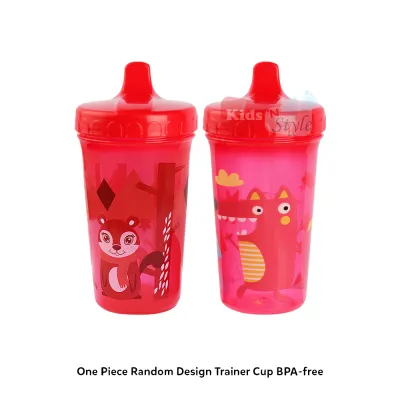
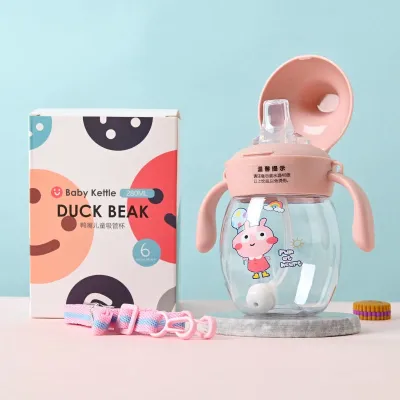
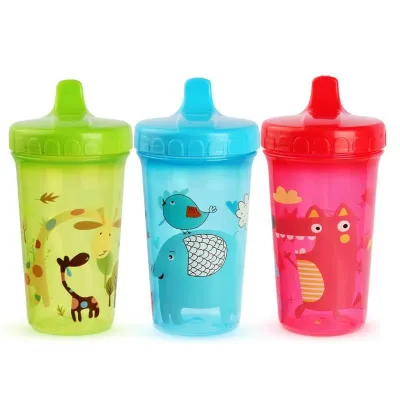
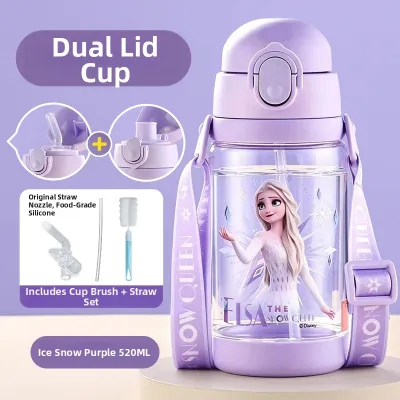
Prices are valid at publication and may change. Please refer to the product page for the latest price.
In a warm and humid tropical climate, hygiene is a paramount consideration when selecting a cup. Mold, mildew, and bacteria thrive in damp, enclosed spaces, making complex valve systems and narrow straws hotbeds for contamination if not cleaned properly. Opting for designs that disassemble completely, leaving no hidden crevices where moisture can linger, is essential for daily maintenance.
Always verify the manufacturer’s recommended age, weight limits, and developmental milestones printed on the product packaging before introducing any new cup. These guidelines are designed to align with average safety standards, but you should always observe your baby’s individual readiness. If your baby struggles to swallow, coughs frequently, or shows no interest, it is best to pause, consult your pediatrician, and try again in a few weeks.
Stage 1: First Sips (Around 6 Months) – Soft Spout Cups
Why Soft Spouts Work for Beginners
When your baby first starts exploring solid foods around six months, their natural sucking reflex is still highly dominant. Soft spout cups serve as an excellent transitional tool because the pliable silicone spout closely mimics the texture and flexibility of a bottle nipple or breast. This familiarity reduces the cognitive load on your baby, allowing them to focus on the physical act of tilting and holding a cup without having to learn an entirely new oral mechanism.

Furthermore, soft silicone is incredibly gentle on sensitive, teething gums. During the early stages of weaning, babies often experience discomfort from emerging incisors, and biting down on a soft, flexible spout can provide soothing relief. The gentle resistance of the silicone also helps babies learn to control their lip seal, which is the first step toward preventing leaks during drinking.
Key Features to Look For
When shopping for a Stage 1 cup, look for models with removable, easy-grip handles. These handles are specifically sized for tiny hands, helping your infant practice bringing the cup to their mouth independently. As their grip strength improves, you can remove the handles to help them transition to holding the cup body directly.
A weighted or wide, stable base is another crucial design feature for beginners. Uncoordinated hand-to-mouth movements mean that early drinking sessions will inevitably involve dropping, knocking over, or throwing the cup. A wide base helps keep the cup upright on high chairs or dining tables, minimizing clean-up time after meals.
Finally, prioritize simple valve systems with minimal parts. Complex, multi-piece valves are difficult to wash thoroughly and can easily trap milk residue or fruit pulp. A simple, one-piece silicone valve that is easy to pop out and scrub is ideal for busy parents who need to maintain strict hygiene standards.
Stage 2: Active Drinking (8 to 12 Months) – Straw and Hard Spout Cups
The Shift to Straw Cups
By eight to twelve months, babies typically develop stronger suction, improved hand-eye coordination, and a more active curiosity about their environment. This is the perfect window to introduce a straw cup, which pediatric dentists and speech-language pathologists highly recommend. Drinking from a straw requires a completely different oral motor pattern than sucking on a bottle; it forces the tongue to retract and the lips to seal tightly around the straw, which strengthens the muscles of the jaw, cheeks, and tongue.
These strengthened oral muscles play a critical role in speech development and the ability to chew textured solid foods. To make this transition easier, look for straw cups equipped with weighted straws. A weighted ball at the bottom of the straw moves with the liquid, allowing your baby to drink from any angle—whether they are sitting upright in a high chair or reclining slightly on a playmat during a warm afternoon.
Spill-proof, cross-cut valves inside the straw are also highly beneficial. These valves require active biting and sucking to release liquid, preventing messy spills when the cup is dropped or shaken vigorously. However, ensure the suction required is not so intense that it frustrates your baby.
When to Consider Hard Spouts
While straw cups are developmentally ideal, some babies go through intense teething phases where they aggressively chew on soft silicone spouts, quickly destroying them. In these specific scenarios, a hard spout cup made of durable, BPA-free plastic can be a practical alternative. The rigid material resists bite marks and prevents the baby from tearing off small pieces of silicone, which could pose a serious choking hazard.
If you decide to use a hard spout cup, you must inspect the spout regularly for signs of wear and tear, such as sharp plastic edges, deep scratches, or cracks. Over time, rough bite marks can harbor bacteria or scratch your baby’s delicate lips and gums. Discard and replace the cup immediately if you detect any structural damage.
Keep in mind that hard spouts should be used conditionally and as a temporary solution. Because they do not encourage the same tongue retraction as straw or open cups, prolonged reliance on hard spouts can impact dental alignment. Plan to transition your baby to a straw or open cup once the peak biting and teething phase subsides.
Stage 3: Toddler Transition (12 Months and Beyond) – 360-Degree and Open Cups
Mastering the 360-Degree Cup
As your baby enters toddlerhood, the goal shifts toward mastering the mechanics of drinking from a regular, adult-style cup. A 360-degree cup is an ingenious transitional tool that bridges this gap beautifully. These cups feature a circular rim with a central silicone valve that seals automatically when the child stops drinking, preventing major spills while allowing them to sip from any side of the rim.
This edge-sipping action mimics the exact lip and jaw movements required for an open cup. It encourages the toddler to use their upper lip to control the flow of liquid, helping them develop a mature swallowing pattern. Unlike traditional sippy cups, 360-degree cups do not require intense sucking, which protects developing teeth from misalignment.
However, the convenience of a 360-degree cup comes with a strict cleaning responsibility. The silicone seal and the plastic collar beneath it can easily trap moisture, backwashed food particles, and milk. In humid climates, black mold can develop in these hidden areas within a matter of days. Parents must remove the silicone valve and thoroughly scrub both parts with warm, soapy water after every single use.
Introducing the Open Cup
The ultimate destination of the weaning journey is the open cup. Introducing an open cup around twelve months—or even earlier under close supervision—is vital for building confidence and refined motor control. Start with a small, lightweight cup designed specifically for toddlers, preferably one with dual handles and a weighted, non-slip silicone base to minimize accidents.
When practicing, fill the cup with only a tiny amount of water—no more than one or two tablespoons. This limits the mess when spills inevitably occur. Choose low-stress moments, such as snack times on an easily cleanable floor, to practice. Expect minor spills as a normal, necessary part of the learning curve as your toddler figures out how to judge the distance to their mouth and control the tilt of the cup.
Close, active adult supervision is mandatory whenever a toddler is practicing with an open cup. Never leave your child unattended with an open cup, and do not allow them to walk or run while holding it, as falls can lead to dental injuries or choking. If your toddler shows persistent difficulty, choking, or extreme resistance, consult your pediatrician or a pediatric dentist to ensure their oral motor development is on track.
Quick Comparison: Sippy Cup Types by Weaning Stage
To help you navigate this transition, the table below outlines the general progression of cup types. Please note that these age ranges are approximate guidelines; always observe your child’s individual readiness and check the specific manufacturer’s instructions on the product packaging.
| Weaning Stage | Recommended Cup Type | Approximate Age Range | Key Developmental Benefit | Primary Cleaning Consideration |
|---|---|---|---|---|
| Stage 1: First Sips | Soft Spout Cup | 6 to 8 Months | Gentle on teething gums; familiar sucking motion | Simple valve; easy to sanitize |
| Stage 2: Active Drinking | Straw Cup | 8 to 12 Months | Strengthens oral muscles; promotes tongue retraction | Requires narrow straw brushes; traps milk residue |
| Stage 2: Active Drinking | Hard Spout Cup | 8 to 12 Months | Highly durable for aggressive teethers | Inspect regularly for cracks and bite marks |
| Stage 3: Toddler Transition | 360-Degree Cup | 12+ Months | Mimics open-cup sipping; prevents major spills | Must disassemble collar and valve to avoid mold |
| Stage 3: Toddler Transition | Open Cup | 12+ Months | Develops mature swallowing and motor control | Requires immediate cleaning; high spill risk |
Essential Safety, Hygiene, and Maintenance Rules
Maintaining the safety and hygiene of your baby’s drinkware is critical to preventing gastrointestinal illnesses and dental issues. Because these cups are used daily, they are subjected to constant wear, moisture, and exposure to food particles. Establishing a strict daily routine for inspection and cleaning is the best way to safeguard your baby’s health.
Inspection Before every single use, take a moment to carefully inspect all plastic and silicone components of the cup. Look closely for tears in the silicone spouts, deep bite marks, cracks in the plastic body, or any persistent cloudiness that does not wash away. Damaged silicone can easily tear completely, presenting a dangerous choking hazard if swallowed. If you notice any signs of structural compromise, discard the damaged parts or the entire cup immediately.
Hygiene Thorough hygiene is especially critical in warm, tropical environments where mold spores multiply rapidly. Never simply rinse a sippy cup and leave it on the counter. Fully disassemble all components, including straws, weighted balls, silicone valves, and rubber gaskets. Wash each part using a mild, baby-safe bottle dishwashing liquid and specialized brushes that can reach inside narrow straws and crevices. After washing, place all parts on a clean, elevated drying rack in a well-ventilated area, allowing them to air-dry completely before reassembling. Storing a cup while it is still damp will almost certainly lead to mold growth.
Temperature Safety Never put hot or boiling liquids into a sealed, spill-proof sippy cup. Doing so creates a high-pressure environment inside the sealed chamber. As the air and liquid expand, the pressure can force the hot liquid to spray out violently through the spout or straw when opened, or cause the lid to pop off, risking severe burns to your baby. Always allow liquids to cool to a safe, lukewarm temperature before pouring them into the cup.
Supervision While many modern sippy cups are marketed as leak-proof, no cup is completely spill-proof under all conditions. Always supervise your baby or toddler while they are drinking. Do not allow your child to walk, run, or play while holding a cup, as a sudden fall with a hard spout or straw in their mouth can cause severe oral trauma. Additionally, never leave a baby unattended in a crib or car seat with a cup, as this increases the risk of choking and ear infections if they drink while lying flat.
Frequently Asked Questions (FAQ)
When should I completely stop using a sippy cup?
Most pediatricians and pediatric dentists recommend phasing out traditional, spill-proof sippy cups entirely between 12 and 18 months of age. Prolonged reliance on cups that require a continuous sucking motion can interfere with the natural development of the jaw and the transition to a mature swallowing pattern. By 18 months, your child should ideally be transitioned to drinking primarily from open cups and straw cups. However, because every child’s physical development and coordination progress at different rates, you should always consult your pediatrician or pediatric dentist for personalized milestones tailored to your baby’s specific needs.
Can sippy cups affect my baby's teeth and speech?
Yes, prolonged or improper use of certain sippy cups can negatively impact both dental development and speech clarity. When a child continuously sucks on a hard spout cup, the rigid plastic can put pressure on the developing jawbone and anterior teeth, potentially leading to dental misalignment, such as an open bite. Furthermore, allowing a baby to constantly sip on milk, formula, or fruit juice throughout the day bathes their teeth in sugars, significantly increasing the risk of early childhood dental caries. Transitioning to straw cups, 360-degree cups, and open cups encourages healthier tongue placement, supports proper jaw development, and helps build the strong oral muscles necessary for clear speech.
Community discussion
Share your experience or ask a question. Comments are reviewed before publication.