
Choosing the right sippy cup for a 2-year-old in the Philippines involves balancing developmental milestones, daily convenience, and the unique demands of a tropical climate. At two years old, toddlers are rapidly developing their motor skills, speech, and independence. The cup you choose plays a vital role in supporting their oral motor development while keeping them hydrated during warm, humid days. Transitioning from a baby bottle or a soft-spout cup to a more advanced drinking vessel is a significant step that requires careful consideration of design, material safety, and ease of cleaning.
To find the ideal match for your child, it is helpful to look beyond basic aesthetics and focus on how a cup supports natural swallowing patterns and hand-eye coordination. With various styles available on the market—ranging from weighted straws to 360-degree rim cups and insulated stainless steel bottles—the best choice depends on where and how your toddler will use it. By understanding the specific features that cater to active two-year-olds, you can select a cup that minimizes spills, withstands frequent drops, and remains hygienic in a warm climate.
Always prioritize your child’s safety and unique developmental pace. Before purchasing any toddler cup, verify the manufacturer’s age recommendations, weight limits, and usage warnings on the product packaging. Because every child develops at their own rate, consult your pediatrician, pediatric dentist, or a speech-language pathologist if you have specific concerns about your child’s oral development, swallowing mechanics, or transition milestones.
Products mentioned in this guide
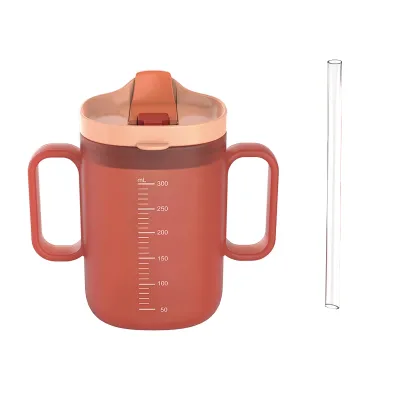
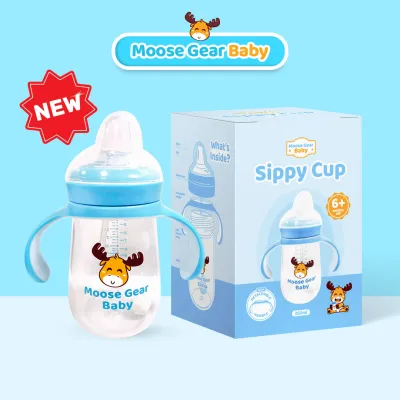
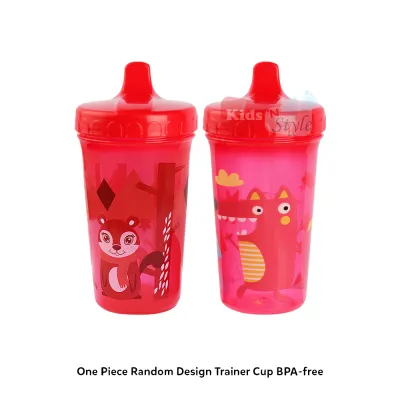
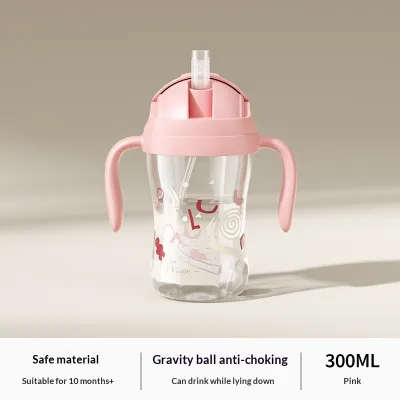
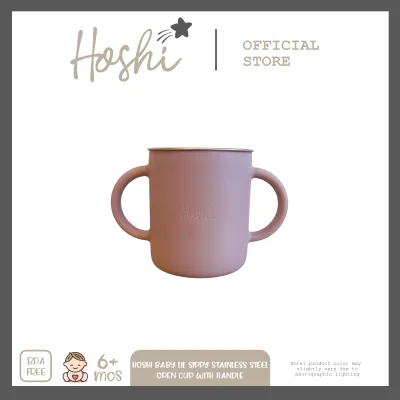
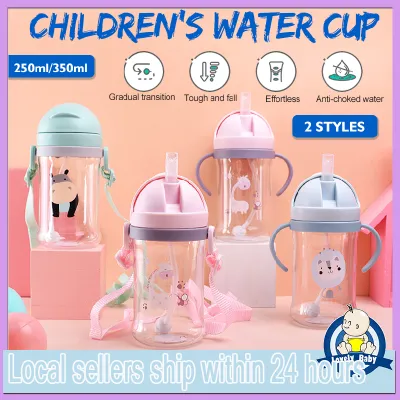
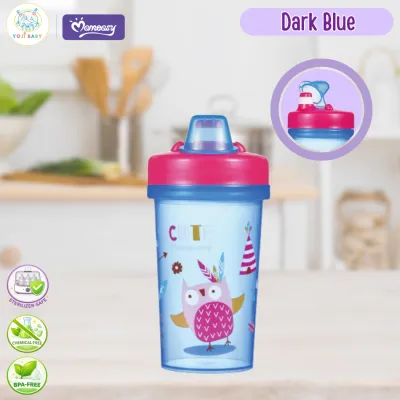
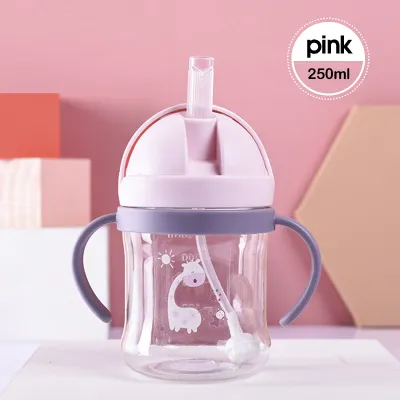
Prices are valid at publication and may change. Please refer to the product page for the latest price.
Key Features to Look for in a Toddler Sippy Cup
Selecting a cup for a two-year-old requires an understanding of how different designs affect physical development. At this age, children are transitioning away from the infantile sucking reflex toward a mature swallowing pattern. The style of the cup’s mouthpiece directly influences this transition, making it essential to choose a design that aligns with recommendations from pediatric health professionals.
Spout vs. Straw vs. 360-Edge
Pediatric dentists and speech-language pathologists generally recommend straw cups or 360-degree open-style cups over traditional hard-spout cups for toddlers. Hard spouts often require a child to hold their tongue forward and down, mimicking the swallowing pattern used with baby bottles. Prolonged use of hard spouts can potentially interfere with proper tongue elevation and oral muscle development, which are critical for speech clarity and dental alignment.
In contrast, straw cups encourage toddlers to retract their tongue and seal their lips tightly around the straw, strengthening the cheek and lip muscles. Similarly, 360-degree edge cups allow children to drink from any side of the rim using a natural sipping action. This action closely mimics drinking from a regular open cup, helping to train the muscles needed for adult swallowing patterns without the risk of major spills.
Leak-Proof vs. Spill-Proof
It is important to distinguish between leak-proof and spill-proof designs when evaluating options for your daily routine. A fully leak-proof cup typically utilizes a one-way silicone valve that prevents liquid from escaping even when the cup is shaken vigorously, turned upside down, or tossed into a diaper bag. These designs are highly convenient for travel, car rides, or active play sessions where containment is the primary priority.
However, some highly leak-proof valves require significant suction force to draw liquid, which can sometimes frustrate toddlers or discourage them from drinking enough water. Spill-proof or spill-resistant cups, on the other hand, allow liquid to flow more freely but may drip slightly when dropped or tilted. These are often excellent for structured mealtimes at the dining table, where your child can practice controlled drinking with minimal mess while learning how to handle a cup responsibly.
Ergonomics and Weight
At two years old, a child’s hand strength, grip, and coordination are still developing. A cup that is too heavy, bulky, or slippery can lead to frustration and frequent drops. Look for lightweight designs with ergonomic features such as contoured bodies, textured surfaces, or removable dual handles that fit comfortably in small hands. In the humid Philippine climate, condensation on the outside of cold cups can make them slippery, so integrated silicone sleeves or non-slip bases are highly beneficial.
Recommended Sippy Cup Styles for 2-Year-Olds
Different daily scenarios call for different cup designs. Understanding the mechanics, ideal use cases, and limitations of the three primary toddler cup styles will help you choose the right configuration for your household.

Weighted Straw Cups
Weighted straw cups feature a flexible, food-grade silicone straw with a small, weighted anchor attached to the bottom end. This design ensures that the end of the straw remains submerged in the liquid regardless of the angle at which the toddler holds the cup.
- How It Works: The weighted ball at the base of the straw moves dynamically with gravity. When your toddler tilts the cup backward, upside down, or sideways, the weight slides to the lowest point of the container, allowing continuous liquid flow. This eliminates the frustration of sucking in air when the cup is nearly empty or held at an awkward angle.
- Ideal Use Case: This style is perfect for highly active two-year-olds who prefer to drink while moving, playing, or reclining. It is an excellent companion for stroller rides, car travel, or independent playtime where constant supervision of the cup's angle is impractical.
- Limitations and Buying Tips: Weighted straw assemblies consist of multiple small parts and narrow channels that can easily trap moisture, milk, or juice residues. This makes them highly susceptible to mold buildup if not cleaned thoroughly. When purchasing, choose models that include a dedicated, ultra-thin cleaning brush and ensure that the straw and weight can be completely disassembled for sanitation. Refer to the manufacturer's care instructions to verify if the components are compatible with steam sterilizers or boiling water.
360-Degree Spill-Proof Training Cups
These cups feature a circular lid equipped with a flexible silicone valve that seals the top surface completely until pressure is applied.
- How It Works: The pressure-activated silicone rim releases liquid only when the toddler places their lips on the edge and applies gentle suction or lip pressure. Once the child stops drinking, the valve automatically reseals, preventing liquid from escaping when the cup is tipped over or knocked off a table.
- Ideal Use Case: 360-degree cups are exceptional for transitioning toddlers toward regular open cups. They allow children to practice the exact head-tilting and hand-coordination movements required for a standard glass, making them ideal for supervised use at the dining table during family meals.
- Limitations and Buying Tips: While highly effective at preventing spills during normal use, these cups are not completely leak-proof under high impact. If a toddler drops the cup forcefully onto a hard tiled floor—a common flooring material in Philippine homes—the impact can momentarily break the silicone seal, resulting in minor splattering. Additionally, parents should regularly inspect the silicone rim for bite marks, tears, or warping, as a damaged valve will compromise the spill-proof seal and must be replaced immediately.
Insulated Stainless Steel Toddler Cups
Insulated stainless steel cups offer a durable, plastic-free alternative designed to maintain liquid temperatures for extended periods.
- How It Works: These cups utilize a double-wall vacuum insulation barrier that prevents heat transfer between the interior liquid and the external environment. This construction keeps cold beverages refreshingly cool for many hours, preventing condensation from forming on the exterior surface.
- Ideal Use Case: Given the tropical heat and high humidity in the Philippines, keeping drinking water cool and fresh throughout the day is essential. Insulated stainless steel cups are perfect for outdoor family trips, park visits, beach outings, or long road trips where plastic cups would quickly warm up. Keeping water cool also encourages toddlers to stay hydrated during hot afternoons.
- Limitations and Buying Tips: Stainless steel is significantly heavier than plastic or silicone, which may tire out younger or smaller toddlers during extended use. It is also prone to scratching or denting if dropped on concrete or hard tile surfaces. To mitigate these issues, look for models equipped with protective silicone bumpers on the base to absorb impacts, and choose options with integrated handles or textured sleeves to improve your child's grip. Note that stainless steel components are never microwave-safe.
Comparing Sippy Cup Materials for Daily Use
Evaluating the material composition of your toddler’s cup is crucial for ensuring long-term safety, durability, and ease of maintenance. Each material presents distinct advantages and trade-offs that impact your daily routine.
Food-Grade Silicone
Food-grade silicone is an incredibly soft, flexible, and resilient material that is gentle on sensitive gums and developing teeth. It is highly resistant to cracking, shattering, or warping when dropped, making it a safe choice for energetic toddlers. However, high-quality silicone is semi-porous, meaning it can sometimes absorb strong odors, soap scents, or pigments from foods like tomato-based sauces or colorful juices if not washed promptly. To prevent this, avoid leaving colored or flavored beverages in silicone cups for extended periods, and wash them immediately after use.
BPA-Free Plastics (e.g., Tritan)
BPA-free plastics, such as Tritan co-polyester, are widely favored for their lightweight properties, high clarity, and shatterproof durability. The transparency of plastic cups allows parents to monitor exactly how much liquid their child has consumed throughout the day. While highly convenient, plastic surfaces can develop deep scratches over time from rough handling or abrasive cleaning sponges. These microscopic scratches can become breeding grounds for bacteria and are difficult to sanitize. Inspect plastic cups regularly and replace them if you notice deep scratches, cloudiness, or persistent odors.
Stainless Steel
Stainless steel is exceptionally durable, hygienic, and naturally resistant to bacteria buildup. It does not retain odors or flavors, ensuring that your child’s water always tastes fresh. It is also completely free from chemical leaching concerns. The primary trade-offs are its opaque nature—which prevents you from seeing the liquid level without opening the lid—and its heavier weight. It is also important to verify that any paint or decorative coating on the exterior of a stainless steel cup is lead-free and non-toxic.
Material Comparison Matrix
| Material | Weight | Durability | Best Use Case |
|---|---|---|---|
| Food-Grade Silicone | Light to Moderate | Very High (Shatterproof) | Teething toddlers, home use, quiet play |
| BPA-Free Plastic (Tritan) | Very Light | High (Shatter-resistant) | Travel, daily monitoring, budget-friendly options |
| Stainless Steel | Heavy | Exceptional (Dent-prone) | Outdoor trips, hot weather, long-term temperature control |
How to Clean and Maintain Toddler Cups Safely
Proper sanitation is the most critical aspect of managing toddler cups, especially in warm, humid environments where mold and bacteria can multiply rapidly. Neglecting small crevices can lead to hygiene issues that may affect your child’s health.
Daily Disassembly
To ensure a thorough clean, you must completely disassemble all parts of the cup after every single use. This includes removing silicone valves, straws, weights, lid seals, and handles. Washing a fully assembled cup allows milk, juice, or water residues to remain trapped in the overlapping joints and seals, creating an ideal environment for black mold to develop. Establish a strict routine of pulling apart every component before placing them in the sink.
Mold Prevention and Drying
In the Philippines, high humidity levels can prolong drying times, which increases the risk of mold growth on damp surfaces. After washing all components with mild, baby-safe dishwashing liquid and warm water, place them on a clean, elevated drying rack in a well-ventilated area. Avoid reassembling or storing the cup while any part is still damp. Ensure every component is completely dry to the touch before putting the cup back together.
Inspection Routine
Make it a habit to inspect all cup components during your daily washing routine. Check silicone straws and valves for bite marks, tears, or thinning material that could cause choking hazards or leaks. Examine plastic bodies for cracks, deep scratches, or a cloudy appearance. If you detect persistent sour odors, visible mold spots that cannot be scrubbed away, or loose-fitting valves, discard the affected parts immediately and purchase replacements.
Sanitization Boundaries
Always consult the manufacturer’s care label before subjecting cup components to high-heat sanitization methods. While stainless steel and high-grade silicone can typically withstand boiling water, steam sterilizers, or high-temperature dishwashers, certain plastics or delicate valve mechanisms may warp, melt, or degrade under extreme heat. Warped components will compromise the leak-proof seals, rendering the cup unusable. When in doubt, stick to hand-washing with warm, soapy water as recommended by the manufacturer.
Frequently Asked Questions (FAQ)
When should I transition my 2-year-old from a sippy cup to a regular open cup?
Most pediatric health professionals recommend introducing an open cup around 12 months of age, with the goal of transitioning away from specialized toddler cups by age two. At two years old, your child has the physical capability to begin mastering an open cup, though occasional spills are a completely natural and necessary part of the learning process. To facilitate this transition, offer small amounts of water in a small, open cup during supervised mealtimes at the dining table, while relying on spill-proof straw or 360-degree cups for independent play, travel, or active hydration throughout the day.
Are straw cups better than spout cups for speech development?
Yes, there is a general consensus among pediatric speech-language pathologists and pediatric dentists that straw cups are highly preferable to hard-spout cups for speech and oral motor development. Drinking from a straw requires active lip closure, cheek strength, and tongue retraction, which helps strengthen the muscle groups used to produce speech sounds. Hard spouts, conversely, encourage a forward tongue thrust similar to bottle feeding, which can delay mature oral patterns if used excessively. For personalized guidance tailored to your child’s physical development, consult your pediatrician or a speech therapist.
Community discussion
Share your experience or ask a question. Comments are reviewed before publication.