
Selecting a sippy cup for baby is a pivotal milestone in the weaning journey, but finding the right design depends entirely on your child’s developmental stage. Around six months, soft silicone spouts and transition cups with handles help bridge the gap from bottle or breast. By nine to twelve months, weighted straws and 360-degree rim cups support active, upright sipping. At twelve months and beyond, toddlers should transition to open training cups or valve-free straw cups to encourage mature swallowing patterns.
Why Developmental Stages Dictate Sippy Cup Choices
Weaning is a complex developmental transition. When a baby moves away from breast or bottle feeding, they are not just changing their source of nutrition; they are completely reorganizing how they use their lips, tongue, and jaw. For the first few months of life, infants rely on a primitive suckling reflex, which involves a simple forward-and-backward movement of the tongue. Sipping from a cup, however, requires a highly coordinated, mature swallowing pattern where the tongue tip elevates, lip closure is maintained, and the jaw remains stable.
Choosing a sippy cup for baby that aligns with these emerging motor skills is essential. Around six months, babies are just beginning to develop the trunk control needed to sit upright, alongside a palmar grasp that allows them to hold larger objects. As they approach twelve months, fine motor skills refine, leading to a pincer grasp and improved hand-eye coordination. A cup that is too heavy or has a complex drinking mechanism can cause immense frustration, leading to cup rejection and a prolonged reliance on bottles.
Products mentioned in this guide
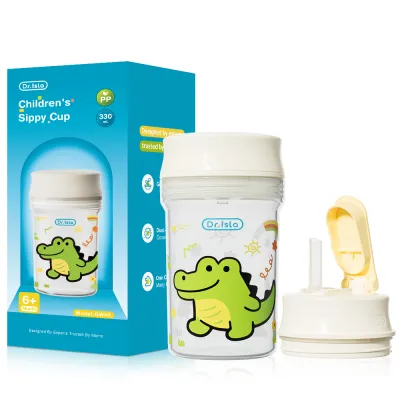
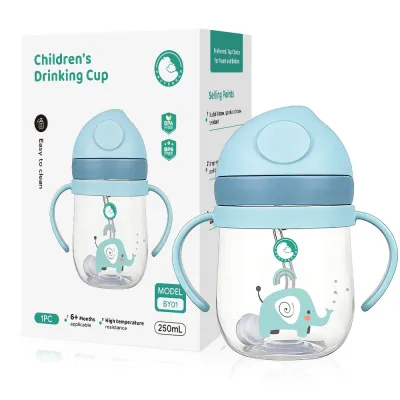
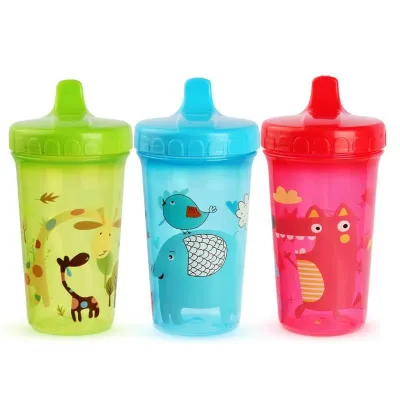
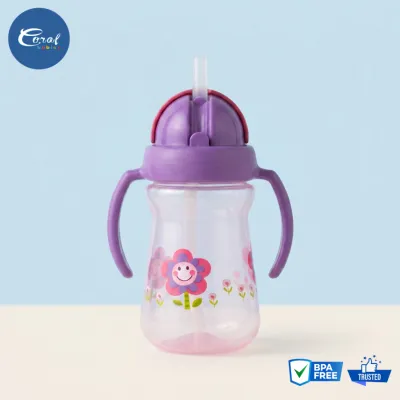
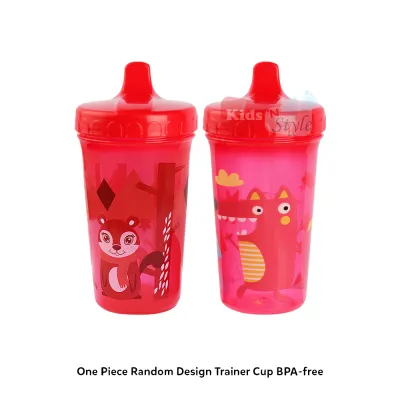
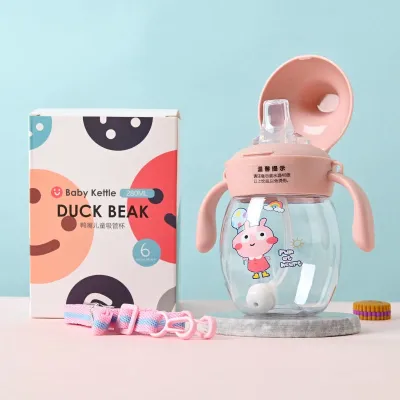
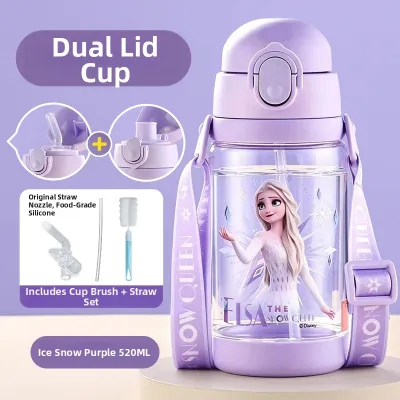
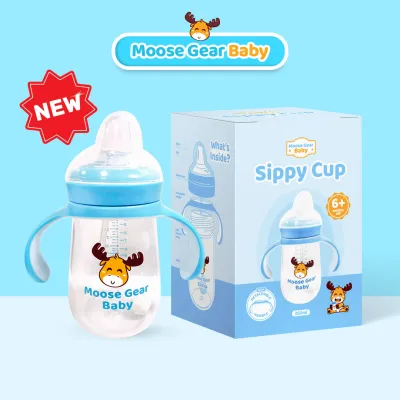
Prices are valid at publication and may change. Please refer to the product page for the latest price.
Conversely, introducing the wrong cup design at the incorrect stage carries physical risks. Using a rigid, hard-spout cup too early or for too long can reinforce immature swallowing patterns, potentially impacting dental alignment and oral motor development. On the other hand, introducing an open cup before a baby has developed head and neck control can lead to choking hazards or discouraging spills. Because every baby develops at their own pace, these age brackets serve as general milestones. Caregivers should observe their baby’s individual readiness signals—such as sitting upright independently and showing curiosity about cups—and consult a pediatrician if they have concerns about developmental milestones.
Stage 1 (Around 6 Months): Soft Spouts and Transition Cups
At around six months of age, the primary objective of introducing a cup is sensory familiarization rather than high-volume hydration. During this initial phase of weaning, babies are learning to tolerate different textures, temperatures, and shapes in their mouths. Water is introduced in very small amounts alongside solid foods, making the cup more of a learning tool than a primary source of liquid.

When selecting a transitional cup, parents must prioritize lightweight designs that will not strain a baby’s developing muscles. Always check the product packaging or manufacturer documentation for specific age recommendations, as these guidelines are tailored to the average weight and motor capabilities of infants in this bracket. A cup that is too heavy or bulky can easily slip from a baby’s grasp, leading to accidental bumps and a negative association with drinking.
Soft Silicone Spout Cups
A soft silicone spout cup serves as an excellent intermediary between the familiar texture of a bottle nipple and the firm structure of a standard cup. The pliable nature of food-grade silicone is exceptionally gentle on a baby’s tender, emerging teeth and sensitive gums, which are often swollen from teething. When browsing online marketplaces or local baby boutiques, look for designs featuring spill-proof, pressure-activated valves. These valves are engineered to release liquid only when the baby applies gentle pressure with their lips or gums, reducing the likelihood of messy spills while requiring minimal suction.
However, caregivers must remain aware of certain limitations. Because the material feels highly similar to a bottle nipple, many babies will instinctively chew on the silicone spout rather than attempting to sip. This chewing behavior can quickly compromise the integrity of the material. It is vital to inspect the spout before every single use, looking closely for tiny tears, punctures, or thinning silicone. If any signs of degradation are present, stop using the spout immediately and replace it to prevent the risk of small silicone pieces tearing off and becoming choking hazards.
Handle-Equipped Transition Cups
To support the rapid development of early motor skills, transition cups equipped with dual, easy-grip handles are highly recommended. These handles allow babies to practice the bilateral coordination required to grasp an object with both hands and guide it accurately toward their mouth. When evaluating handles, verify that they are ergonomically designed, non-slip, and appropriately proportioned for tiny hands. Handles that are integrated directly into the cup’s collar or base tend to offer superior stability compared to detachable versions that might spin or slide.
While these handles foster independence, caregiver supervision remains absolutely mandatory. A baby’s movements at this stage are still somewhat erratic, meaning they can easily swing the cup too quickly and accidentally hit themselves in the face. Ensure the cup is made from shatterproof, lightweight plastic or silicone, and always sit within arm’s reach during use. If the baby shows signs of fatigue or struggles to lift the cup, gently assist them by placing your hands over theirs to guide the movement, turning the feeding session into a positive, shared learning experience.
Stage 2 (9–12 Months): Weighted Straws and 360-Degree Cups
As babies reach nine to twelve months, their daily routine shifts from stationary feeding to active, mobile exploration. Many infants are now crawling, pulling themselves up to stand, or taking their first tentative steps. This increased physical activity demands a cup design that can keep up with their movement while supporting more advanced oral motor skills and hand-eye coordination.
In a tropical and highly humid environment like the Philippines, this active stage introduces a critical maintenance challenge for parents. Humid conditions provide the perfect breeding ground for mold and bacteria, which can rapidly accumulate in the small crevices of baby cups. Consequently, selecting easy-to-clean designs with fully removable parts is paramount. Any cup featuring complex, non-removable valves or enclosed chambers should be avoided, as trapped moisture can compromise your baby’s health.
Weighted Straw Cups
Weighted straw cups are an exceptionally popular choice for active infants because they allow for seamless drinking from virtually any angle. The defining feature of this design is a small, heavy ball attached to the bottom of a flexible silicone straw. As the baby tilts the cup—whether they are lying down, sitting, or crawling—the weighted ball moves with the liquid, keeping the bottom of the straw submerged and ensuring a continuous flow. When purchasing a weighted straw cup, parents must verify that the straw is constructed from high-quality, food-grade silicone and that the weight itself is completely sealed in a smooth, durable plastic casing to prevent any metal components from coming into contact with the liquid.
Despite their convenience, weighted straw cups carry a strict and demanding cleaning protocol that caregivers must follow diligently. The narrow tube of the straw and the intricate crevices around the weighted ball are highly susceptible to trapping liquid residue, which can quickly lead to mold growth in warm, humid climates. Parents must use a dedicated, ultra-thin straw brush to scrub the entire length of the tube with warm, soapy water after every single use. Additionally, ensure that the weight is thoroughly rinsed and left to dry completely in a well-ventilated area before reassembling the cup.
360-Degree Rim Cups
Another innovative option for this stage is the 360-degree rim cup, which is specifically designed to act as a direct bridge to open-cup drinking. These cups feature a circular silicone valve that seals against a rigid plastic rim, allowing liquid to flow only when the baby applies gentle lip pressure anywhere along the edge. This design completely eliminates the need for a spout or straw, encouraging the baby to use the same lip and tongue muscles required for a standard glass while preventing large-scale spills when the cup is dropped or knocked over.
When selecting a 360-degree cup, look for models where the silicone valve can be easily peeled back and separated from the plastic lid for thorough washing. Because milk or juice can easily seep underneath the silicone membrane, failing to disassemble and clean this interface daily will inevitably result in hidden mold accumulation. A notable limitation of this design is that some babies may find the biting or sucking motion required to break the seal somewhat confusing initially. If your baby struggles to extract liquid, try gently pressing the valve with your finger to demonstrate how the water flows, or temporarily revert to a straw cup until their oral coordination matures.
Stage 3 (12+ Months): Open Training Cups and Valve-Free Straws
By the time a toddler reaches twelve months and enters their second year, their oral anatomy and swallowing mechanics have matured significantly. At this stage, pediatric dentists and speech pathologists strongly advocate for transitioning away from spill-proof, valve-based cups. While valves are highly convenient for preventing messes, they require a prolonged, unnatural sucking force that can alter tongue placement, restrict jaw movement, and potentially interfere with proper speech sound development if used long-term.
Transitioning to open cups and valve-free designs helps toddlers refine their mature swallowing patterns, where the tongue tip elevates and the lips seal precisely. If your toddler exhibits strong resistance to open cups, frequently gags, or shows signs of swallowing difficulty, it is highly recommended to consult a pediatrician or a pediatric dentist. These professionals can evaluate your child’s oral motor skills and provide tailored guidance to ensure a safe and successful transition.
Open Training Cups
Open training cups are specifically engineered to help toddlers master the art of drinking from a standard glass without the overwhelming mess of a full-sized cup. These cups typically feature a very small capacity—often between 50 to 100 milliliters—which naturally limits the volume of any accidental spills. Look for designs with a heavily weighted or non-slip silicone base that provides exceptional stability on highchair trays or dining tables, preventing the cup from tipping over easily when set down. Some training cups also incorporate a slight inward curve or a slanted rim, which allows the toddler to drink without tilting their head back excessively, making it much easier to guide the liquid safely into their mouth.
When introducing an open cup, caregivers must accept that spills and messes are a completely normal, necessary part of the learning process. To minimize frustration, start by offering only a few sips of water at a time during supervised mealtimes. You can also practice during bath time, where spills do not require any cleanup and the toddler can freely experiment with pouring and sipping. Consistent, low-pressure practice will help build your toddler’s confidence and hand-eye coordination over several weeks.
Valve-Free Straw Cups
Valve-free straw cups represent another excellent step toward mature drinking habits, particularly for on-the-go hydration. Unlike transition straw cups, these models do not feature a spill-proof valve inside the straw, allowing liquid to flow naturally and freely with minimal suction. This free-flowing design promotes excellent oral motor coordination and prevents liquid from pooling in the mouth, which is a common contributor to early childhood tooth decay. When shopping for these cups, verify whether the manufacturer sells replacement straws separately, as toddlers at this stage frequently chew through soft silicone straws with their newly erupted molars.
Because these cups lack a flow-restricting valve, parents must be aware that they will leak if tipped sideways or turned upside down. For this reason, valve-free straw cups are best reserved for supervised mealtimes or structured snack times at the table, rather than being left in a crib, playpen, or car seat where they could easily spill. To prevent accidental messes while traveling, look for models that feature a secure, flip-top lid that folds the straw down to seal the liquid safely inside the container when not in use.
What to Check on the Label: Material, Hygiene, and Safety
With an overwhelming array of baby products available on e-commerce platforms and in physical stores, parents must learn to look past flashy marketing claims and focus entirely on verifiable specifications and observable physical features. A cup that is marketed as “eco-friendly” or “pediatrician-approved” may still possess hidden design flaws that make it difficult to clean or unsafe for daily use. Establishing a systematic checklist before making a purchase ensures that you are investing in a product that is both safe and durable.
Material Safety: The first and most critical step is verifying the safety of the materials used in the cup’s construction. Look for explicit, printed labels on the packaging indicating that the product is completely “BPA-free” (Bisphenol A) and “BPS-free” (Bisphenol S), as these chemical compounds can disrupt endocrine functions. Rather than relying solely on front-of-package marketing text, inspect the bottom of the plastic cup for molded recycling codes and manufacturer material disclosures. High-quality cups typically utilize food-grade silicone, polypropylene (PP, recycling code 5), or Eastman Tritan copolyester, all of which are known for their durability and chemical safety.
Disassembly and Cleaning: A sippy cup is only as hygienic as its cleaning routine, making ease of disassembly a vital safety consideration. Before purchasing, examine the cup’s construction to determine how many individual parts it contains and whether every single valve, silicone seal, collar, and straw can be fully disassembled. Avoid any cups that feature sealed, non-removable components or hollow handles that open into the cup’s interior, as these enclosed spaces are impossible to clean thoroughly and will inevitably harbor mold and bacteria. In the humid Philippine climate, a cup that cannot be completely taken apart poses a significant hygienic risk to your infant.
Durability and Wear: Regular inspection of your baby’s cups is a necessary habit to maintain ongoing safety. Children’s cups are subjected to constant dropping, throwing, and chewing, which can cause materials to degrade over time. Examine plastic bodies for hairline cracks or cloudy discoloration, and inspect silicone spouts and straws for deep bite marks or tears. Damaged silicone can easily tear completely during use, creating a severe choking hazard. A good rule of thumb is to replace silicone spouts, valves, and straws at the very first sign of tearing, or approximately every two to three months of regular use.
Dishwasher Compatibility: For many busy parents, dishwasher compatibility is a non-negotiable convenience, but it requires careful adherence to manufacturer care instructions. Always verify whether the cup is labeled as top-rack dishwasher safe, as placing plastic or silicone components on the bottom rack exposes them to intense, direct heat from the heating element. Over time, high-temperature dishwasher cycles can warp plastic threads, degrade silicone seals, and cause spill-proof valves to lose their elasticity, leading to premature leaking. If you do not have a dishwasher or prefer hand washing, use a mild, baby-safe bottle cleanser and a set of dedicated cleaning brushes, allowing all parts to air dry completely in a clean, elevated drying rack.
Frequently Asked Questions (FAQ)
When should I stop using a sippy cup entirely?
Pediatric guidelines and dental associations generally recommend weaning children off all hard-spout and valve-based sippy cups by 12 to 18 months of age. Prolonged use of these cups can negatively affect the alignment of primary teeth and reinforce an immature swallowing pattern, which may contribute to speech delays or dental issues. Parents should observe their toddler’s readiness signals, such as improved hand-eye coordination and the ability to hold objects steadily, and gradually replace sippy cups with open training cups or free-flowing straw cups during structured mealtimes.
Can I put milk or juice in a sippy cup?
While it is technically possible, pediatric dentists strongly advise that water is the safest and most appropriate liquid for sippy cups, especially when consumed between meals. When a baby or toddler frequently sips on milk or fruit juice throughout the day, the natural sugars pool around their teeth and gums, significantly increasing the risk of early childhood tooth decay (cavities). If you choose to offer milk in a sippy cup, restrict its consumption strictly to designated mealtimes and avoid letting your child carry the cup around as a comfort object. Fruit juice should generally be avoided in sippy cups; consult your pediatric dentist for specific dietary and oral health guidelines.
What should I do if my baby refuses the sippy cup?
Cup refusal is an incredibly common hurdle that requires patience and a systematic troubleshooting approach. First, try experimenting with different spout textures, transitioning from a firmer spout to a soft silicone one that closely mimics a bottle nipple. You can also temporarily remove the spill-proof valve from the cup to allow the liquid to flow freely, helping the baby understand that the cup contains water without requiring them to figure out the suction mechanism first. Alternatively, let your baby play with the empty cup during non-meal times to build familiarity and positive associations. If the refusal persists, is accompanied by frequent gagging, or causes distress, consult your pediatrician or a pediatric feeding specialist for personalized guidance.
Community discussion
Share your experience or ask a question. Comments are reviewed before publication.