
As infants transition into active toddlers, their curiosity drives them to explore every corner of their environment. This developmental milestone brings immense joy, but it also introduces new safety challenges within the household. Standard furniture, particularly dining tables, coffee tables, and low television consoles, often feature sharp edges and corners that sit at the exact eye and head level of a small child. Installing high-quality rubber edge protectors is a practical and effective way to cushion these hard surfaces, minimizing the risk of impact injuries during daily play.
In the Philippines, many homes feature heavy hardwood furniture made of narra, mahogany, or acacia, paired with hard tiled or polished concrete floors. While these materials are beautiful and durable, they present a unforgiving surface if a toddler slips or loses their balance. Selecting the right protective barriers requires a clear understanding of material safety, cushioning density, and adhesive durability in tropical conditions. By taking a systematic approach to baby-proofing, parents can create a secure environment that supports a child’s natural desire to learn, climb, and walk.
Why Table Edge Protection Is Crucial for Toddler Safety
Between the ages of 6 and 18 months, children experience rapid motor skill development. They progress from crawling to pulling themselves up on furniture, shuffling sideways while holding onto surfaces—a phase known as “cruising”—before eventually taking their first independent steps. During this transitional period, a toddler’s physical coordination is still developing, and their center of gravity is relatively high due to their larger head size. Consequently, sudden falls, stumbles, and loss of balance are frequent occurrences as they learn to navigate their surroundings.
Products mentioned in this guide
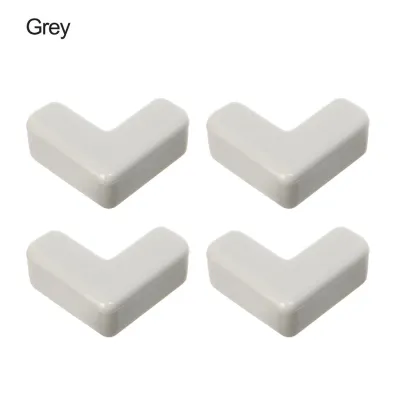
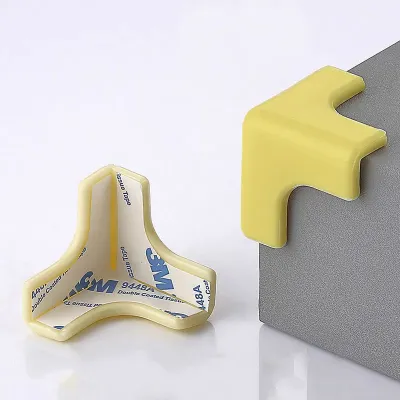
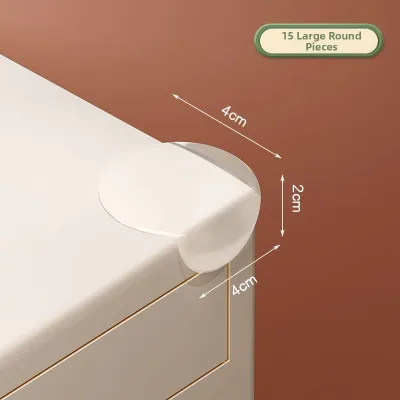
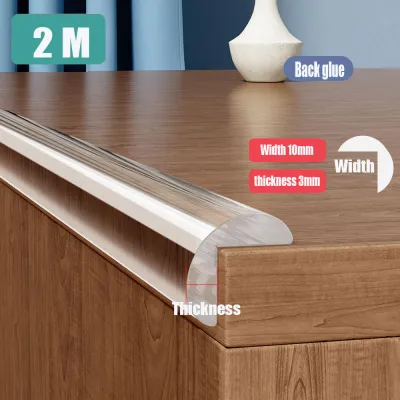
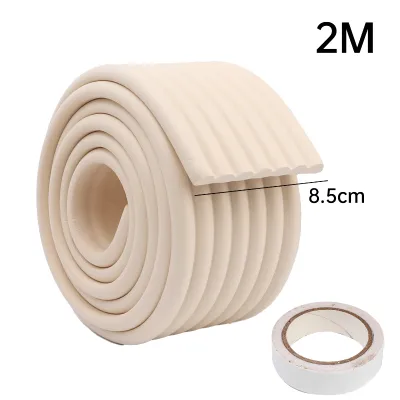
Prices are valid at publication and may change. Please refer to the product page for the latest price.
The height of standard household furniture directly correlates with the physical stature of a cruising or early-walking toddler. A typical coffee table stands between 40 and 45 centimeters high, while dining tables generally measure around 75 centimeters. These heights align almost perfectly with a toddler’s forehead, eyes, and temples. When a child falls forward or sideways, they often lack the protective reflexes to extend their arms and break the fall, leading to direct impact between their delicate facial structure and the rigid edge of the furniture.
Collisions with unprotected furniture edges can result in injuries ranging from minor bumps to severe lacerations, deep bruising, or concussions. A sharp wooden, glass, or metal corner concentrates the entire force of a fall onto a tiny surface area, significantly increasing the severity of the trauma. In contrast, a soft, deformable rubber barrier absorbs a substantial portion of the kinetic energy, distributing the impact force over a broader surface area and slowing down the deceleration of the child’s head during a collision.
While active parental supervision is always the primary line of defense, it is practically impossible to prevent every single stumble in a busy household. Toddlers operate on instinct and curiosity, lacking the cognitive capacity to understand verbal warnings about sharp corners or potential hazards. Physical baby-proofing measures, such as installing rubber edge protectors, provide a reliable, passive safety net that works continuously, allowing parents peace of mind while their children explore their boundaries.
What to Look for in High-Quality Rubber Edge Protectors
Material Safety and Non-Toxic Certifications
Because toddlers frequently explore their environment using their mouths, any object installed within their reach must be chemically safe. Teething babies often bite or chew on soft rubber protectors installed on low tables. Parents must verify that the chosen product is free from harmful substances. Look for manufacturer specifications certifying that the material is non-toxic, BPA-free, phthalate-free, lead-free, and heavy-metal free. High-quality Nitrile Butadiene Rubber (NBR) or food-grade silicone are excellent choices, but you must check the product packaging or documentation for these explicit safety certifications rather than assuming suitability based on the product name.

Cushioning Density and Shock Absorption
Not all rubber protectors offer the same level of impact protection. Some low-quality foam strips are highly compressible, meaning they flatten completely under minimal force and fail to prevent the child’s head from striking the hard wood underneath. When selecting a protector, evaluate the density and thickness of the material. High-density NBR foam features a dense, closed-cell structure that resists bottoming out during high-energy impacts. Look for product dimensions that specify a thickness of at least 8 millimeters to 12 millimeters to ensure adequate shock absorption.
Adhesive Quality and Furniture Compatibility
A protective strip is only effective if it remains securely attached to the furniture. Toddlers are remarkably persistent and will often attempt to peel, pull, or bite the protectors off the table. High-quality edge protectors typically utilize advanced double-sided acrylic adhesives, such as genuine 3M tape, which form a powerful bond over time. The adhesive must be strong enough to withstand constant tugging but formulated to release cleanly when heat is applied, preventing permanent damage to your table’s varnish, paint, or veneer.
Choking Hazard Prevention and Tear Resistance
If a toddler manages to bite off a portion of a low-quality foam protector, that loose piece immediately becomes a serious choking hazard. Parents should look for products with high tear-resistance ratings and a dense, reinforced outer skin. When examining a protector, test its elasticity and strength; it should stretch and rebound without cracking or crumbling. Avoid lightweight, brittle foams that degrade quickly under physical stress or exposure to room light.
Best Types of Rubber Protectors for Different Table Shapes
Continuous Edge Strips for Long, Straight Table Sides
Long dining tables, television consoles, sideboards, and low shelves require extensive, unbroken coverage along their straight sides. Continuous edge strips, which are typically sold in rolls ranging from 2 to 5 meters in length, are the most efficient solution for these surfaces. These rolls allow parents to measure the exact perimeter of their furniture and cut a single, uninterrupted piece to fit, minimizing seams where dirt can accumulate or where a child might find leverage to peel the strip away.
Before purchasing a continuous roll, measure all the straight edges you intend to cover to ensure you buy sufficient material. During installation, you will need to cut the strip to size using sharp kitchen shears or a utility knife. Check the manufacturer’s instructions regarding the flexibility of the material; some dense NBR foams are highly flexible and can easily conform to slight curves or beveled edges, while others are rigid and designed strictly for flat, 90-degree surfaces.
Opaque continuous strips are highly visible, which can alter the aesthetic of your living space. To address this, manufacturers produce these strips in a variety of colors, including dark brown, wood-grain, black, grey, cream, and white. Selecting a color that closely matches your furniture’s finish allows the protector to blend in visually, maintaining the room’s interior design while ensuring your child’s safety.
Thick Rubber Corner Guards for Sharp 90-Degree Angles
The corners of coffee tables, desks, and bedside tables present the highest risk of puncture-style injuries because they concentrate the force of an impact into a single point. While continuous strips can sometimes be folded or miter-cut to cover corners, they often bunch up, creating weak spots in the adhesive. Dedicated, pre-molded 3D corner guards are designed specifically to address this high-risk zone by wrapping securely around all three intersecting planes of a 90-degree corner.
These corner guards are available in various shapes, including L-shaped guards for thin tabletops and spherical or ball-shaped guards for thicker, rounded profiles. When choosing corner guards, verify the internal dimensions and angle specifications on the product label. The guard must fit snugly against the corner of your table without leaving empty gaps underneath, as gaps compromise the cushioning effect and make it easier for a toddler to pry the guard loose.
Because corners experience the most friction from passing family members, corner guards require exceptionally strong adhesion. Ensure that the adhesive tape provided with the corner guards covers the entire inner surface area of the protector. This complete coverage prevents dust from entering underneath and ensures the guard remains firmly anchored even when subjected to multi-directional knocks.
Clear Silicone Bumpers for Glass and Delicate Surfaces
For modern glass coffee tables, metal-framed furniture, or highly valued antique wood tables, heavy opaque foam strips can be visually disruptive and may detract from the furniture’s appeal. In these scenarios, clear silicone bumpers offer an excellent alternative. Made from flexible, transparent silicone, these protectors provide a low-profile cushion that allows the natural beauty of the furniture to remain visible.
Clear silicone bumpers are typically smaller and less obtrusive than their NBR foam counterparts, making them ideal for minimalist interiors. However, because they are transparent, any dust, moisture, or adhesive misalignment underneath will be visible. Precise installation is essential to maintain a clean appearance. Additionally, transparent silicone has a slightly firmer texture than closed-cell foam, so ensure the product thickness is sufficient to provide a soft cushion.
Over time, clear plastics and silicones can degrade when exposed to environmental factors, causing them to turn yellow, brittle, or sticky. When selecting clear bumpers, check the product label for UV-resistant or anti-yellowing specifications. This is particularly important for furniture placed near windows, glass doors, or in rooms that receive direct sunlight throughout the day.
Choosing the Right Adhesive for Humid Environments
The tropical climate of the Philippines introduces unique challenges for baby-proofing adhesives. High relative humidity, which often exceeds 80 percent during the rainy season, combined with elevated indoor temperatures can cause standard double-sided tapes to soften, lose their tackiness, and slide off the furniture. When adhesives fail, the edge protector peels away, leaving the sharp edge exposed and creating a tempting object for a toddler to pull and chew on.
To ensure a lasting bond, parents must look for adhesive specifications on the packaging that explicitly mention high-temperature tolerance and humidity resistance. Acrylic-based pressure-sensitive adhesives generally perform much better in warm, humid conditions than rubber-based adhesives, which tend to degrade and liquefy under sustained warmth. Premium brands often supply specialized tapes designed to maintain their structural integrity across a wide temperature range, ensuring the protector stays firmly in place year-round.
Furthermore, the type of furniture surface dictates the adhesive performance. Non-porous surfaces like glass, metal, and highly varnished or lacquered wood provide an excellent bonding surface. Porous surfaces, such as untreated wood, matte laminates, or textured veneers, require specialized adhesives designed to penetrate and grip the irregular surface. Always check your furniture manufacturer’s care guide to ensure the recommended adhesive type will not void warranties or damage specific finishes like untreated wood or delicate veneers.
To maximize bonding strength in a humid environment, parents should follow a universal framework for surface preparation:
- Clean the surface thoroughly: Wipe down the table edge using isopropyl alcohol (70% concentration is ideal) to remove all dust, skin oils, polish residues, and grease. Avoid using household glass cleaners or multi-purpose sprays, as they often leave a thin chemical film that prevents the adhesive from bonding properly.
- Ensure complete dryness: Allow the surface to dry completely—typically 5 to 10 minutes in a humid environment—before applying the adhesive.
- Apply in a dust-free environment: Keep fans turned off temporarily during installation to prevent airborne dust from settling on the exposed adhesive tape before it contacts the furniture.
How to Install and Remove Edge Protectors Without Damaging Furniture
Step-by-Step Installation Process
To achieve a secure and long-lasting installation, follow these standardized steps, keeping in mind that patience during the preparation phase is key to adhesive success:
- Measure and Cut: Measure the length of the table edge precisely. Cut the rubber strip to size using sharp scissors, ensuring the cut is clean and straight.
- Apply Tape to Protector: Apply the double-sided adhesive tape to the inner surfaces of the rubber strip. Press down firmly along the entire length of the tape to eliminate air bubbles and ensure maximum contact with the rubber.
- Position Carefully: Before peeling off the backing paper, place the protector against the table to verify the fit. Once confirmed, peel off the backing paper from one side of the tape.
- Press and Hold: Align the protector with the table edge and press it firmly onto the surface. Apply sustained, heavy pressure with your hands along the entire length of the protector for at least 30 seconds. This pressure activates the adhesive's bonding properties.
- Allow to Cure: Most high-quality adhesives require a specific curing time to reach maximum bonding strength. Refer to the manufacturer's instructions, which typically recommend waiting 24 hours before allowing anyone to pull, touch, or test the protector. Keep your toddler away from the newly installed protector during this curing phase.
Safe and Damage-Free Removal
When your child outgrows the need for edge protection, removing the guards without stripping the paint, varnish, or wood veneer requires patience. Never rip or yank the protector off forcefully, as this can easily pull away layers of the furniture finish.
Instead, check the product’s specific removal guidelines. A highly effective, reversible method is to use a handheld hairdryer on a low-to-medium heat setting. Direct the warm air at the edge of the protector for 1 to 2 minutes to soften the adhesive underneath. Once the adhesive warms up, gently peel the protector back from one end, applying continuous heat as you go. For thick foam protectors, you can also slide a length of dental floss or thin fishing line behind the protector, using a gentle sawing motion to slice through the softened tape.
Post-Removal Residue Cleanup
After removal, a layer of sticky adhesive residue often remains on the furniture. To clean this up safely, first test any commercial adhesive remover, mineral oil, or natural oil (such as coconut oil) on a hidden, inconspicuous area of the table (like the underside of the tabletop). This ensures the oil or solvent does not discolor, dissolve, or damage the wood finish.
If the test is successful, apply a small amount of the oil or remover to the residue, let it sit for a few minutes to break down the adhesive, and gently wipe it away with a soft microfiber cloth. If your table features a highly delicate, antique, or valuable finish, stop immediately and consult a professional furniture restorer to avoid permanent damage.
Frequently Asked Questions (FAQ)
How often should I replace rubber edge protectors?
Rubber edge protectors are not permanent fixtures and will degrade over time due to environmental exposure, physical impacts, and toddler interaction. Parents should inspect all installed protectors at least once a week. Look for signs of peeling edges, tears, bite marks, or brittle foam. If a protector is loose, a toddler can easily pull it off, rendering it useless and creating a choking hazard. If you observe any structural degradation, tearing, or loss of adhesion, replace the affected section immediately. Always refer to the manufacturer’s guidelines regarding the expected lifespan of the product under normal indoor conditions.
Are rubber edge protectors safe if my baby chews on them?
While high-quality rubber edge protectors are designed to cushion impacts, they are not teething toys. To minimize chemical exposure, you must verify that the product has non-toxic, food-grade certifications (such as BPA-free and phthalate-free) on the product label prior to purchase. Even with safe materials, active adult supervision is always required to ensure your child does not ingest pieces of the protector. If your baby has a habit of chewing on furniture, inspect the protectors daily. If you notice any visible bite marks, indentations, or missing pieces, remove and replace the protector immediately to prevent a choking hazard, and consider providing alternative, designated teething toys.
Community discussion
Share your experience or ask a question. Comments are reviewed before publication.