
When preparing your home for a new baby boy, creating a safe, comfortable space where he can rest, play, and observe his surroundings is a top priority. Among the essential gear you will consider, baby bouncers and rocking chairs stand out as invaluable tools for soothing a fussy infant and giving your arms a much-needed break. However, navigating the vast array of options in the Philippine market can feel overwhelming, especially when trying to balance aesthetic preferences with strict safety standards and tropical climate practicalities.
Finding the ideal rocking chair for baby boy nurseries involves looking beyond charming blue shades or safari prints. The right choice must address key functional needs, such as breathability in hot weather, structural stability on local flooring, and adaptability to your family’s lifestyle. By understanding the mechanical differences between these products and knowing what safety features to prioritize, you can make a well-informed purchase that keeps your little one secure and content.
This comprehensive guide breaks down the differences between baby bouncers and rocking chairs, outlines the essential features to evaluate before buying, and provides practical advice on choosing the best type for your living space and budget. Additionally, you will learn critical safety guidelines and smart strategies for navigating local e-commerce platforms safely.
Products mentioned in this guide
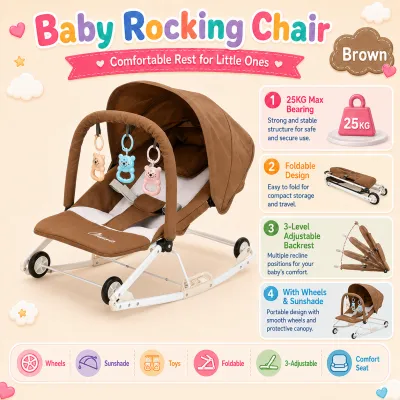
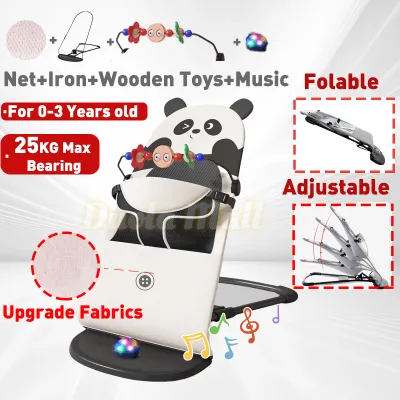
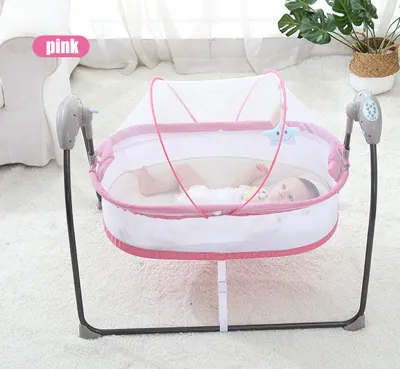
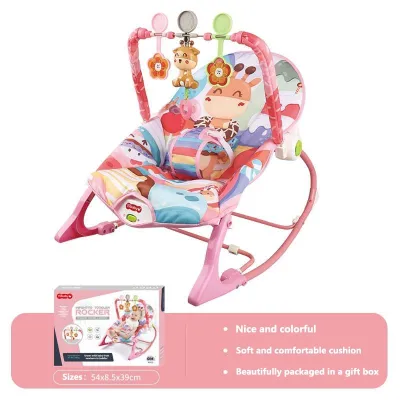
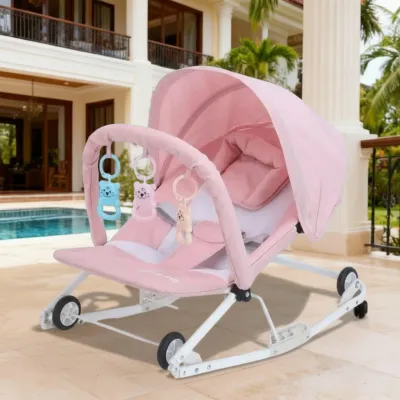
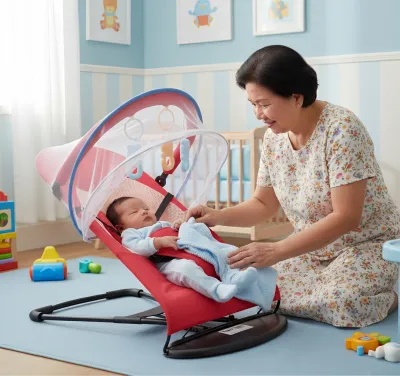
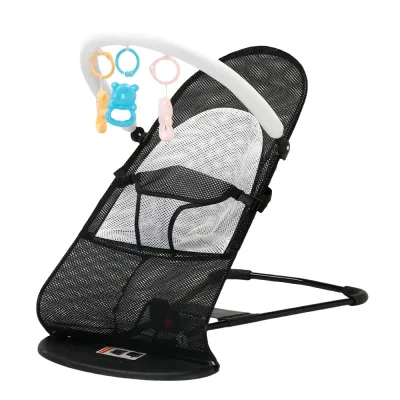
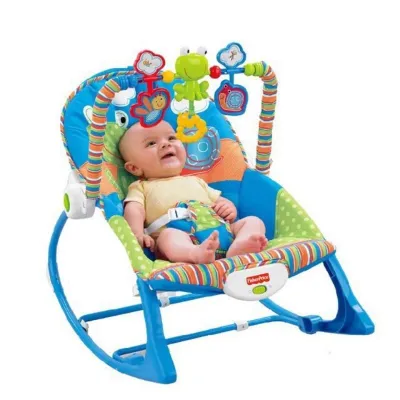
Prices are valid at publication and may change. Please refer to the product page for the latest price.
Rocking Chairs vs. Bouncers: Understanding the Difference
While the terms are often used interchangeably in casual conversation, baby bouncers and baby rocking chairs are distinct products with different mechanisms, motions, and primary use cases. Understanding these differences is the first step in deciding which gear aligns with your baby’s temperament and your daily household routine.
Baby bouncers are lightweight, low-to-the-ground seats designed to react to your baby’s physical movements. They do not rely on plugs or batteries; instead, they utilize a flexible frame—often made of spring steel or high-grade plastic—that bounces up and down in response to your baby’s kicking, arm-waving, or a gentle manual push from a caregiver. This self-regulation makes bouncers excellent for active, awake babies who enjoy cause-and-effect play, as their own movements generate the soothing motion.
Baby rocking chairs, on the other hand, feature a curved base or a mechanical gliding frame designed to produce a smooth, front-to-back or side-to-side rhythmic motion. While traditional models are manually rocked, many modern baby rockers are motorized, offering automated swaying speeds, built-in lullabies, and white noise options. These motorized systems mimic the consistent, rhythmic sway of a parent’s arms, making them highly effective for settling fussy infants or helping them wind down after a long stimulation period.
When comparing primary use cases, bouncers are generally best suited for short-term, awake interaction, play, and brief moments when you need a safe place to put your baby down while you fold laundry or prepare a meal. Motorized rocking chairs are better suited for longer, passive soothing sessions where the continuous motion helps calm a colicky baby. Regardless of which mechanism you choose, safety standards for infant sleep apply strictly to both: neither a bouncer nor a rocking chair is a safe substitute for a flat, firm crib, bassinet, or playpen.
What to Look for in a Baby Boy Rocker or Bouncer
When shopping for a rocking chair for baby boy nurseries, it is easy to get swept up in cute designs and color schemes. While aesthetics are a fun part of preparing for your baby, they must always remain secondary to structural integrity, fabric quality, and physical safety features.

Aesthetics and Themes
Many parents search specifically for “baby boy” designs to match a nursery theme or personal preference. Local retailers offer a wide selection of popular motifs, including playful dinosaurs, outer space adventures, jungle safaris, and deep-sea marine life, alongside classic color palettes like slate blue, sage green, cool grey, and navy. While these designs add a charming touch to your home, remember that ergonomic support, harness security, and weight capacities are completely gender-neutral. Always prioritize a robust, well-engineered frame over a specific pattern or colorway.
Fabric and Climate Suitability
The tropical climate of the Philippines presents a unique challenge for baby gear. High relative humidity and warm temperatures mean that babies can easily overheat, leading to discomfort and painful heat rashes, commonly known as prickly heat or bungang-araw. Avoid heavy, non-breathable synthetic polyesters that trap body heat. Instead, look for seats featuring 3D mesh panels, organic cotton blends, or specialized moisture-wicking fabrics that promote continuous airflow. Furthermore, ensure the seat cover is fully removable and machine-washable; daily sweat, milk spit-ups, and diaper blowouts make regular washing a necessity.
Harness and Frame Stability
A secure harness system is non-negotiable for preventing accidental falls. Look for a sturdy 3-point harness (which secures the waist and crotch) or, ideally, a 5-point harness (which adds over-the-shoulder straps) made of durable, soft webbing that will not chafe your baby’s skin. The frame itself must have a wide, low-profile base to distribute weight evenly and prevent tipping, even when your baby kicks enthusiastically. Ensure the bottom of the frame is equipped with robust, non-slip rubber grip pads to prevent the seat from sliding across smooth ceramic tiles, polished marble, or glossy vinyl floors common in Filipino households.
Weight and Developmental Limits
Never rely solely on age recommendations when determining if a bouncer or rocker is safe for your child. Babies develop at vastly different rates, and physical milestones are far more accurate indicators of readiness than age in months. Always locate the manufacturer’s physical tag or instruction manual to verify the maximum weight limit—typically ranging from 9 kilograms (20 pounds) for basic bouncers to 18 kilograms (40 pounds) for convertible toddler seats. Additionally, take note of developmental warnings, such as stopping use the moment your baby shows signs of attempting to sit up unassisted.
Best Types of Rockers and Bouncers for Your Lifestyle
Because household space, family routines, and budgets vary widely across the Philippines, there is no single “best” product for everyone. Categorizing options by their design strengths allows you to identify which style aligns best with your daily life, whether you live in a compact city condominium or travel frequently to visit extended family in the provinces.
Multi-Stage Bouncers for Long-Term Value
Multi-stage or convertible bouncers are engineered to grow alongside your child, transforming from an infant bouncer or rocker into a stationary toddler chair. This adaptability provides exceptional long-term value, extending the product’s lifespan from a few months to several years. While a standard single-stage infant bouncer is typically retired around six months, a multi-stage model can support a toddler up to approximately 18 kilograms, serving as a dedicated reading chair or television seat.
When evaluating multi-stage models, verify that the transition mechanism is straightforward, secure, and utilizes heavy-duty locking pins to prevent accidental collapsing. Look for designs that feature a removable toy bar, as older babies and toddlers will try to pull on these attachments, which can cause stability issues if they are not detached. Keep in mind the primary trade-off: because they are built to support heavier toddlers, multi-stage models are often heavier, bulkier, and carry a higher initial price tag (typically ranging from ₱4,000 to ₱9,000) compared to basic, single-use infant bouncers.
Compact Rockers for Space-Constrained Homes
For families residing in high-density urban areas such as Metro Manila, Cebu, or Davao, floor space is often at a premium. A massive, non-folding motorized swing or rocker can quickly clutter a small living room or bedroom. Compact, streamlined rockers are specifically designed to address this pain point, featuring ultra-thin profiles and clever folding joints that allow the entire unit to collapse virtually flat.
When shopping for a space-saving model, look for frames that fold down to a thickness of 15 centimeters or less, allowing you to slide the unit under a bed, behind a sofa, or flat against a closet wall when not in use. Verify that the folding joints feature double-lock safety mechanisms to prevent the frame from folding while the baby is seated. The main trade-off of these minimalist designs is the lack of advanced electronic features, such as motorized swaying, integrated music players, or multiple electronic recline angles. However, for condo-dwelling parents, the preservation of living space easily outweighs these missing extras.
Lightweight Bouncers for Travel and Visits
Filipino family culture often involves frequent weekend trips, gatherings at relatives’ homes, or traveling back to home provinces during holidays. Carrying heavy, cumbersome baby gear on public transport or packing it into a crowded car trunk is highly impractical. Lightweight travel bouncers solve this issue by prioritizing portability, weighing under 2.5 kilograms and often including a dedicated, durable fabric carrying bag with shoulder straps.
For travel purposes, battery-free, manual bouncers are highly recommended. They rely entirely on your baby’s natural movements, eliminating the need to pack bulky power adapters or purchase expensive replacement batteries while away from home. Look for models constructed with high-strength, lightweight materials like aircraft-grade aluminum and durable, high-density fabrics that resist outdoor dust and moisture. While these travel-friendly models are incredibly convenient, they generally offer less plush padding and fewer built-in head support cushions than heavy-duty indoor stationary models.
Critical Safety Rules and When to Stop Using
No matter how highly rated or expensive a baby bouncer or rocking chair is, its safety ultimately depends on proper usage. Infant gear can present serious hazards if safety protocols are ignored, making it vital for parents and caregivers to establish and enforce non-negotiable usage rules in the household.
- Sleep Safety is Paramount: Rockers and bouncers are strictly designed for supervised, awake time. They are semi-reclined seats, which poses a severe risk of positional asphyxiation for young infants. When a baby falls asleep in a semi-upright position, their weak neck muscles can allow their heavy head to slump forward onto their chest, potentially compressing their airway and restricting oxygen intake silently. If your baby falls asleep in a rocker or bouncer, immediately transfer them to a flat, firm sleep surface, such as a crib or bassinet, with no loose blankets, pillows, or plush toys.
- Always Place on the Floor: Never, under any circumstances, place a baby bouncer or rocking chair on an elevated surface, including dining tables, kitchen countertops, beds, sofas, or washing machines. The physical vibrations of a motorized rocker or the vigorous kicking of an active baby can cause the seat to slide or "walk" across the surface, leading to catastrophic falls. Always position the unit on a flat, level floor surface.
- Secure the Harness Every Time: Even if you are only placing your baby in the seat for a single minute to grab a bottle, or if your newborn seems too small to wiggle, you must buckle and adjust the harness securely. Babies develop physical skills suddenly; a baby who could not roll or push up yesterday may surprise you today, risking a fall if left unrestrained.
- Know When to Retire the Gear: You must stop using an infant bouncer or rocker immediately when your baby reaches any of the following developmental milestones: he can sit up unassisted, he attempts to roll over, he can push up on his hands and knees, or he reaches the manufacturer's maximum weight limit. Continuing to use the seat past these milestones creates a severe risk of the baby tipping the unit over or climbing out and falling.
How to Buy Safely on Philippine Online Marketplaces
Online shopping on local e-commerce platforms offers incredible convenience, allowing busy parents to browse hundreds of baby products from the comfort of home. However, the digital marketplace also hosts counterfeit goods, unbranded items of questionable structural integrity, and sellers offering sub-standard safety gear. Protecting your baby requires a cautious, methodical approach to online purchasing.
First, restrict your purchases to authorized brand distributors, official flagship stores, or highly rated, established local specialty baby retailers. Look for verified seller badges (such as “Mall” or “Preferred” status tags) on major local platforms. Avoid buying from generic, unbranded shops that offer suspiciously low prices—such as a complex motorized rocker listed for a fraction of the average market price. These cheap imitations often use brittle plastics, weak motors, and low-grade wiring that pose electrical or structural hazards.
Second, carefully examine the product photos and descriptions for clear, legible safety warnings, weight limits, and usage instructions written in English. Zoom in on photos to check for physical safety certification labels, such as the European Standard (EN) or American Society for Testing and Materials (ASTM) markings. If a listing lacks detailed specifications, clear photos of the harness system, or basic manufacturer information, skip it in favor of a transparent, well-documented product.
Third, prioritize sellers that offer clear, local warranty coverage and straightforward return policies. Motorized rocking chairs contain complex electronic components, gears, and sensors that can occasionally malfunction. Having a local warranty (ideally 6 to 12 months) ensures you can easily get a replacement or repair without the hassle and high cost of shipping an item back overseas.
Finally, exercise extreme caution if you are considering purchasing a second-hand rocker or bouncer. While buying used gear is an excellent way to save money, you must physically inspect the item before using it. Verify that the frame has no hairline cracks, the joints lock securely, the harness straps are not frayed or stretched, and all buckles snap tightly into place. Additionally, search online recall databases using the exact model number and manufacturing date to ensure the product has not been recalled due to safety hazards discovered after its initial release.

Community discussion
Share your experience or ask a question. Comments are reviewed before publication.