
When baby-proofing a home in the Philippines, securing the kitchen is a top priority, and finding the most reliable safety door lock in ref appliances is a critical step. The kitchen is naturally a hub of activity, but it also contains numerous hazards for a curious, developing child. The best type of refrigerator lock depends on your specific appliance design, your kitchen’s microclimate, and your household’s daily habits. For most single-door or top-freezer models, a heavy-duty adhesive latch lock offers the best balance of easy adult access and secure toddler restriction. However, if you have a French door or side-by-side refrigerator, a flexible strap lock with a robust buckle mechanism is typically the most effective solution. Meanwhile, magnetic locking systems provide the cleanest look and the highest durability but require precise installation and careful key management. Selecting the right option ensures your child remains safe while preserving the functionality and appearance of your appliance.
Why Baby-Proofing the Refrigerator Matters
Toddlers, typically between 12 to 36 months of age, develop the physical strength to pull open heavy refrigerator doors long before they understand kitchen safety. As they transition from crawling to walking, they naturally use handles to pull themselves up, often leading to accidental door openings. The interior of a refrigerator holds several hidden hazards for a curious child. Small items like cherry tomatoes, grapes, or loose decorative refrigerator magnets can quickly become choking hazards if left within reach. Heavy glass jars, condiment bottles, or ceramic dishes stored on the door shelves can easily fall directly onto a child if the door is pulled open abruptly. Furthermore, raw meats, seafood, and poultry stored on lower shelves present a severe risk of cross-contamination and foodborne illness if touched or handled by curious little hands.
A particularly severe hazard is the risk of a child climbing inside a large appliance or freezer and becoming trapped, which can lead to suffocation. Additionally, from a practical household perspective, a door left ajar in a tropical climate like the Philippines causes rapid temperature drops, spoiling expensive food and forcing the compressor to work overtime, which spikes your electricity bill. It is vital to remember that child safety locks are a secondary layer of protection designed to delay access and buy time; they can never replace active, continuous adult supervision in the kitchen. Caregivers must remain vigilant, using safety locks as supportive tools rather than absolute guarantees of safety.
Products mentioned in this guide
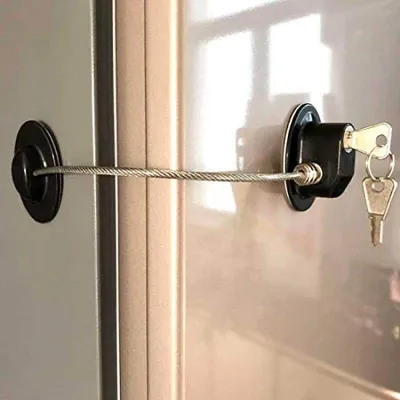
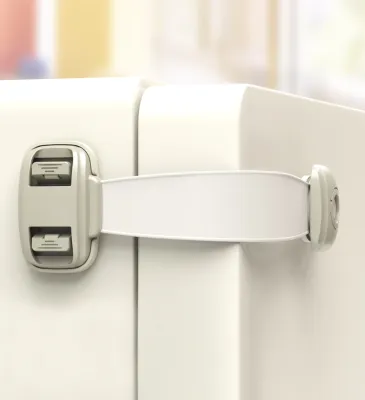
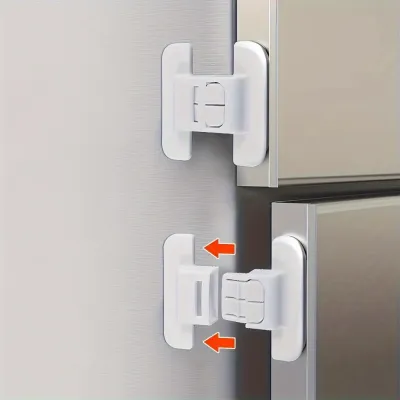
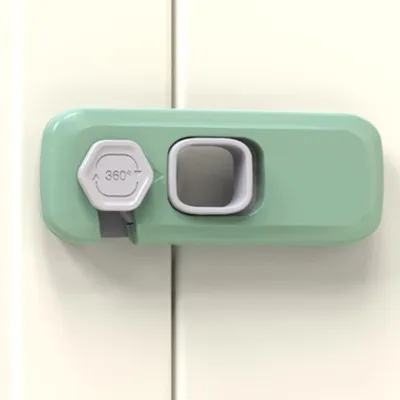
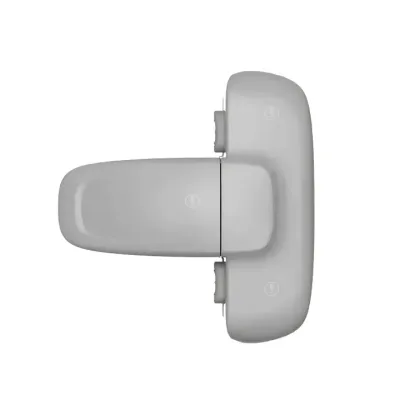
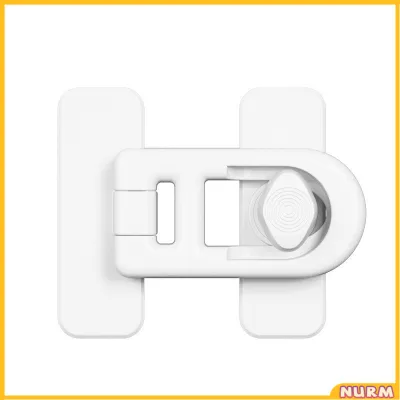
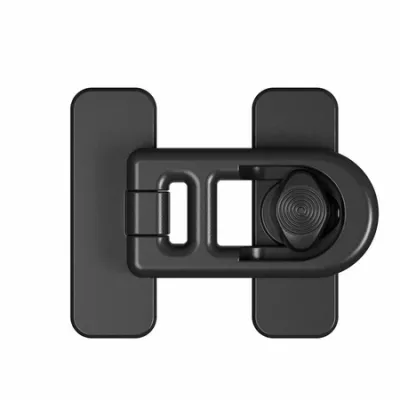
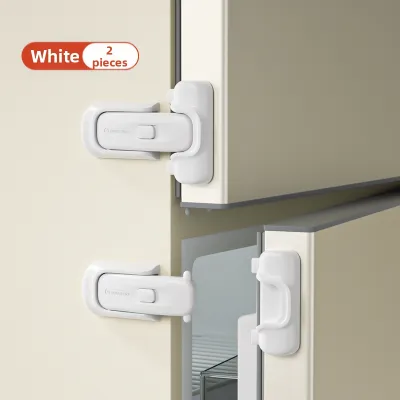
Prices are valid at publication and may change. Please refer to the product page for the latest price.
Key Factors for Choosing a Fridge Safety Lock
Fridge Surface and Design Refrigerator doors are not all made equal. Some have flat, smooth stainless steel surfaces, while others feature curved fronts, textured finishes, or integrated handles. You must evaluate the physical layout of your appliance before purchasing a lock. A lock that requires a flat 90-degree angle to connect will not work on a heavily rounded edge or a door with a deep recess. Similarly, textured surfaces reduce the contact area for adhesives, making mechanical alternatives more attractive.

Climate Considerations The tropical climate of the Philippines introduces unique challenges for baby-proofing hardware. High relative humidity and temperature fluctuations can rapidly degrade the chemical bonds of standard double-sided tapes. An adhesive that holds perfectly in a dry, air-conditioned showroom may soften and fail in a warm, humid, non-air-conditioned kitchen. This makes the choice of adhesive material or mechanical fastening highly critical for local households.
Adult Convenience Think about your household’s daily workflow. You open the refrigerator dozens of times a day, often while holding a baby, carrying a heavy grocery bag, or prepping ingredients with one hand. The lock must be secure enough to withstand a toddler’s persistent pulling but intuitive enough for an adult to operate with one hand. If a lock is too difficult or tedious to open, family members may neglect to re-engage it, defeating its purpose entirely.
Damage Potential Consider the long-term impact on your appliance. When your child outgrows the need for a lock, you will want to remove it without leaving permanent scars on your refrigerator. Some adhesives can leave a stubborn, hardened residue, or even peel off the protective clear coat of stainless steel or custom-paneled doors. Choosing high-quality, residue-free adhesives or mechanical systems that do not damage the exterior finish is essential for maintaining the resale or aesthetic value of your fridge.
Comparing the 3 Main Types of Safety Door Lock in Ref Units
Adhesive Latch Locks
These locks consist of two plastic pieces joined by a rigid latch or sliding mechanism. One piece mounts to the side of the refrigerator body, and the other mounts to the front of the door. They rely entirely on heavy-duty double-sided adhesive tape (often 3M VHB or similar foam tapes) to bond with the appliance surface. Most designs feature a simple push-button or sliding release that an adult can press with a thumb while opening the door.
Because they rely on a rigid plastic bridge, any misalignment during installation can put constant tension on the adhesive. In the humid Philippine climate, this continuous tension, combined with moisture in the air, can cause the adhesive to peel away prematurely. They are best suited for smooth, flat surfaces where the adhesive can achieve 100% surface contact. When choosing this type, look for models made of high-quality ABS plastic, which resists warping under kitchen heat, and verify that the adhesive is rated for high-humidity environments.
Strap Locks with Buckles
These locks use a flexible plastic, silicone, or fabric strap connected to two adhesive anchor points. The strap wraps around the corner of the refrigerator door or stretches across the gap of a double-door unit. To open, an adult must release a buckle mechanism on one of the anchor points. Strap locks are highly adaptable. Because the strap is flexible, it can easily conform to curved doors, textured surfaces, uneven edges, and deep handles. It is the go-to choice for securing French doors or side-by-side units where the lock must span a central seam.
The primary drawback is adult convenience. Releasing a buckle, especially a dual-button safety buckle designed to baffle toddlers, often requires two hands or a coordinated pinch that can be frustrating to perform dozens of times a day. Additionally, the dangling strap can sometimes get caught when closing the door if not secured back. For tropical kitchens, silicone straps are highly preferred over woven nylon, as nylon can absorb kitchen grease, moisture, and food splatters, becoming a breeding ground for mold and bacteria.
Magnetic Locking Systems
Unlike external latches, magnetic systems are installed on the interior frame of the refrigerator door or cabinet. A spring-loaded latch catches automatically when the door is closed. To release the latch, you must place a powerful external magnetic key against the outside of the door directly opposite the internal mechanism. These locks are completely invisible from the outside, preserving the clean look of your kitchen.
Because the locking mechanism is mechanical and housed inside, it does not rely on external adhesive tape to bear the physical force of a toddler pulling on the handle. This makes them exceptionally durable. However, installation is highly precise and requires careful alignment of the internal latch and catch. You must also verify that your refrigerator door is thin enough for the magnetic pull to penetrate and actuate the lock. Most importantly, you must keep the magnetic key stored safely out of your child’s reach but in a highly accessible spot for adults—losing the key means you cannot open your refrigerator without a backup.
Which Lock Type Works Best for Your Fridge Design?
Side-by-Side and French Door Fridges Securing these configurations requires a lock that can span the gap where the two doors meet. A flexible strap lock is often the most practical choice here. You can mount the anchor pads on the front of each door, allowing the strap to hold them tightly together. Alternatively, some specialized dual-latch adhesive locks are designed specifically for center seams, but they require precise alignment to prevent the doors from budging even a millimeter.
Single Door and Top/Bottom Freezer Fridges For standard single-door refrigerators or units with a separate top or bottom freezer, adhesive latch locks or magnetic locks are highly effective. You can mount an adhesive latch on the side of the cabinet and the front of the door, securing the opening edge. If you prefer a seamless look, a magnetic lock can be installed on the interior side frame.
Mini Fridges Mini fridges, often used in bedrooms, nurseries, or home offices in the Philippines, have smaller surface areas and lighter doors. Because the hinges on mini fridges are less robust, heavy pulling on a locked door can warp the frame. A simple, lightweight adhesive latch lock is usually sufficient, as long as it is mounted near the handle edge to minimize leverage.
High-Humidity Kitchens In homes without consistent air conditioning, kitchen humidity can hover around 70% to 80%. In these environments, standard adhesives are highly prone to failure. If you must use an adhesive-based lock, look for products rated with high-bond acrylic foam tapes (like 3M VHB) and ensure the surface is meticulously prepped. Otherwise, mechanical strap locks that wrap around handles or magnetic locks that utilize internal mechanical catches are much safer, highly reliable alternatives that won’t peel off when the air gets damp.
Installation and Maintenance Tips for Maximum Durability
Surface Preparation Before sticking any lock to your refrigerator, you must prepare the surface. Wipe the mounting area thoroughly with rubbing alcohol (70% isopropyl alcohol is ideal and widely available in the Philippines). Avoid using standard glass cleaners, multi-purpose sprays, or dish soap, as these often leave behind a microscopic, slippery residue that prevents the adhesive from forming a permanent bond. Let the area dry completely before proceeding.
Curing Time This is the most critical step that many parents skip. Once you press the adhesive pad onto the refrigerator, do not test it or pull on it immediately. Adhesives require a curing period—ideally 24 to 48 hours—to achieve their full bonding strength. During this time, try to keep the lock disengaged or handle the door with extreme care so no tension is applied to the tape.
Routine Checks Baby-proofing hardware is subject to daily wear and tear. Make it a habit to inspect the locks weekly. Check for any signs of adhesive peeling at the edges, cracks in the plastic, or wear on flexible straps. If a buckle becomes loose or a latch fails to click securely into place, replace the unit immediately. Keep in mind that as toddlers grow (especially past 24 months), they become stronger and more clever; a lock that baffled them at 12 months might need an upgrade if they learn how to manipulate it.
Warranty Check Before installing any lock—especially those requiring screws or heavy-duty industrial adhesives—verify your refrigerator manufacturer’s warranty terms. Some manufacturers may void the warranty on the exterior finish or door seals if unauthorized modifications or permanent adhesives cause damage or surface peeling. Always prioritize non-invasive, reversible baby-proofing methods first.
Frequently Asked Questions (FAQ)
Can I use adhesive locks on a textured or curved fridge door?
Standard flat-surface adhesive locks generally fail on textured or deeply curved refrigerator doors. The textured pattern reduces the surface area contact, preventing the adhesive tape from forming a complete, airtight bond. Curved surfaces force a flat adhesive pad to bend, creating constant internal tension that eventually pulls the pad away from the surface. For these designs, flexible strap locks are highly recommended, as the strap can bend to match any contour while the small anchor pads can be placed on flatter sections of the appliance.
Will removing the lock damage my refrigerator's finish?
If removed improperly, strong adhesives can peel off paint, leave stubborn residue, or scratch stainless steel. To remove a lock safely, use a hairdryer on a low-medium heat setting to warm and soften the adhesive foam. Once softened, gently slide a piece of dental floss or fishing line behind the pad, using a sawing motion to slice through the foam layer. Clean up any remaining sticky residue with a gentle, citrus-based adhesive remover or baby oil. Always test a small, hidden area of your refrigerator first to ensure the cleaning agent does not discolor the finish, and consult your appliance manual for specific care and cleaning instructions.
Community discussion
Share your experience or ask a question. Comments are reviewed before publication.