
Traveling with a toddler in the Philippines often means navigating unpredictable situations, from long, slow-moving traffic jams on busy highways to remote provincial roads with limited clean restrooms. Having a reliable, leak-proof portable urine container or travel potty is a practical necessity for parents during these journeys. The right choice ensures your child can relieve themselves comfortably and hygienically, saving you from stressful emergency stops.
Finding the ideal solution depends on your specific travel scenario, your child’s developmental stage, and how easily you can clean the container on the road. In this guide, we evaluate the top portable urine container categories available in the Philippine market—ranging from collapsible silicone potties to leak-proof hard plastic bottles and disposable gel-based bags—to help you select the safest, most convenient option for your family.
Quick Guide to Portable Urine Container Types
When preparing for travel, choosing the right type of portable urine container can significantly ease potty training stress. Parents generally choose between three main categories: foldable silicone potties, hard plastic sealable containers, and disposable absorbent bags. Each style addresses different travel challenges, from tight space constraints to immediate disposal needs.
Products mentioned in this guide
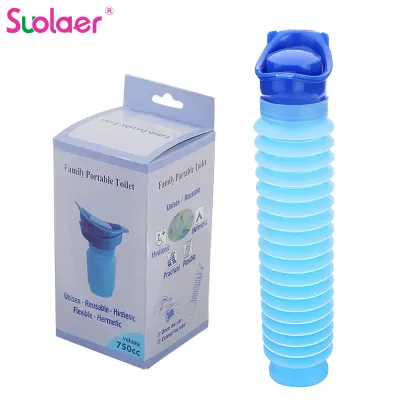
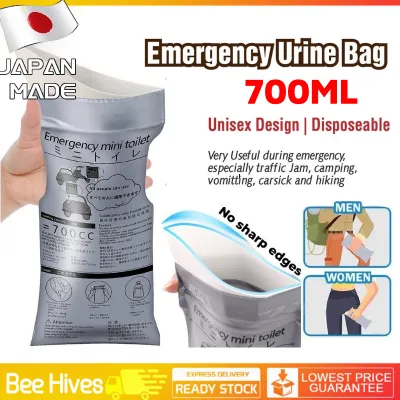
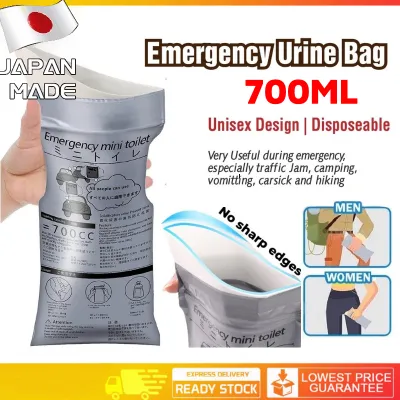
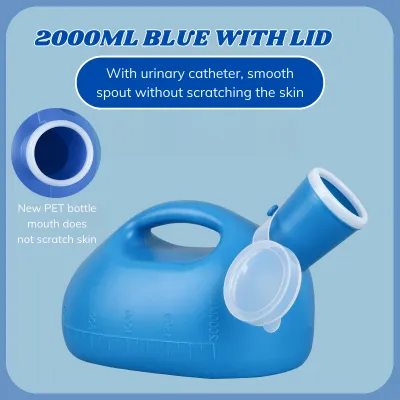
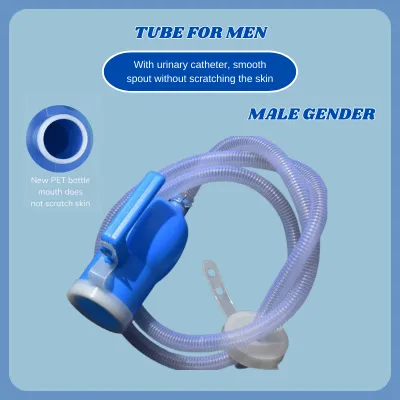
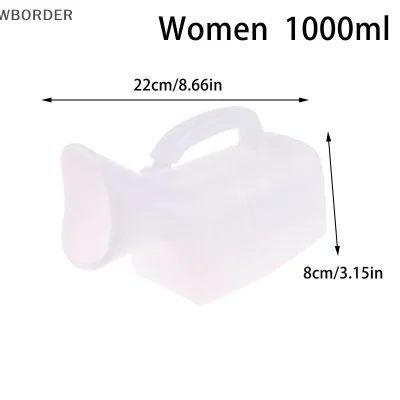
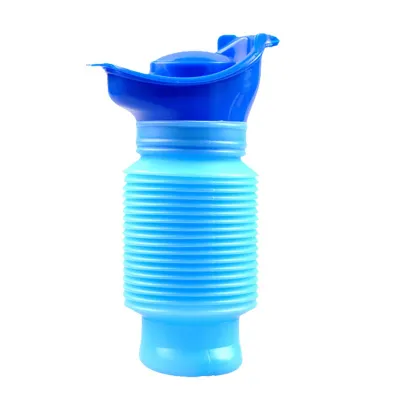
Prices are valid at publication and may change. Please refer to the product page for the latest price.
Foldable silicone travel potties are highly collapsible, making them excellent space-savers. They are best suited for road trips, hotel stays, or outdoor picnics where you have a bit more room to set up a stationary seat but still need to pack light. Because they fold flat, they easily slide into a car seat pocket or a packed diaper bag.
Hard plastic containers with sealable lids, often shaped like small bottles or cups with child-friendly designs, are built for immediate, on-the-spot use when a toilet is completely out of reach. These are ideal for long commutes in heavy traffic or situations where you cannot immediately empty the waste. Their rigid walls and secure locking mechanisms prevent spills even when stored inside a bag.
Disposable urine bags containing absorbent pads offer the ultimate convenience for emergencies or air travel. These single-use bags contain a special polymer that quickly solidifies liquid waste, making them easy to seal and discard. They require no cleaning, making them ideal when sanitation facilities are unavailable.
The best choice for your household depends on your travel style, your child’s age, and the duration of your trip. A family taking a long road trip to the provinces may prefer a reusable foldable potty, while a parent navigating daily city commutes might find a compact, hard plastic bottle or disposable bags more practical.
Key Features to Look for in a Travel Urine Container
Selecting a portable urine container requires looking past aesthetic designs to evaluate structural integrity and safety. Because these items handle bio-waste in tight spaces like cars or airplanes, certain engineering features are essential for a hassle-free experience.

Leak-Proof Design
A truly leak-proof design is the most critical feature of any travel urine container. Look for products that feature thick silicone seals, secure rubber gaskets, and tight screw-on or snap-lock lids. Additionally, built-in splash guards are essential for preventing accidental spills during use, especially for active toddlers who may wiggle or shift weight suddenly.
Capacity and Size
You must balance the container’s physical size with its liquid capacity. While a compact container is easier to carry, it must hold enough volume for your child’s typical output. Always check the manufacturer’s specified maximum fluid capacity before purchasing, and compare it to your toddler’s average urine volume to ensure it can handle at least one full bladder release without overflowing.
Portability and Weight
A travel potty should not feel like an extra burden in your diaper bag. Evaluate how much the item weighs when empty and whether it features convenient carrying options, such as built-in handles or attachable travel straps. Foldable models should compress down to a thickness that fits comfortably alongside your standard baby gear.
Ease of Cleaning
On-the-go sanitation can be challenging, so the container’s interior must be easy to wash. Look for smooth molded plastics and seamless silicone that do not have deep crevices, sharp corners, or hard-to-reach joints where bacteria can hide. Removable parts make thorough washing much simpler, and compatibility with standard, alcohol-free baby wipes is a major advantage for quick cleanups.
Ergonomics and Stability
Toddlers need to feel secure when using an unfamiliar potty, or they may refuse to use it entirely. Check for a wide, stable base that resists tipping on uneven surfaces like grassy fields or car floors. The edges of the opening should be smooth, rounded, and anatomically comfortable for your child’s sensitive skin, preventing pressure marks or discomfort.
Recommended Portable Urine Container Categories for Travel
To help you decide which option fits your lifestyle, we have broken down the three primary categories of travel urine containers. Each category serves distinct needs and comes with its own set of advantages and operational trade-offs.
Foldable Silicone Travel Potties
Foldable silicone travel potties are a favorite among parents who frequently go on road trips, visit parks, or stay in hotels. These innovative seats feature accordion-style silicone walls that compress flat for storage and pop open when your child needs to go. They often function either as a standalone potty with a disposable liner bag or as a folding seat adapter that sits securely on top of standard adult public toilets.
When shopping for a silicone model, pay close attention to the structural frame. The base and upper rim must be rigid enough to support your child’s weight without collapsing or buckling during use. Always verify the manufacturer’s labels to ensure the silicone is medical-grade, BPA-free, and phthalate-free, protecting your toddler’s skin from potentially harmful chemical additives.
While highly convenient, silicone potties have specific limitations. The accordion folds that make them collapsible can sometimes trap moisture, dirt, or urine residue, making them more challenging to clean thoroughly in a public restroom. Additionally, if you use them without a disposable plastic liner, you will need a reliable, waterproof wet bag to transport the potty safely after use until you can wash it properly.
Hard Plastic Containers with Sealable Lids
For situations where you cannot immediately empty or discard waste—such as during gridlocked city traffic or mid-flight—hard plastic containers with secure, sealable lids are highly reliable. Often designed with fun, kid-friendly shapes, these rigid bottles feature a funnel-like opening tailored for boys or girls, leading into a secure holding chamber.
The primary advantage of these containers is their robust, spill-proof construction. High-quality models utilize multi-layered sealing systems, including screw-top caps, spring-loaded valves, and internal silicone gaskets that prevent liquid or odors from escaping even if the bottle is tipped upside down in your bag. When choosing a hard plastic model, look for thick, impact-resistant materials like high-density polyethylene (HDPE) or polypropylene, which resist cracking if accidentally dropped on hard pavement.
The main trade-off with rigid plastic containers is their bulk. Unlike silicone or disposable options, they cannot be compressed or folded, meaning they will permanently occupy a set amount of space in your stroller basket or diaper bag. They also require prompt, thorough rinsing to prevent persistent odors, which can be difficult if you are traveling through areas with limited clean water access.
Disposable Urine Bags with Absorbent Pads
Disposable urine bags represent the ultimate low-maintenance solution for emergency travel situations. These lightweight, single-use bags feature a wide, anatomically shaped plastic or cardboard opening that fits snugly against your child’s body. Inside the bag is a highly absorbent polymer pad or powder that rapidly transforms liquid urine into a spill-proof, odorless gel within seconds.
These bags are incredibly compact, allowing you to slide several of them into a side pocket or glove compartment without noticing the extra weight. Because the liquid solidifies almost instantly, the risk of leaks or splashes is virtually zero, making them highly suitable for use inside a moving vehicle or in crowded public spaces. Before buying, check the manufacturer’s stated absorption capacity to ensure the bag can handle your child’s volume, and always confirm that the kit includes secure zip-top seals for sanitary disposal.
However, disposable bags are not without drawbacks. They carry a continuous financial cost since you must buy replacements regularly, and they generate plastic waste, making them less environmentally friendly than reusable options. They are best reserved as a backup or emergency option rather than a primary potty-training tool for daily use.
How to Clean and Sanitize Your Travel Potty on the Go
Maintaining strict hygiene is essential when using a portable urine container, particularly in the warm, humid climate of the Philippines, where bacteria and mold can multiply rapidly on damp surfaces. Establishing a consistent cleaning routine protects your toddler from skin irritation and keeps the equipment odor-free.
Whenever your child uses a reusable container, empty the contents into a flush toilet as soon as possible. Rinse the container thoroughly with clean water; if you are in a public restroom, using a dedicated squeeze bottle filled with clean tap water can help you rinse the unit without touching communal sinks. After rinsing, wash the interior and contact surfaces with a mild, baby-safe dish soap or liquid cleanser, using a small, travel-sized scrub brush to clean any corners or seals.
To make on-the-go maintenance easier, assemble a dedicated travel cleaning kit in a waterproof pouch. Your kit should include travel-sized baby-safe soap, alcohol-free disinfectant wipes, a small cleaning brush, and several sealable plastic bags to store damp cleaning cloths or dirty parts temporarily.
Once washed, the most critical step in a humid tropical environment is thorough air-drying. Packing a damp silicone or plastic potty into a dark, enclosed diaper bag creates an ideal breeding ground for mold, mildew, and bacteria. Allow the components to dry completely in a well-ventilated area, or wipe them down thoroughly with a clean paper towel before storing them.
For safety, always avoid using harsh household chemicals, concentrated bleach, or abrasive scouring pads on your travel potty. These harsh substances can degrade the silicone gaskets, crack the plastic, and leave toxic chemical residues that could irritate your toddler’s sensitive skin or cause allergic reactions. Always follow the manufacturer’s specific care and cleaning instructions.
Practical Tips for Using a Travel Potty with Toddlers
Transitioning from a familiar home bathroom to a portable container in unfamiliar surroundings can be challenging for a young child. With some preparation and patience, you can make the process smooth and stress-free for both you and your toddler.
Timing is everything when traveling with a toddler. Rather than waiting for your child to announce an emergency, schedule regular potty breaks before boarding a bus, starting a long drive, or entering an area without restrooms. Learn to recognize your child’s subtle physical cues—such as squirming, holding their tummy, or sudden quietness—so you can set up the travel container before they reach a point of high distress.
If your toddler shows anxiety or refuses to use the travel potty, do not force them, as this can lead to potty training regression or travel-related stress. Introduce the portable container at home first, allowing them to sit on it during regular potty times so they become familiar with how it feels. You can also bring along a favorite small toy, use consistent, comforting potty cues, or let them decorate the outside of the container with stickers to build a positive association.
Always pack a comprehensive emergency diaper bag kit alongside your travel potty. This kit should contain at least two complete changes of clothes for your child, one spare shirt for yourself, plenty of wet wipes, a small bottle of hand sanitizer, odor-neutralizing spray, and several plastic bags for containing soiled garments.
If you must use a portable potty inside a vehicle, safety must be your top priority. Ensure the vehicle is safely parked away from traffic before allowing your child to use the potty. Never use a travel potty while the car is in motion, as sudden stops or turns can cause severe spills, tipping, or physical injury to your child.
Frequently Asked Questions (FAQ)
Can I bring a portable potty on an airplane?
Yes, you can generally bring a clean, empty reusable travel potty on an airplane as part of your carry-on or checked baggage. However, you should check your specific airline’s carry-on size and weight limits, as some rigid, hard plastic potties can be bulky and may not fit easily under the seat in front of you or in the overhead bin. Disposable urine bags are also permitted in your luggage, but if the absorbent gel has already been activated by liquid, airport security officers may subject it to additional screening or prohibit it under liquids, aerosols, and gels (LAGs) regulations. Always ensure any reusable potty is thoroughly cleaned, dried, and packed in a sealed bag before boarding.
At what age should I start using a travel potty?
There is no single correct age to start using a travel potty, as readiness depends entirely on your child’s physical and developmental potty training progress rather than their age. Generally, travel potties are suitable for toddlers between 18 months and 4 years of age who can sit upright independently, communicate their physical needs, and follow simple instructions. If your child is not yet showing signs of potty training readiness at home, forcing them to use a travel potty during a trip can cause unnecessary stress and anxiety. Always prioritize your child’s comfort, supervise them closely during use, and consult a pediatrician if you have concerns about their developmental milestones.
Community discussion
Share your experience or ask a question. Comments are reviewed before publication.