
Quick Answer: Matching Urinal Types to Your Outing
When planning outings with a toddler, managing sudden bathroom emergencies is one of the most common challenges parents face. Having a reliable portable urinal on hand can save you from stressful searches for clean public restrooms. The ideal choice depends heavily on your specific travel scenario, your child’s developmental stage, and how you prefer to manage cleanup while on the go.
For short trips to large, modern shopping malls, a foldable urinal is often the most practical option. These devices provide a stable, quick-setup platform that helps you bypass long restroom queues or avoid unhygienic public toilet seats. They are perfect for environments where a sink is nearby for a quick rinse but child-sized fixtures are missing.
If you are planning long provincial road trips where vehicle trunk space is limited, a collapsible silicone urinal is the superior choice. These compact, flexible devices compress down to fit into tight storage compartments and feature secure, leak-resistant lids. They offer a reusable, durable solution for unpredictable travel schedules along highways where rest stops are few and far between.
Products mentioned in this guide
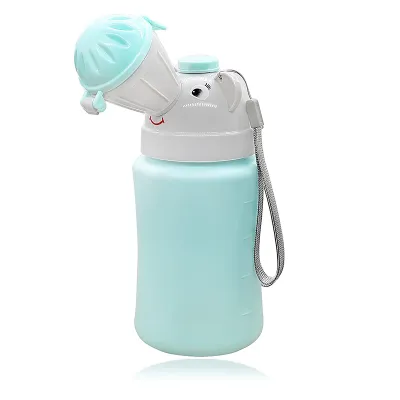
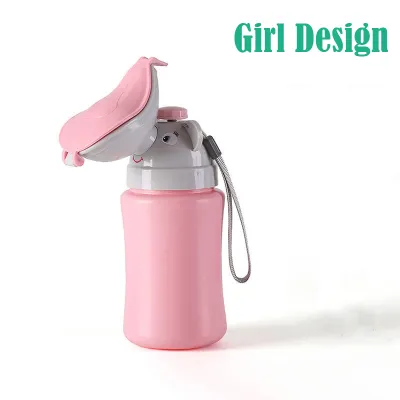
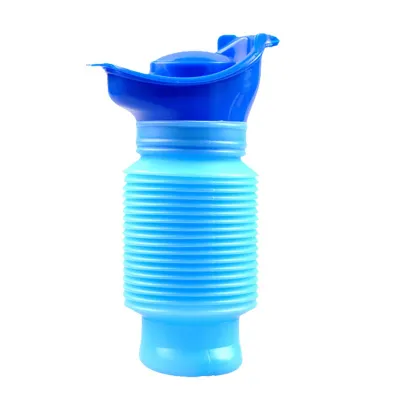
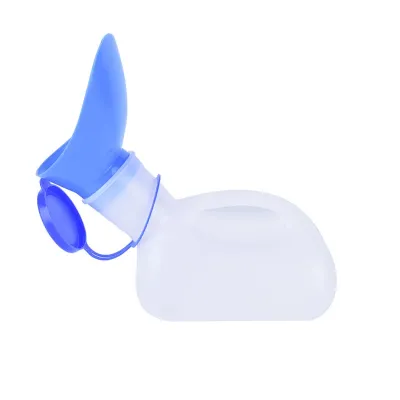
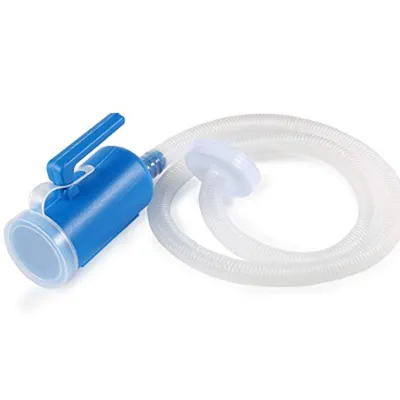
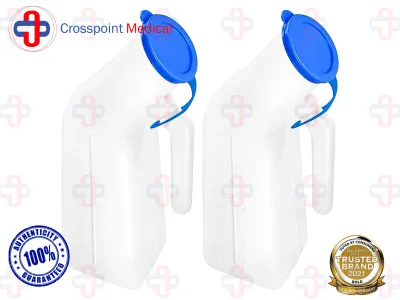
Prices are valid at publication and may change. Please refer to the product page for the latest price.
For outdoor activities like visiting public parks, spending a day at the beach, or navigating heavy city traffic jams, disposable urinal bags serve as the ultimate emergency backup. Lined with rapid-acting absorbent materials, they require zero cleanup and can be easily sealed and discarded. They are lightweight, highly hygienic, and require no access to running water.
Ultimately, your decision should align with your child’s physical size, their comfort level with different potty shapes, and your willingness to clean reusable gear while traveling.
Foldable Urinals: Stable Setup for Quick Mall Trips
Foldable urinals are engineered with a rigid, high-density plastic frame designed to withstand regular use. They typically feature legs, side panels, or handles that fold flat against the seat when stored and click securely into place when unfolded. This structural design mimics a standard home training potty, providing a familiar and reassuring seating area for toddlers who might otherwise feel anxious using adult-sized public facilities. Some models utilize disposable plastic liners that fit over the rim to collect waste, while others feature a removable, washable collection bowl.

This rigid design makes foldable units exceptionally well-suited for short family trips to busy shopping malls. In major metropolitan areas, mall restrooms are frequently crowded, resulting in long waiting times that a toilet-training toddler simply cannot endure. Furthermore, standard public stalls rarely feature low-height, child-friendly fixtures, forcing parents to hold their child precariously over an adult toilet seat. Setting up a foldable unit in a family lounge or a spacious diaper-changing room provides a clean, stress-free alternative.
The primary benefit of a hard-plastic foldable urinal is its physical stability. When unfolded on a flat floor, the wide base and locking legs greatly minimize the risk of the unit tipping over while your child is seated. This stability is particularly helpful for younger toddlers who are still developing their balance. Additionally, if you choose a model with a reusable collection bowl, the smooth plastic surface is incredibly easy to rinse and wipe down quickly in any restroom sink.
However, these units do come with distinct trade-offs, particularly regarding portability and maintenance. Even when folded as flat as possible, the rigid plastic structure remains relatively bulky and can take up significant space in a diaper bag or stroller basket. The hard plastic material can also feel cold and uninviting to a sensitive child. In a warm, humid tropical climate, any moisture or liquid residue trapped in the folding hinges or joints can rapidly encourage the growth of mold and mildew, necessitating meticulous cleaning and drying after every use.
Before purchasing a foldable model, caregivers must carefully verify the manufacturer’s specified weight limit and age recommendations to ensure safety. It is crucial to inspect the folding joints and locking mechanisms in person or via detailed product specifications. Ensure that the hinges lock firmly with a distinct click and do not wobble, as a faulty joint could collapse under your child’s weight, leading to painful pinches or messy spills.
Collapsible Silicone Urinals: Space-Saving for Road Trips
Collapsible silicone urinals represent a modern, highly flexible approach to on-the-go potty training. These devices are constructed from thick, flexible, food-grade or medical-grade silicone that features an accordion-style, ribbed body. This unique design allows the urinal to compress flat into a small, pocket-sized disc or a short cylinder when empty, and expand to its full capacity when pulled open. Most models are designed with a wide, contoured funnel at the top and are equipped with a secure, threaded screw-on lid or a heavy-duty plug to prevent any liquid from escaping.
This space-saving design makes collapsible silicone urinals the ideal companion for long provincial road trips or extended travel. When driving along major highways where clean gasoline station restrooms are miles apart, having a compact urinal stashed in your car’s glove compartment or seatback pocket is incredibly reassuring. It allows you to address your child’s sudden needs immediately inside the vehicle or on the side of the road without needing to search for an open establishment.
The standout advantage of silicone is its remarkable space efficiency, allowing you to pack light without sacrificing utility. The soft, flexible nature of the material is gentle against a child’s delicate skin, eliminating the cold, harsh feel of rigid plastics. Furthermore, high-quality silicone is highly durable; it will not crack, shatter, or dent if dropped on concrete or bounced around in a moving vehicle. The secure screw-on lids are exceptionally reliable at containing both liquids and unpleasant odors, providing peace of mind during bumpy drives.
Despite these benefits, the flexible nature of silicone introduces certain challenges. Because the accordion walls are designed to compress, the urinal can feel somewhat floppy or unstable if it is not placed on a perfectly flat surface during use. Caregivers must usually hold the device steady to prevent it from collapsing or tilting while the child is using it. Additionally, silicone is a slightly porous material, meaning it can absorb and retain stubborn odors if it is not washed thoroughly with a proper baby-safe detergent shortly after use.
When selecting a collapsible silicone model, parents must confirm that the product documentation explicitly certifies the material as BPA-free, non-toxic, and safe for skin contact. Pay close attention to the design of the lid’s sealing mechanism, checking for the presence of a silicone gasket or O-ring that ensures a completely airtight seal. It is also important to verify that the fully expanded height of the urinal is compatible with your child’s physical size, allowing them to stand or sit comfortably without spilling.
Disposable Urinal Bags: Hygienic Backups for Parks and Traffic
Disposable urinal bags offer a highly convenient, single-use solution designed for maximum hygiene and minimum hassle. These bags are manufactured from thick, puncture-resistant plastic and contain an inner lining made of superabsorbent polymer (SAP) pads or powder. The moment liquid comes into contact with the SAP, a rapid chemical reaction occurs, transforming the liquid into a thick, leak-proof, and virtually odorless gel within a matter of seconds. To make aiming easier and prevent spills, the top of the bag is fitted with a contoured, ergonomic ring made of rigid cardboard, foam, or plastic.
These single-use bags are the perfect emergency backup for outdoor park visits, beach trips, or severe urban traffic congestion. When you are visiting an open-air park where public restrooms are either non-existent or poorly maintained, finding a private spot to set up a reusable potty can be difficult. Similarly, when stuck in standstill traffic on major thoroughfares, leaving the vehicle is not an option. A disposable bag can be used discreetly inside the car and sealed immediately, resolving the emergency safely.
The primary benefit of disposable urinal bags is that they require absolutely zero cleanup or maintenance from the parent. Once your child has finished using the bag, the liquid is permanently locked away as a solid gel, allowing you to seal the adhesive strip or zip-lock closure without any fear of leaks or spills. They are incredibly lightweight, flat, and compact, meaning you can easily slip several of them into a diaper bag pocket, a purse, or your vehicle’s glove box without adding any noticeable weight or bulk.
However, the convenience of disposable options comes with clear drawbacks that parents must consider. Because they are designed for single-use, they represent an ongoing financial cost, as you must continuously purchase replacements. From an environmental standpoint, they contribute to plastic waste, making them less suitable as a primary, everyday potty training solution. They also require you to have access to a proper trash receptacle, as carrying a used, gel-filled bag around for long periods can be highly inconvenient.
When buying disposable urinal bags, always check the packaging to verify the maximum liquid absorption capacity, which is typically measured in milliliters (ml). While a typical toddler void ranges from 60 to 120 ml, choosing a bag rated for 600 ml or more ensures that it can handle multiple uses or larger volumes safely. Additionally, inspect the product descriptions to ensure the outer plastic film is thick and puncture-resistant, protecting your hands and belongings from accidental tears.
Side-by-Side Comparison and Pre-Purchase Checklist
To help you make an informed decision, it is helpful to compare these three portable urinal types side-by-side across their key functional dimensions. Each type excels in different environments, and understanding these differences will help you choose the best fit for your family’s lifestyle.
| Urinal Type | Storage Size | Setup Time | Cleanup Effort | Best Scenario | Reusability |
|---|---|---|---|---|---|
| Foldable Hard Plastic | Medium (Folds flat but remains rigid) | Quick (Unfolds and locks in seconds) | Low to Medium (Requires rinsing or liner disposal) | Shopping malls and indoor venues | Highly Reusable |
| Collapsible Silicone | Small (Compresses into a compact disc) | Moderate (Requires manual expansion) | Medium (Needs thorough washing and drying) | Long road trips and provincial travel | Highly Reusable |
| Disposable Bags | Extremely Small (Flat, paper-thin sheets) | Instant (Ready to use immediately) | None (Seal and throw away) | Parks, beaches, and heavy traffic | Single-Use Only |
Beyond the physical design, matching the urinal’s shape to your child’s gender and physical proportions is essential for a leak-free experience. Some portable urinals are designed specifically for boys, featuring a longer, angled spout, while others are contoured for girls with a wider, ergonomic cup. Unisex models are also widely available and often feature a versatile, flat seat or a broad funnel. Ensure that the opening of the urinal fits your child comfortably and securely to prevent leaks and build their confidence during use.
Maintaining proper hygiene is critical to extending the life of your reusable urinal and protecting your child’s health, particularly in hot and humid tropical climates. After each use, empty the contents into a flush toilet as soon as possible. Wash the device thoroughly with mild, baby-safe soap and warm water, paying close attention to any creases, hinges, or threads where bacteria can hide. Allow the urinal to air-dry completely in a well-ventilated area before folding or collapsing it for storage; packing away a damp urinal will inevitably lead to mold growth and unpleasant odors. If you are using a silicone model, consult the manufacturer’s care instructions to see if it can be sanitized in boiling water or a steam sterilizer.
Safety must always be your top priority when using any portable toilet gear. Caregivers must provide constant, active supervision while the child is using the urinal to prevent slips, falls, or accidental pinches from folding parts. Never place a rigid or foldable urinal on uneven, sloping, or unstable ground such as loose gravel, sand, or thick grass, as the unit can easily tip over. If your child shows any signs of skin irritation, redness, or discomfort after using a portable urinal, discontinue its use immediately and consult a qualified pediatrician or healthcare professional.
Frequently Asked Questions (FAQ)
At what age should I start using a portable urinal for my toddler?
Introducing a portable urinal should be based on your child’s individual developmental milestones rather than a strict chronological age. Most toddlers begin showing signs of potty training readiness between 18 and 24 months, though some may start closer to three years old. Look for indicators such as your child communicating their physical needs, staying dry for consecutive hours, or showing interest in using the toilet. Before purchasing any portable urinal, always check the manufacturer’s documentation for specific age, height, and weight limits to ensure the product is safe and physically appropriate for your growing toddler.
How do I clean a silicone urinal while on a road trip?
Cleaning a reusable silicone urinal while traveling requires a few simple, practical steps to maintain hygiene when running water is scarce. First, empty the liquid contents into a public toilet or a designated disposal area at your next stop. Next, rinse the inside of the silicone chamber thoroughly using clean bottled water. Wipe down the funnel rim and the exterior surfaces with a travel-sized, baby-safe sanitizing wipe or a gentle antibacterial spray. Let the device air-dry completely in your vehicle before collapsing it down for storage, as trapping moisture inside the folded silicone can encourage the growth of odor-causing bacteria.
Can I flush disposable urinal bags down the toilet?
No, you must never attempt to flush disposable urinal bags or their gelled contents down any toilet. The superabsorbent polymer (SAP) pads inside these bags are engineered to absorb massive amounts of liquid and expand into a thick, solid gel. If flushed, this gel will continue to expand inside your plumbing system, leading to severe, immediate blockages in your toilet pipes, sewer lines, or septic tanks. Once your child has finished using a disposable urinal bag, seal the adhesive closure or zip-lock tightly, place it inside a small trash bag if desired, and dispose of it in a standard outdoor or public waste bin.
Community discussion
Share your experience or ask a question. Comments are reviewed before publication.