
Taking your baby out for a breath of fresh air, a family picnic, or a trip to a local shopping mall is a wonderful way to support their sensory development and enjoy quality time together. However, finding a clean, safe, and comfortable spot for your little one to practice tummy time, roll around, or play while on the go can be a challenge. In the tropical climate of the Philippines, where outdoor humidity is high and indoor spaces are heavily air-conditioned, a reliable portable play mat becomes an essential piece of baby gear.
The ideal portable play mat for local outings must balance cushioning, weather resistance, and ease of transport. It needs to protect your baby from damp grass, hot outdoor surfaces, or cold, hard tiled floors, while remaining compact enough to fold or roll into your stroller basket or diaper bag. By understanding the specific materials and designs that suit different environments, you can ensure your baby enjoys a clean and supportive play space wherever your family adventures take you.
What to Look for in a Portable Play Mat for Local Outings
Selecting the right portable play mat requires a clear understanding of how different designs and materials perform under local conditions. Because you will be transporting, deploying, and cleaning the mat frequently, focusing on key structural features will help you find a model that fits seamlessly into your active lifestyle.
Products mentioned in this guide
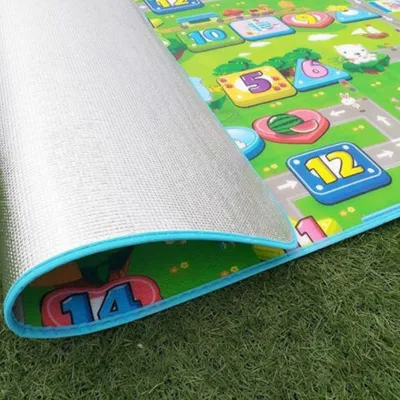
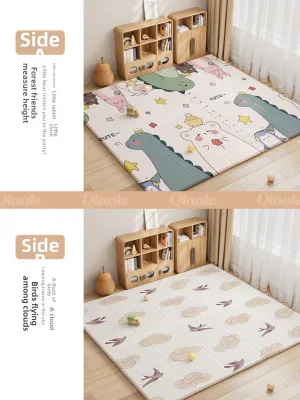
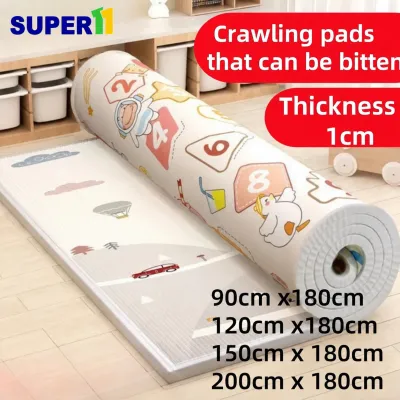
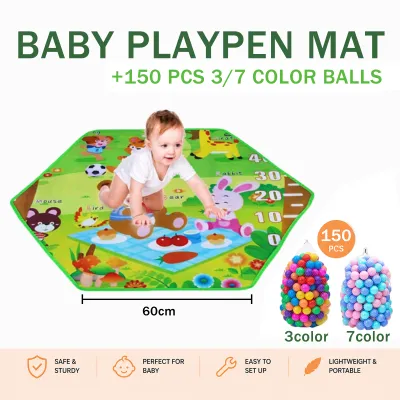
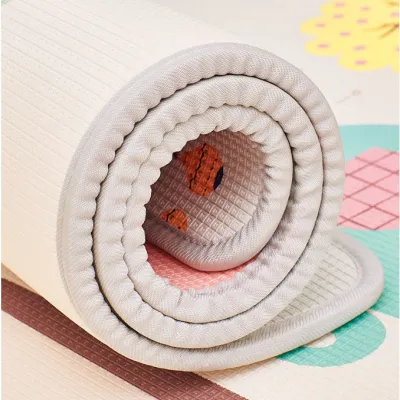
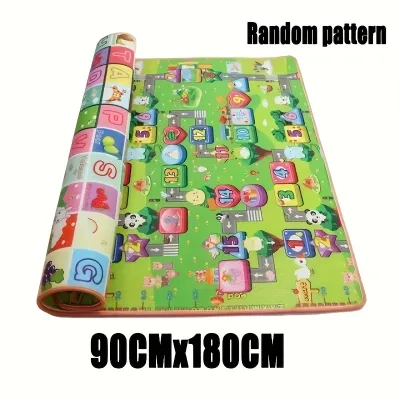
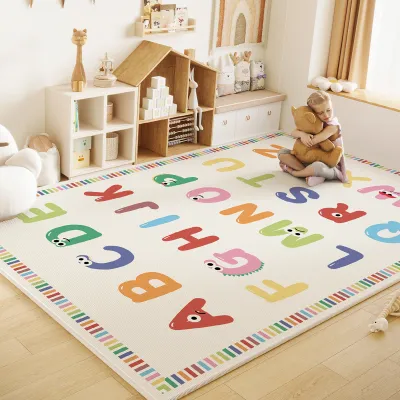
Prices are valid at publication and may change. Please refer to the product page for the latest price.
Portability and Carrying Mechanism
When evaluating portability, the choice generally comes down to folding designs versus roll-up styles. Folding mats typically feature pre-creased sections that collapse into a neat accordion shape, making them highly structured and easy to slide into a car trunk or flat stroller basket. Roll-up mats, on the other hand, offer a seamless surface without creases, rolling into a cylindrical shape that often fits well into dedicated travel bags or clips onto the outside of a backpack.
Regardless of the folding style, look for mats that feature built-in carrying handles, integrated shoulder straps, or a dedicated travel bag. These features are incredibly useful when you are balancing a diaper bag, a stroller, and your baby at the same time. A lightweight design that allows for hands-free carrying can significantly reduce stress during transitions from the car to your picnic spot.
Material and Weather Resistance
In the Philippines, outdoor environments present unique challenges like sudden tropical rain showers, damp grass, and high humidity. Choosing a mat with high weather resistance is crucial for outdoor usability. Materials like Thermoplastic Polyurethane (TPU) or coated Cross-linked Polyethylene (XPE) foam are excellent choices because they provide a completely waterproof or highly water-resistant barrier that prevents ground moisture from seeping through to your baby.
Additionally, a wipe-clean surface is essential for quick hygiene maintenance on the go. Whether you are dealing with spilled milk, drool, or mud from the park, you should be able to restore a clean surface instantly with a simple baby wipe or a damp cloth. Avoid untreated fabric surfaces for outdoor use, as they can absorb liquids and harbor bacteria in warm, humid conditions.
Thickness and Cushioning
Balancing comfort and portability is one of the most important decisions you will make. Thicker mats, generally measuring 1 centimeter or more, provide excellent shock absorption and thermal insulation, making them ideal for hard surfaces like polished mall floors, concrete patios, or uneven park ground. However, this extra cushioning comes at the cost of added bulk and weight when packed.
Thinner mats, often measuring around 0.5 centimeters or less, prioritize ultra-lightweight travel and compact storage. While they are incredibly easy to pack into a diaper bag, they offer minimal impact protection. When deciding on thickness, consider your baby’s developmental stage; younger infants practicing tummy time benefit from a bit more cushioning, whereas older, more stable crawlers may only need a thin, clean barrier.
Size and Growth Accommodation
An effective portable play mat must provide enough space for your baby to move naturally without being overly bulky when folded. A mat that is too small will quickly limit your baby’s movement as they begin to roll or crawl, forcing you to constantly reposition them to keep them off the bare ground. Conversely, an oversized mat can be difficult to deploy in tight public spaces like crowded cafes or narrow airport terminals.
To find the right balance, look for a mat that offers a generous play area when fully expanded but folds down to a fraction of its size. Many modern folding mats allow you to partially unfold them, giving you the flexibility to customize the footprint based on the available floor space in your immediate environment.
Top Portable Play Mats for Every Baby Outing Scenario
Different outings call for different gear configurations. To help you make the best decision for your family, we have categorized the top portable play mat styles based on the specific environments and activities you are most likely to encounter.

Best for Park Picnics and Grass: Thick, Water-Resistant Foam Mats
For weekend picnics in local parks, beachside resorts, or outdoor family gatherings, your primary concern is protecting your baby from damp ground, insects, and uneven terrain. A thick, high-density foam mat serves as an excellent physical and thermal barrier under these conditions.
- Recommended Features: Look for mats made from high-density XPE or EVA foam with a fully waterproof, wipeable top layer and a textured, non-slip bottom. An ideal thickness of 1cm to 1.5cm provides comfortable cushioning over twigs, small stones, and hard-packed soil.
- Best Use Cases: Perfect for extended outdoor stays, such as afternoon picnics at public parks, garden visits, or beach trips where you need a stable, insulated station for your baby to play and rest.
- Limitations: These mats are naturally heavier and bulkier than their thinner counterparts. Even when folded, they may not fit into a standard diaper bag, requiring you to carry them separately or store them in a car trunk.
- Pre-Purchase Checks: Always verify the product label to ensure the mat is certified non-toxic, BPA-free, and phthalate-free. Check that the folding creases are reinforced with durable material to prevent tearing from repeated outdoor use.
Best for Mall Hopping and Indoor Cafes: Lightweight, Foldable Mats
When navigating air-conditioned shopping malls, indoor play areas, or family restaurants, you do not need heavy outdoor insulation. Instead, your main goal is to provide a clean, hygienic barrier over cold, hard, and highly trafficked indoor floors.
- Recommended Features: Opt for thin foam mats (around 0.5cm) or padded, water-resistant fabric mats that fold down into a highly compact square. A built-in carrying handle or a slim profile that fits directly into your stroller's under-seat basket is highly desirable.
- Best Use Cases: Ideal for quick indoor setups, visiting relatives, dining out, or any scenario where floor space is limited and you need to deploy and pack up the mat in under a minute.
- Limitations: Because these mats prioritize a slim profile, they offer limited impact protection. If your baby is still learning to sit up and frequently falls backward, you will need to provide close supervision to prevent bumps on hard tile floors.
- Pre-Purchase Checks: Measure your stroller's storage basket and compare it to the folded dimensions of the mat before purchasing. Additionally, look for mats with textured patterns on the bottom to prevent the mat from sliding on polished indoor tiles.
Best for Travel and Flights: Ultra-Compact, Roll-Up Multi-Use Mats
For long-distance travel, domestic flights, or road trips where luggage space is strictly limited, you need a play mat that takes up virtually no space while still offering a clean surface for your baby.
- Recommended Features: Seek ultra-thin, highly flexible mats made of padded nylon, polyester, or thin PE foam that roll up tightly into a compact cylinder. Many of these designs feature integrated straps and can double as oversized changing pads in public restrooms.
- Best Use Cases: Excellent for airplane cabins, hotel room floors, transit lounges, or keeping permanently in your car glove box or trunk for unexpected stops.
- Limitations: These mats provide almost no cushioning against hard floors, serving primarily as a hygienic shield rather than a protective play surface. They also tend to have a smaller overall footprint to keep them travel-friendly.
- Pre-Purchase Checks: Ensure the rolling mechanism includes a secure Velcro strap or a durable elastic band to keep the mat tightly compressed. Verify that the material is machine washable or can be easily sanitized with standard baby-safe disinfectant wipes.
Quick Comparison of Recommended Play Mat Features
To help you quickly match your primary outing style with the right product specifications, use this summary of the recommended portable play mat categories:
| Outing Scenario | Ideal Material/Structure | Key Advantage | Main Limitation | Best For |
|---|---|---|---|---|
| Park Picnics & Grass | High-density XPE/EVA foam (1cm–1.5cm) | Excellent cushioning and ground moisture protection | Bulkier and heavier to carry | Grassy parks, beach resorts, and outdoor gardens |
| Mall Hopping & Cafes | Thin foldable foam or padded fabric (0.5cm) | Highly compact and easy to store in strollers | Less impact protection on hard floors | Shopping malls, indoor cafes, and visiting relatives |
| Travel & Flights | Ultra-thin roll-up nylon or PE | Extremely lightweight and fits inside diaper bags | Minimal cushioning; serves mainly as a hygienic barrier | Airplanes, hotels, and road trip rest stops |
How to Clean and Store Play Mats in a Humid Climate
The tropical climate of the Philippines, characterized by high humidity and warm temperatures, requires careful maintenance of baby gear. Failing to clean and dry your play mat properly can quickly lead to the growth of mold, mildew, and unpleasant odors, which can compromise your baby’s health.
Daily and Post-Outing Cleaning
Immediately after returning from an outing, make it a habit to wipe down both sides of the play mat. Use a clean, damp cloth and a mild, baby-safe dish soap or a specialized baby bottle and toy cleanser. Avoid using harsh household chemicals, bleach, or highly concentrated alcohol sprays, as these can degrade the waterproof coatings and break down the foam structure over time.
If you used the mat outdoors on grass or soil, pay special attention to the bottom layer. Dirt, moisture, and small insects can easily cling to textured, non-slip surfaces. A thorough wipe-down ensures you do not bring outdoor contaminants into your home or storage areas.
Crucial Drying Steps
Never fold or roll up a play mat while it is still damp. Trapping moisture inside the folds of a synthetic or foam mat is the primary cause of mold and mildew growth in humid environments. Once mold takes root in the porous sections or creases of a mat, it can be incredibly difficult to remove completely.
After cleaning, hang the mat or lay it flat in a well-ventilated, shaded indoor area or a covered balcony. Allow both sides to air-dry completely before packing it away. If the mat has deep folding creases, gently open them up during the drying process to ensure no pockets of moisture remain trapped.
Sunlight and Heat Warnings
While it may be tempting to leave your wet play mat under the direct, harsh afternoon sun to dry quickly, this can cause permanent damage. High UV exposure and extreme heat can cause foam materials like XPE and EVA to warp, crack, shrink, or lose their cushioning properties. It can also cause synthetic fabrics to fade and degrade.
Similarly, avoid leaving your play mat inside a hot, parked car for extended periods. The temperature inside a vehicle parked under the sun can easily exceed safe limits, leading to material deformation or the off-gassing of synthetic materials. Always store your gear in a temperature-controlled environment when not in use.
Storage Best Practices
Store your fully dried play mat in a cool, dry, and well-ventilated space inside your home, away from direct sunlight and damp walls. If your mat came with a storage bag, ensure the bag itself is clean and dry. If you are using a plastic or synthetic storage sleeve, consider leaving it slightly unzipped or open at the top to allow air to circulate freely.
Before using a stored mat after a long period of inactivity, always perform a quick visual and smell check. If you notice any musty odors, dark spots, or sticky residues, clean and dry the mat thoroughly before allowing your baby to play on it. Always prioritize your baby’s health and safety by inspecting their play surfaces regularly.
Frequently Asked Questions (FAQ)
Can I use a regular indoor play mat for outdoor outings?
Standard indoor play mats are generally not designed to withstand outdoor conditions. Many indoor mats, especially those made of woven fabrics, plush rugs, or non-sealed foam tiles, lack a waterproof backing. When placed on grass or soil, they can easily absorb moisture, dirt, and bacteria from the ground, which can ruin the mat and expose your baby to dampness.
While you can occasionally use a clean indoor mat on dry, paved outdoor surfaces, it is highly recommended to use a dedicated portable mat with a sealed, waterproof bottom layer for parks and grass. This ensures your baby stays dry and makes cleanup much easier.
Are foam play mats safe for babies who are teething and chewing?
High-quality, reputable foam play mats made from materials like XPE or TPU are generally non-toxic and free from harmful chemicals. However, no play mat is designed to be used as a teething toy. Active caregiver supervision is always required when your baby is on the mat.
If your baby is in a teething phase and attempts to bite or chew on the edges or creases of the mat, gently redirect them by offering a dedicated, food-grade silicone teething toy. Inspect the mat regularly for any signs of damage, punctures, or loose foam pieces, as ingesting foam presents a serious choking hazard. Stop using the mat immediately if the material begins to peel or tear.
How do I prevent a portable play mat from slipping on smooth floors?
Lightweight portable mats can easily slide on highly polished surfaces like marble, granite, or ceramic tiles, which are common in local homes and shopping malls. To prevent slipping, look for mats that feature built-in anti-slip textures, rubberized backing, or silicone grip dots on the bottom layer.
If you already own a mat that slides easily, you can place a separate, cut-to-size non-slip rug pad underneath it when using it indoors. Alternatively, you can secure the corners of the mat by placing it against a heavy diaper bag, a stroller wheel lock, or a piece of furniture to keep it stable during active play.
Community discussion
Share your experience or ask a question. Comments are reviewed before publication.