
When traveling with an infant in the Philippines—whether you are navigating a busy afternoon at a local mall, visiting relatives for a weekend gathering, or embarking on a long road trip to the province—maintaining proper feeding hygiene is a constant priority. The combination of high tropical temperatures and intense humidity creates an environment where bacteria can multiply rapidly on damp surfaces. A dedicated, portable baby bottle storage organizer is not simply a convenient accessory; it is an essential tool for safeguarding your child’s health. By keeping sterilized bottles, nipples, and feeding accessories isolated from the rest of your diaper bag, these specialized organizers ensure that every feed remains clean, dry, and safe.
For parents on the go, managing multiple bottles, formula dispensers, and breast pump parts can quickly become overwhelming. Throwing these items loosely into a standard backpack increases the risk of contamination from keys, wallets, or loose change. A well-designed portable organizer provides structure, keeping everything in its designated place and reducing the stress of searching for a clean nipple or collar when your baby is hungry. Investing in the right storage solution allows you to maintain your feeding routine seamlessly, no matter where your travels take you.
Key Features to Look for in a Portable Bottle Organizer
Insulation and Temperature Control
In a tropical climate where temperatures frequently exceed 30°C, temperature control is the most critical factor for milk safety. Expressed breast milk and prepared formula are highly perishable and can spoil quickly if left in ambient heat. When selecting an organizer, look for thick, high-density thermal insulation layers, typically made of closed-cell foam, paired with a reflective foil lining. It is also important to choose a bag that features dedicated compartments or mesh pockets designed to hold gel ice packs securely. This setup helps maintain a consistently cool internal temperature, slowing down bacterial growth and preserving the nutritional quality of the milk during transit.
Products mentioned in this guide
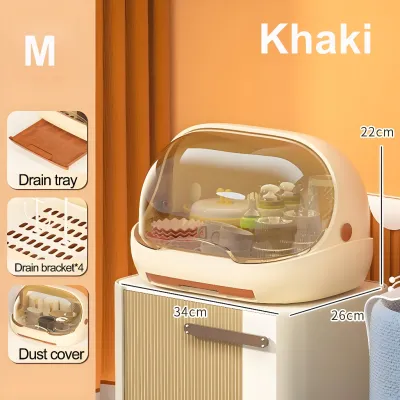
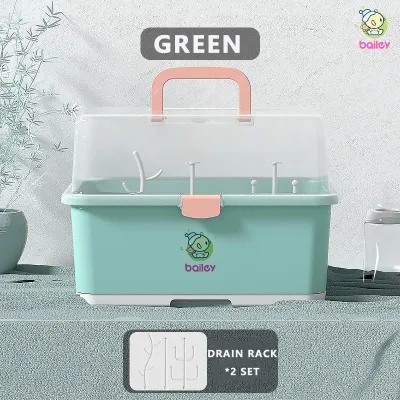
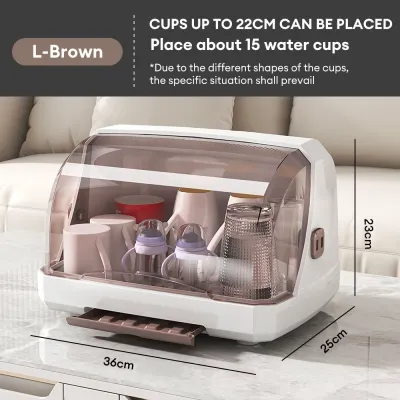
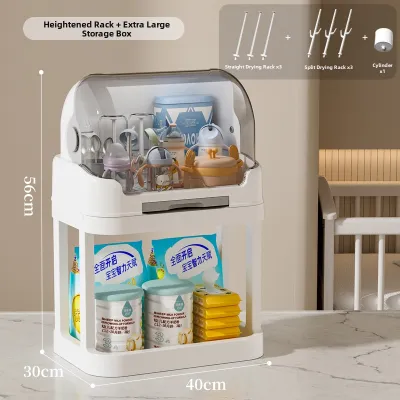
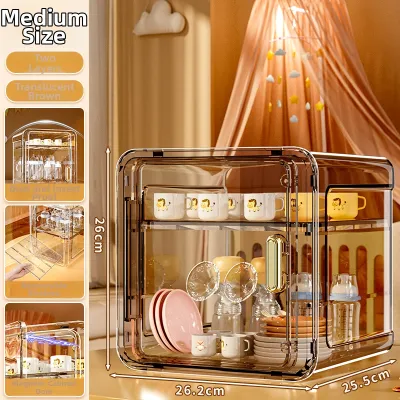
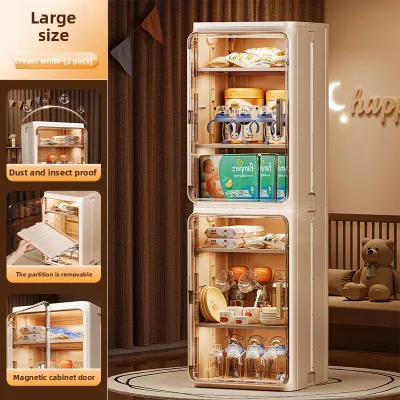
Prices are valid at publication and may change. Please refer to the product page for the latest price.
Hygiene and Material Safety
Because the contents of the organizer will go directly into your baby’s mouth, the safety of the materials is paramount. Always verify that the interior lining is made of food-grade, non-toxic materials that are certified BPA-free, phthalate-free, and lead-free. Given the humid conditions in the Philippines, mold and mildew can develop rapidly in damp, dark spaces. To combat this, prioritize water-resistant, non-porous interior fabrics like PEVA or heavy-duty TPU. These materials do not absorb moisture, resist stains, and can be wiped clean and sanitized in seconds, ensuring a hygienic environment for your baby’s bottles.
Capacity vs. Compactness
Finding the right balance between storage capacity and physical size is essential for comfortable travel. A bag that is too small will force you to leave crucial accessories behind, while an overly bulky organizer will become a hassle to carry alongside your stroller and diaper bag. For most day trips, an organizer that comfortably accommodates two to four standard or wide-neck bottles, along with a few small accessories like pacifiers or a formula dispenser, is the ideal size. Consider your baby’s daily feeding frequency and the typical duration of your outings to determine the capacity that best fits your lifestyle.
Leak-Proof and Spill-Proof Design
Spills and leaks can quickly ruin a day trip, especially if milk seeps into the other compartments of your diaper bag or stains your belongings. Look for organizers that feature heat-sealed, leak-proof interior seams rather than stitched seams, which can allow liquids to pass through. Robust, water-resistant zippers are also crucial for keeping external dust, dirt, and rainwater out of the clean bottle compartment. Additionally, choosing a bag with structured, upright bottle slots or elastic security straps will help prevent bottles from tipping over during transit.
Matching Organizer Types to Your Travel Scenarios
Insulated Cooler Bags for Long Trips and Outdoor Travel
For long road trips, flights, or extended outdoor excursions where you will be away from refrigeration for several hours, a high-performance insulated cooler bag is indispensable. These bags are specifically engineered for maximum thermal retention, featuring thick insulation layers and durable, water-resistant outer fabrics like high-denier polyester or nylon. They are designed to withstand rugged transit and protect their contents from external heat.

While these cooler bags tend to have a slightly bulkier profile and weigh more than standard totes, they offer the highest level of temperature control. They are ideal for working mothers who need to transport expressed breast milk safely over long commutes or for families traveling between provinces. When using these bags, always ensure you pack sufficient frozen gel ice packs to maintain the cold chain, and verify the manufacturer’s guidelines regarding maximum cooling duration.
Hard-Shell Cases for Maximum Protection and Hygiene
If your travel style involves crowded public transport, tightly packed luggage, or active outdoor movement, a hard-shell bottle organizer offers superior physical protection. These cases are constructed with rigid EVA foam or molded plastic exteriors that shield delicate silicone nipples, glass bottles, and plastic collars from being crushed or deformed under pressure. Inside, they typically feature molded compartments or elastic straps that keep each bottle firmly in an upright position.
Beyond physical protection, hard-shell cases are exceptionally easy to sanitize. Their non-porous, smooth surfaces do not absorb liquids or odors, allowing you to quickly wipe them down with a disinfectant wipe or wash them thoroughly with soapy water. This makes them a highly hygienic option for environments where clean water and sanitation facilities might be limited. The trade-off is a fixed, non-flexible shape that cannot be compressed to save space in a larger bag.
Multi-Compartment Totes for Day Visits and Relative Trips
For shorter outings, such as a Sunday family lunch, a routine clinic visit, or a quick trip to the grocery store, a lightweight multi-compartment tote is often the most practical choice. These organizers focus on versatility and quick access, featuring a variety of pockets, elastic loops, and sometimes adjustable modular dividers. This design allows you to pack bottles alongside dry accessories like burp cloths, pacifiers, baby wipes, and small toys.
These totes are typically made of soft, flexible fabrics that can easily be compressed or slipped into a larger diaper bag. Many models come with convenient carrying handles or detachable shoulder straps, allowing them to function as standalone bags. While they may not offer the heavy-duty insulation of a dedicated cooler bag, their adaptability makes them incredibly convenient for daily errands where quick organization is your primary goal.
Hygiene and Packing Tips for Safe Travel Feeding
Pre-packing Preparation
Before placing any feeding equipment into your portable organizer, ensure that all bottles, nipples, collars, and caps have been thoroughly washed, sterilized, and completely dried. Packing damp items inside a closed, warm bag creates a prime breeding ground for bacteria and mold, particularly in high-humidity climates. Use a clean, dedicated bottle-drying rack in a well-ventilated area, or dry the items with a clean paper towel before packing. Always wash your hands thoroughly with soap and water before handling sterilized feeding gear.
Temperature Management
When storing expressed breast milk or prepared formula, place frozen gel ice packs directly adjacent to the bottles inside the insulated compartment. To ensure even cooling, position one ice pack at the bottom and another along the side or top of the bottles. Always check the temperature of the milk before feeding your baby. As a strict safety boundary, consult your pediatrician or a qualified lactation specialist for specific guidelines on safe milk storage times, and discard any milk or formula that has been left at room temperature or inside an uncooled bag beyond the recommended safe limit.
Cleaning the Organizer
Regular maintenance is vital to keep your organizer sanitary and free from unpleasant odors. After every trip, empty the bag completely and wipe down the interior lining with a clean cloth dampened with warm water and a mild, baby-safe dish soap. Avoid using harsh chemical bleach or abrasive scrubbers that could damage the water-resistant lining. Once wiped clean, leave the organizer fully unzipped and open to air-dry in a well-ventilated, shaded space. Never store a damp organizer in a dark closet or drawer, as this can encourage mold growth.
Leak Prevention
To minimize the risk of messy spills during transit, always double-check that bottle caps are screwed on straight and tight. For extra security, consider using travel sealing discs inside the bottle collars to block the nipple flow entirely until you are ready to feed. Keep the organizer upright whenever possible, especially when walking or navigating uneven terrain. If a leak does occur, wipe it up immediately to prevent the liquid from soaking into the seams or insulation layers.
Can One Organizer Work for Every Trip?
Finding a single organizer that handles every travel scenario is highly desirable for many parents. To achieve this, look for versatile, hybrid designs that offer a balance of features. An ideal all-in-one option might be a medium-sized insulated tote with removable modular dividers and an adjustable shoulder strap. This allows you to use the full insulated space for milk storage on longer journeys, or reconfigure the interior to hold a mix of bottles and dry accessories for short afternoon visits.
However, your final decision should depend on your most frequent travel habits. If you rarely take long trips and mostly visit nearby relatives, a lightweight multi-compartment tote will serve you best. Conversely, if you are a working mother commuting with expressed milk daily, investing in a high-performance insulated cooler bag is a necessity. Assessing your daily routine will help you choose a practical solution without over-purchasing unnecessary gear.
Frequently Asked Questions (FAQ)
Can I put freshly boiled water in a bottle inside the organizer?
No, it is not recommended to seal freshly boiled water in a bottle inside a closed organizer. The extreme heat can cause pressure to build up within the bottle, leading to leaks, warped plastic, or accidental burns when opening the bag. Instead, allow the water to cool to a safe, warm preparation temperature before packing, or carry hot water separately in a dedicated, vacuum-insulated stainless steel thermos designed to handle high temperatures and pressure safely.
How do I clean a bottle organizer that isn't machine washable?
To clean a non-washable organizer, start by shaking out any loose crumbs or debris. Dampen a soft cloth or sponge with warm water and a small amount of mild, baby-safe dish soap. Gently wipe down all interior and exterior surfaces, paying close attention to seams and corners where residue can accumulate. Wipe away any soap residue with a clean, damp cloth. Finally, prop the bag wide open in a well-ventilated, shaded area to air-dry completely before its next use.
Community discussion
Share your experience or ask a question. Comments are reviewed before publication.