
Quick Answer: What to Look for in a Newborn Pacifier
Finding the right pacifier for a newborn can feel overwhelming given the dizzying array of shapes, sizes, and materials lining store shelves. The most effective pacifier is ultimately the one your baby naturally latches onto and accepts, but your primary job as a caregiver is to ensure that choice is structurally safe. For a newborn, this means selecting a pacifier specifically sized for their developmental stage, constructed from a single solid piece of material, and designed with a well-ventilated shield. Before purchasing any pacifier from a local baby boutique or an online marketplace, always verify the manufacturer’s age grading on the packaging to guarantee it is appropriate for a baby’s first weeks of life.
Non-Negotiable Safety and Design Features
When evaluating baby pacifiers, safety must take precedence over aesthetic designs or cute colors. The physical dimensions of a newborn’s mouth and airway are incredibly delicate, meaning that standard pacifiers designed for older infants can pose immediate hazards.

Size and Age Grading: Pacifiers are categorized by age brackets, typically starting with a 0-3 months or “newborn” designation. Using a pacifier that matches this age group is critical because the nipple length, thickness, and shield size are calibrated for a newborn’s small oral cavity. If a nipple is too long or thick, it can gag the baby, interfere with their natural suck-swallow-breathe coordination, or press inappropriately against their developing palate. Conversely, if you use a pacifier with a shield that is too small, the baby could potentially draw the entire shield into their mouth, creating an immediate airway obstruction. Always consult the specific product documentation to verify the exact age and weight recommendations, and never assume suitability based solely on visual size.
Products mentioned in this guide
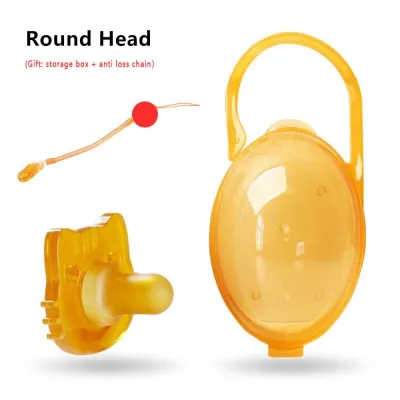
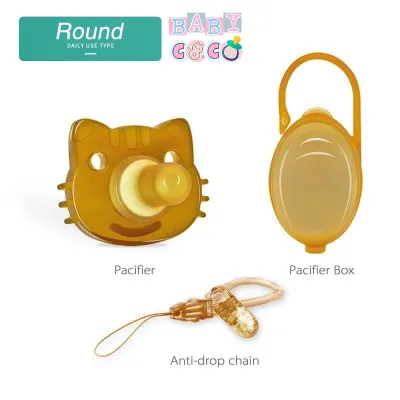
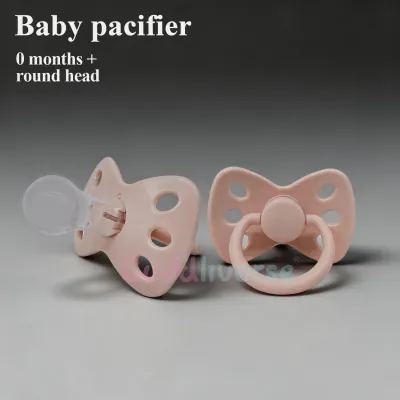
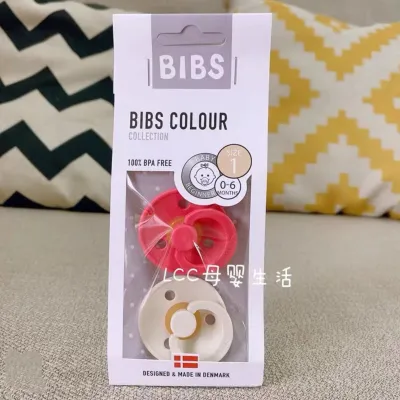
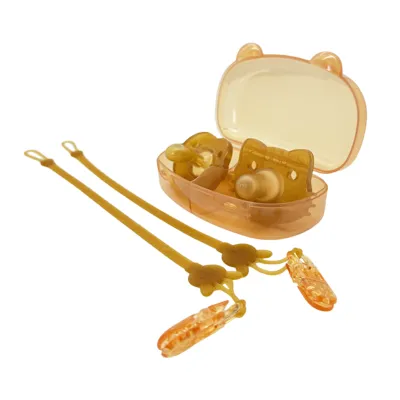
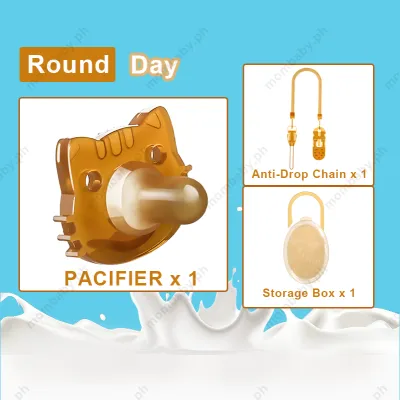
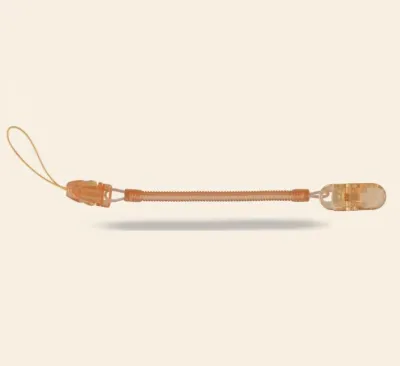
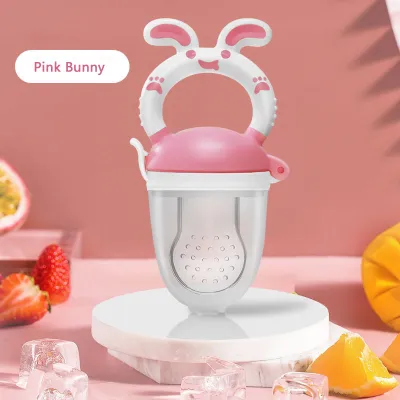
Prices are valid at publication and may change. Please refer to the product page for the latest price.
Shield Design and Ventilation: The shield is the plastic or silicone barrier that prevents the nipple from being swallowed. For a newborn, the shield should feature a curved contour that mimics the natural slope of the baby’s face, ensuring it does not press against their nose and obstruct breathing. Crucially, the shield must contain large ventilation holes. In warm, humid environments, saliva quickly pools behind a solid shield, trapping moisture against the baby’s sensitive skin. This constant wetness can lead to painful drool rashes, yeast infections, or contact dermatitis. Ventilation holes allow air to circulate freely, keeping the delicate skin around the mouth dry and healthy.
One-Piece Construction: Pediatric safety experts strongly advocate for one-piece pacifiers, which are molded entirely from a single continuous piece of silicone or latex. Multi-piece pacifiers—which feature a separate nipple, shield, and plastic ring or decorative cap glued or snapped together—pose a significant risk. Over time, the structural integrity of these joints can degrade due to frequent washing, sterilization, and suction. If a joint fails, small plastic parts or the nipple itself can detach, presenting a severe choking hazard. A one-piece design eliminates this point of failure entirely, ensuring that no parts can break off during use.
Label Verification: Before finalizing any purchase, turn the packaging over to inspect the safety and material certifications. Ensure the product is explicitly labeled as BPA-free (bisphenol A) and phthalate-free, as these chemical compounds can leach into the baby’s system during prolonged sucking. Because safety standards and certifications are dynamic and subject to change, parents should actively verify that the brand complies with current consumer safety regulations. If the packaging lacks clear material disclosures or manufacturer contact details, it is best to avoid the product entirely.
Best Pacifier Shapes for Newborns: Orthodontic vs. Classic
A baby’s sucking reflex is a vital survival mechanism, but the way a pacifier interacts with their mouth can influence their oral development and comfort. Manufacturers design nipples in several distinct shapes, each interacting differently with the tongue, palate, and jaw. Understanding these structural differences allows you to make an informed choice based on your newborn’s feeding patterns and latching preferences.
Orthodontic Pacifiers
Orthodontic pacifiers are specifically engineered to support the natural development of a baby’s jaw and palate. Unlike traditional round nipples, an orthodontic nipple features a distinct asymmetrical profile: it is flat on the bottom and gently rounded on the top. This shape is designed to mimic the way a mother’s nipple flattens and conforms inside the baby’s mouth during active breastfeeding. By accommodating the natural tongue movement, the flat bottom reduces the upward pressure on the hard palate, which helps prevent dental alignment issues later in infancy.
Because of their asymmetrical design, orthodontic pacifiers must be inserted into the baby’s mouth in a specific direction, with the flat side facing down against the tongue. If the pacifier is inserted upside down, it can exert improper pressure on the palate and defeat the orthodontic benefits. Parents should carefully check the manufacturer’s age-suitability guidelines on the packaging, as the size of the orthodontic bulb must grow in proportion to the baby’s mouth. If you notice any unusual changes in your baby’s latch or have concerns about their oral development, temporarily discontinue use and consult a pediatrician or pediatric dentist for professional guidance.
Cherry or Classic Round Pacifiers
Cherry or classic round pacifiers feature a symmetrical, bulbous nipple that widens at the tip, closely resembling the traditional shape that has been used for generations. Many newborns instinctively accept this shape because it provides a familiar, uniform surface for their tongue to cup around. The round shape mimics a relaxed breast nipple before feeding, making it a highly intuitive option for babies who are still mastering their sucking reflex.
A major practical benefit of the classic round pacifier is its perfect symmetry. Because the nipple is identical on all sides, there is no “correct” orientation; it can be inserted into the baby’s mouth in any direction. This makes it incredibly convenient for parents during late-night soothing sessions in a dark room or when trying to calm a highly fussy, squirming baby. However, because the round bulb occupies more vertical space in the oral cavity, parents must closely monitor the baby’s latch. If you are breastfeeding, ensure that the use of a round pacifier does not alter how the baby latches onto the breast, and seek guidance from a lactation consultant if you observe any feeding difficulties.
Symmetrical Pacifiers
Symmetrical pacifiers represent a modern hybrid design, featuring a nipple that is flattened on both the top and the bottom. This reversible shape is engineered to sit comfortably and anatomically correct in the baby’s mouth, regardless of which way it is flipped. It provides a compromise between the palate-supporting benefits of an orthodontic design and the ease of use associated with a classic round nipple.
This design is exceptionally practical for newborns who are beginning to develop self-soothing behaviors but frequently drop, spin, or reposition the pacifier in their sleep. If the baby spits the pacifier out and manages to pull it back in, the symmetrical shape ensures it will never be upside down, minimizing the risk of improper pressure on the gums. When selecting a symmetrical pacifier, always check the manufacturer’s recommended age range, as a nipple that is too wide or flat can feel foreign to a newborn who is accustomed to a rounder breast or bottle nipple. Introducing this shape may require a brief adjustment period as your baby learns how to position their tongue around the flatter profile.
Silicone vs. Latex: Choosing the Right Material
The material of the pacifier nipple directly affects its durability, texture, flexibility, and hygiene. The two primary materials used in newborn pacifiers are silicone and latex, and each comes with distinct trade-offs that parents must consider, especially when living in warm, humid climates.
Silicone: Silicone is a clear, synthetic material that is highly favored for its structural stability and hygienic properties. It is firm, retains its shape exceptionally well over time, and is highly resistant to heat, making it incredibly easy to sterilize through boiling or steam. Because silicone is non-porous, it does not absorb moisture, odors, or bacteria, which is a massive advantage in tropical regions where high humidity can accelerate microbial growth. Silicone pacifiers are highly durable and do not degrade easily when exposed to sunlight or frequent washing.
Latex: Latex is a natural rubber material that is easily recognized by its golden-brown color and soft, highly flexible texture. Because latex is softer and warmer than silicone, it closely mimics the natural feel of human skin, which some newborns find highly comforting and easier to accept. However, latex has several notable drawbacks. It is a porous material, meaning it can absorb saliva, trap odors, and degrade rapidly over time. Under the influence of heat, sunlight, and humidity, latex can become sticky, warped, or cracked, requiring much more frequent replacement than silicone.
Maintenance Differences: Caring for these materials requires different levels of vigilance. Silicone pacifiers can withstand rigorous sterilization methods repeatedly without losing their structural integrity. Latex pacifiers, on the other hand, require gentle hand-washing and cannot tolerate prolonged exposure to high heat or direct sunlight, which accelerates the breakdown of the natural rubber. Parents must inspect latex pacifiers daily for any signs of stickiness, swelling, or micro-tears. Regardless of the material chosen, both types must be replaced regularly to maintain safety and hygiene.
Allergy Warning: While silicone allergies are virtually non-existent, natural rubber latex can trigger allergic reactions in sensitive infants. When introducing a latex pacifier, monitor your newborn closely for signs of an allergic response, such as redness, swelling, hives, or breathing difficulties around the mouth. If you suspect any adverse reaction, immediately stop using the latex pacifier and consult a healthcare professional.
Cleaning, Mold Prevention, and Safety Rules
Proper hygiene and maintenance are critical when handling anything that goes into a newborn’s mouth. Because a newborn’s immune system is still developing, keeping pacifiers clean and structurally sound is a daily necessity.
Sterilization: Before using a pacifier for the first time, it must be thoroughly sterilized. Common methods include boiling the pacifier in water for five minutes or using a dedicated steam sterilizer bag or machine. However, because different materials and brands have varying heat tolerances, you must always consult the manufacturer’s specific instructions before sterilizing. Some pacifiers can warp, melt, or release chemical byproducts if subjected to excessive heat or incorrect sterilization methods.
Mold Prevention in Humid Climates: In tropical climates, mold prevention is an ongoing battle. During washing or sterilization, water can easily enter the hollow nipple of the pacifier through the ventilation pathway at the base. If this moisture is trapped inside, the dark, warm interior of the nipple becomes a breeding ground for mold and bacteria. To prevent this, always squeeze the nipple firmly with clean fingers after washing to force out any trapped water. Allow the pacifier to air-dry completely in a well-ventilated area before storing it in a closed, clean travel case or container. Never store a damp pacifier in an airtight space.
The “Pull Test” and Inspection: Before handing a pacifier to your newborn, perform a quick “pull test” to verify its structural integrity. Grasp the bulb of the nipple in one hand and the shield in the other, then pull firmly in all directions. Inspect the material closely under good lighting for any tiny tears, hairline cracks, discoloration, or changes in texture, such as stickiness or brittleness. If you notice any defects, discard the pacifier immediately, as the suction from a baby’s mouth can cause a compromised nipple to tear off completely.
Replacement Schedule: Even if a pacifier looks perfectly fine, it should be replaced every 4 to 8 weeks of regular use. Over time, the material weakens from exposure to saliva, enzymes, and cleaning agents. If your baby has been sick, it is highly recommended to replace their pacifiers immediately after recovery to prevent reinfection.
Strangulation Hazard Warning: Under no circumstances should you ever attach a pacifier to a string, ribbon, cord, or lace wrapped around your baby’s neck, clothing, or crib. This poses an immediate and severe risk of strangulation. If you wish to use a pacifier clip, select a short, safety-approved strap that attaches securely to the baby’s clothing. Only use pacifier clips when the baby is awake, active, and under direct adult supervision; never leave a clip attached to a sleeping baby.
Frequently Asked Questions (FAQ)
Can I give a newborn a pacifier immediately after birth?
While pacifiers are excellent soothing tools, pediatricians and lactation consultants generally recommend waiting until breastfeeding is well-established before introducing one. For most healthy, full-term newborns, this milestone is reached around 3 to 4 weeks of age. Waiting ensures that the baby has mastered the correct latch and sucking mechanics required for breastfeeding, which are structurally different from the sucking action used on a pacifier. Introducing a pacifier too early can sometimes lead to nipple confusion or inadvertently mask hunger cues, which could impact your milk supply. If your baby is bottle-fed, or if you have specific medical circumstances, consult your pediatrician or a certified lactation consultant for personalized advice.
How do I know if the pacifier shield is too small?
The primary indicator that a pacifier shield is too small is if the entire shield can fit easily inside your baby’s open mouth, or if it leaves deep, red indentations on the skin surrounding their lips. A safe, properly sized newborn shield must be significantly wider than the baby’s mouth—typically measuring at least 1.5 inches (approximately 4 centimeters) across—to ensure it cannot be accidentally swallowed or inhaled. As your baby grows, their jaw structure and mouth size change rapidly. You must regularly re-evaluate the fit of the shield and transition to the next size bracket recommended by the manufacturer. Never use a pacifier designed for older infants on a newborn, and vice versa.
Is it safe to let my newborn sleep with a pacifier?
Offering a pacifier at naptime and bedtime is widely recognized by pediatric health organizations as a safe practice that is associated with a reduced risk of Sudden Infant Death Syndrome (SIDS). The physical presence of the pacifier helps keep the airway open and keeps the baby in a slightly lighter stage of sleep, which can prevent deep respiratory pauses. If the pacifier falls out of your baby’s mouth after they have fallen asleep, there is no need to reinsert it. Most importantly, never attach the pacifier to any cords, plush toys, or clothing clips during sleep, as these items introduce severe strangulation and suffocation hazards in the crib environment.
Community discussion
Share your experience or ask a question. Comments are reviewed before publication.