
Choosing a pacifier 6 to 18 months that also functions as a teether requires balancing a baby’s natural urge to suck with their physical need to chew. During this specific developmental window, primary teeth begin to erupt rapidly, causing gum swelling, increased salivation, and general irritability. At the same time, the developmental need for non-nutritive sucking remains a primary self-soothing mechanism.
Hybrid pacifier-teethers address both challenges simultaneously. These specialized oral tools combine a soothing nipple shape with textured, chewable surfaces that massage inflamed gums. By understanding the safety standards, design variations, and maintenance needs of these dual-purpose products, you can help your baby navigate this transition comfortably and safely.
Why Combine a Pacifier and a Teether?
Between the ages of 6 and 18 months, babies undergo a major shift in their oral development. While younger infants rely almost exclusively on sucking for comfort, older babies develop a strong chewing reflex as their first teeth begin to push through the gums. This transitional phase often creates a conflict: a baby may want the familiar comfort of a pacifier, but the pain in their gums drives them to bite down hard on the nipple, which can quickly damage standard pacifiers.
Products mentioned in this guide
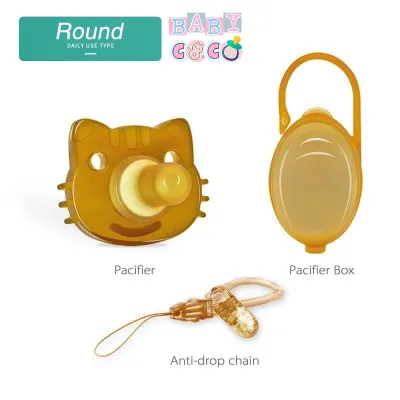
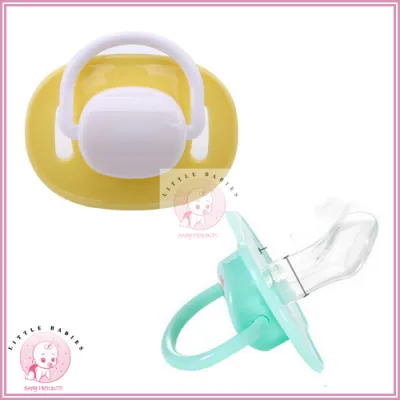
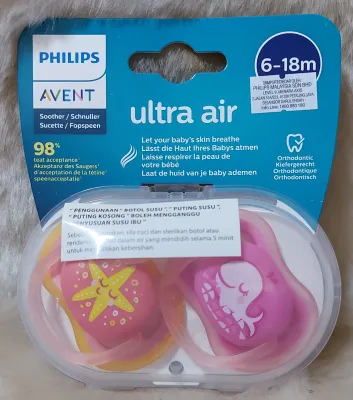
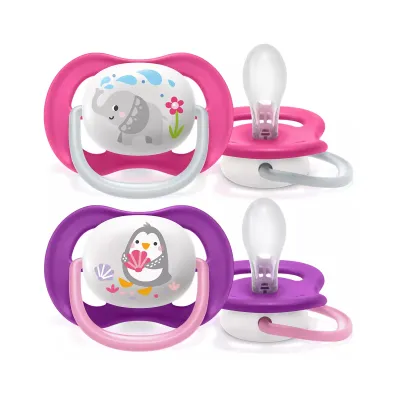
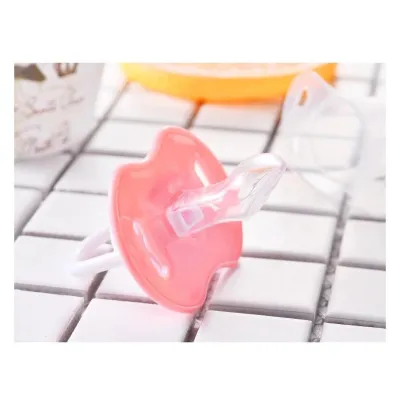
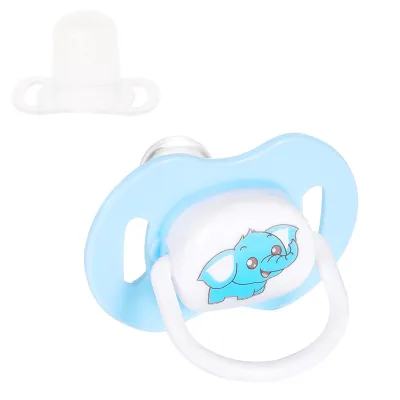
Prices are valid at publication and may change. Please refer to the product page for the latest price.
Dual-purpose products bridge this gap by offering a safe outlet for both behaviors. Instead of forcing parents to constantly swap out a pacifier for a separate teething toy, a hybrid design allows the baby to alternate between sucking and biting naturally. This continuous access to relief helps minimize fussiness, particularly during outings or transition periods like naptime.
From a practical standpoint, combining these two functions into a single product simplifies daily routines. Parents in the Philippines, who often navigate busy environments in warm, humid weather, know the difficulty of keeping multiple baby items clean and organized. Carrying one high-quality hybrid pacifier reduces the number of items that can be dropped on dusty floors, misplaced, or exposed to environmental contaminants. It also streamlines the sanitizing process at the end of the day.
Furthermore, these hybrid designs provide targeted counter-pressure. When a baby bites down on a textured shield or a specialized teething nipple, the physical pressure temporarily numbs the throbbing pain of emerging teeth. This active engagement supports self-soothing, helping babies manage their discomfort independently under caregiver supervision.
Safety and Design Standards for 6 to 18 Months
When selecting any oral product for a baby in the 6 to 18-month range, safety must be the primary consideration. The strength of a baby’s jaw increases significantly during this period, meaning products designed for younger infants are no longer safe or durable enough.

One-Piece Construction
To prevent serious choking hazards, look for products featuring a solid, one-piece molded design. Multi-piece pacifiers, which typically feature a separate nipple glued or snapped into a plastic shield, can easily break apart under the force of persistent chewing. A single-piece design made entirely of molded silicone ensures that there are no joints, seams, or small attachments that could detach and block your baby’s airway.
Shield Size and Ventilation
The shield of the pacifier must be wide enough to prevent the baby from pulling the entire unit into their mouth. Additionally, the shield must feature large, well-designed ventilation holes. In hot, humid climates, trapped saliva and sweat behind a solid plastic shield can quickly cause contact dermatitis, yeast infections, or painful drool rashes around the baby’s mouth and chin. Adequate airflow keeps the skin dry and minimizes friction.
Material Verification
Always verify the materials used in the product by physically inspecting the packaging rather than relying solely on online titles or descriptions. Look for clear labels indicating that the product is made from:
- 100% Food-Grade Silicone: This material is naturally hypoallergenic, highly durable, and free from harmful chemicals.
- BPA-Free and Phthalate-Free: Ensure the product complies with international safety standards to prevent exposure to endocrine-disrupting chemicals.
- Lead-Free and Latex-Free: Minimizes the risk of allergic reactions and toxic exposure during active chewing.
Age Grading
Never use a pacifier that is not explicitly rated for your baby’s current developmental stage. A pacifier designed for a newborn (0 to 6 months) is too small for a one-year-old, which poses a swallowing risk. Conversely, a pacifier designed for older toddlers may be too large and cause gagging. Always match the manufacturer’s age guidelines (typically labeled as Stage 2 or 6-18M) to ensure the nipple size and shield dimensions are anatomically correct.
Top Types of Pacifier-Teether Hybrids to Consider
To find the best option for your baby, it helps to understand the different design approaches available on the market. These products generally fall into three distinct categories, each tailored to different soothing preferences and stages of teething.
Textured Silicone Shield Pacifiers
These hybrids maintain the classic shape of a traditional pacifier but feature raised bumps, ridges, or soft silicone nubs across the outer shield and handle. When the baby is not actively sucking, they can flip the pacifier around in their mouth or hold it by the shield to chew on the textured exterior.
Popular examples available in local baby boutiques and online marketplaces include the RaZbaby RaZberry Teether and the Itzy Ritzy Sweetie Soother. The RaZberry features a patented, bumpy berry-like texture across the entire silicone surface, making it highly effective for massaging sensitive gums. The Itzy Ritzy Sweetie Soother offers a more subtle, elegant design with textured handles that are easy for small hands to grasp.
Pros:
- Highly intuitive for babies who already prefer standard pacifiers.
- Easy for babies to grip and manipulate independently.
- Soft silicone shields are gentle on the skin and do not cause bruising during active biting.
Cons:
- The deep crevices in the textured shield can easily trap lint, dust, and dried milk, requiring frequent and meticulous cleaning.
- May not provide enough reach for babies experiencing pain deep in their back gums.
Ideal Use Case: Daytime play and active teething periods when the baby is awake and supervised, allowing them to explore the different textures with their hands and mouth.
Orthodontic Pacifiers with Teething Ridges
Orthodontic pacifiers are designed with an asymmetrical nipple that is flat on the bottom and rounded on the top. This shape mimics the natural contour of a mother’s nipple during nursing and supports healthy palate and jaw development. Teething versions of these pacifiers feature integrated micro-ridges or varying silicone densities along the neck or base of the nipple.
Examples in this category include the Chicco PhysioForma series and the NUK Orthodontic teething pacifiers. These products are engineered to distribute pressure evenly across the palate, reducing the risk of dental misalignment while providing a firm, textured surface for the front teeth to bite down on.
Pros:
- Supports natural oral development and reduces the risk of open bites.
- Provides a familiar, comforting shape for babies who reject non-traditional teethers.
- Often lighter in weight, making them easier to retain during sleep.
Cons:
- The teething ridges are typically confined to the base of the nipple, offering limited surface area for heavy chewing.
- Not designed to withstand aggressive, long-term biting from older toddlers with fully erupted incisors.
Ideal Use Case: Naptime, bedtime, or quiet soothing when the baby needs the comfort of sucking but is experiencing mild, background teething discomfort.
Pacifier-Teether Transition Toys
These products are larger hybrid items that lean closer to teethers but incorporate a pacifier-style nipple or a specialized handle designed to satisfy the sucking reflex. They often feature large, easy-to-grip loops or animal shapes that prevent the toy from being pushed too far into the mouth.
Examples include the Marcus & Marcus Silicone Teether and the Haakaa 360 Silicone Toothbrush and Teether. These items are made from thick, durable silicone and feature various textured surfaces designed to reach different areas of the mouth, including the back molars.
Pros:
- Extremely durable and highly resistant to tearing from sharp, newly emerged teeth.
- Ergonomic designs help develop fine motor skills and hand-eye coordination.
- Excellent for reaching the back gums where first and second molars erupt.
Cons:
- Bulky and heavy, making them unsuitable for hands-free soothing during sleep.
- Can cause gagging if the baby pushes the longer teething elements too far back without supervision.
Ideal Use Case: High-intensity teething phases during the day, particularly when the baby is sitting in a high chair or stroller and needs a substantial, tactile object to chew on.
How to Clean and Maintain Dual-Purpose Pacifiers
Because these products feature complex textures, ridges, and ventilation holes, they require a rigorous cleaning routine to prevent the buildup of bacteria, mold, and yeast. This is especially critical in tropical climates, where high humidity levels accelerate microbial growth.
Daily Cleaning
Wash the pacifier-teether after every use with warm water and a mild, fragrance-free baby bottle cleanser. Avoid using standard dishwashing liquids, which can leave a harsh chemical residue or strong scents that may cause your baby to reject the pacifier.
Use a small, dedicated nipple brush to scrub inside the textured ridges, shield crevices, and ventilation holes. Ensure you squeeze the nipple under running water to flush out any trapped saliva or milk residue that may have entered through the ventilation system.
Sterilization Limits
Before sterilizing, always check the manufacturer’s specific care instructions. While most 100% food-grade silicone pacifiers can withstand boiling water, steam sterilizers, or UV sterilization, some mixed-material handles or plastic components can warp, degrade, or release chemicals under high heat.
Limit heat sterilization to once a day to prevent the silicone from becoming brittle. After sterilizing, allow the pacifier to cool completely and shake out any trapped water from inside the nipple before giving it to your baby.
Daily Inspection Routine
Perform a physical safety check before every single use. This is a non-negotiable step once your baby has started developing teeth:
- The Pull Test: Firmly grasp the nipple in one hand and the shield or base in the other, then pull hard. Check for any signs of tearing, splitting, or weakness at the connection point.
- Visual Check: Inspect the surface for micro-cracks, bite marks, punctures, or changes in color.
- Texture Check: Squeeze the nipple to ensure it is still firm and elastic. If the silicone feels sticky, gummy, thin, or stretched out, it indicates the material is breaking down.
If you detect any structural damage, discard the product immediately. Do not attempt to repair or glue a damaged pacifier, as this introduces toxic chemicals and increases the risk of choking.
When to Transition Away from the Pacifier-Teether
As your baby approaches their first birthday and moves toward 18 months, their developmental needs begin to change. Planning a gradual weaning process helps protect your baby’s dental health and supports their transition to solid foods.
Developmental Milestones
By 12 to 18 months, the physical need for non-nutritive sucking naturally decreases. At the same time, the eruption of larger molars requires more robust, flat teething surfaces that can withstand intense bite pressure. Continuing to rely on a pacifier-style nipple for teething relief can delay the development of mature chewing patterns.
Dental Considerations
Prolonged, aggressive sucking on a pacifier past 12 months can exert unwanted pressure on the developing jaw and dental arches. This can lead to dental issues such as:
- Open Bite: A gap between the upper and lower front teeth when the mouth is closed.
- Crossbite: Misalignment of the upper and lower teeth, causing uneven wear and chewing difficulties.
- Palate Changes: Narrowing or raising of the roof of the mouth, which can affect nasal breathing and speech development.
It is highly recommended to consult a pediatric dentist during your baby’s routine checkups to assess their oral structure and receive personalized advice on weaning timelines.
Transition Strategies
To ease the transition, start by restricting the hybrid pacifier to sleep times only. During the day, replace the oral soothing function with dedicated daytime teethers that do not feature a sucking nipple.
You can also offer safe, alternative cooling relief, such as:
- Chilled Teething Rings: Place solid, water-filled teething rings in the refrigerator (never the freezer, as frozen rings can bruise delicate gums).
- Cold Washcloths: Wet a clean, soft cotton washcloth, wring out the excess water, fold it, and place it in the refrigerator for an hour. The cold, textured fabric provides excellent relief for swollen gums.
- Chilled Food Feeders: Use a silicone mesh feeder filled with chilled fruit or vegetable purees under close supervision.
Frequently Asked Questions (FAQ)
Can a teething pacifier replace a regular teether?
While hybrid teething pacifiers are excellent for providing mild, convenient relief and satisfying the sucking reflex, they generally cannot replace a dedicated teether during intense teething phases. Teething pacifiers are primarily designed to soothe the front gums and are limited by their size and shape.
Dedicated teethers offer a wider variety of material densities, larger chewing surfaces, and ergonomic shapes specifically designed to reach the back of the mouth where large molars erupt. For comprehensive pain relief, it is best to use a hybrid pacifier for sleep or quiet times and a dedicated teether toy during active daytime play.
Are latex pacifiers safe for teething babies?
Natural rubber latex is soft, flexible, and eco-friendly, but it is not recommended for babies who are actively teething. Latex is significantly more susceptible to tearing under the pressure of sharp baby teeth than medical-grade silicone. If a teething baby bites through a latex nipple, pieces can easily tear off and present an immediate choking hazard.
Additionally, latex carries a risk of triggering allergic reactions. For babies in the 6 to 18-month range who are actively chewing, durable, hypoallergenic, food-grade silicone is a much safer, more hygienic, and longer-lasting alternative.
Community discussion
Share your experience or ask a question. Comments are reviewed before publication.