
As babies grow and begin exploring their surroundings, baby-proofing the home becomes a top priority for parents. Among the various hazards at ground level, electrical outlets present one of the most significant risks to curious infants. Choosing the right outlet cover protector for your home in the Philippines depends heavily on how frequently an outlet is used, the types of plugs you need to accommodate, and the specific physical design of your wall sockets. For outlets that are rarely accessed, traditional plug-in caps offer a simple and cost-effective barrier. For frequently used sockets, self-closing sliding plates provide a seamless solution that automatically secures the outlet when a plug is removed. Meanwhile, for outlets with active appliances, heavy-duty outlet box covers lock both the plug and the cord safely away from tiny hands.
Implementing these safety measures requires a clear understanding of your household’s daily routines and electrical configurations. In the Philippines, residential electrical setups can vary widely, often featuring a mix of two-prong Type A outlets, grounded Type B sockets, and multi-standard universal faceplates. By selecting the appropriate type of protector for each area of your home, you can create a reliable physical barrier that complements active parental supervision.
Why Unprotected Outlets Are a Hidden Hazard for Crawling Babies
Between the ages of 6 and 12 months, infants reach major developmental milestones such as crawling, scooting, and pulling themselves up to stand. This rapid increase in mobility completely changes their perspective of the home, bringing them eye-to-eye with low-lying wall outlets. At this developmental stage, babies explore their environment primarily through touch, sight, and mouthing objects. The contrasting colors of outlet faceplates and the inviting physical slots of open sockets naturally attract a toddler’s curiosity, turning a standard wall fixture into an immediate point of interest.
Products mentioned in this guide
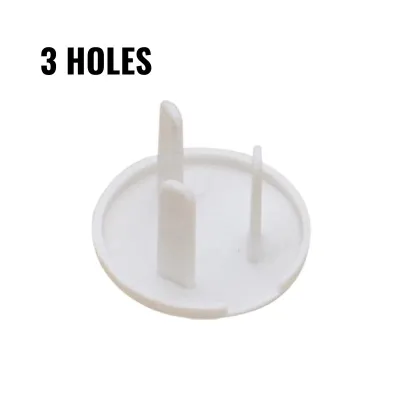
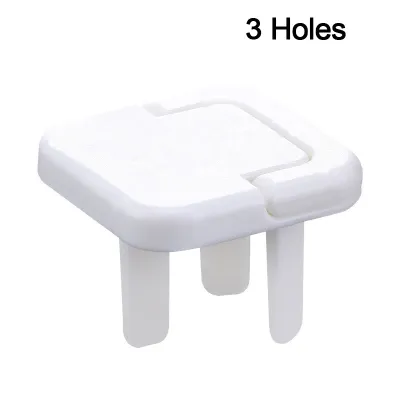
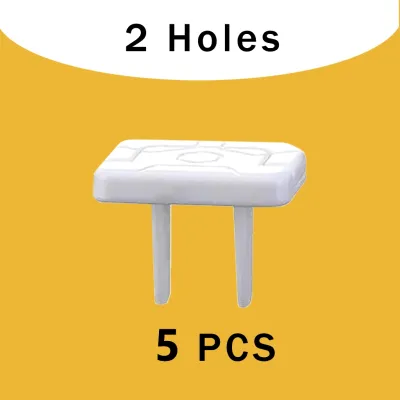
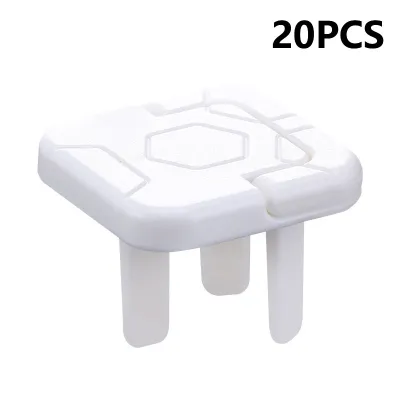
Prices are valid at publication and may change. Please refer to the product page for the latest price.
The physical dangers associated with unprotected electrical outlets are exceptionally severe. If a baby attempts to insert their fingers, wet hands, or conductive household objects—such as keys, coins, hairpins, or small toys—into an active socket, the result can be a devastating electrical shock. These incidents can cause serious external burns, internal tissue damage, or more severe systemic injuries. Because an infant’s skin is thinner and more sensitive than an adult’s, the physical impact of an electrical current is significantly more damaging to their small bodies.
Many parents mistakenly believe that strategic furniture placement or constant supervision is enough to keep a crawling baby safe. However, active toddlers are remarkably quick, persistent, and agile. They can easily squeeze into tight spaces, crawl behind sofas, or reach behind television consoles where cords are plugged in. Furthermore, heavy furniture can occasionally shift or be pulled on by a child, unexpectedly exposing the very hazards parents attempted to block. Relying solely on visual monitoring is also risky, as a distraction of just a few seconds is all it takes for a mobile child to reach an exposed socket.
Recommended Types of Outlet Cover Protectors for Different Household Needs
To establish a secure environment, it is helpful to recognize that a single type of protector may not suit every room in your home. A comprehensive baby-proofing plan typically utilizes a combination of different designs tailored to specific usage patterns. Understanding the distinct mechanisms, advantages, and limitations of each option allows you to make informed decisions for every area of your living space.

Traditional Plug-In Caps
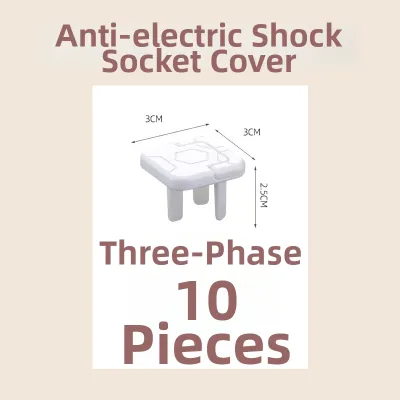
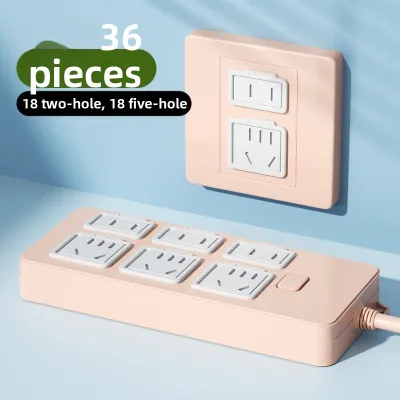
Traditional plug-in caps are simple, individual plastic inserts designed to push directly into the open slots of an electrical socket. They rely on a tight friction-fit mechanism to stay firmly in place, blocking any access to the live electrical contacts inside.
One of the primary benefits of these caps is their affordability, as they are widely available in budget-friendly multi-packs that often cost less than ₱100. They require absolutely no tools or complex installation steps, making them incredibly easy to deploy throughout a house in minutes. Their lightweight and compact design also makes them highly portable, allowing parents to easily pack them in a diaper bag to baby-proof hotel rooms or relatives’ homes during family visits.
However, these caps do have notable drawbacks that parents must carefully consider. If a persistent toddler manages to pry a loose or worn-out cap from the wall, the small plastic piece immediately becomes a severe choking hazard. Additionally, because they are designed to fit tightly, they can be exceptionally difficult for adults to remove. Parents with long fingernails often find them frustrating to pull out, sometimes requiring a flat tool or a key to pry them free, which can scratch the outlet plate over time.
The best use case for traditional plug-in caps is for sockets that are rarely or never accessed. This includes outlets hidden behind heavy wardrobes, large media centers, or guest room sockets that remain unused for long periods.
Sliding Outlet Covers (Self-Closing Plates)
Sliding outlet covers, also known as self-closing plates, are permanent faceplate replacements that feature a spring-loaded or gravity-fed sliding panel. To plug in a device, you simply insert the prongs of the plug into the panel, slide it to align with the underlying socket holes, and push it in. The moment you unplug the device, the panel automatically snaps back into its closed position.
A major advantage of this design is safety and convenience, as there are no loose plastic parts that can be misplaced or swallowed by a child. They offer a highly intuitive experience for adults, allowing for quick, one-handed operation when plugging in vacuum cleaners, chargers, or iron cords. Because they completely cover the socket openings when not in use, they provide continuous, automatic protection without requiring parents to remember to reinsert a cap.
On the downside, sliding covers require a basic installation process that involves using a screwdriver to replace your existing wall plates. They also require you to temporarily shut off the power at your home’s main circuit breaker during installation to ensure safety. Furthermore, because wall plate dimensions and screw placements vary, standard sliding plates may not fit decorative, non-standard, or multi-gang panels.
These self-closing plates are ideal for frequently accessed outlets in high-traffic areas. They are highly recommended for living rooms, kitchens, and bedrooms where electronic devices, kitchen appliances, or phone chargers are regularly plugged in and unplugged.
Outlet Box Covers (Cord and Plug Protectors)
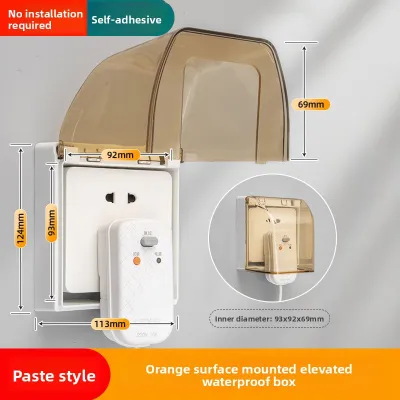
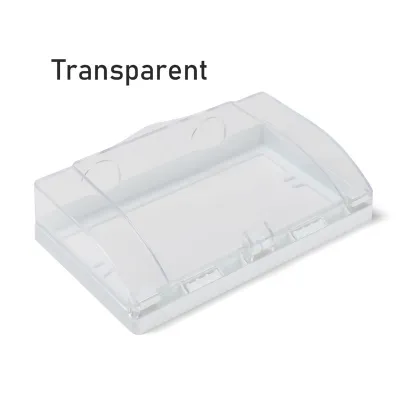
Outlet box covers are protective plastic enclosures that fit entirely over the wall outlet, locking both the socket face and any plugged-in cords inside a secure, transparent, or opaque dome.
The primary benefit of an outlet box cover is its ability to secure active electrical connections. It prevents toddlers from pulling out plugs, playing with live prongs, or chewing on appliance cords, which is a common risk with low-lying devices. By keeping the plugs locked inside the protective dome, these covers ensure that critical household appliances remain powered without interruption.
However, these protectors are physically bulky and project outward from the wall, which can sometimes draw extra attention from a curious toddler. Their structured design also limits the physical size, angle, and thickness of the plugs that can fit inside the enclosure. Heavy-duty adapters or bulky right-angle plugs may not fit comfortably within standard box covers, requiring parents to verify dimensions before purchasing.
Outlet box covers are best suited for outlets that power essential appliances that must remain plugged in continuously. They are excellent choices for securing connections for standing fans, air purifiers, baby monitors, refrigerators, or dehumidifiers.
Key Safety and Usability Features to Check Before Buying
When browsing local e-commerce platforms or physical baby stores, evaluating specific product features is essential to ensure long-term safety and usability. Parents should look beyond basic product names and carefully inspect the specifications and materials of each option.
Choke-Test Compliance If you choose to use removable plug-in caps, verifying their physical size is a critical safety step. Removable parts must be large enough that they cannot be swallowed if a child manages to pull them out. Parents should look for products that comply with standard small-parts cylinder tests, which ensure that the items are too large to fit down a child’s airway. Always check the manufacturer’s packaging, age recommendations, and safety warnings to confirm that the caps are certified as non-choking hazards.
Material Durability The tropical climate in the Philippines, characterized by high humidity and warm temperatures, can cause low-quality plastics to degrade, discolor, or become brittle over time. To ensure long-term durability, select outlet covers made from high-grade, shatterproof, and BPA-free plastics such as ABS or polycarbonate. These robust materials are designed to withstand repeated physical impacts, pulling, and the occasional teething attempts of curious toddlers without cracking or breaking.
Adult Ease vs. Baby Resistance A highly effective baby-proofing device must be difficult for a child to bypass while remaining manageable for parents. Look for outlet covers that utilize dual-press mechanisms, rotating locks, or specific angles of physical force that require adult-strength coordination and hand size to release. If a protector is excessively frustrating or time-consuming for adults to operate, there is a high risk that family members will leave it off or unlocked, leaving the outlet completely exposed.
Aesthetic Blending Toddlers are highly visual learners who are naturally drawn to bright colors, playful patterns, and high-contrast objects. To minimize their interest in wall outlets, select protectors that blend seamlessly into your home’s existing wall paint and decor. Solid matte white, cream, or clear transparent covers are excellent choices because they neutralize the visual impact of the socket, helping it fade into the background and reducing the likelihood that a child will notice or play with it.
How to Ensure Compatibility With Philippine Wall Outlets
Ensuring that your chosen outlet cover protector actually fits your home’s electrical outlets is a common challenge for parents in the Philippines. Because many baby-proofing products are designed for international markets, verifying local compatibility is a crucial step before making a purchase.
Local Plug Types Electrical installations in the Philippines utilize a variety of configurations. While the standard Type A (two-prong flat) and Type B (three-prong grounded) outlets are highly common, many modern residential builds feature universal multi-hole sockets designed to accept a wide range of international plug shapes, including European round prongs. Before buying plug-in caps, confirm that the prong layout of the cap matches the specific hole configuration of your home’s sockets.
Wall Plate Dimensions Standard rectangular wall plates, often referred to locally as Wide Series plates, are the benchmark in most Philippine homes. However, some residences may feature square plates or specialized multi-gang configurations. If you plan to install replacement sliding outlet covers, it is essential to measure the outer dimensions of your current faceplate and the distance between the mounting screws to ensure a flush, secure fit.
Universal Socket Challenges Universal sockets present a unique challenge for standard baby-proofing accessories. Because these sockets have wider openings and irregular hole patterns to accommodate multiple plug types, standard Western-designed plug-in caps may fit too loosely, allowing a baby to easily pull them out. To address this, look for specialized universal outlet caps or adjustable box covers that are explicitly advertised as compatible with multi-standard or universal socket designs.
Pre-Purchase Verification To avoid the hassle of returning ill-fitting items, always take precise measurements of your wall outlets using a ruler before placing an order. When shopping on online marketplaces, take the time to read through customer reviews and look at photos uploaded by other buyers in the Philippines. This real-world feedback can help you verify if a specific brand of outlet cover fits standard local wall plates, such as those from popular brands like Panasonic, Omni, or Royu.
Safe Installation and Routine Maintenance for Long-Term Protection
Proper installation and regular maintenance are vital to ensuring that your baby-proofing measures remain effective over time. Electrical safety should always be the top priority when working around wall sockets.
Sliding Plate Installation Replacing a standard wall faceplate with a self-closing sliding cover requires basic electrical safety precautions. Before using a screwdriver to remove the existing plate, you must turn off the main circuit breaker or the specific branch circuit breaker at your home’s electrical panel. Use a reliable non-contact voltage tester on the outlet to verify that the power is completely shut off before proceeding with the installation. Follow the manufacturer’s provided instructions carefully to mount the new sliding plate securely.
Proper Insertion When installing plug-in caps or locking box covers, ensure that they are pushed completely flush against the wall plate. There should be no visible gaps or loose play between the protector and the wall. Even a tiny gap can allow an older toddler to wedge their fingernails, a butter knife, or a small toy underneath, giving them the leverage needed to pry the cover off. Push the covers in firmly until they click or lock tightly into place.
Routine Checks Baby-proofing is an ongoing process that requires regular inspection. Establish a monthly routine to check all the outlet covers throughout your home. Inspect each protector for signs of physical wear and tear, loose fits, plastic discoloration, or cracks caused by accidental bumps from vacuum cleaners or toys. In high-humidity areas of the home, such as kitchens or laundry spaces, check that the plastic has not become brittle or degraded.
Safety Boundary If you discover any damaged, cracked, or loose outlet covers during your routine checks, stop using them immediately and replace them with new ones. Additionally, if you notice any signs of underlying electrical issues—such as scorching, black marks around the socket, a burning smell, loose wiring, or plugs that feel excessively hot to the touch—do not attempt to cover them up with a protector. Immediately stop using the outlet and consult a licensed, professional electrician to inspect and repair the wiring.
Frequently Asked Questions (FAQ)
Are clear outlet covers safer than white ones?
Clear outlet covers are not inherently safer in terms of material strength or durability, but they can be highly effective at reducing a child’s curiosity. Because they allow the wall color and faceplate to show through, they do not create a high-contrast visual target that might attract a toddler’s attention. However, parents must ensure that the clear plastic is of high quality and does not yellow or become brittle over time due to UV exposure or tropical humidity, which could compromise its structural integrity.
Can I use outlet covers on extension cords and power strips?
Standard wall outlet caps are generally not designed to fit securely on portable extension cords or power strips, as these devices often have shallower socket depths or different spacing. To secure power strips, look for specialized power strip protective boxes that enclose the entire strip, or keep the power strips elevated on high furniture and completely out of your child’s reach.
What should I do if my baby manages to remove a plug-in cap?
If your child successfully removes a plug-in cap, you must immediately upgrade to a more secure option for that specific outlet, such as a self-closing sliding plate or a locking box cover. Inspect the removed cap for any teeth marks, cracks, or structural damage, and discard it safely. Remember that outlet covers are merely a physical deterrent and should always be paired with active caregiver supervision.
Community discussion
Share your experience or ask a question. Comments are reviewed before publication.