
Preparing for the arrival of two infants requires careful spatial planning, especially when choosing the ideal crib for twin babies and coordinating the surrounding nursery furniture. Unlike a standard single-baby setup, a twin nursery must accommodate double the sleeping space, double the clothing and diaper storage, and a highly efficient layout that minimizes caregiver fatigue. When you are managing two infants simultaneously, every step, reach, and transition between the crib, changing table, and feeding chair must be optimized to keep the environment safe and manageable.
Standard nursery furniture configurations often fall short when applied to twins because they do not account for the rapid-fire workflow of dual caregiving. If the sleeping, changing, and feeding zones are poorly integrated, you will find yourself constantly crossing the room, which increases physical strain and compromises safety. A successful twin nursery relies on three core components: a secure and adaptable sleeping arrangement, an ergonomic changing station built for consecutive use, and high-capacity storage solutions that keep double the daily supplies organized and accessible.
In the Philippines, planning this layout also requires accounting for local living conditions. Many urban homes and condominiums feature compact bedrooms where floor space is at a premium. Additionally, the tropical climate demands careful selection of furniture materials to ensure long-term durability against high humidity. By focusing on spatial efficiency, caregiver ergonomics, and robust materials, you can create a peaceful, highly functional sanctuary for your twins.
Products mentioned in this guide
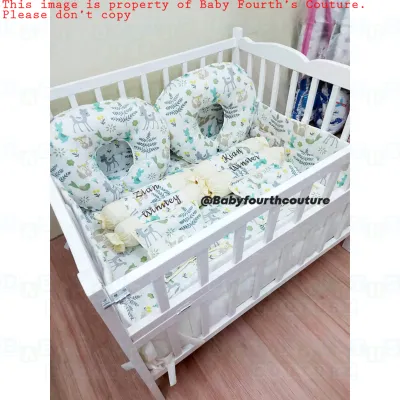
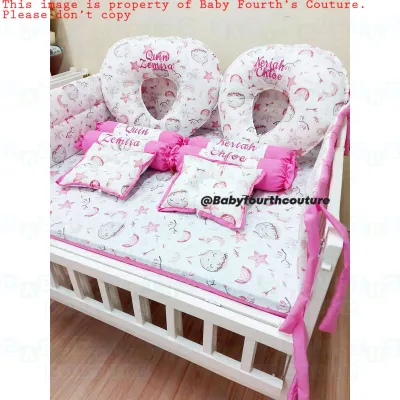
Prices are valid at publication and may change. Please refer to the product page for the latest price.
Selecting the Right Crib for Twin Babies: Configuration Guide
When evaluating a crib for twin babies, safety must be your primary consideration. While the idea of placing both infants in a single sleep space may seem convenient or comforting, international pediatric safety guidelines and local health advisory bodies emphasize that babies should sleep on separate, firm, and flat surfaces. As infants grow, roll, and become more active, sharing an undivided crib increases the risk of accidental suffocation, entrapment, and sleep disruption. Therefore, you should plan for a setup that provides distinct sleeping zones from the very beginning.
As you plan your nursery layout, you will generally choose between two primary setups: installing two separate standard cribs or investing in a specialized twin-specific or side-by-side crib system. Each option presents distinct advantages and trade-offs regarding room footprint, long-term usability, and overall cost.
Two Separate Standard Cribs
Opting for two identical, separate standard cribs is the most flexible and popular approach for twin parents. This configuration allows you to arrange the room in various layouts, such as placing the cribs on opposite walls, positioning them in an L-shape in a corner, or placing them side-by-side with a safe distance between them. This flexibility is particularly valuable if your twins have different sleep patterns, as separating the cribs physically can help prevent one restless baby from waking the other.
Separate cribs also offer superior long-term usability. Most standard quality cribs are designed to convert into toddler beds and eventually daybeds or full-sized twin beds. Because twins do not always hit developmental milestones at the exact same pace, separate convertible cribs allow you to transition one child to a toddler bed while keeping the other securely in a crib if needed. Furthermore, spacing the cribs apart prevents older, active toddlers from using the adjacent crib frame as a climbing ladder to reach their sibling.
From a financial standpoint, buying two separate cribs allows you to choose from a wide range of price points. Standard quality cribs in the local market typically range from ₱5,000 to ₱15,000 each, allowing you to scale your purchase to your budget. The primary drawback of this setup is the physical footprint, as two standard cribs require a significant amount of floor space, which can overwhelm smaller bedrooms.
Twin-Specific or Side-by-Side Cribs
Twin-specific cribs, which include divided cribs or side-by-side models with a shared central frame, are designed specifically to minimize the furniture footprint. These units keep the babies close to one another while maintaining the required physical barrier between their sleeping surfaces. Some specialized designs even feature integrated storage drawers or an attached changing station in the center, maximizing utility within a single piece of furniture.
While these space-saving designs are highly appealing for compact nurseries, you must carefully verify their structural specifications before purchasing. Always check the manufacturer’s documentation for the exact weight limits of each sleeping compartment and the overall frame. Because these units support the weight of two growing infants simultaneously, structural stability is critical. Look for models that carry verified safety certifications, such as ASTM or EN standards, and ensure the central divider is securely fixed and cannot be dislodged by active infants.
Keep in mind that twin-specific cribs often have a shorter lifespan than separate convertible cribs. Many of these models cannot be converted into two independent toddler beds, meaning you may need to purchase entirely new beds once your twins outgrow the shared unit. Additionally, because these specialized designs are less common, they can be more difficult to source in the local market and often carry premium price tags, sometimes exceeding ₱30,000.
Essential Changing Tables and Storage Solutions
Managing twins means handling double the volume of diapers, wipes, swaddles, and clothing. Without an organized system, your changing station can quickly become chaotic, increasing the risk of leaving a baby unattended while searching for supplies. To maintain a safe and efficient workflow, you need a changing table and storage setup that can handle high-volume use.

When choosing a changing station, consider these three primary configurations based on your nursery’s size:
- Double-Wide Changing Tables: These units provide an expansive surface that allows you to place a changing pad on one side and keep all diapers, wipes, and creams securely within arm's reach on the other. While highly convenient, they require substantial floor space.
- Wide Dressers with Secure Changing Toppers: This is a highly versatile, long-term option. You secure a removable changing topper to the top of a sturdy, waist-high dresser. Once your babies outgrow diapers, you can remove the topper and use the unit as a standard dresser.
- Wall-Mounted Fold-Down Stations: Ideal for very tight spaces, these stations fold up against the wall when not in use. However, you must ensure they are anchored securely into concrete walls or solid wall studs using heavy-duty hardware to support the weight of a growing baby.
Ergonomics should guide your selection of changing table height. Because you will be changing two babies in succession—potentially 20 to 24 times a day during the newborn stage—a table that is too low will cause significant lower back strain. Look for a changing surface height that aligns with your waistline, typically between 36 and 43 inches. Ensure that all frequently used supplies are stored in top drawers or open shelving directly adjacent to the changing pad, allowing you to keep one hand on your baby at all times.
Your storage strategy should prioritize high capacity and clear organization. High-capacity dressers with smooth-gliding drawers are excellent for storing folded clothes, while open shelving allows you to grab fresh sheets or swaddles quickly. Use modular bins or drawer dividers to separate the clothing and personal items of each twin. This prevents confusion, especially if your babies wear different sizes or require different skin care products.
In the humid, tropical climate of the Philippines, material selection is critical to prevent damage and maintain hygiene. High humidity can cause untreated solid wood to warp and cheap, unsealed MDF (medium-density fiberboard) to swell, split, or harbor mold. Opt for furniture constructed from solid hardwood treated with non-toxic, moisture-resistant sealants, or high-quality engineered wood with a durable melamine laminate finish. Avoid using fabric-lined storage baskets or fabric drawer liners in non-airconditioned rooms, as they easily trap moisture and dust; instead, choose breathable plastic or easy-to-wipe canvas bins.
Key Safety and Space Features to Verify Before Buying
Before finalizing your nursery furniture purchase, you must perform several critical safety and spatial checks. Do not rely solely on marketing descriptions; instead, verify the technical specifications provided by the manufacturer or inspect the physical items in-store to ensure they meet modern safety standards.
Use this checklist to evaluate any crib and furniture set:
- Slat Spacing: Ensure the distance between crib slats does not exceed 6 centimeters (2.36 inches). This prevents an infant's head or limbs from becoming trapped between the slats.
- Mattress Fit: The mattress must fit snugly within the crib frame. If you can fit more than two fingers between the edge of the mattress and the crib side, the mattress is too small, posing a dangerous entrapment hazard.
- Non-Toxic Finishes: Verify that all paints, stains, and sealants used on the furniture are certified lead-free and low-VOC (volatile organic compounds). Teething babies often chew on crib rails, making non-toxic finishes essential.
- Drop-Side Crib Ban: Avoid purchasing or accepting secondhand drop-side cribs. The moving parts of drop-side cribs can malfunction or break, leading to severe safety risks. Choose solid, fixed-sided cribs instead.
Next, measure your nursery’s physical footprint to plan safe, unobstructed walkways. You must ensure there is a clear path of at least 2 to 3 feet between the cribs, the changing table, and the entry door. This allows you to navigate the room safely in the dark or while carrying an infant. Ensure that cribs are positioned far away from windows, electrical outlets, cords, and curtain pull-strings to eliminate strangulation and fall hazards.
Wall anchoring is a non-negotiable safety step for all vertical nursery furniture. As twins grow, they will begin to pull themselves up, lean on drawers, and attempt to climb shelves. Unanchored dressers, changing tables, and bookcases pose a severe tip-over risk. Always anchor these heavy items securely to the wall. In many Philippine homes with concrete or masonry walls, this requires using a hammer drill, plastic wall plugs (tox screws), and heavy-duty L-brackets or anti-tip straps.
Finally, when shopping via online marketplaces or local baby specialty stores, pay close attention to product labels, warranty terms, and return policies. Because large furniture items are expensive to ship and return, verify that the seller offers a comprehensive warranty covering structural defects. Inspect all packages immediately upon delivery for any signs of transit damage, missing hardware, or misaligned pre-drilled holes, and do not assemble or use any item that appears structurally compromised.
Frequently Asked Questions (FAQ)
Can newborn twins share the same crib?
While some parents temporarily place newborn twins in the same crib (co-bedding) under close supervision, pediatric safety guidelines strongly recommend that each baby sleep on their own separate, firm, and flat mattress from day one. Co-bedding twins increases the risk of overheating, accidental suffocation, and SIDS, especially once the infants begin to wiggle or roll over. If space is limited, investing in a certified divided twin crib or placing two separate cribs side-by-side provides a much safer and more sustainable sleep environment as your babies grow.
How much floor space is needed for a twin nursery?
To comfortably accommodate two standard cribs, a changing station, a storage dresser, and a glider chair while maintaining safe walkways, you should aim for a room that is at least 10 by 10 feet (approximately 9.3 square meters). Standard cribs measure roughly 28 by 52 inches each, meaning two cribs alone will occupy nearly 20 square feet of floor space. Before purchasing any large furniture pieces, it is highly recommended to map out the dimensions of each item on your nursery floor using painter’s tape to ensure you have adequate space to move freely and open drawers completely.
Community discussion
Share your experience or ask a question. Comments are reviewed before publication.