
Quick Guide: Matching Multivitamins to Your Child's Needs
While a balanced diet is always the primary source of essential nutrients for growing children, finding the right multivites for kids can help fill critical nutritional gaps during rapid developmental stages. Multivitamins are designed to act as a supportive safety net rather than a replacement for whole foods. A child’s nutritional requirements change rapidly, meaning that a supplement that works well for a toddler may not be suitable or safe for a school-aged child.
To navigate the many options available in local pharmacies, parents should focus on three core decision pillars: the child’s precise developmental age group, the physical format of the supplement (such as liquid drops, syrups, chewable tablets, or gummies), and specific targeted nutritional needs like vitamin D, iron, or zinc. Because every child’s physical development, health history, and nutritional baseline are unique, always consult a pediatrician before introducing any new dietary supplement to your child’s daily routine.
Does Your Child Need a Multivitamin? Identifying the Gaps
Healthy children who consume a varied, balanced diet typically do not require a daily multivitamin. The human body is highly efficient at absorbing vitamins and minerals from whole foods, which also provide essential dietary fiber, proteins, and healthy fats that synthetic supplements cannot replicate. When a child regularly eats fruits, vegetables, whole grains, and lean proteins, their daily nutrient quotas are usually fully met.
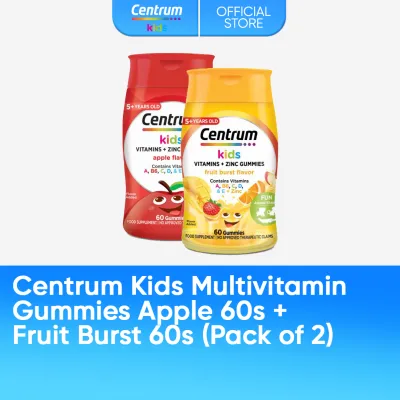
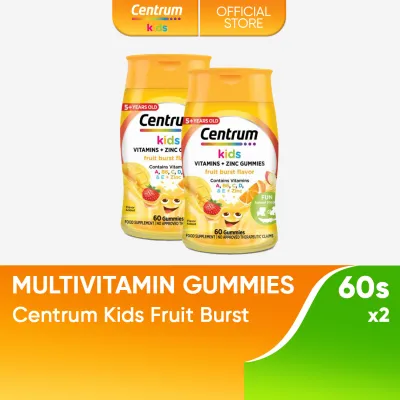
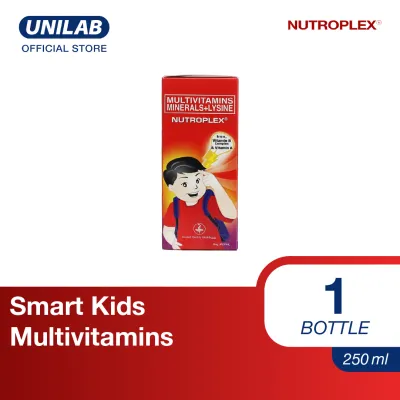
Products mentioned in this guide


![Health Fusion IMMU9 9-in-1 Immunity & Energy Booster [KIDS] with Vit C D3 Zinc Elderberry & Echinacea | Recovery Gummies | Sugar-free 60s](https://img.lazcdn.com/g/p/6ea8e71e8df47364a07e95b53707d978.jpg_400x400q80.jpg_.webp)
![[BUY 1 TAKE 1] Health Fusion Multivites 15 gummies Complete Multivitamins with Vitamin E Zinc Immunity for Kids & Adults Vegan and Gluten-Free](https://img.lazcdn.com/g/p/5b770d3150f355f984c69adde5115792.png_400x400q80.png_.webp)
Prices are valid at publication and may change. Please refer to the product page for the latest price.

However, specific scenarios exist where a pediatrician may actively recommend supplementation. Children who exhibit persistent picky eating habits, those following strict plant-based or vegan diets, or children diagnosed with chronic medical conditions that impair nutrient absorption (such as celiac disease or inflammatory bowel conditions) often benefit from targeted nutritional support. In these cases, supplements help prevent long-term deficiencies that could hinder normal physical and cognitive growth.
Parents can look for observable signals of potential nutritional gaps, such as chronic fatigue, an unusually poor appetite over several weeks, or a self-imposed diet limited to only a handful of food items. These signs, while informative, should never be used for self-diagnosis. They serve as prompts to seek a professional medical evaluation from a pediatrician, who can run appropriate diagnostic tests if necessary.
It is critical to understand that multivitamins are not a substitute for whole foods, nor are they designed to resolve behavioral challenges, poor sleep hygiene, or developmental milestones. Relying on a supplement to fix lifestyle-related issues can delay the identification of underlying health conditions that require clinical attention. Always focus on improving dietary habits and lifestyle factors alongside any recommended supplementation.
Choosing the Right Multivites for Kids: Format and Nutrients by Age
Toddlers (1-3 Years): Liquids and Drops
During the transition from breast milk or formula to solid foods, toddlers experience rapid physical growth alongside shifting dietary habits. For this age group, liquid drops or syrups are the safest and most practical formats. Toddlers have not yet developed the molar teeth or chewing coordination required to safely process solid tablets, making liquids essential for avoiding choking hazards.
Key nutrients are highly critical during this developmental window. Vitamin D is essential for calcium absorption and skeletal bone development, while iron supports cognitive development and oxygen transport, particularly as toddlers transition away from iron-fortified toddler milks or breast milk. Parents must verify the specific age and weight suitability on the product packaging, as toddler dosages are highly sensitive to body mass.
When administering liquid supplements, parents must look for products that include precise, clearly marked droppers or calibrated measuring cups. Using standard household spoons can easily lead to accidental under-dosing or over-dosing, which can strain a toddler’s developing kidneys and liver. Caregivers must supervise every dose and strictly follow the manufacturer’s instructions for administration.
Additionally, parents should carefully inspect ingredient lists for added sugars, high-fructose corn syrup, and artificial food colorings. Minimizing exposure to unnecessary additives in early childhood helps support long-term dental health and establishes clean dietary preferences. Opt for formulations that prioritize natural flavors and contain minimal excipients.
Preschoolers (4-5 Years): Chewables and Gummies
As children enter the preschool years, their motor skills and chewing abilities mature, allowing for a shift toward chewable tablets and gummy vitamins. These formats are highly appealing to young children due to their pleasant flavors, bright colors, and chewable textures. This appeal makes the daily routine much easier for parents who struggle with administering liquid syrups.
At this highly active stage of growth, children benefit from nutrients that support immune function and energy production, such as Vitamin C, Zinc, and B-complex vitamins (including B6 and B12). These elements help support the body’s natural defense systems as children begin interacting more frequently with peers in daycare or preschool settings, exposing them to common childhood illnesses.
However, parents must be aware of the “gummy trap.” Gummy vitamins frequently contain added sugars or glucose syrups to mask the taste of active ingredients, and they often lack essential minerals like iron because iron is difficult to stabilize in a gummy format without ruining the flavor. Furthermore, the sticky texture of gummies can easily adhere to teeth, increasing the risk of dental issues.
To prevent children from viewing these supplements as candy, parents should establish a strict “one-a-day” rule. Always store gummy vitamins in a secure, high cabinet completely out of the child’s reach and sight. Unsupervised access can quickly lead to accidental overconsumption, which poses serious health risks.
School-Aged Kids (6-12 Years): Comprehensive Formulas
School-aged children face escalating physical demands and cognitive workloads as they navigate school sports, academic tasks, and rapid growth spurts. For this demographic, comprehensive chewables or small, easily swallowable tablets designed specifically for older children are the standard choice. These formulations reflect the nutritional demands of a rapidly developing musculoskeletal system.
Nutritional focus during these years shifts toward supporting rapid bone elongation and dense skeletal development, making Calcium and Vitamin D critical partners. Additionally, B vitamins support energy metabolism, while targeted antioxidants like Vitamin E help maintain robust immune function during the busy school year. These nutrients help sustain energy levels throughout long school days.
When selecting a product for this age bracket, parents must verify the label for age-specific dosing instructions. Formulas designed for older children contain significantly higher concentrations of vitamins and minerals than those formulated for toddlers, reflecting their increased body mass and metabolic needs. Giving an older child’s dose to a younger sibling can lead to dangerous nutrient toxicity.
It is vital to check that the daily dose of the chosen product does not exceed the Tolerable Upper Intake Levels (UL) established for children in this age group. This is particularly important when combining supplements with fortified foods, such as breakfast cereals or powdered milks, which also contribute to the child’s daily nutrient intake.
Top Multivitamin Profiles to Look for in Local Pharmacies
When shopping at local pharmacies in the Philippines, such as Watsons or Mercury Drug, or browsing official brand online stores, parents will encounter several distinct product profiles. Understanding these profiles helps you match a specific formulation to your child’s unique dietary needs and physical development.
Profile 1: Comprehensive Growth and Appetite Support Liquid
- Ideal Age Group & Format: This is typically a liquid syrup formulated for toddlers (1-3 years) and preschoolers (4-5 years) who prefer a sweet, easy-to-swallow liquid.
- Key Nutritional Profile: This profile highlights a combination of B-complex vitamins, Vitamin A, Vitamin C, and Zinc, often paired with lysine or chlorella growth factor (CGF). It is generally iron-free, focusing instead on metabolic support and immune function.
- Best For: Picky eaters who struggle with appetite issues or children who need focused immune and metabolic support during early growth phases.
- What to Verify Before Buying: Check the physical bottle's safety seal, look for the expiration date printed on both the box and the bottle label, and verify that the package includes a calibrated measuring cup for accurate dosing.
Profile 2: Targeted Bone and Growth Support Drops
- Ideal Age Group & Format: Available as liquid drops for infants and younger toddlers, or as a syrup for older toddlers.
- Key Nutritional Profile: This profile prioritizes high concentrations of Vitamin D3 and Vitamin A, alongside B-complex vitamins. It typically omits heavy minerals like iron or calcium to maintain liquid stability and taste.
- Best For: Toddlers transitioning away from fortified milk formulas who require dedicated support for bone development and calcium absorption.
- What to Verify Before Buying: Ensure the dropper or syringe mechanism is fully intact and clean, verify the storage temperature requirements on the label, and check for any sediment that may require shaking before use.
Profile 3: Lysine and B-Complex Appetite Formulation
- Ideal Age Group & Format: Liquid syrup designed primarily for toddlers and preschoolers who exhibit strong food selectivity.
- Key Nutritional Profile: Focuses heavily on B-complex vitamins (B1, B6, B12) and amino acids like Lysine, which are associated with energy metabolism and appetite stimulation. It usually contains minimal mineral concentrations.
- Best For: Children experiencing temporary periods of poor appetite or highly selective eating habits where dietary volume is a concern.
- What to Verify Before Buying: Check the sugar content per serving on the nutritional facts panel, verify that the bottle is made of amber glass or dark plastic to protect light-sensitive B vitamins, and confirm the recommended daily volume.
Profile 4: Multi-Nutrient Gummy Supplements
- Ideal Age Group & Format: Gummy format designed strictly for children aged 2 to 4 years and older who can chew solids safely.
- Key Nutritional Profile: Typically provides a broad spectrum of vitamins (A, C, D, E, B6, B12) but excludes iron due to toxicity risks and taste issues, and may have lower calcium levels due to space constraints in gummy matrices.
- Best For: Older, active children who refuse traditional tablets or syrups, where a low-dose, broad-spectrum maintenance supplement is desired.
- What to Verify Before Buying: Inspect the container for signs of melting or clumping, verify the specific sugar source used (e.g., sucrose, glucose syrup, or sugar-free alternatives), and check the allergen warnings for gelatin or soy.
Crucial Safety, Dosage, and Storage Guidelines
Dosage Rules
When administering multivitamins to children, parents must remember that more is not better. Excess intake of water-soluble vitamins (like Vitamin C and B vitamins) is generally excreted in urine, but fat-soluble vitamins (Vitamins A, D, E, and K) accumulate in the body’s tissues and liver. Megadosing these fat-soluble nutrients can lead to serious toxicity, causing symptoms ranging from nausea and headaches to organ damage. Always stick strictly to the recommended daily dose on the product label unless otherwise directed by your pediatrician.
Storage in Humid Climates
Maintaining product stability is a unique challenge in the Philippines’ tropical, high-humidity climate. Parents must strictly follow the manufacturer’s label regarding storage temperatures, which often recommend keeping the product below 30°C in a cool, dry place away from direct sunlight. Avoid storing gummy vitamins in hot cars, near kitchen appliances, or in damp bathrooms, as excess heat and moisture will cause gummies to melt, clump, and degrade in nutritional potency.
Childproofing
All pediatric supplements should be treated strictly as medication, not candy or treats. Always purchase products equipped with child-resistant caps and store them in a locked cabinet or on a high shelf completely out of your child’s reach. Never refer to vitamins as “candy” to coax a child into taking them, as this can encourage unsupervised ingestion and accidental overdose.
Allergen Checking
Before purchasing any supplement, carefully scan the ingredient list for potential allergens, especially if your child has known sensitivities. Many gummy vitamins utilize gelatin (derived from animal sources), wheat gluten, dairy, soy, or artificial flavorings that can trigger allergic reactions in sensitive children. If your child has a known allergy, look for certified allergen-free labels on the packaging.
When to Stop
Parents should immediately discontinue the use of any multivitamin and consult a pediatrician if the child experiences unexpected skin rashes, hives, digestive upset (such as diarrhea, constipation, or vomiting), or if the child’s daily diet improves to the point where supplementation is no longer necessary. Regular check-ins with a healthcare provider ensure that your child is only taking supplements when genuinely beneficial.
Frequently Asked Questions (FAQ)
Can my child take adult multivitamins if I cut the pill in half?
No, you should never give your child adult multivitamins, even if you cut the tablet in half or quarters. Adult formulas are designed for mature metabolic systems and contain concentrations of vitamins and minerals—particularly iron, vitamin A, and zinc—that can be highly toxic to a child’s smaller body. Additionally, cutting or crushing a tablet does not guarantee that the active ingredients are evenly distributed throughout the pill, which can lead to accidental overdosing or under-dosing. Stick strictly to products formulated and dosed specifically for pediatric use.
Do gummy vitamins cause cavities?
Yes, gummy vitamins can contribute to tooth decay and cavities. Because of their sticky, gelatinous texture, gummies easily adhere to the chewing surfaces and crevices of a child’s teeth, where they can remain for hours. Many gummy formulations are sweetened with sucrose or glucose syrup, providing a constant food source for cavity-causing bacteria. To minimize this risk, give gummy vitamins during a main meal when saliva production is high, encourage your child to drink water immediately afterward, or have them brush their teeth to clear away any sticky residue. Alternatively, look for sugar-free options sweetened with tooth-friendly xylitol.
What should I do if my child accidentally eats too many gummies?
If your child accidentally consumes a large quantity of gummy vitamins, remain calm and act quickly. Immediately locate the product container to identify the exact brand, the specific vitamins it contains, and estimate the maximum number of gummies consumed. Contact a pediatrician or the nearest hospital emergency room immediately for guidance. If the product contains iron, seek emergency medical care right away, as iron overdose is highly toxic to young children and can cause severe internal damage. Do not induce vomiting unless explicitly instructed to do so by a qualified medical professional.
Community discussion
Share your experience or ask a question. Comments are reviewed before publication.