
During the rainy months in the Philippines, protecting infants from mosquito bites is a top priority for every household. As parents look for convenient ways to shield their little ones from pests, many turn to adhesive options. If you are searching for a reliable sleep patch for baby protection, it is essential to understand that these products require careful selection and strategic use to be both safe and effective.
While these small, colorful stickers offer a convenient layer of defense, they must be used correctly to avoid health risks. A baby’s developing respiratory system and sensitive skin mean that not all repellent products are suitable. By learning how to evaluate active ingredients, place patches safely, and build a multi-layered defense, you can help your infant sleep soundly and safely.
Understanding Dengue Risks and Nighttime Mosquito Bites in the Philippines
The tropical climate of the Philippines features a pronounced rainy season that typically peaks between June and November. During these months, frequent downpours lead to accumulated standing water in outdoor containers, gutters, and plant pots, creating ideal breeding grounds for mosquitoes. For families with young infants, this seasonal spike in the insect population demands heightened vigilance to prevent mosquito-borne illnesses and ensure comfortable sleep.
Products mentioned in this guide
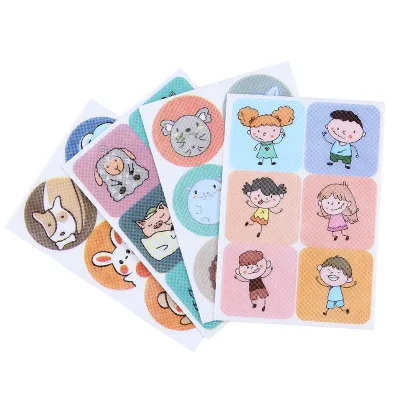
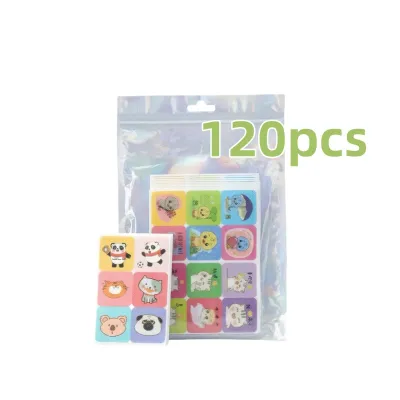
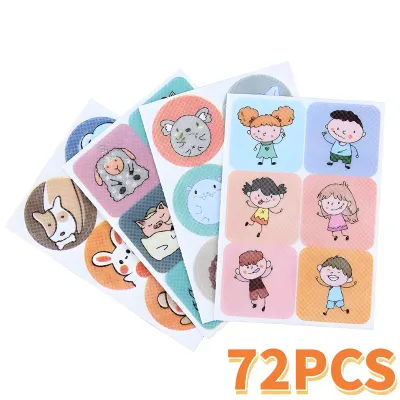
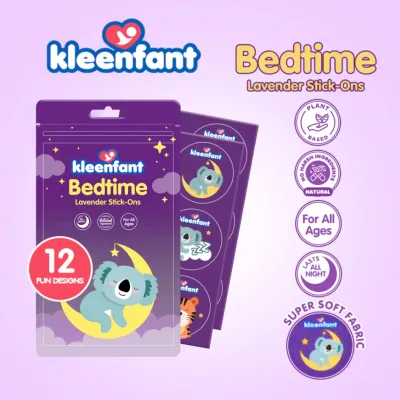
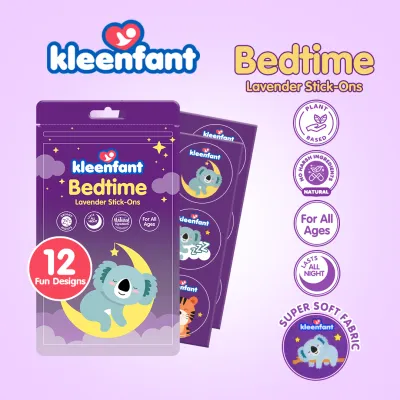
Prices are valid at publication and may change. Please refer to the product page for the latest price.
A critical medical fact that every caregiver must understand is the behavior of the Aedes aegypti mosquito, the primary vector for the dengue virus. Unlike many common pests, this mosquito is predominantly a daytime biter, with peak activity occurring during the early morning hours and the late afternoon before dusk. Consequently, daytime hours require the most rigorous preventative measures, such as protective clothing and indoor screens, to guard against dengue transmission.
Although the threat of dengue is concentrated during daylight hours, nighttime mosquito protection remains vital for your baby’s health and development. Other common species, such as the Culex mosquito, are highly active at night and thrive in the warm, humid air of the evening. While these nighttime pests do not transmit the dengue virus, their bites cause intense itching, localized swelling, and severe sleep disruption for infants.
When a baby scratches these itchy nighttime bites, they can easily break their delicate skin barrier, which is still developing and highly fragile. This opening introduces bacteria from the baby’s hands or bedding, increasing the risk of secondary skin infections that may require medical treatment. Therefore, establishing a reliable evening defense is crucial for your baby’s comfort, and nighttime patches can serve as a helpful supplementary tool in this overall routine.
Mosquito Repellent vs. Sleep Patch for Baby: What Parents Must Know
Navigating the baby care market can be confusing, especially when terms like “sleep” and “protection” are used interchangeably on packaging. Parents must clearly distinguish between a dedicated mosquito repellent patch and a transdermal sleep patch for baby care. These two product categories serve entirely different health purposes, and confusing them can lead to dangerous product misuse or a false sense of security.

A genuine baby mosquito repellent patch is a non-topical sticker infused with plant-based essential oils, most commonly citronella, lemongrass, or peppermint. These oils gradually release vapors that mask the human scents—such as carbon dioxide and lactic acid—that mosquitoes use to locate their targets. These patches do not contain sleep-inducing chemicals; their sole function is to create a localized scent barrier that makes it harder for insects to find your baby.
Conversely, some products marketed as sleep aid patches are designed to promote relaxation or biochemically induce sleep. These may contain highly concentrated aromatherapy blends like lavender and chamomile, or transdermal melatonin designed to be absorbed through the skin. Melatonin patches and active transdermal sleep supplements are unsafe and entirely inappropriate for infants, as they can interfere with a baby’s developing endocrine system and natural sleep cycles.
Caregivers must read product packaging with extreme care before making a purchase, paying close attention to the active ingredients list on the back. Ensure the label explicitly states that the product is formulated, tested, and registered as an insect repellent rather than a sleep aid. Never assume that a sticker labeled “natural,” “organic,” or “calming” possesses mosquito-repelling properties, nor should you assume a repellent patch is designed to biochemically induce sleep.
How to Choose Safe Mosquito Repellent Patches for Infants
Selecting the right repellent product for an infant requires a careful balance between efficacy and safety. Because babies have highly sensitive systems, parents must look beyond attractive packaging and evaluate the actual formulation of the patches. Understanding what goes into these products is the first step in protecting your baby from both pests and chemical irritation.
Checking Active Ingredients and Age Limits
When selecting a repellent patch, the ingredient list is your primary safety guide. Most commercial baby mosquito patches rely on plant-derived essential oils like citronella, lemongrass, rosemary, or peppermint. These natural extracts are generally preferred for young infants because they avoid the systemic absorption risks associated with strong synthetic chemicals.
However, “natural” does not automatically mean free of risk for a developing baby. Highly concentrated essential oils emit strong fragrances that can sometimes trigger respiratory irritation, coughing, or mild congestion in sensitive infants. If the oils accidentally contact the baby’s skin, they can also cause contact dermatitis, redness, or localized allergic reactions.
Synthetic active ingredients like DEET and Picaridin, or highly concentrated botanicals like Oil of Lemon Eucalyptus (OLE), carry strict age restrictions. Pediatric guidelines generally advise against using DEET or Picaridin on infants under two months of age. Furthermore, OLE (which contains para-menthane-3,8-diol) is strictly not recommended for children under three years old due to potential skin and eye irritation.
Because safety profiles vary widely, caregivers must always verify the specific manufacturer’s minimum age recommendation printed on the product packaging. If a product does not clearly state an age limit or lists ambiguous ingredients, it is safest to skip it. Always consult your pediatrician before introducing any new repellent product to your baby’s sleep environment.
Placement, Skin Sensitivity, and Choking Hazards
A fundamental safety rule for baby mosquito patches is that they should almost never be applied directly to an infant’s delicate skin. A baby’s skin barrier is significantly thinner and more permeable than an adult’s, making them highly susceptible to chemical absorption and localized skin reactions. Direct contact with essential oils can lead to painful rashes or chemical burns.
To use these patches safely, always apply them to external surfaces rather than the skin. Excellent placement options include the outer back of the baby’s sleepwear (where they cannot reach it), the exterior frame of the crib or bassinet, or nearby bedding that remains out of the baby’s immediate grasp. This allows the scent barrier to function without risking direct dermal contact.
Another critical hazard to manage is the risk of choking and accidental ingestion. Infants are naturally curious and explore their world by putting objects in their mouths. A loose or poorly placed adhesive patch can easily be peeled off by a baby, presenting an immediate choking hazard or risk of chemical poisoning if swallowed.
Always ensure the patch is pressed firmly onto a clean, dry fabric or wooden surface, completely out of your baby’s line of sight and reach. Monitor the adhesive quality regularly, as the high humidity in the Philippines can sometimes cause the edges of the sticker to peel or curl, making it easier for an active baby to detach. If you notice any signs of skin irritation or if the baby accidentally handles a patch, wash the affected area immediately with mild soap and water and seek professional medical advice.
Building a Complete Nighttime Anti-Mosquito Strategy for Babies
While mosquito patches can offer localized scent masking, their effective radius is quite small and their duration is limited. No single patch can provide complete, full-body protection throughout the night. For this reason, pediatricians emphasize that physical barriers and environmental controls must form the foundation of your baby’s nighttime defense.
Physical Barriers and Sleepwear
The traditional mosquito net, locally known as a kulong, remains the gold standard and safest physical barrier for protecting sleeping infants. A fine-mesh net draped securely over the crib or bassinet completely blocks mosquitoes from reaching your baby without introducing any chemical exposures. This is particularly crucial for newborns under six months of age who have the most sensitive skin and respiratory systems.
To ensure the effectiveness of the kulong, parents should regularly inspect the netting for any small holes or tears. It is also important to wash the net periodically to remove dust and allergens that can accumulate in the mesh. When draping the net, make sure it is tucked securely under the mattress so that no stray mosquitoes can find an opening at the bottom.
In addition to netting, proper sleepwear selection plays a vital role in minimizing exposed skin. Dress your baby in lightweight, loose-fitting, long-sleeved cotton pajamas and long pants. The loose fit makes it difficult for mosquitoes to bite through the fabric to reach the skin, while the breathable cotton fabric prevents overheating in the warm, humid climate.
Environmental Controls for the Nursery
Securing the physical environment of the nursery is another indispensable step in preventing nighttime bites. Ensure that all windows and doors leading into the baby’s sleeping area are fitted with intact, fine-mesh screens. Regularly inspect these screens for small tears or gaps where mosquitoes could slip inside during the evening hours.
Utilizing indoor climate controls can also significantly disrupt mosquito activity. Running an air conditioner or a simple electric fan creates constant airflow in the room. Mosquitoes are weak fliers and find it extremely difficult to navigate and land on a target in moving air. Furthermore, cooler room temperatures reduce the baby’s body heat and sweat production, which are primary natural attractants for mosquitoes.
When using a fan, position it so that it creates a gentle, circulating breeze in the room rather than blowing directly on the baby’s face, which can dry out their nasal passages. This indirect airflow keeps the room cool and mosquito-free while maintaining a comfortable sleeping environment.
Finally, the most effective environmental control is to eliminate mosquito breeding grounds at their source. Regularly inspect the interior and exterior of your home for any standing water, such as in plant saucers, uncovered buckets, or clogged gutters. By removing these stagnant water sources, you directly reduce the local mosquito population and lower the overall risk of bites during the dengue season.
Frequently Asked Questions (FAQ)
Can I put a mosquito patch directly on my baby's skin?
No, you should not apply a mosquito patch directly to your baby’s skin. The concentrated essential oils infused in the patch can easily irritate an infant’s sensitive, thin skin, leading to contact dermatitis, redness, or allergic reactions. Additionally, placing a sticker directly on the skin increases the risk that the baby will peel it off, creating a severe choking or ingestion hazard. Always apply the patch to the outside of their clothing, the crib frame, or other nearby surfaces that are completely out of your baby’s reach. If direct skin contact accidentally occurs and you notice redness or swelling, wash the area immediately with mild soap and water and consult your pediatrician.
Do mosquito patches protect against dengue-carrying mosquitoes?
Mosquito patches do not provide a highly reliable shield against dengue-carrying mosquitoes. While they can help mask human scents in a very localized area, they are not powerful enough to guarantee protection against the Aedes aegypti mosquito, which transmits dengue. Because dengue-carrying mosquitoes are most active during the daytime, your primary defense must rely on daytime physical barriers, window screens, and eliminating stagnant water around your home rather than relying solely on nighttime patches. For comprehensive protection, combine daytime precautions with nighttime physical barriers like mosquito nets.
At what age can babies safely use mosquito repellent patches?
The safe age for using mosquito patches depends entirely on the active ingredients and how the product is applied. While plant-based citronella patches are generally considered safe to use around infants when attached to clothing or a crib frame, you must always check the manufacturer’s specific age guidelines on the packaging. For newborns under two months of age, it is highly recommended to consult your pediatrician before using any repellent products, and to rely primarily on physical barriers like mosquito nets. Always verify that any product you choose is certified and registered for use on children.
Community discussion
Share your experience or ask a question. Comments are reviewed before publication.