
Selecting the right breast milk storage system is one of the most critical decisions for pumping mothers transitioning back to work or managing a busy lifestyle outside the home. The ideal setup must balance convenience, space efficiency, and safety, ensuring that every drop of expressed milk is preserved perfectly. For mothers using portable or wearable pumps, finding a compatible storage solution is essential to streamline the daily routine. The Momcozy milk storage lineup offers several distinct options—ranging from space-saving disposable bags to durable reusable bottles and versatile portable containers—each designed to meet specific logistical needs.
The best choice for your routine depends on how long you are away from home, your access to refrigeration, and your preferred feeding methods. For long office days and building a robust freezer stash, high-capacity disposable bags provide unmatched space efficiency. If your daily schedule involves direct feeding or short-term refrigeration, reusable bottles that connect directly to your pump flanges and baby bottle nipples minimize milk transfer and waste. For short commutes or quick errands, specialized portable containers offer a compact, leak-proof alternative. Understanding the unique advantages and operational limits of each format allows you to build a reliable, stress-free feeding plan.
Identifying Your Outside-the-Home Storage Needs
Pumping outside the comfort of your home introduces a unique set of logistical challenges that require careful planning. Working and traveling mothers frequently navigate limited bag space, the physical demands of commuting, and the need for discreet, efficient setups. In busy environments, such as offices or public transit systems, the risk of leaks or spills during transit can turn a successful pumping session into a stressful loss. Consequently, selecting storage vessels that feature secure, multi-layered seals is paramount to protecting your expressed milk during active movement.
Products mentioned in this guide
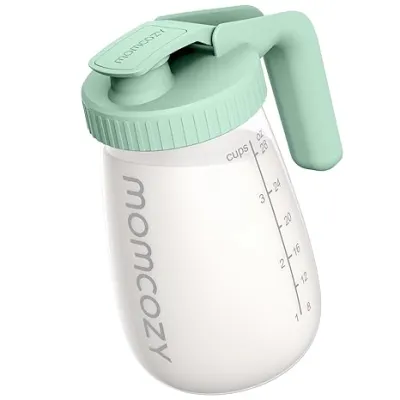
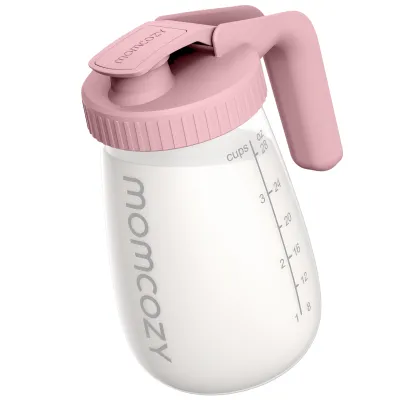
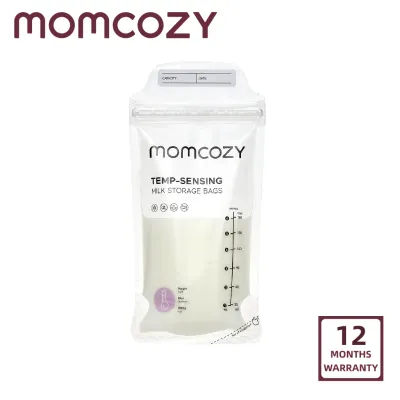
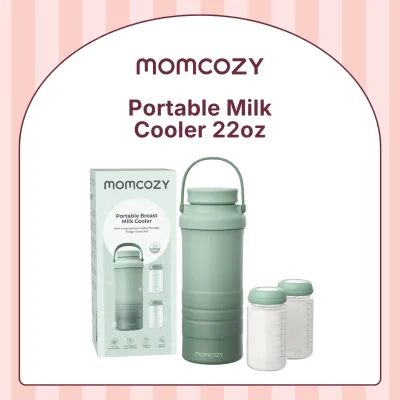
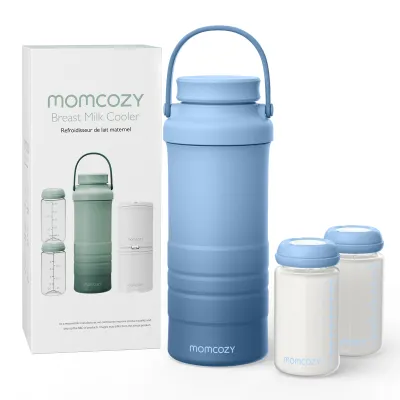
Prices are valid at publication and may change. Please refer to the product page for the latest price.
Pump compatibility is another critical factor that directly impacts your daily efficiency. When your storage containers do not align with your breast pump, you are forced to transfer milk from the collection cups into a separate storage vessel. This extra step not only increases the risk of accidental spills but also exposes the milk to potential environmental contaminants. Matching your Momcozy milk storage products to your specific wearable or portable breast pump ensures a closed, streamlined system that preserves hygiene and saves valuable minutes during busy workdays.
Furthermore, local environmental conditions play a significant role in how you manage your storage setup. In warm, tropical climates like the Philippines, high ambient temperatures and elevated humidity accelerate the risk of bacterial growth in expressed milk. This environmental reality makes reliable temperature control during transit absolutely non-negotiable. Mothers must account for long commutes through heavy traffic or warm transit hubs by pairing their storage vessels with high-quality insulated transport gear, ensuring the cold chain remains unbroken from the office to the home freezer.
Comparing Momcozy Storage Formats: Bags, Bottles, and Containers
To build an effective on-the-go pumping routine, it is helpful to compare the distinct design features, advantages, and limitations of the primary storage formats available. Each category serves a specific purpose within a mother’s daily workflow, and understanding these differences prevents unnecessary purchases and optimizes your daily organization.

Breast Milk Storage Bags
Disposable breast milk storage bags are the standard choice for mothers focused on building a long-term freezer stash. Because these bags are designed to lay completely flat when filled, they maximize limited freezer space in both home refrigerators and shared office breakrooms. This flat-freezing capability allows you to organize your milk chronologically, creating a highly efficient “milk library” that simplifies inventory management and ensures older milk is used first.
While bags offer excellent space efficiency, they are strictly single-use items, which requires a continuous supply and ongoing cost considerations. Before purchasing, it is vital to inspect the design for robust safety features, such as reinforced side seams and secure double-zipper closures, which prevent accidental bursts during freezing or thawing. Additionally, always verify the maximum fill lines printed on the bag. Water expands as it freezes, and overfilling a storage bag beyond the recommended limit can compromise the seal, leading to leaks and lost milk during the thawing process.
Reusable Storage Bottles
For daily refrigeration and direct feeding, reusable storage bottles provide a highly practical and eco-friendly alternative to disposable bags. These bottles are ideal for short-term storage in the office refrigerator, allowing you to store freshly pumped milk safely for the next day’s feeds. Because they are rigid and sturdy, they protect the milk from being squeezed or punctured inside a crowded diaper bag or cooler.
When choosing reusable bottles, always verify the thread compatibility with your specific breast pump flanges and baby bottle nipples. A compatible thread system allows you to pump directly into the bottle, attach a sealing cap for transport, and later swap the cap for a nipple to feed your baby without transferring the milk to another vessel. Additionally, carefully review the manufacturer’s cleaning and sterilization instructions. Reusable plastics and glass require diligent maintenance, and understanding whether a bottle is safe for steam sterilization, boiling water, or UV sanitizing is essential for maintaining proper hygiene over long-term use.
Portable Storage Containers
Specialized portable storage containers or silicone cups offer a versatile middle ground for short trips and temporary holding. These containers are typically designed for situations where a full cooler bag or a large stack of bottles is impractical. Their compact, sturdy designs make them easy to slip into a small handbag or a compact insulated pouch, providing a discreet option for quick outings or brief commutes.
Before relying on portable containers, instruct yourself to verify their spill-proof lid mechanisms and total capacity limits. Ensure the container’s volume matches or exceeds your average pumping output per session to avoid overfilling. It is also important to clarify the material ratings of these specific containers. While some silicone or heavy-duty plastic containers are rated for freezer storage, others are strictly designed for short-term refrigeration or room-temperature holding, meaning they should not be subjected to sub-zero temperatures.
Matching Products to Your Daily Pumping Routine
An optimized pumping routine rarely relies on a single storage format; instead, most successful working mothers employ a hybrid approach tailored to their specific daily schedule. For full-time office workers who pump multiple times a day, a combination of reusable bottles and disposable bags offers the ideal balance of convenience and long-term storage. You can pump directly into reusable bottles, store them in the office refrigerator for immediate use the following day, and transfer any surplus milk into storage bags at the end of the week to build your home freezer stash.
For hybrid workers or occasional travelers, a more streamlined, minimalist setup is often more practical. If you split your time between home, the office, and external meetings, minimizing the amount of gear you carry is essential. In this scenario, focusing on versatile, leak-proof portable containers that can serve as both storage units and feeding vessels reduces the number of accessories you must clean and transport. This lightweight approach keeps your diaper bag organized and minimizes the physical burden of your daily commute.
Regardless of your specific schedule, prioritizing hygiene during the pumping and storage process is critical for your baby’s health. Whenever possible, aim to pump directly into the final storage vessel. Every time breast milk is poured from one container to another, small amounts of fat and nutrients stick to the walls of the vessel, resulting in minor milk loss. More importantly, limiting the number of transfers significantly reduces the risk of introducing environmental bacteria, ensuring that the milk remains as clean and safe as possible from the moment it is expressed to the moment it is consumed.
Safe Transport and Handling Practices for Breast Milk
Safely transporting expressed breast milk outside the home requires strict adherence to temperature control and material safety guidelines. When commuting in warm weather or high-humidity environments, always use a high-quality insulated cooler bag paired with contoured, fully frozen ice packs. Position the storage bags or bottles directly against the ice packs to maintain a consistently low temperature, and avoid placing the cooler bag in direct sunlight or inside a hot car trunk.
Before preparing your milk for transport or warming, always check the product labels for specific material limits and temperature thresholds. Never subject plastic storage bags or bottles to extreme heat sources, such as microwaves or direct boiling water, unless the manufacturer explicitly states the material is rated for such temperatures. Microwaving breast milk can create dangerous hot spots that can burn your infant’s mouth, and it can also degrade the essential nutrients and protective antibodies present in the milk. Instead, thaw frozen milk gradually in the refrigerator overnight or warm it gently under lukewarm running water or in a dedicated bottle warmer.
To ensure absolute safety, consult recognized health authorities, such as the World Health Organization (WHO) or your local Department of Health, along with your pediatrician, for up-to-date guidelines on breast milk storage time limits. While general rules of thumb exist, storage limits can vary based on ambient room temperature and the specific type of cooling equipment used. In tropical regions, the safe window for leaving expressed milk at room temperature is significantly shorter than in cooler climates, making immediate refrigeration or active cooling even more critical.
Finally, establish a strict stop-condition for your storage routine to protect your infant from foodborne illness. Always inspect the physical integrity of your storage vessels before and after transport. If you discover a compromised seal, a punctured bag, or a leaking cap, discard the milk immediately. Additionally, if breast milk has been left at room temperature or inside an uncooled bag beyond the recommended safety limits established by health authorities, do not attempt to salvage or freeze it. Prioritizing caution and maintaining a strict disposal protocol is the safest approach for your child’s health.
Frequently Asked Questions (FAQ)
Can I pump directly into Momcozy storage bags?
Direct pumping into storage bags depends entirely on the specific design of the bag and the availability of compatible adapters for your breast pump. Some storage bags are designed with pre-punched holes or wider openings that accommodate direct attachment, while others require a separate adapter clip to connect the bag securely to the pump’s milk collection path. Before attempting to pump directly, check your product packaging to see if adapters are included, or purchase verified compatible connectors separately to prevent accidental spills and secure a leak-proof connection.
How do I safely transport expressed milk in warm weather?
To safely transport expressed milk in hot or humid weather, utilize a dedicated insulated cooler bag equipped with multiple fully frozen gel ice packs. Arrange your storage bags or bottles so they are in direct contact with the cold source, and keep the cooler bag tightly zipped throughout your commute to minimize exposure to warm air. Once you reach your destination, whether it is your office or your home, immediately transfer the milk to a refrigerator or freezer to maintain the cold chain and prevent bacterial growth.
Community discussion
Share your experience or ask a question. Comments are reviewed before publication.