
Breastfeeding is a deeply rewarding yet physically demanding journey, particularly for mothers navigating the tropical climate of the Philippines. Maintaining a consistent breast milk supply requires a delicate balance of proper nutrition, adequate hydration, and frequent milk removal. To support this demanding process, many mothers turn to specialized lactation treats, often referred to as milking bombs or lactation bites, which are designed to provide a convenient, nutrient-dense boost to their daily diet.
Selecting the right lactation snacks involves more than just picking a delicious treat; it requires a careful look at active ingredients, nutritional balance, and safety profiles. While these snacks can be highly beneficial, they must be chosen with an understanding of how they interact with your body and your baby’s digestive system. This guide will help you evaluate the options available in the local market so you can make an informed, safe, and effective choice for your breastfeeding journey.
Quick Guide to Choosing Lactation Snacks
Milking bombs and lactation snacks are specialized, supplementary food products formulated with galactagogues—natural herbs, seeds, and grains believed to help stimulate and support breast milk production. These treats are designed to offer a concentrated source of maternal nutrients, making it easier for busy mothers to meet their elevated daily caloric and nutritional needs during postpartum recovery and active lactation.
Products mentioned in this guide
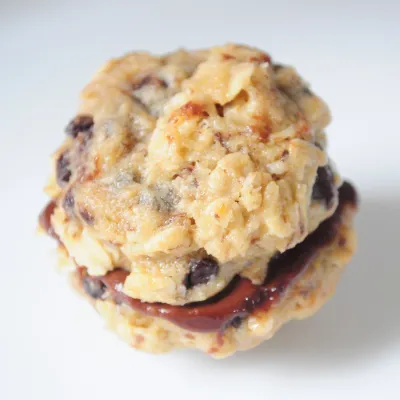
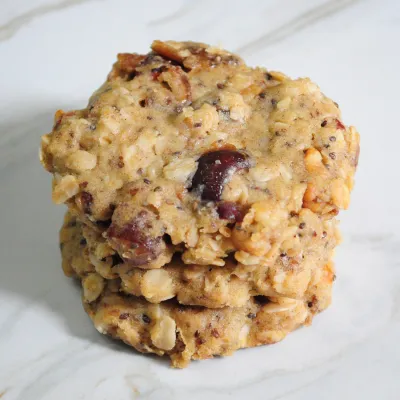
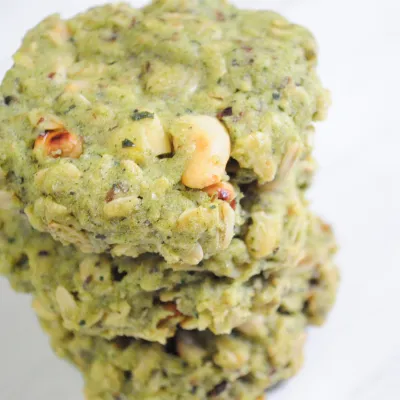
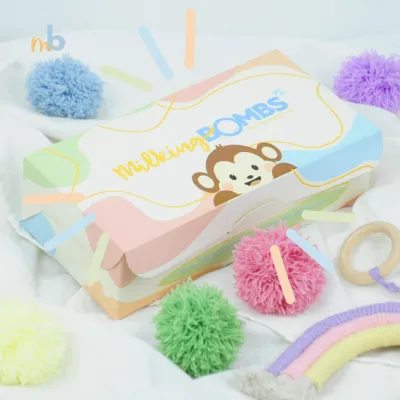
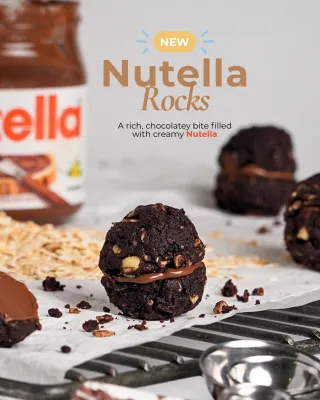
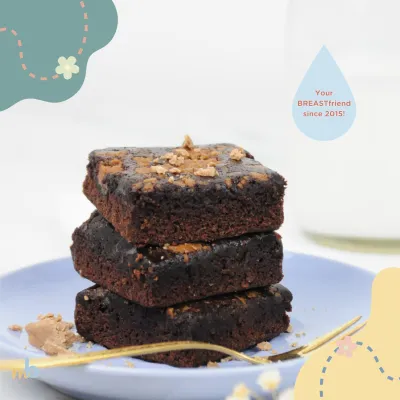
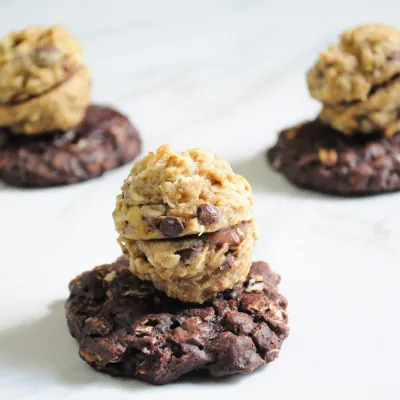
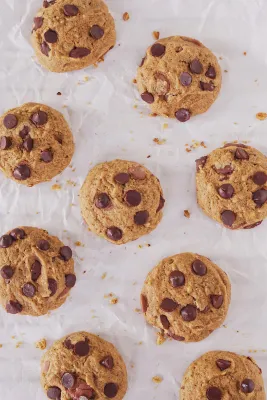
Prices are valid at publication and may change. Please refer to the product page for the latest price.
When selecting these snacks in the local market, you should focus on three primary decision-making criteria:
- Active Milk-Boosting Ingredients: Look for products that list recognized galactagogues, such as oats, brewer's yeast, flaxseed, or moringa (malunggay), near the top of their ingredient lists to ensure they are present in functional quantities.
- Balanced Sugar and Saturated Fat Content: Carefully examine product labels to avoid snacks with excessive refined sugars and hydrogenated oils, which can cause rapid blood sugar fluctuations and potentially contribute to clogged milk ducts.
- Allergen and Sensitivity Screening: Check for common allergens like peanuts, tree nuts, dairy, wheat, and soy, ensuring the ingredients are safe for both you and your breastfed infant.
It is vital to establish realistic expectations before incorporating these treats into your routine. Lactation snacks are supportive dietary aids; they are not magic solutions and cannot replace the physiological foundation of milk production. A healthy supply relies primarily on frequent breast emptying—either through direct nursing or regular pumping—alongside consistent hydration and a balanced diet.
What Are Milking Bombs and How Do They Support Milk Supply?
The terms “milking bombs,” “lactation bites,” and “lactation energy balls” generally refer to bite-sized, nutrient-dense snacks specifically formulated for breastfeeding mothers. These treats are typically crafted from a blend of whole grains, healthy fats, and targeted herbal supplements. They serve as a highly convenient snack option for mothers who need quick, one-handed nutrition while nursing, pumping, or managing a busy postpartum schedule.

The primary mechanism behind these snacks lies in their use of galactagogues, which are substances known to support or increase milk production. Some galactagogues work by providing essential micronutrients, such as B vitamins and iron, which help combat maternal fatigue and support overall metabolic function. Other herbal galactagogues may interact with the body’s endocrine system, helping to support the hormones prolactin and oxytocin, which are responsible for milk synthesis and the letdown reflex.
However, these ingredients do not work in isolation. The human body produces breast milk based on a highly sensitive supply-and-demand feedback loop. When a baby nurses or a mother pumps, the physical stimulation and removal of milk signal the brain to produce more. No lactation snack or supplement can independently guarantee an increase in milk supply without this essential physical demand. Milking bombs should always be viewed as a nutritional complement to a robust breastfeeding or pumping routine.
Key Galactagogue Ingredients to Check on Product Labels
When shopping for lactation snacks, reading the ingredient label is the most reliable way to determine if a product will actually support your breastfeeding goals. Ingredients are listed on food labels in descending order by weight, meaning the first few ingredients make up the majority of the product. To ensure you are getting a high-quality snack, look for active galactagogues listed near the beginning of the ingredient list, rather than at the very end as trace components.
Oats and Whole Grains
Oats are the literal foundation of most lactation recipes, and for good reason. They are an excellent source of complex carbohydrates, which provide a slow, steady release of energy to help you sustain the high metabolic demands of milk production. Oats are also naturally rich in iron, a crucial mineral for postpartum recovery; maternal iron deficiency anemia is a well-documented factor that can negatively impact milk supply.
When evaluating labels, prioritize products made with whole rolled oats or steel-cut oats rather than highly processed oat flour. Whole rolled oats retain their natural fiber, which helps regulate digestion and keeps blood sugar levels stable. Highly processed oat flour, on the other hand, is digested much more rapidly, which can lead to quick spikes and drops in your energy levels.
Flaxseed and Chia Seeds
Flaxseed and chia seeds are outstanding additions to lactation snacks, offering a wealth of essential fatty acids and dietary fiber. These seeds are particularly rich in alpha-linolenic acid (ALA), an omega-3 fatty acid that is vital for your baby’s brain and eye development. By consuming healthy fats, you help enrich the nutritional profile of your breast milk while supporting your own cardiovascular health.
In addition to omega-3s, flaxseed contains phytoestrogens, which are plant-derived compounds that can weakly mimic the hormone estrogen and may play a role in supporting lactation. When checking product labels, ensure that the product uses ground flaxseed rather than whole flaxseed. The human digestive system cannot easily break down the tough outer shell of whole flaxseeds, meaning they will likely pass through your body undigested without releasing their valuable nutrients.
Fenugreek and Brewer's Yeast
Fenugreek and brewer’s yeast are two of the most potent and widely discussed galactagogues in the breastfeeding community. Fenugreek is an herb that has been used traditionally for centuries to stimulate milk production. While many mothers report positive results, it is important to be aware of potential side effects, such as a distinct maple syrup-like odor in sweat and urine, mild digestive upset, or gas in both mother and baby. Fenugreek should be avoided by individuals with thyroid disorders, diabetes, or allergies to peanuts and chickpeas, as cross-reactivity can occur.
Brewer’s yeast is a highly nutritious byproduct of beer brewing, packed with B-complex vitamins, iron, selenium, and chromium. These nutrients are excellent for supporting maternal energy levels, mood, and immune function. However, brewer’s yeast has a naturally bitter taste, which manufacturers often mask with sweeteners or cocoa. It can also cause gas, bloating, or abdominal discomfort in some individuals. If you or your baby are prone to thrush or yeast infections, you may want to consult your healthcare provider before consuming products containing brewer’s yeast.
Moringa (Malunggay)
Moringa, locally known as malunggay, is a powerhouse ingredient deeply rooted in Philippine culture. It is widely recognized by local healthcare professionals and pediatricians as an exceptional natural galactagogue. Rich in calcium, iron, vitamin A, vitamin C, and essential amino acids, malunggay provides a comprehensive nutritional boost that supports both the volume and nutritional quality of breast milk.
When reviewing labels on locally made lactation snacks, look for ground malunggay leaves or malunggay powder. Because of its mild, slightly earthy flavor, it blends seamlessly into cookies, energy balls, and herbal teas. Choosing snacks that feature high-quality malunggay is an excellent way to leverage local, time-tested ingredients for your lactation journey.
Common Types of Milking Bombs and Lactation Snacks
The local market in the Philippines offers a wide variety of lactation snacks to suit different tastes, dietary preferences, and lifestyles. Understanding the distinct formats available through online marketplaces and specialty maternal care stores can help you choose the options that best fit your daily routine and storage capabilities.
Lactation Energy Balls (Milking Bombs)
Lactation energy balls, frequently marketed as milking bombs, are typically raw, no-bake treats made with a base of dates, nut butters, oats, and seeds. They are soft, chewy, and highly concentrated sources of nutrition and energy.
- Pros: Extremely convenient, easy to eat with one hand while multitasking, and generally free from highly refined flours and artificial preservatives.
- Cons: Because they are raw and contain fresh ingredients, they are highly sensitive to the tropical heat and humidity of the Philippines. They can spoil or melt quickly if left at room temperature. It is essential to verify if the seller uses moisture-resistant, airtight packaging and whether the product requires immediate refrigeration or freezing upon delivery.
Lactation Cookies and Baked Goods
Lactation cookies, brownies, blondies, and muffins are classic baked treats that have been infused with galactagogues like brewer’s yeast, flaxseed, and oats.
- Pros: Familiar, comforting, and highly satisfying, making them a popular choice for mothers looking for a sweet treat during late-night nursing sessions.
- Cons: Many commercial and homemade baked goods are loaded with refined sugars, butter, and saturated fats to enhance their flavor. Consuming these in large quantities can lead to blood sugar spikes and subsequent energy crashes, which can worsen postpartum fatigue. Furthermore, a high intake of saturated fats can sometimes increase the risk of developing clogged milk ducts.
Lactation Teas and Drink Mixes
For mothers who prefer to drink their supplements, lactation teas and powdered drink mixes offer a liquid alternative. These often feature local ingredients like malunggay (moringa) alongside traditional herbs like fennel, anise, and fenugreek.
- Pros: They actively encourage hydration, which is a fundamental requirement for maintaining a healthy milk supply. They are easy to prepare and can be consumed hot or cold, providing a refreshing option in warm weather.
- Cons: Powdered chocolate or coffee-style drink mixes can contain significant amounts of added sugar. Herbal teas can have strong, medicinal flavors that may not appeal to all palates, and their active ingredient concentration can vary widely between brands.
How to Evaluate and Select Lactation Snacks Locally
Navigating the wide array of lactation products in the Philippines requires a discerning eye, especially when purchasing from independent home bakers or local brands on ecommerce platforms. Because these products directly affect your health and, by extension, your baby’s well-being, food safety and quality control should be your top priorities.
When buying lactation snacks, start by verifying the credibility of the seller. Look for brands that provide complete transparency regarding their ingredient lists, allergen warnings, and manufacturing practices. While large-scale, FDA-registered brands offer a high level of safety assurance, many small-batch local bakers also maintain excellent standards. Read customer reviews carefully, paying close attention to feedback regarding product freshness, packaging quality, and customer service.
The tropical climate of the Philippines means that proper packaging is crucial for preventing spoilage. Ensure the snacks are delivered in sealed, airtight, and moisture-resistant packaging. If you are purchasing fresh, preservative-free milking bombs or baked goods, check the product description for storage instructions. Many of these items must be placed in the refrigerator or freezer immediately upon arrival to prevent the growth of mold or bacteria.
Use this practical checklist to evaluate the nutritional value of lactation snacks:
- High Protein and Fiber: Choose snacks that offer a good balance of protein (from nuts, seeds, or grains) and dietary fiber to promote satiety and support postpartum digestion.
- Low Added Sugars: Prioritize products that use natural sweeteners like dates, honey, or coconut sugar in moderation, and avoid those with high amounts of high-fructose corn syrup or refined white sugar.
- Minimal Artificial Additives: Opt for clean-label products with few to no artificial preservatives, colors, or synthetic flavors.
- Clear Expiration Dates: Always verify the expiration or "best before" date before consuming, particularly for small-batch, homemade treats that lack artificial preservatives.
Safety, Allergens, and Realistic Expectations for Milk Supply
While milking bombs and lactation snacks are generally safe for most mothers, they are not without risks. Many of the most common ingredients used in these treats—such as peanuts, almonds, cashews, dairy, soy, and gluten—are major allergens. If you or your baby have a family history of food allergies, or if your baby shows signs of sensitivity, you must exercise extreme caution.
Monitor your breastfed baby closely after you introduce any new lactation snack to your diet. Signs of a food sensitivity or allergic reaction in infants can include:
- Excessive fussiness, colic, or inconsolable crying
- Skin rashes, hives, or eczema flare-ups
- Unusual stool changes, such as green, watery, or mucus-filled stools
- Frequent, forceful spitting up or vomiting
If you observe any of these symptoms, or if you experience allergic reactions or severe digestive distress yourself, stop consuming the snack immediately and consult your healthcare provider.
Additionally, be mindful of the caloric density of these treats. Breastfeeding does require extra energy—typically about 300 to 500 additional calories per day—but consuming multiple high-calorie cookies or energy balls daily can easily lead to excessive caloric intake. This can hinder your postpartum weight management and, if the snacks are high in sugar, can lead to blood sugar imbalances and energy fluctuations.
Most importantly, remember that persistent low milk supply is a clinical concern that cannot be resolved by commercial snacks alone. If you are struggling with supply, experiencing pain while nursing, or suspect your baby is not getting enough milk, it is essential to seek professional guidance. Consult a certified lactation consultant (IBCLC) or your pediatrician. They can provide a comprehensive assessment to address root causes, such as an improper latch, infant oral restrictions like tongue-tie, hormonal imbalances, or incorrect breast pump flange sizing, ensuring you and your baby receive the proper support.
Frequently Asked Questions (FAQ)
How many milking bombs should I eat per day?
You should always follow the manufacturer’s specific serving suggestions, which typically recommend consuming 1 to 2 milking bombs or lactation snacks per day. It is best to start with a single serving to observe how your body and your baby react to the ingredients, and then adjust your intake based on your hunger cues and overall daily caloric needs.
Can milking bombs cause weight gain?
Yes, milking bombs can contribute to weight gain if they cause you to exceed your daily caloric requirements. Because they are designed to be nutrient-dense and calorie-dense to support the high energy demands of lactation, they should be enjoyed as portion-controlled snacks within a balanced, wholesome postpartum diet rather than as unlimited treats.
Do lactation snacks work for exclusive pumpers?
Yes, lactation snacks can support exclusive pumpers. The nutritional benefits of the active ingredients work internally to support your body’s overall milk production capabilities regardless of how the milk is expressed. However, to see a meaningful impact on your supply, you must combine these snacks with a consistent, frequent, and effective pumping schedule to maintain the necessary physical stimulation.
Community discussion
Share your experience or ask a question. Comments are reviewed before publication.