
When preparing for an outing with your baby, packing a diaper bag requires careful planning, especially when it comes to infant feeding. A reliable milk storage container is essential for keeping breast milk or formula safe, fresh, and contained while you are on the move. Navigating tropical heat and humidity in the Philippines means that milk spoilage and leaks are constant concerns during long commutes, mall visits, or family trips. Choosing the right container ensures that your baby’s milk remains uncontaminated and ready to serve, while protecting the rest of your diaper bag essentials from messy spills.
The ideal storage solution depends on your feeding method, travel duration, and diaper bag space. Some parents prefer the space-saving convenience of disposable bags, while others choose the durability of reusable silicone pouches or the structural security of rigid bottles. By evaluating how each option handles temperature control, physical impact, and ease of use, you can select a system that keeps your baby safe and your travel routine stress-free.
What Makes a Milk Storage Container Ideal for Diaper Bags?
Traveling with infant milk introduces specific physical and environmental challenges that standard home storage solutions do not have to face. A diaper bag is a high-traffic environment, constantly being opened, closed, rummaged through, and occasionally dropped. To perform reliably in these conditions, a milk storage container must meet several strict criteria.
Products mentioned in this guide
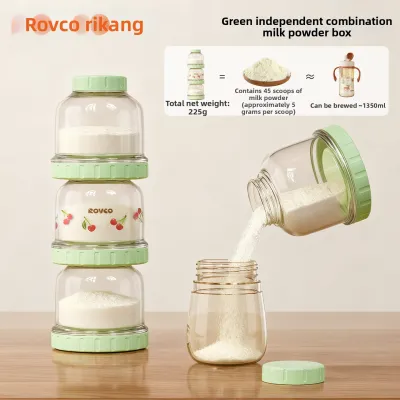
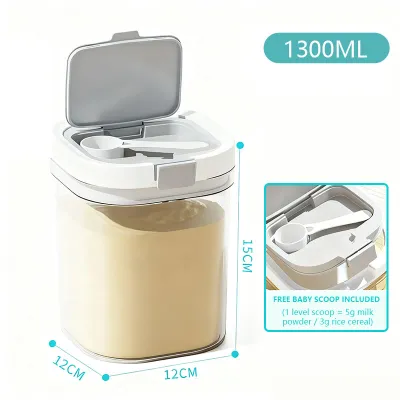
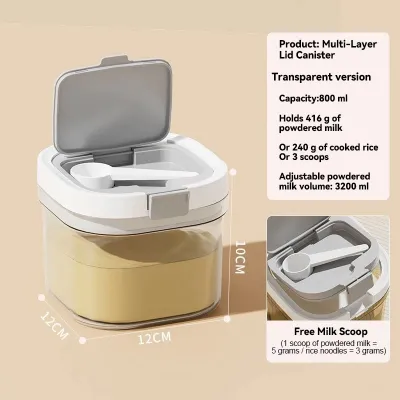
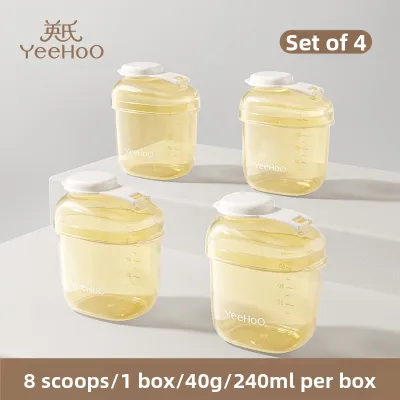
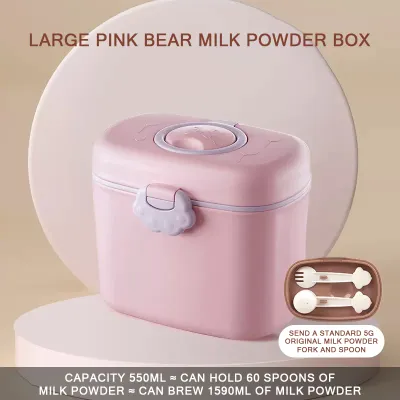
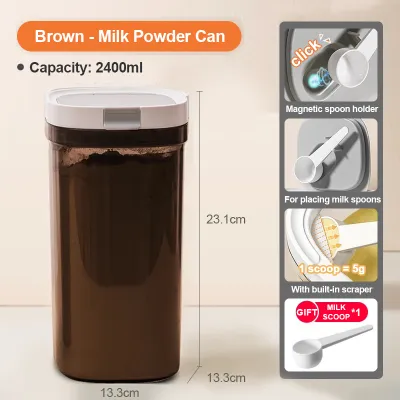
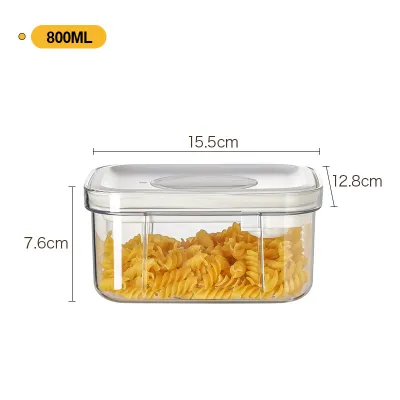
Prices are valid at publication and may change. Please refer to the product page for the latest price.
Maximizing Limited Space A standard diaper bag must accommodate diapers, wipes, changing mats, spare clothes, and toys. Space is always at a premium. An ideal container for travel must have a compact footprint. Flat-laying bags or stackable modular containers allow you to maximize the internal volume of your bag, ensuring you can carry enough milk for the day without ending up with an overly bulky or heavy load.
Ensuring Absolute Leak Prevention A single leak can ruin spare clothes, damage electronic items like phones or tablets, and waste precious breast milk or carefully prepared formula. The container must feature a highly secure sealing mechanism. Double-zipper tracks on bags or deep screw-thread caps on bottles are essential to withstand the pressure of other items shifting inside the bag during transit.
Adapting to Temperature Control Needs In warm, humid climates, milk must be kept cold to prevent rapid bacterial growth. Your chosen container must fit easily alongside contoured ice packs inside insulated compartments or small cooler bags. Containers with slim profiles or flexible materials conduct cold more efficiently, helping to maintain a safe temperature chain from the moment you leave the house until feeding time.
Verifying Material Safety and Standards Because infant health is delicate, material safety is paramount. All milk storage containers must be made from food-grade, BPA-free materials. Parents should always verify product labels, manufacturing standards, and chemical safety certifications directly on the packaging. Additionally, look for containers that can withstand temperature fluctuations without degrading or releasing harmful compounds.
Best Types of Milk Storage Containers for Travel
Understanding the distinct categories of milk storage containers allows you to weigh their practical advantages and limitations for travel. Each type offers a different balance of convenience, durability, and space efficiency.

Disposable Breast Milk Storage Bags
Disposable breast milk storage bags are a popular choice for parents who prioritize space-saving design and convenience. These bags are typically pre-sterilized and designed to lay completely flat when filled, allowing you to stack multiple servings easily within an insulated diaper bag pocket.
Key Advantages and Trade-offs
- Space Efficiency: They take up virtually no space when empty and very little space when filled, making them excellent for long day trips where diaper bag space is limited.
- Single-Use Convenience: Once your baby finishes feeding, you can simply discard the bag, eliminating the need to carry dirty, bulky containers back home.
- Environmental Impact: Because they are single-use plastic, they contribute to household waste, which may not align with eco-conscious parenting goals.
- Puncture and Leak Risks: While convenient, thin plastic bags are vulnerable to punctures from sharp diaper bag items like keys, safety pins, or toy edges. They also require meticulous sealing; if the double-zipper is not pressed completely closed, the bag will leak under pressure.
Reusable Silicone Storage Pouches
Reusable silicone storage pouches represent an eco-friendly alternative to disposable bags. Made from flexible, food-grade silicone, these pouches offer the pliability of a bag with the durability of a solid container.
Key Advantages and Trade-offs
- Durability and Flexibility: These pouches resist punctures, drops, and heavy pressure inside a packed diaper bag. They can compress slightly as they are emptied, saving space on the return trip.
- Direct Feeding Compatibility: Many high-quality silicone pouches are designed to connect directly to standard bottle nipples using specialized adapter rings. This allows you to feed your baby directly from the pouch, reducing the need to transfer milk and minimizing the risk of contamination.
- Rigorous Cleaning Requirements: In humid environments, silicone must be washed thoroughly with hot soapy water and allowed to dry completely in a well-ventilated area. Any residual moisture can quickly lead to mold or mildew growth, making prompt cleaning essential after every use.
- Upfront Investment: Reusable silicone options generally carry a higher initial cost, with single pouches often priced between ₱300 and ₱800, though they offer long-term savings compared to buying boxes of disposable bags.
Travel-Friendly Hard Bottles and Jars
Rigid containers, such as small plastic or glass bottles and jars, provide the highest level of structural protection for your baby’s milk. These containers are designed to withstand significant crushing forces inside a tightly packed diaper bag.
Key Advantages and Trade-offs
- Unmatched Structural Security: Screw-thread caps provide a highly secure, airtight seal that rarely fails, even when the bottle is compressed or tipped upside down.
- Direct Pump and Feed Integration: Most hard bottles are designed to screw directly onto compatible breast pump flanges and standard bottle nipples. This seamless integration means you can pump, store, transport, and feed using a single vessel, streamlining your travel routine.
- Bulk and Weight: Hard bottles do not compress when empty, meaning they occupy the same space in your diaper bag on the way home as they did when full.
- Material Considerations: BPA-free plastic bottles are lightweight and shatterproof, making them highly practical for travel, though they can scratch over time and harbor bacteria in those crevices. Glass bottles are highly hygienic and easy to sterilize, but they are heavy and carry a risk of breaking if dropped on hard surfaces.
How to Match the Right Container to Your Travel Routine
Choosing the right milk storage container requires looking at your daily habits, your baby’s feeding patterns, and the logistics of your typical outings. A structured decision-making framework can help you select the most practical option.
Matching Container Volume to Feeding Size To avoid wasting breast milk or carrying unnecessary weight, choose containers that match your baby’s typical feeding volume. If your baby usually drinks 4 ounces per feed, using 8-ounce bottles will result in carrying excess air and bulky containers. Conversely, using undersized containers means you will have to combine multiple portions on the go, increasing the risk of spills and contamination during the transfer process.
Evaluating Leak-Proof Mechanisms Consider how the container seals. If you frequently travel on bumpy roads or public transportation, a secure screw-thread cap offers superior peace of mind compared to a press-to-close zipper. If you prefer bags, look for designs with reinforced side seams and a wide, tactile double-zipper track that provides clear sensory feedback when fully sealed.
Assessing Cleaning and Sterilization Access Think about where you will be when the container is emptied. If you are going on a short trip to a local mall with clean facilities, rinsing a reusable bottle is straightforward. However, if you are traveling long distances or staying in locations without reliable access to clean water and sterilization equipment, disposable bags may be the safer, more hygienic choice to prevent bacterial contamination.
Ensuring Compatibility with Your Feeding System Minimize the number of loose parts in your diaper bag by selecting containers that fit your existing breast pump and bottle nipples. Using adapters or mismatched brands increases the complexity of feeding on the go and heightens the risk of dropping small parts or spilling milk while trying to assemble a feeding setup in a moving vehicle or public restroom.
Safe Transport and Leak-Prevention Tips for On-the-Go Feeding
Even the highest-quality milk storage container can fail if it is packed or handled incorrectly. Implementing a few practical, low-risk habits will keep your baby’s milk safe and your diaper bag dry.
Proper Sealing and Expansion Space When using storage bags, always gently squeeze out excess air before sealing the zipper. This reduces pressure on the seams when other items in your diaper bag press against the bag. If you plan to freeze milk before traveling, always leave at least an inch of empty space at the top of the container, as milk expands when frozen and can burst seams or pop caps open.
Strategic Diaper Bag Organization Never toss milk storage containers loosely into the main compartment of your diaper bag. Place them upright in dedicated, insulated pockets. If you are using disposable bags, consider placing them inside a small, rigid plastic container (such as a clean lunchbox) within your diaper bag. This simple step protects the flexible bags from being punctured by keys, pens, or sharp toy edges.
Maintaining the Cold Chain In warm climates, breast milk and prepared formula must be kept cold during transit. Use contoured gel ice packs designed to wrap closely around bottles, or flat ice packs that sandwich storage bags. Always consult manufacturer labels and official health guidelines regarding safe storage times and temperature limits. If you suspect the milk has reached room temperature for longer than recommended guidelines, consult a healthcare professional before feeding it to your baby.
Packing a Contingency Kit Prepare for unexpected leaks by keeping a small, waterproof wet bag or a clean plastic zip pouch in your diaper bag. If a container does leak or if you have dirty, sticky bottles to bring home, placing them inside the wet bag isolates the mess and protects the rest of your baby’s gear. Keeping a spare, compact changing pad nearby also provides a clean surface for assembling bottles or handling transfers.
Frequently Asked Questions (FAQ)
Can I reuse disposable breast milk storage bags?
No, disposable breast milk storage bags are strictly designed for single-use. Attempting to wash and reuse them can compromise the plastic, leading to micro-tears that cause leaks. Furthermore, the narrow corners of these bags make them extremely difficult to clean thoroughly, creating environments where harmful bacteria can easily multiply. If you want a reusable, eco-friendly option, invest in dedicated silicone storage pouches designed for repeated washing and sterilization.
How do I prevent milk storage bags from leaking in my diaper bag?
To prevent leaks, always run your fingers firmly across the double-zipper track multiple times to ensure a complete seal. Avoid overfilling the bags past the recommended maximum line, as this puts excess pressure on the seams. Finally, store the bags upright inside a dedicated, insulated pocket or place them inside a small, rigid plastic container within your diaper bag to shield them from being squeezed or punctured by other items.
Community discussion
Share your experience or ask a question. Comments are reviewed before publication.