
Feeding your baby while navigating transit, busy shopping malls, or family trips requires careful preparation. A reliable milk storage container is the foundation of a successful on-the-go feeding routine. The right container prevents messy spills inside your diaper bag, preserves the nutritional quality of breast milk or formula, and simplifies feeding logistics when you are away from home.
In the tropical climate of the Philippines, high ambient temperatures and humidity introduce additional challenges for food preservation. Selecting a portable storage system that integrates seamlessly with your diaper bag and cooling gear is essential. By understanding the key features of different container types, you can establish a safe, stress-free feeding workflow wherever your day takes you.
Essential Features for Travel-Friendly Milk Storage
When evaluating containers for travel, a secure leak-proof mechanism is the single most critical factor. Diaper bags experience constant movement, tipping, and jostling during transit. Look for containers that feature thick silicone sealing rings, heavy-duty screw-on lids, or double-lock zippers. These physical barriers prevent milk from escaping under pressure, protecting your diapers, spare clothes, and personal items from dampness and odor.
Products mentioned in this guide
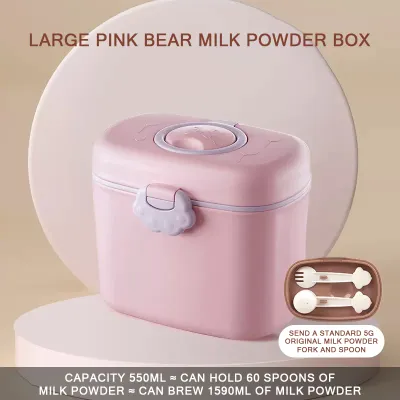
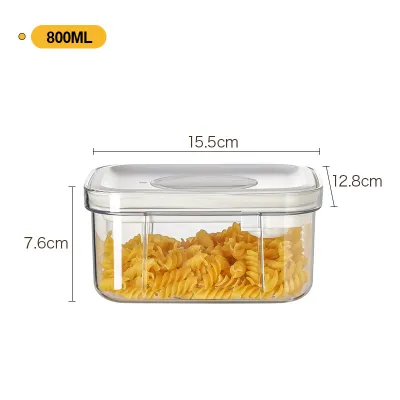
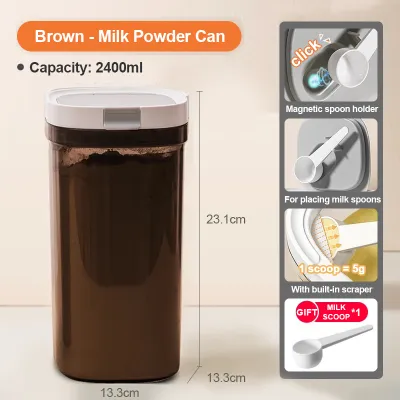
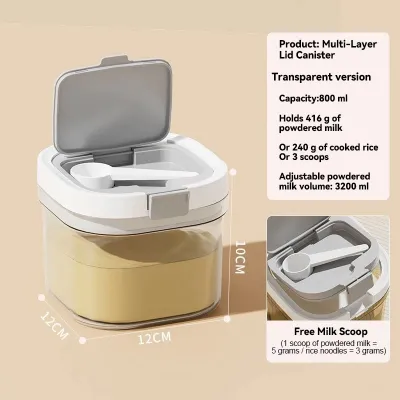
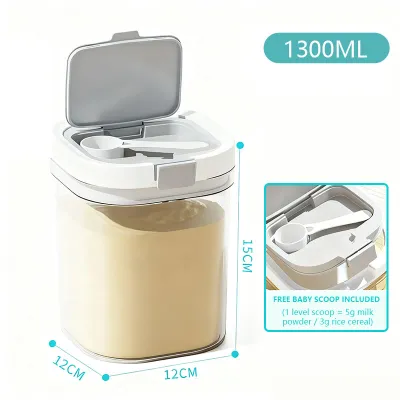
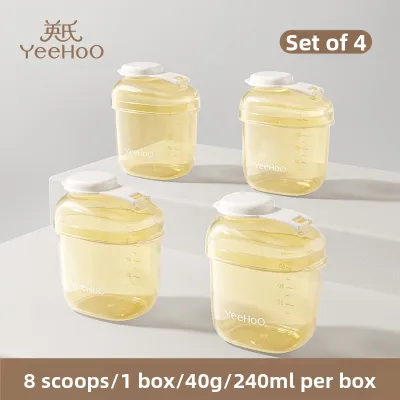
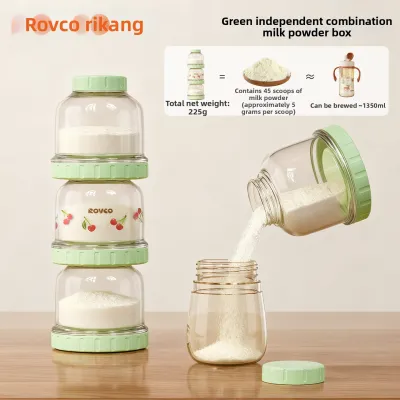
Prices are valid at publication and may change. Please refer to the product page for the latest price.
Space efficiency determines how comfortably you can pack your diaper bag. Round, bulky bottles often leave awkward gaps, whereas square, stackable, or collapsible containers maximize every square inch of your bag’s interior. If you are packing for a full day, look for modular systems that nest together when empty, allowing you to reclaim valuable storage space as your baby consumes the milk.
Material safety must be verified directly on the product packaging before use. Ensure all plastic options are explicitly labeled as BPA-free and made from food-grade polypropylene (PP) or polyphenylsulfone (PPSU). If you prefer silicone, verify that the manufacturer uses 100% food-grade, platinum-cured silicone. These materials do not leach chemicals into the milk and can withstand the high temperatures required for sterilization.
Durability is non-negotiable for travel gear. A dropped container should not result in lost milk or cracked plastic. High-quality PPSU and food-grade silicone offer excellent impact resistance compared to standard plastics or glass. Before purchasing, check the manufacturer’s drop-test ratings or material specifications to ensure the container can survive accidental falls onto hard pavement or mall floors.
Hard Containers vs. Storage Bags for Diaper Bags
Parents generally choose between rigid hard containers and flexible storage bags when packing a diaper bag. Each format presents distinct structural advantages and operational trade-offs depending on your travel duration and storage space.

Reusable Hard Containers (Silicone and Plastic)
Rigid plastic bottles and silicone cups provide superior physical protection for your milk supply. Because they maintain their shape under pressure, there is virtually zero risk of the container being squeezed or punctured by sharp objects like keys, pens, or toys inside your diaper bag. They also provide a stable base, making them easy to set down on uneven surfaces like park benches or car seats during a feeding session.
Cleaning reusable containers on the go is relatively straightforward if you have access to clean water. Their wide openings allow for thorough scrubbing, and they do not require specialized drying racks to stay upright. However, these containers are inherently heavier and bulkier than bags. They occupy the same amount of physical space in your diaper bag whether they are completely full or entirely empty, which can be inconvenient during long day trips.
Disposable and Reusable Storage Bags
Flexible breast milk storage bags offer unmatched space-saving benefits. When empty, they lie completely flat and weigh virtually nothing, allowing you to pack dozens of backups without adding bulk to your diaper bag. As your baby drinks, the empty bags can be rolled up and tucked into a tiny pocket, leaving your main bag compartment free for other essentials.
Despite their convenience, flexible bags carry a higher risk of accidental punctures if packed alongside sharp items. To prevent structural failure, store them inside a dedicated, padded pocket or a protective plastic case. Additionally, pouring milk from a flexible bag into a feeding bottle while in a moving vehicle or a crowded space requires a steady hand; some parents find it helpful to use specialized bag holders or clips to stabilize the bag and prevent spills.
Choosing the Right Design for Your Feeding Workflow
Matching your storage container to your specific pumping and feeding habits reduces the number of steps required to feed your baby, minimizing the risk of contamination and milk loss.
Pump-to-Bottle and Direct-Feed Systems
Closed-loop feeding systems allow you to pump directly into a storage bottle, seal it for travel, and later attach a standard nipple for immediate feeding. By eliminating the need to transfer milk between different vessels, you reduce the risk of introducing environmental bacteria. This workflow is highly efficient for active parents, as it minimizes the number of items you need to wash, sterilize, and pack.
Before investing in a closed-loop system, verify the compatibility of your breast pump with your storage bottles. Many brands require specific thread adapters to connect securely. Always check the manufacturer’s compatibility charts to ensure a tight, leak-free connection between the pump flange, the storage container, and the feeding nipple.
Pouring and Pitcher-Style Containers
For parents who practice batch-pooling or need to carry a large volume of milk for multiple feedings, a compact travel pitcher or a large pouring container is highly efficient. These containers feature clear, embossed measurement markings that do not wear off with washing, allowing you to portion out exact feeding volumes on the spot. A well-designed pouring spout ensures a clean, drip-free transfer into smaller feeding bottles.
When using a batch-storage system, ensure the main container is kept at a consistent, cold temperature until you are ready to portion the milk. Pouring warm milk into cold milk, or vice versa, can promote bacterial growth. Always portion the milk quickly and return the main container to your insulated cooler bag immediately to maintain thermal integrity.
Keeping Milk Safe and Cool in Tropical Climates
In the Philippines, the combination of high outdoor temperatures and humidity makes strict temperature control a priority. Breast milk and prepared formula are highly susceptible to spoilage if left exposed to ambient tropical heat. To preserve safety, you must pair your storage containers with an effective cooling strategy.
Select a dedicated, high-density insulated cooler bag that fits comfortably inside or clips onto your primary diaper bag. Look for cooler bags lined with thick, water-resistant thermal insulation and sealed with heavy-duty zippers to trap cold air. Keeping your milk storage containers in a separate, insulated compartment prevents them from being exposed to warm air every time you open your main diaper bag for wipes or toys.
For optimal cooling, use contoured gel ice packs designed to wrap around cylindrical bottles. Gel packs maintain freezing temperatures longer than traditional ice cubes and do not produce pools of condensation water as they thaw. Position the ice packs so they make direct, continuous contact with your milk containers. If you must use traditional ice, place it in a sealed, waterproof bag first to prevent meltwater from seeping into your container lids.
According to pediatric health guidelines, breast milk should not be left at room temperature for extended periods, and this window is significantly shorter in hot environments exceeding 25°C. Always verify specific storage timeframes with your pediatrician or local health authorities. Never rely on visual appearance or a sniff test to determine if milk is safe; bacteria can reach harmful levels well before the milk smells sour or separates. If you suspect your cooling system has failed, err on the side of caution and consult a healthcare professional.
Packing and Cleaning Hacks for Your Diaper Bag
Organizing your diaper bag efficiently prevents accidents and ensures you can access feeding gear quickly when your baby is hungry.
- Isolate with Wet/Dry Bags: Always pack empty, soiled, or wet containers inside a waterproof wet/dry bag. This simple step ensures that any residual milk drops or moisture cannot transfer to clean diapers, clothes, or electronics.
- Utilize Dedicated Bottle Pockets: Most modern diaper bags feature elasticized, insulated side pockets. Use these to keep your primary feeding bottles upright, minimizing the pressure placed on the lid seals during movement.
- Pack a Compact Travel Wash Kit: Carry a travel-sized bottle brush, a small container of baby-safe, fragrance-free dishwashing liquid, and a clean, quick-drying microfiber cloth. If you need to wash containers in a public restroom, wash your hands thoroughly first, scrub the container parts, rinse them with clean water, and air-dry them on a clean surface.
- Verify Manufacturer Care Instructions: Before using any travel cleaning tools or sanitizing wipes, check your container's manual. Some materials can be damaged by abrasive brushes or harsh chemical sanitizers, which may compromise the integrity of the leak-proof seals.
Frequently Asked Questions (FAQ)
Can I freeze milk in the same container I use for travel?
You can freeze milk in reusable hard containers or storage bags, provided the manufacturer explicitly labels the product as freezer-safe. When freezing milk in rigid plastic or silicone containers, always leave at least one inch of empty space at the top to allow the liquid to expand as it freezes; failing to do so can cause the container to crack or the lid to pop open. For long-term freezer storage, flexible storage bags are generally more space-efficient, whereas hard containers are highly practical for short-term refrigeration and daily travel.
How long can breast milk stay in a diaper bag without ice packs?
Without active cooling from ice packs, freshly expressed breast milk has a very limited safe window at room temperature. In the warm, tropical climate of the Philippines, where indoor and outdoor temperatures frequently exceed 30°C, this safe window is drastically reduced. To ensure your baby’s safety, always use a high-quality insulated cooler bag with frozen gel packs when transporting milk, and verify acceptable storage limits with current guidelines from your pediatrician or local health authorities.
Community discussion
Share your experience or ask a question. Comments are reviewed before publication.