
Selecting the right milk powder storage container for a weaning baby requires balancing airtight moisture protection, food-grade material safety, and a spill-free pouring design. During the weaning stage, a baby’s feeding schedule becomes more variable, making highly portable, pre-portioned storage solutions essential. In a tropical climate like the Philippines, where high humidity can quickly spoil or clump powdered formula, finding a reliable container is crucial for keeping your baby’s milk safe and dry on the go.
Understanding Your Weaning Baby's Formula Storage Needs
Around the age of six months, babies begin their complementary feeding journey, introducing a variety of solid foods alongside their milk. This transition significantly alters their daily feeding routines. Instead of consuming large, predictable bottles at regular intervals, weaning babies often shift to a mixed schedule of purees, finger foods, and smaller milk top-ups. Consequently, parents need a flexible way to carry smaller, pre-measured portions of formula rather than hauling an entire bulky tin.
This developmental milestone also coincides with increased outdoor activities, family outings, and travel. Whether you are heading to an air-conditioned mall, visiting relatives, or spending an afternoon at a local park, your diaper bag must accommodate both solid food containers and formula dispensers. A dedicated, compact milk powder storage container keeps your diaper bag organized, preventing messy powder spills and saving precious space.
Products mentioned in this guide
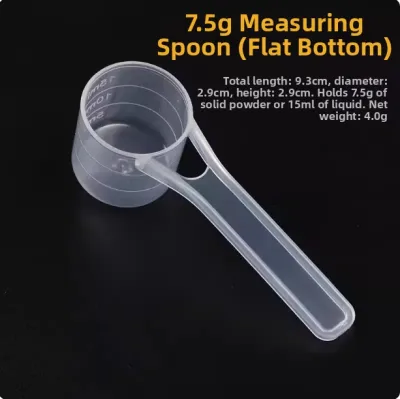
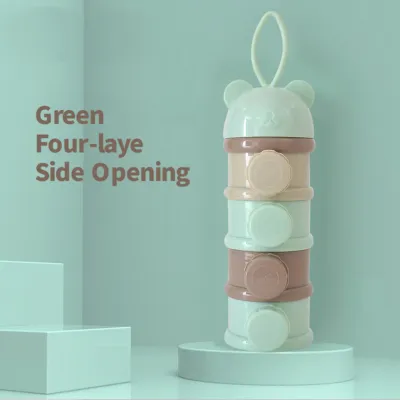
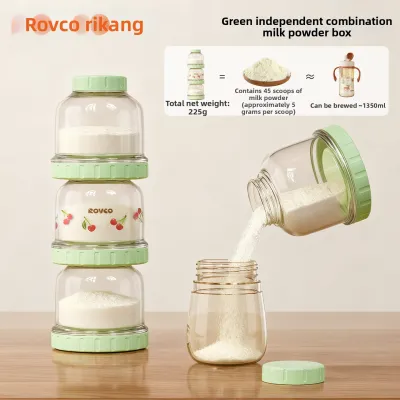
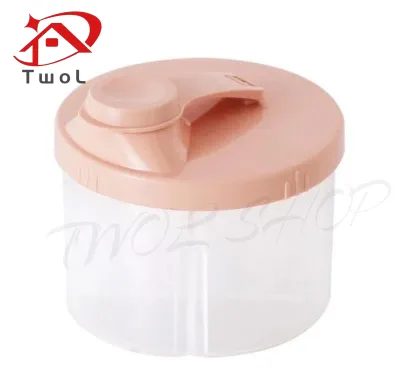
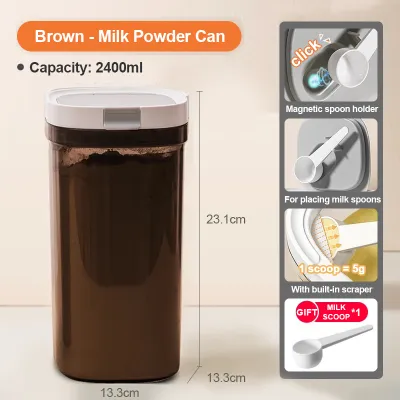
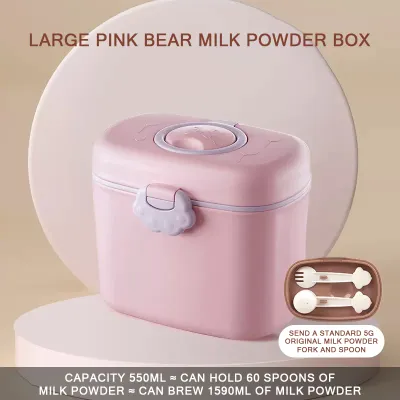
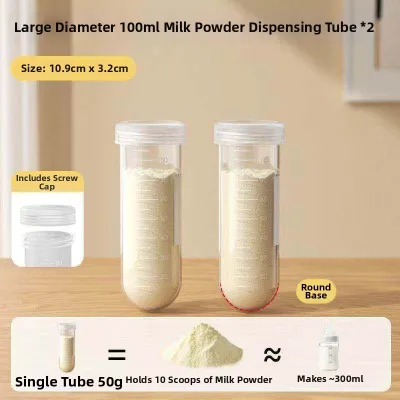
Prices are valid at publication and may change. Please refer to the product page for the latest price.
Using pre-portioned formula containers also simplifies feeding for other caregivers. When grandparents, nannies, or partners step in to help, having pre-measured powder eliminates the stress of counting scoops during busy outings or exhausting nighttime feeds. It ensures that the bottle is prepared with the exact ratio of powder to water, maintaining consistent nutrition and preventing digestive discomfort.
Even as solid foods occupy a larger portion of your baby’s daily diet, breast milk or infant formula remains their primary source of essential nutrients throughout the first year. Because powdered formula is not sterile, protecting it from moisture and environmental contaminants is a top priority. In highly humid environments, open formula powder absorbs moisture from the air almost instantly, making a reliable, airtight storage container a necessity for maintaining food hygiene.
Essential Features to Check Before Buying
Material Safety and Durability
When selecting a milk powder storage container, material safety is the most critical factor. Always verify that the container is made from food-grade, non-toxic materials that are completely free from Bisphenol A (BPA) and Bisphenol S (BPS). The most common safe materials include Polypropylene (PP), Polyphenylsulfone (PPSU), and food-grade silicone. PP is lightweight and affordable, while PPSU is a premium, medical-grade plastic known for its exceptional durability and high heat resistance. Always check the manufacturer’s packaging or official product documentation to confirm these safety standards rather than relying solely on online product titles.

Moisture Protection and Sealing Mechanisms
To combat the challenges of a humid tropical climate, look for containers equipped with robust sealing mechanisms. A high-quality container should feature airtight lids reinforced with silicone O-rings or secure snap-locks. This tight seal prevents humid air from entering the compartments, which would otherwise cause the fine powder to clump, lose its nutritional quality, or harbor harmful bacteria. A reliable seal also ensures that the powder does not leak into other compartments or spill inside your bag during travel.
Portion Accuracy and Funnel Design
Preparing a bottle on the go should be quick and mess-free. Choose a container with a built-in funnel or a tapered pouring spout. The opening of the spout should be narrow enough to fit easily into standard and narrow-neck baby bottles, yet wide enough to allow the powder to flow smoothly without clogging. Additionally, ensure the individual compartments are wide enough to accommodate standard formula scoops comfortably when you are filling the container at home.
Ease of Cleaning and Drying
Formula residue can easily accumulate in tight corners, threads, and crevices, creating a breeding ground for mold and bacteria. Opt for containers with fully detachable parts, wide openings, and smooth, rounded interior walls. Avoid designs with deep, unreachable grooves or overly complex locking mechanisms that are difficult to scrub. Being able to separate every silicone seal and lid component ensures you can thoroughly wash and sanitize the entire unit.
Capacity versus Portability
Balancing the container’s capacity with its physical size is essential for daily convenience. Consider how many feeds your baby typically requires during a standard outing. While a container with four or five large compartments offers maximum capacity, it may take up too much space in a compact diaper bag. For most weaning babies, a three-compartment container provides the ideal balance, offering enough formula for a full day out without adding unnecessary bulk to your gear.
Stackable Trays vs. Cylindrical Dispensers vs. Single-Serve Options
Stackable Interlocking Trays
Stackable interlocking trays consist of individual, self-contained compartments that screw securely into one another, forming a vertical column. Typically, the top compartment is fitted with a removable funnel lid for easy pouring.
- Pros: This modular design offers exceptional capacity flexibility. If you are only going out for a quick two-hour errand, you can carry a single layer; for a full-day trip, you can stack three or four layers together. Each tray is an independent unit, making them incredibly easy to fill, empty, and clean individually.
- Cons: When fully stacked, these containers can become quite tall and awkward to pack in shallow bags. Additionally, plastic screw threads can wear down over time, and if they are not aligned perfectly, cross-threading can cause the powder to leak or make the compartments difficult to unscrew.
- Best for: Parents who want customizable storage capacity and prioritize easy, thorough cleaning.
Cylindrical Multi-Compartment Dispensers
Cylindrical multi-compartment dispensers feature a single, unified container divided internally into three or four fixed, wedge-shaped sections. The lid features a rotating cap with a single pouring spout that you align with the desired compartment.
- Pros: These dispensers have a highly compact, streamlined footprint that fits perfectly into the bottle pockets of standard diaper bags. Because there are no interlocking parts to assemble, they are incredibly fast and simple to use on the go.
- Cons: The storage capacity is entirely fixed, meaning you must carry the entire container even if you only need one portion. Furthermore, the sharp, wedge-shaped inner corners can be challenging to clean and dry completely, as bottle brushes may not easily reach the very bottom of the dividers.
- Best for: Quick daily errands, short mall trips, and parents who prefer a sleek, space-saving design.
Single-Serve Pods and Disposable Formula Bags
Single-serve options include small, individual lidded cups (pods) or pre-sterilized, single-use plastic pouches designed specifically for formula storage. The bags typically feature a secure zip-lock top and a tear-off bottom corner for pouring.
- Pros: These options provide the ultimate level of portability and convenience. Disposable bags require zero washing and take up virtually no space once empty, making them highly efficient for travel. Single-serve pods allow you to pack exactly what you need in any corner of your bag.
- Cons: Disposable bags incur ongoing financial costs and generate environmental waste. Single-serve pods, being small and lightweight, can easily get lost in the depths of a large diaper bag and can be bulky to pack when you need multiple feeds.
- Best for: Air travel, hospital stays, emergency backup supplies, or situations where reliable washing facilities are unavailable.
Comparison Matrix
| Container Type | Portability | Capacity Flexibility | Ease of Cleaning | Ideal Scenario |
|---|---|---|---|---|
| Stackable Interlocking Trays | Moderate (can be bulky when fully stacked) | High (add or remove layers as needed) | Excellent (all parts separate completely) | Long day trips with variable feeding schedules |
| Cylindrical Multi-Compartment Dispensers | High (sleek, bottle-shaped profile) | Low (fixed internal compartments) | Moderate (narrow wedge corners) | Daily errands and quick afternoon outings |
| Single-Serve Pods & Disposable Bags | High (extremely lightweight and compact) | High (pack only the exact number needed) | High (disposables require no washing) | Long-distance travel and emergency backup |
Hygiene and Maintenance for Safe Formula Feeding
Washing Protocols
To maintain strict hygiene, wash all parts of the storage container with warm, soapy water immediately after every use. Use a mild, baby-safe dishwashing liquid and a soft sponge or bottle brush. Avoid using abrasive scrubbing pads, as they can create micro-scratches on the plastic surfaces where bacteria and mold spores can easily hide. Before sterilizing, always consult the manufacturer’s care instructions; while some premium materials like PPSU can withstand high-temperature steam or UV sterilization, standard PP plastics or silicone seals may warp or degrade if exposed to excessive heat over time.
The Critical Drying Step
In the tropical climate of the Philippines, ensuring your container is completely dry is the most critical step in preventing contamination. Even a single microscopic drop of water left inside a compartment will cause the milk powder to clump, stick to the walls, and spoil. This moisture creates an ideal environment for bacterial growth. After washing, place all disassembled components upside down on a clean, elevated drying rack in a well-ventilated area, allowing them to become 100% bone-dry before refilling.
Proper Storage Environment
Once filled with formula powder, store your dispenser in a cool, dry place away from direct sunlight, heat sources, and high-humidity zones like the kitchen stove. Never store a powder-filled container inside the refrigerator. Although it might seem like a good way to keep the powder fresh, the temperature swing when you remove the container from the fridge causes immediate condensation to form on the cold plastic surfaces, instantly ruining the dry formula inside.
Inspection and Replacement
Regularly inspect your milk powder storage containers for signs of wear and tear. Look closely for deep scratches, cloudiness, or discoloration in the plastic, which indicate that the material is beginning to degrade. Check the silicone O-rings to ensure they have not stretched, cracked, or lost their elasticity, as a compromised seal will allow humid air to seep in. If you notice any structural defects, cracks, or lids that no longer snap shut securely, retire the container immediately to ensure your baby’s food remains safe.
Frequently Asked Questions (FAQ)
Can I use regular food storage containers for milk powder?
Using standard household food containers for infant formula is not recommended. Regular kitchen containers typically lack the specialized, ultra-tight airtight seals required to protect fine powders from humidity, which can lead to rapid clumping and spoilage. Furthermore, standard containers do not feature narrow pouring spouts or funnels, making it highly difficult to transfer the powder into a narrow baby bottle without spilling. Finally, many general-purpose plastic containers are not certified food-grade or verified safe for storing dry infant formula.
How long can I keep pre-portioned formula in a dispenser?
Dry formula powder stored in a thoroughly cleaned, sanitized, and completely dry airtight dispenser is generally safe for a few days up to a week, provided it is kept in a cool, dark place. However, you must always adhere to the formula manufacturer’s guidelines regarding how quickly the powder must be consumed once the primary tin is opened—typically within three to four weeks. If you are traveling in hot, humid conditions, it is best to pre-portion only the amount of powder you expect to use within 24 to 48 hours to ensure maximum freshness and safety.
Are glass formula dispensers better than plastic ones?
Glass and high-quality plastic containers each offer distinct advantages depending on your lifestyle. Glass is non-porous, highly resistant to scratching, and does not absorb odors or stains, making it exceptionally hygienic and easy to sterilize. However, glass is heavy and poses a significant breakage risk if dropped, which can be dangerous when you are managing a baby on the go. High-quality, food-grade plastics like PPSU or BPA-free PP offer a much lighter, shatterproof, and highly durable alternative that is far more practical for active, traveling parents.
Community discussion
Share your experience or ask a question. Comments are reviewed before publication.