
Preparing a baby bottle while away from home requires precision, speed, and absolute hygiene. The best milk powder storage container for on-the-go feeding depends entirely on how long you will be out, who will be preparing the milk, and the environment you are traveling through. Whether you are running a quick errand at a local mall, embarking on a long road trip, or handing your baby over to a caregiver for the day, having pre-portioned, dry formula ready can save you from stressful, messy situations.
While designs vary widely, every high-quality container must meet a universal baseline: it must be constructed from food-grade materials, feature a completely airtight seal, and be entirely dry before you add any powder. In a warm, tropical climate like the Philippines, managing moisture is the single most important factor in keeping your baby’s formula safe and free-flowing. Selecting the right container type ensures that feeding time remains simple and hygienic, no matter where your day takes you.
Essential Features for Portable Formula Storage
When shopping for a portable milk powder storage container, it is easy to get distracted by cute designs and bright colors. However, prioritizing functionality and material safety is essential for protecting your baby’s health. Below are the key physical and material features you should evaluate before making a purchase.
Products mentioned in this guide
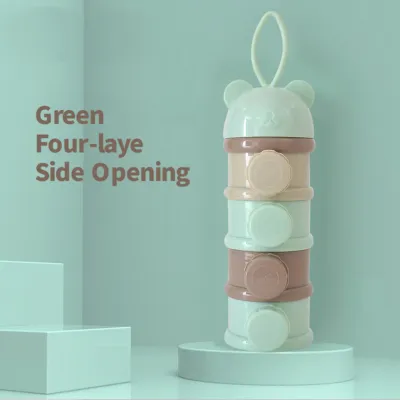
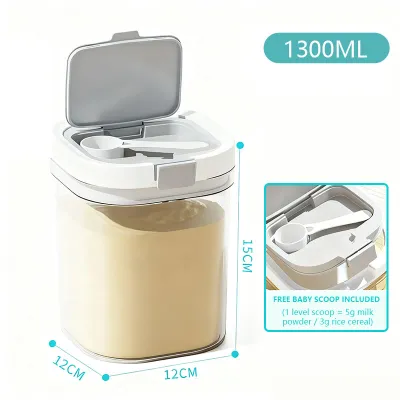
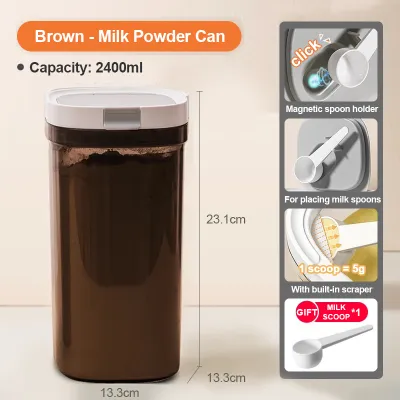
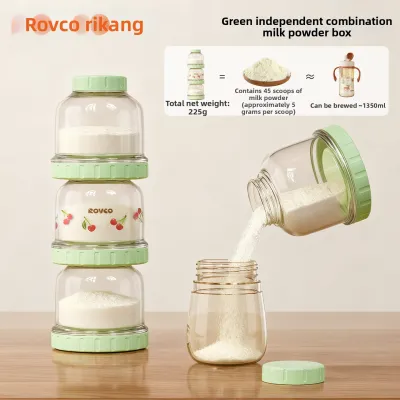
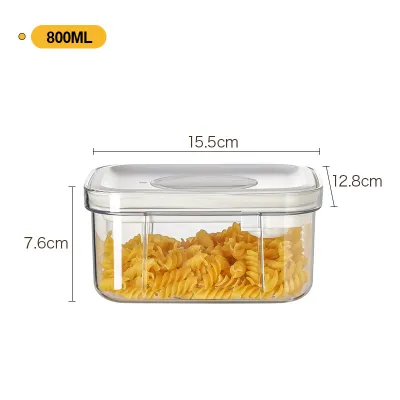
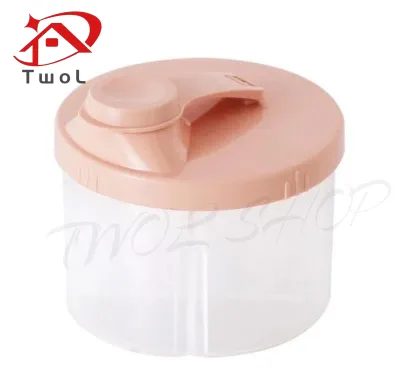
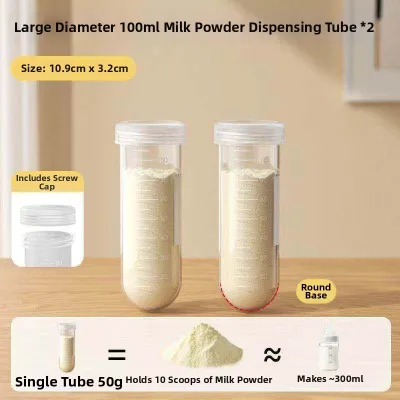
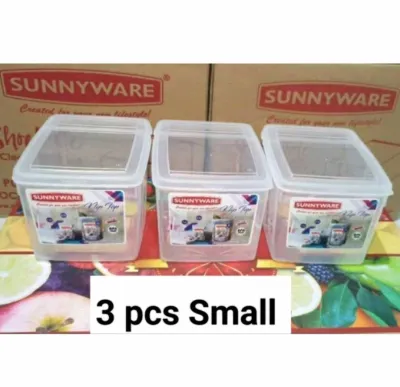
Prices are valid at publication and may change. Please refer to the product page for the latest price.
Material Safety and Heat Tolerance Always check the product labels or manufacturer documentation to verify that the container is made from food-grade, BPA-free materials. Common safe plastics include polypropylene (PP) and polyphenylsulfone (PPSU), both of which are lightweight and highly durable. Some parents prefer food-grade silicone or specialized glass, though these can be heavier to carry in a diaper bag. Because baby feeding gear requires regular sanitization, you must verify the manufacturer’s stated heat tolerance. Some materials can withstand steam sterilization or boiling water, while others may warp or release chemicals if exposed to extreme heat. Always consult the care instructions for your specific container before sterilizing.
Airtight Seals and Moisture Barriers In highly humid tropical environments, a weak seal is a recipe for spoiled formula. Look for containers equipped with high-quality silicone sealing rings and robust snap-locks or threaded screw tops. These seals form a tight barrier that blocks out ambient moisture, dust, and pests. If humid air enters the container, the powder will quickly clump, making it difficult to measure accurately and creating a breeding ground for bacteria. Inspect the silicone gasket closely to ensure it sits flat and snug within the lid.
Pouring Mechanisms and Openings The design of the container’s opening directly affects how easily you can prepare a bottle on the go. Funnel-shaped lids are highly efficient for narrow-neck baby bottles, as they channel the powder directly into the bottle without spilling. On the other hand, wide-mouth designs allow for easy scooping with a standard formula scoop and are much simpler to clean and dry thoroughly. Consider the bottles you use daily; if you use narrow-neck bottles, a funnel-top dispenser will save you from wasting expensive formula on car seats or stroller trays.
Capacity, Volume Markings, and Portability A good container must hold enough formula for your baby’s current feeding stage without requiring you to pack unnecessary bulk. Look for containers with clear, molded-in volume or level markings that will not wear off after multiple washes. Ensure the container’s compartments are large enough to hold the exact number of scoops required for a full feed. Overfilling a compartment to squeeze in an extra scoop can compromise the seal and lead to spills when you open the lid.
Choosing the Right Design for Your Specific Scenario
No single container design fits every outing. Matching the container’s form factor to your specific destination and travel duration will make feeding time significantly more manageable.

Short Day Trips and Quick Errands
For brief outings—such as a quick trip to the grocery store, a doctor’s appointment, or a short walk in the park—you generally only need one or two feeds. In these situations, bulky containers are unnecessary and take up valuable space in your diaper bag.
A single-compartment, compact dispenser or a small slide-top container is ideal for short trips. These lightweight options are designed to fit easily into a diaper bag pocket, a stroller organizer, or even a standard cup holder. Because they hold just what you need for a few hours, they minimize weight and bulk. However, because these single-layer containers are often tossed loosely into a bag, you must verify that the lid lock is exceptionally secure. A slide-top or flip-cap that opens too easily can spill formula all over your personal items, so look for designs with a firm click-to-lock mechanism.
Long Travel and Overnight Stays
When you are traveling for an entire day, taking a flight, or staying overnight, you will need to prepare multiple feeds. Carrying several individual containers can quickly become disorganized, making stackable designs the superior choice.
Multi-layer tower dispensers, often called stackable formula cups, allow you to pre-portion three to five separate feeds in a single vertical footprint. This space-saving design keeps your diaper bag organized and ensures you always know how many feeds you have left. The primary advantage of a high-quality tower dispenser is that you only unscrew the top layer to access the powder, leaving the remaining layers completely sealed and protected from the elements. When purchasing a stackable dispenser, verify that the joints between each layer have independent, secure seals. If the bottom of one container serves as the lid for the one below it without a proper gasket, moisture can seep in, or powder can stick to the underside, causing a mess when you separate the layers.
Daycare Drop-offs and Caregiver Handovers
When you are leaving your baby with a nanny, grandparents, or daycare staff, the priority shifts to simplicity and clear communication. Caregivers may be managing multiple children or may not be familiar with your specific feeding routine.
For handovers, choose containers with large, flat, smooth surfaces where you can easily apply custom labels. Labeling each compartment with clear instructions—such as “9:00 AM Feed” or “Mix with 180ml of water”—minimizes the risk of preparation errors. Avoid complex twisting locks or multi-step opening mechanisms that might frustrate a caregiver or lead to accidental spills during a hectic moment. Instead, opt for simple, intuitive designs like wide-mouth jars with easy-to-grip lids or straightforward flip-tops. Additionally, because these containers will undergo daily transport, frequent washing, and heavy handling, prioritize highly durable materials like thick PP or PPSU that can withstand accidental drops on hard floors.
Safe Preparation and Storage Practices for Travel
Even the highest-quality container cannot keep formula safe if it is prepared or maintained incorrectly. Implementing safe handling habits protects the nutritional quality of the formula and prevents contamination.
The “Bone-Dry” Rule Before putting a single scoop of formula into any container, you must ensure that every part of the container—including the lid, silicone seals, and the scoop itself—is 100% dry. Even a microscopic droplet of water trapped in a corner can cause the powder to clump, spoil, or harbor harmful bacteria. After washing, allow all components to air-dry completely on a clean, elevated drying rack in a well-ventilated area. Avoid wiping the inside of the container with a kitchen towel, as this can introduce lint or bacteria.
Cleaning and Sterilization Always clean your storage containers thoroughly after every use. Wash them in warm, soapy water, paying close attention to the crevices around silicone seals where old powder can accumulate. When sterilizing, always follow the manufacturer’s specific instructions. Some silicone gaskets can warp or degrade if subjected to high-heat steam sterilizers or UV sterilizers, which will ruin the container’s airtight seal. If the manufacturer’s care instructions are unclear or if you notice any warping after cleaning, stop using the container and contact the manufacturer or a qualified professional for guidance.
Filling Technique To minimize moisture exposure, always fill your storage containers in a cool, dry room. Avoid filling containers in a steamy kitchen immediately after boiling water, or in a bathroom, as the high humidity in these spaces will get trapped inside the container when you seal it. Measure your portions carefully using a level scoop, and seal the container immediately after filling to keep the powder as fresh as possible.
Temperature Management Formula powder is sensitive to extreme heat, which can degrade its nutritional value and affect the integrity of the plastic container. Never leave a filled milk powder storage container in a hot environment, such as inside a parked car under the sun, near a window, or close to a heat source. When traveling in warm weather, keep the container in an insulated diaper bag or a cool, shaded part of your vehicle to maintain a stable, safe temperature.
Common Mistakes to Avoid When Packing Formula
Avoiding simple packing mistakes can save you from ruined feeds and cleanup headaches while you are away from home.
Overfilling the Compartments It can be tempting to pack a little extra powder into a compartment “just in case.” However, filling the container past the manufacturer’s recommended maximum line can prevent the lid from sealing properly, leading to leaks. Overfilled powder can also block the funnel opening or get compressed into a hard block, making it difficult to pour out smoothly when it is time to feed.
Using a Damp Scoop Never use a scoop that has any moisture on it to measure out your powder. If you use a scoop that was recently washed or one that touched a wet bottle, it will introduce moisture directly into the dry formula supply. Keep a dedicated, completely dry scoop inside your main formula tub, and ensure your hands are clean and dry before handling it.
Ignoring Seal Wear and Tear Silicone O-rings and gaskets do not last forever. Over time, frequent washing and sterilization can cause silicone to stretch, crack, or develop mold in hidden crevices. Inspect the seals of your containers weekly. If you notice any signs of wear, stretching, or mold that cannot be cleaned, replace the seals or the container entirely according to the manufacturer’s guidelines to prevent leaks and contamination.
Frequently Asked Questions (FAQ)
Can I use a powder dispenser to store pre-mixed liquid formula?
No, milk powder storage containers are designed strictly for dry powder. Storing pre-mixed liquid formula in these containers poses a very high risk of rapid bacterial growth and severe leakage, as they do not have the thermal insulation or liquid-tight seals required for liquids. If you need to transport pre-mixed feeds, use insulated, sterilized baby bottles specifically designed for liquid storage, and follow professional medical guidelines regarding safe storage times and temperatures.
How do I keep formula from clumping in a humid climate?
To prevent clumping in high humidity, ensure the container and scoop are completely dry before filling. Fill the container in an air-conditioned or dry room, and seal it immediately. When outdoors, avoid opening the container unnecessarily, particularly near beaches, swimming pools, or during rainy weather. Store the sealed container in a cool, dark, and shaded spot inside your bag to prevent temperature fluctuations that can cause internal condensation.
Community discussion
Share your experience or ask a question. Comments are reviewed before publication.