
Welcoming a baby via Cesarean delivery is a major abdominal surgery that requires a dedicated recovery process. For a cs mom navigating the early weeks of motherhood, finding the right physical support is essential for managing discomfort and regaining mobility. A specialized maternity support belt can offer the targeted compression needed to stabilize weakened abdominal muscles, protect the healing incision, and reduce the physical strain of daily baby care.
In the tropical climate of the Philippines, selecting the ideal support belt involves balancing effective compression with breathable materials that prevent skin irritation. While many options exist on the market, the best choice depends on your specific recovery stage, the sensitivity of your scar, and daily temperature conditions. On local ecommerce platforms, these garments are available across various price bands, typically ranging from budget-friendly options around ₱500 to premium medical-grade wraps priced upward of ₱2,500. Ultimately, a high-quality postpartum band acts as a temporary splint, helping you move more comfortably while your body undergoes its natural healing process.
Why C-Section Moms Need Specialized Support Belts
A Cesarean delivery is vastly different from a vaginal birth because it involves surgical incisions through multiple layers of skin, fat, fascia, and the uterine wall. This surgical disruption leaves the abdominal wall temporarily weakened and alters your core stability. Standard postpartum belly wraps designed purely for cosmetic shaping often lack the structural design required to accommodate a healing surgical wound, making specialized support belts necessary.
Products mentioned in this guide
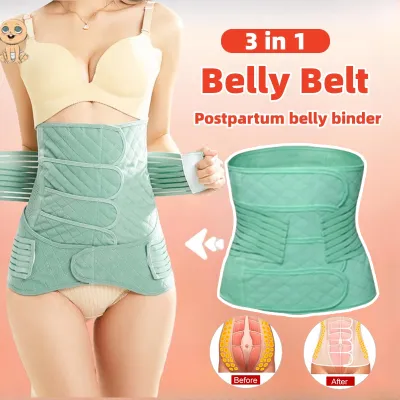
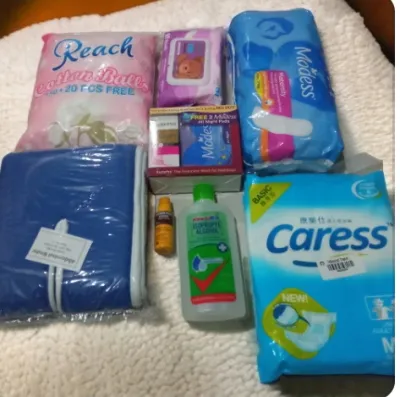
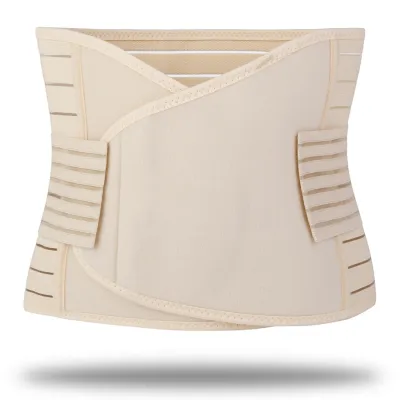
Prices are valid at publication and may change. Please refer to the product page for the latest price.
During the first few weeks of recovery, simple everyday movements like sitting up, coughing, sneezing, or lifting your newborn can place sudden, painful pressure on your lower abdomen. A specialized support belt provides a splinting effect, holding the abdominal tissues firmly in place to minimize painful micro-movements at the incision site. This localized support gives many mothers the confidence to stand straighter and walk shorter distances, which is vital for preventing blood clots and promoting overall circulation.
In addition to wound protection, gentle and targeted compression plays a significant role in managing postpartum swelling. Edema, or fluid retention, is incredibly common after major surgery and is often exacerbated by the intravenous fluids administered during delivery. By applying uniform, light pressure, a high-quality belt helps facilitate lymphatic drainage, gradually reducing localized swelling around the lower abdomen and pelvis.
Furthermore, carrying a baby for nine months shifts your center of gravity, stretching your core muscles and straining your lower back. Post-surgery, your back muscles often overcompensate for your weakened abdominal wall, leading to persistent lower back pain. A supportive band helps redistribute your body weight and encourages better posture, relieving the heavy burden on your lumbar spine as you nurse or cradle your baby.
While these benefits are significant, it is crucial to recognize that a postpartum support belt is not a medical device designed to heal your incision. It is an external aid to assist with comfort and mobility, and it cannot replace proper surgical wound care or natural tissue healing. Before purchasing or wearing any compression garment, you must consult your OB-GYN or healthcare provider to ensure your incision is healing cleanly and to receive personalized clearance based on your unique surgical recovery.
Key Features to Look for in a Postpartum Belly Band
Selecting a postpartum belly band requires careful consideration of several practical features, particularly when recovering in a warm, tropical environment. Because you will likely wear this support garment for several hours a day, comfort and functionality must take precedence over aesthetic designs.

Breathability and Moisture-Wicking In the humid climate of the Philippines, heat and sweat buildup are major concerns for anyone wearing a compression garment. Trapped moisture near a fresh surgical wound can create a breeding ground for bacteria, increasing the risk of incision infections or painful skin rashes. Look for belts made from lightweight, perforated materials, medical-grade mesh, or natural bamboo fibers that allow air to circulate freely and pull sweat away from your skin.
Adjustability Your body will undergo rapid changes in the weeks following delivery as swelling subsides, organs return to their pre-pregnancy positions, and excess fluids are shed. A support belt with highly adjustable closures, such as wide Velcro panels or multi-tiered hook-and-eye systems, allows you to customize the compression level daily. This adaptability ensures the belt remains useful and supportive as your waistline naturally decreases, preventing you from needing to purchase multiple sizes.
Incision Protection The lower edge of your support belt will sit directly over or very close to your C-section scar. It is vital to choose a design with soft, seamless edges or a padded lower section that will not dig into, rub, or irritate the sensitive incision area. Avoid belts with rigid plastic boning or harsh, exposed seams near the bottom border, as these can cause friction and impede the healing of the delicate scar tissue.
Ease of Use During the initial recovery phase, bending over, twisting, or stepping into tight garments can be incredibly painful and may strain your surgical stitches. Wrap-around designs that secure at the front or sides are highly recommended because they allow you to put on and take off the belt independently while standing or lying down. Pull-on shapewear or step-in girdles should be avoided entirely during early recovery, as they require excessive physical exertion to put on.
Top Support Belt Profiles for CS Mom Recovery
Best Overall Wrap-Style Belt for Gentle Compression
The classic single-piece wrap-style belt is one of the most widely recommended designs for general postpartum recovery. These wraps typically consist of a wide, solid band of elasticized fabric that wraps completely around the torso, securing with a large Velcro panel at the front. This straightforward design provides even, continuous pressure across the entire abdominal region, helping to support both the upper and lower core simultaneously.
One of the primary benefits of a wide wrap-style belt is its ease of application, especially for mothers who are still spending a significant amount of time resting. You can easily position the belt behind your back while lying down in bed, pull the sides forward, and secure it with minimal effort or twisting. This design offers reliable, uniform support for the lower back and pelvis, which helps stabilize your posture during your first short walks around the house.
However, wrap-style belts do have distinct limitations that you should consider before purchasing. Because they consist of a single wide band, they can occasionally roll up at the bottom or slide upward when you transition from standing to sitting, particularly if the belt is not sized correctly. If worn over slippery clothing, the belt may shift out of place, requiring frequent readjustments throughout the day to keep the pressure evenly distributed.
Best Breathable Mesh Belt for Humid Climates
For mothers recovering in warm tropical regions, a breathable mesh belt is an excellent choice to combat heat and humidity. These belts are constructed primarily from highly perforated materials, medical-grade elastic mesh, or moisture-wicking bamboo-derived fabrics. The open-weave construction allows maximum airflow directly to the skin, keeping the abdominal area cool and dry even during the warmest parts of the day.
The standout benefit of a mesh belt is its ability to significantly reduce the risk of heat rash and skin maceration around the healing incision. By keeping the surgical site dry and cool, these belts support a hygienic healing environment, which is especially important during the humid rainy season or hot summer months in the Philippines. Additionally, because the materials are incredibly lightweight, these belts feel less restrictive and bulky under thin, everyday home clothes.
The main trade-off with a highly breathable mesh belt is the level of compression it can provide. Because the fabric is perforated and lightweight, it may offer slightly less rigid, firm support compared to thicker, heavy-duty cotton blends or neoprene wraps. If you require highly structured, firm core stabilization, a lightweight mesh belt might feel a bit too soft, though it remains highly effective for gentle, everyday comfort.
Best Multi-Panel Belt for Highly Adjustable Support
A multi-panel postpartum belt is a highly customizable option designed for mothers who want precise control over where compression is applied. These systems typically consist of two or three separate, overlapping bands that attach to a central back panel, often accompanied by secondary side-pull tension straps. This structure allows you to adjust the tightness of each individual section independently, tailoring the fit to your body’s unique shape.
The primary advantage of a multi-panel design is its exceptional versatility during the early postpartum weeks, when your abdominal shape and bloating levels fluctuate daily. For instance, you can apply firm, supportive pressure to your lower pelvis and hips to stabilize your joints, while keeping the upper panels slightly looser to avoid putting pressure on your ribs or stomach. This targeted adjustment is highly beneficial for C-section recovery, as it allows you to secure the lower band firmly below the incision line without compressing the sensitive upper abdomen.
Despite their excellent adjustability, multi-panel belts tend to be significantly bulkier than single-piece wraps or mesh bands. The overlapping layers of elastic and multiple Velcro straps can create a noticeable silhouette under fitted clothing, making them more suitable for wearing at home. Additionally, the multiple panels can feel complex at first, requiring a few practice attempts to master the correct wrapping sequence and achieve balanced pressure.
Quick Comparison of Recommended Postpartum Belts
To help you quickly evaluate which design profile fits your recovery needs, the table below summarizes the key differences in material, compression, and practical limitations.
| Belt Profile | Best For | Material/Breathability | Compression Level | Key Limitation |
|---|---|---|---|---|
| Wrap-Style | General everyday support and easy application | Solid elastic or cotton blends; moderate breathability | Moderate and uniform | Can roll up or shift when sitting |
| Breathable Mesh | Hot, humid weather and sensitive skin | Perforated mesh or bamboo; high breathability | Light to moderate | Offers less rigid core stabilization |
| Multi-Panel | Highly customized, targeted compression | Layered elastic panels; low to moderate breathability | Firm and highly adjustable | Bulky under clothing; complex to wrap |
How to Safely Wear and Care for Your Support Belt
To maximize the benefits of your postpartum support belt while protecting your health, you must follow safe wearing and maintenance practices. Proper usage ensures that the belt aids your recovery without causing skin issues or muscle dependency.
Application Technique When putting on your support belt, always wrap it from the bottom upward, starting at the pelvis and moving toward the waist. This upward wrapping direction helps support your internal organs and pelvic floor, preventing downward pressure that can strain your lower pelvic muscles. Always refer to the specific manufacturer’s instructions for your chosen model, as wrapping sequences can vary.
Wear Time and Tightness A support belt should feel like a firm, supportive hug, not a restrictive corset. Avoid pulling the straps too tightly, as excessive compression can restrict your breathing, hinder blood circulation, and interfere with digestion. It is equally important to take regular breaks; do not wear the belt continuously all day. Removing it for a few hours daily allows your skin to breathe and encourages your deep core muscles to engage and rebuild their natural strength.
Hygiene and Care Because the belt sits close to your healing surgical wound, maintaining cleanliness is essential for preventing bacterial buildup. Wash your belt regularly according to the manufacturer’s care instructions, typically using a gentle hand wash with mild soap and letting it air dry completely. Avoid using high heat in a dryer, as this can degrade the elastic fibers and reduce the belt’s supportive tension over time.
When to Stop Always prioritize your safety and pay close attention to how your body responds to the compression. Remove the belt immediately and consult your doctor or healthcare provider if you experience warning signs such as increased pain at the incision site, redness, swelling, unusual discharge, skin numbness, or any difficulty breathing.
Frequently Asked Questions (FAQ)
When can I start wearing a support belt after a C-section?
While some healthcare providers may allow you to wear a lightweight, gentle support wrap within the first few days after surgery, the exact timing varies significantly for every individual. Your recovery timeline depends on the healing progress of your surgical wound, the type of incision made, and whether you experienced any post-surgery complications. You must obtain direct clearance from your OB-GYN before wearing any support belt for the first time.
Can I wear the belly band while sleeping?
Most healthcare professionals advise against wearing a compression belt while sleeping. Keeping the belt on overnight can restrict deep breathing, impede blood circulation during rest, and trap sweat against your skin, which increases the risk of incision irritation. Removing the band at night gives your skin a chance to air out and allows your abdominal muscles to rest naturally. Always follow the specific guidance provided by your doctor.
Will a support belt help flatten my stomach after a C-section?
A postpartum support belt provides temporary abdominal compression, helps reduce fluid retention, and improves your posture, but it does not burn fat or permanently flatten your stomach. Genuine core recovery and the return of your pre-pregnancy abdominal shape require time, balanced nutrition, and gradual tissue healing. Once cleared by your doctor, safe pelvic floor and core rehabilitation exercises are the most effective ways to rebuild abdominal strength.
Community discussion
Share your experience or ask a question. Comments are reviewed before publication.