
Finding comfortable sleep during pregnancy can feel like an elusive goal as your body undergoes rapid physical changes. In the Philippines, where tropical heat and high humidity can amplify night-time restlessness, selecting the right support is essential for both your physical comfort and your overall well-being. The ideal maternity pillow shape is not a one-size-fits-all solution; rather, it depends directly on your primary sleeping position, the size of your bed, and your current trimester. By understanding how different shapes—specifically U-shaped, C-shaped, and wedge pillows—interact with your body, you can make an informed decision that promotes restful, safe sleep throughout your pregnancy journey.
Historically, sleepers have relied on standard pillows to prop up their changing bodies, but these often shift during the night, leaving you unsupported. Specialized maternity pillows are engineered to address the specific pressure points associated with pregnancy, such as the lower back, hips, and growing abdomen. Choosing the right shape requires balancing your physical needs with practical constraints like mattress size and room temperature.
Quick Answer: Which Maternity Pillow Shape Is Right for You?
To find the perfect match for your nights, consider your primary sleep habits, your bed space, and how much support you require on a daily basis. The right pillow should alleviate pressure without crowding your sleeping environment.
Products mentioned in this guide




Prices are valid at publication and may change. Please refer to the product page for the latest price.
- Choose a U-shaped pillow if you are a restless sleeper who frequently tosses and turns, want to prevent yourself from rolling onto your back, have a larger bed (such as a queen or king-size mattress), and prefer equal, simultaneous support for both your back and belly without having to reposition the pillow.
- Choose a C-shaped pillow if you need comprehensive head, back, and belly support but have limited bed space, sleep on a double or queen mattress, or prefer a nested, asymmetrical design that cradles your body along a single curve.
- Choose a wedge pillow if you want targeted, localized support for your belly or lower back, need a gentle elevation to combat pregnancy-induced acid reflux, travel frequently, or want a highly budget-friendly and space-saving option that fits easily into any bed size.
Ultimately, the best shape is the one that aligns with your dominant sleeping position and adapts to your changing body. While some parents-to-be find that a single wedge pillow is sufficient for their entire pregnancy, others transition to full-body U-shaped or C-shaped designs as their bump grows and pelvic pressure increases. Assessing these factors early will help you invest in a solution that keeps you comfortable through every trimester.
U-Shaped, C-Shaped, and Wedge Pillows: Core Differences
Understanding the structural differences between the three primary maternity pillow shapes is the first step in determining which one will best serve your sleeping style. Each design offers distinct mechanical advantages and carries specific trade-offs regarding bed space and heat retention.

U-Shaped Maternity Pillows
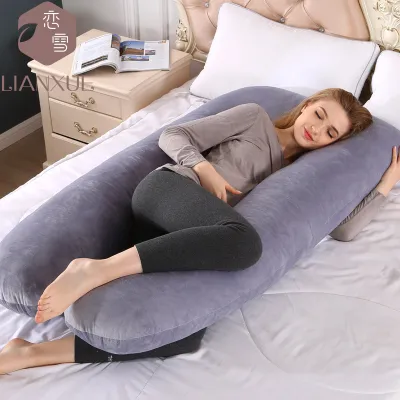
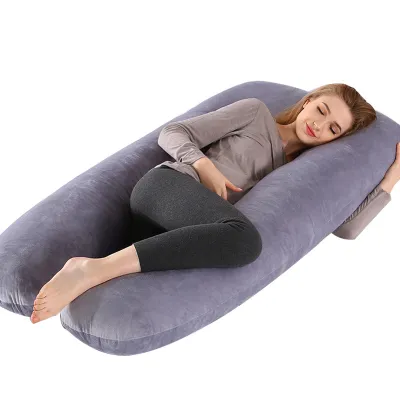
U-shaped maternity pillows feature a symmetrical, full-body design that resembles a giant, elongated letter ‘U’. This shape is designed to wrap completely around your body, providing two parallel pillars of support connected by a curved top section that acts as your head pillow. When using a U-shaped pillow, you lie directly in the center of the two legs, allowing you to experience simultaneous support for your back and your abdomen.
The primary benefit of this design is its effortless usability for active sleepers. If you turn from your left side to your right side during the night, you do not need to drag or readjust the pillow; a supportive cushion is already waiting for you on either side. This symmetrical support also helps keep your hips neutrally aligned, reducing the risk of waking up with pelvic or lower back pain.
However, the substantial size of U-shaped pillows is a notable drawback. They occupy a significant portion of a mattress, which can make the bed feel cramped if you share it with a partner. Additionally, the sheer volume of fabric and filling can trap body heat, which is a critical consideration during warm, humid nights in the Philippines. If your bedroom does not have consistent air conditioning, a large U-shaped pillow may feel overly warm.
C-Shaped Maternity Pillows
C-shaped maternity pillows utilize a curved, asymmetrical design that wraps around the front or back of your body. One end of the ‘C’ cradles your head and neck, the long middle curve supports either your back or your belly, and the lower end tucks between your knees to align your pelvis and relieve pressure on your lower joints.
This shape offers an excellent balance between full-body support and a more compact footprint. Because it only wraps around one side of your body, it takes up less space on the mattress than a U-shaped alternative, making it a highly practical choice for double or queen-size beds. It provides excellent spinal alignment and can help relieve tension in the shoulders and neck by keeping your upper body properly positioned.
The primary limitation of the C-shaped pillow is that it is asymmetrical. If you prefer to switch sides during the night, you must physically turn the pillow around with you to maintain the same support layout. This movement can disrupt your sleep cycle and may require some physical effort, especially during the later stages of pregnancy when mobility is naturally reduced.
Wedge Maternity Pillows
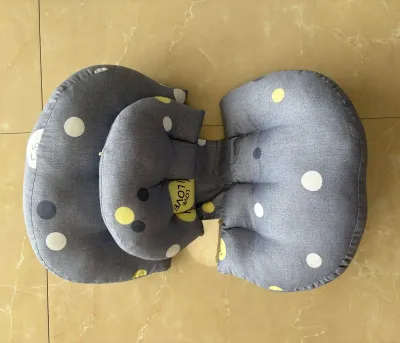
Wedge maternity pillows are small, compact cushions shaped like a triangle or a gentle crescent. Unlike full-body pillows, wedges are designed strictly for localized support, allowing you to place them exactly where you feel the most tension or discomfort.
The greatest advantages of a wedge pillow are its portability, affordability, and versatility. In the Philippines, where high-quality full-body pillows can represent a significant financial investment (often ranging from ₱1,500 to ₱4,000 or more), a wedge pillow serves as a highly accessible, budget-friendly alternative. Its compact size means it will not crowd your bed, making it ideal for smaller mattresses, and it can easily be packed into travel luggage for trips away from home.
Despite these benefits, wedge pillows do not offer comprehensive, full-body alignment on their own. They do not provide head, neck, or full-leg support, meaning you will still need to rely on your standard household pillows to support your upper body and knees. They are best suited for targeted relief rather than total-body cradling.
Choosing a Pillow Based on Your Preferred Sleeping Position
Your natural sleeping position dictates how your spine aligns and where pressure accumulates during pregnancy. Matching your pillow shape to your sleep style is crucial for preventing chronic aches and ensuring deep, restorative rest.
Side Sleepers
Side sleeping, particularly on the left side, is widely recommended by healthcare professionals during pregnancy. This position optimizes blood circulation, ensuring that nutrients flow efficiently to the placenta while preventing the weight of the growing uterus from compressing the inferior vena cava—the large vein that returns blood to your heart.
For dedicated side sleepers, U-shaped and C-shaped pillows offer unmatched benefits. When you sleep on your side, the weight of your growing belly can pull your spine out of alignment, leading to lower back strain. Placing the long side of a C-shaped or U-shaped pillow directly under your bump provides a supportive lift that counteracts this downward pull.
Simultaneously, tucking the lower portion of the pillow between your knees is essential for pelvic health. This simple adjustment keeps your knees separated and your hips stacked horizontally, preventing the pelvic rotation that often causes sciatica or sacroiliac joint pain. If you sleep on a queen or king-size bed, a U-shaped pillow allows you to maintain this perfect alignment even if you turn to the opposite side during the night.
Back and Stomach Sleepers Transitioning to Side Sleeping
If you are naturally a back or stomach sleeper, transitioning to side sleeping can be a difficult habit to establish. Many expectant mothers find themselves unconsciously rolling onto their backs or stomachs in the middle of the night, only to wake up feeling dizzy, short of breath, or uncomfortable.
To break these deep-seated sleep habits, you can use maternity pillows as physical barriers. A U-shaped pillow is incredibly effective for this purpose; because it surrounds you on both sides, the back pillar physically prevents you from rolling over onto your back, keeping you securely anchored on your side throughout the night.
Alternatively, if you prefer a less bulky setup, you can place a firm wedge pillow directly behind your lower back. By wedging the sloped edge under your lower torso, you create a gentle physical stop. If you begin to roll backward during sleep, the wedge will catch your body, keeping you tilted at a safe, comfortable angle that prevents flat back-sleeping without requiring a massive full-body cushion.
Sleepers Needing Upper Body Elevation
As pregnancy progresses, elevated levels of the hormone progesterone relax the valve between your stomach and esophagus, making acid reflux and heartburn incredibly common. Additionally, as the uterus expands upward, it can compress your diaphragm, leading to shortness of breath when lying flat.
To alleviate these symptoms, you can use a wedge pillow to gently elevate your upper body. Placing a wide, sloped wedge pillow under your standard head pillow creates a gradual, supportive incline from your lower back up to your neck. This elevation uses gravity to keep stomach acid from traveling up your esophagus, allowing you to rest comfortably without straining your neck or shoulders.
Using standard pillows to achieve this incline often results in a steep, unnatural bend at the neck, which can cause severe cervical tension. A structured wedge pillow distributes your upper body weight evenly across a flat, angled plane, ensuring your airway remains open and your digestive tract remains settled throughout the night.
Adjusting Your Pillow Choice Across Pregnancy Stages
Your physical support requirements will change dramatically from the first trimester to the third. Understanding this evolution allows you to adapt your pillow setup gradually, avoiding unnecessary purchases early on while ensuring you have adequate support when discomfort peaks.
First Trimester
During the first trimester, your physical changes are largely internal. While you may not have a visible baby bump yet, you are likely experiencing early pregnancy symptoms such as extreme fatigue, breast tenderness, and mild abdominal bloating.
At this stage, a large full-body pillow is generally unnecessary. Your primary goal is finding comfortable positions that accommodate breast tenderness and ease early fatigue. A small wedge pillow or even a few standard household pillows placed strategically under your knees or against your abdomen can provide the subtle adjustments needed to find comfort.
If you are a stomach sleeper, the first trimester is also the ideal time to begin practicing side sleeping. Using a small wedge pillow to gently prop up one side of your hip can help you get used to sleeping at an angle, making the transition to full side-sleeping much easier when your bump begins to grow in the coming months.
Second Trimester
As you enter the second trimester, your baby bump becomes more pronounced, and your center of gravity begins to shift. This is the period when many expectant mothers experience round ligament pain—a sharp, stretching sensation in the lower belly or groin caused by the expansion of the uterus.
During these months, transitioning to dedicated side sleeping becomes highly recommended. This is the optimal time to introduce a C-shaped or U-shaped maternity pillow to your sleep routine. The structured support of a full-body pillow helps distribute the weight of your expanding abdomen, reducing the strain on your lower back and abdominal muscles.
If you live in a particularly warm region of the Philippines, pay close attention to how your body reacts to the added warmth of a full-body pillow during this trimester. If you find yourself overheating, consider using a C-shaped pillow turned so the open side faces your back, allowing for better air circulation while still providing essential belly and knee support.
Third Trimester
The third trimester brings the greatest physical challenges, including maximum belly weight, severe pelvic pressure, and general joint laxity caused by the hormone relaxin. Finding a comfortable sleeping position can become incredibly difficult, often leading to frequent nighttime awakenings.
During this final stretch, comprehensive support is essential. A U-shaped pillow is highly beneficial during the third trimester because it provides simultaneous, heavy-duty support to your lower back, belly, and hips. The symmetrical design helps distribute your weight evenly, minimizing the pressure points that cause you to toss and turn.
For maximum relief, many third-trimester sleepers combine multiple pillow shapes. For example, you can use a U-shaped pillow for overall body alignment, while sliding a small, soft wedge pillow directly under the heaviest part of your bump to prevent it from pulling uncomfortably on your side. This multi-layered approach ensures that every joint is fully supported, helping you secure precious hours of rest before your baby arrives.
Essential Features to Verify Before Buying
Before purchasing a maternity pillow, it is vital to verify its specifications, materials, and dimensions. Because these products vary widely in quality and design, checking the manufacturer’s details ensures you choose a safe, durable, and comfortable option.
- Cover Material and Washability: Given the humid tropical climate of the Philippines, breathability is a top priority. Look for removable, machine-washable covers made from natural, breathable fabrics such as 100% cotton, bamboo-derived rayon, or linen blends. These materials allow heat to dissipate and absorb moisture far better than synthetic polyester covers. Ensure the cover features a high-quality, concealed zipper so it can be easily removed for regular washing without scratching your skin during sleep.
- Filling Type and Firmness: The inner filling determines how well the pillow maintains its shape over time. Common options include polyester fiberfill, memory foam, and micro-beads. Polyester fiberfill is lightweight, affordable, and easily adjustable, though it may require occasional fluffing to prevent clumping. Memory foam offers dense, highly contouring support but tends to retain significant body heat; if you choose memory foam, verify if it features cooling gel infusions. Shredded memory foam offers a good compromise, providing excellent support while allowing air to flow more freely through the filling.
- Size and Bed Compatibility: Full-body pillows can be surprisingly large, often measuring over 130 centimeters in length and 70 centimeters in width. Before ordering, measure your mattress dimensions and compare them against the pillow’s specifications. If you sleep on a single or double bed and share it with a partner, a large U-shaped pillow may leave virtually no room for them. In such cases, a C-shaped pillow or a compact wedge is a much more practical choice that preserves sleeping space for both of you.
- Postpartum Usability: To maximize the value of your investment, check if the pillow's design can be repurposed after your pregnancy. Many C-shaped and U-shaped pillows can be folded or wrapped around your waist to serve as comfortable nursing pillows, helping to support your baby's weight during breastfeeding or bottle-feeding. Some designs also feature detachable sections that can be converted into smaller support cushions or travel pillows, extending their usefulness well into your postpartum journey.
Frequently Asked Questions (FAQ)
Can I use a regular body pillow instead of a maternity pillow?
While a standard, straight body pillow can offer basic support for your knees and arms, it lacks the specialized contours required to support a pregnant body effectively. Standard body pillows do not have the curved cutouts designed to cradle a growing abdomen or tuck securely under a heavy bump. Additionally, a straight body pillow only supports one side of your body at a time; if you turn over during the night, you must drag the entire pillow across the bed with you. Specialized maternity pillows are specifically engineered to align your spine, hips, and neck simultaneously, providing targeted relief that standard rectangular pillows cannot replicate.
Is it safe to sleep on my back if I use a maternity pillow?
Medical guidelines generally advise against sleeping flat on your back during the second and third trimesters. When you lie flat on your back, the heavy weight of your uterus and baby can compress the inferior vena cava, potentially reducing blood flow to your placenta and causing you to feel dizzy or nauseous. A maternity pillow should not be used to make flat back-sleeping comfortable; instead, it should be used to facilitate comfortable side sleeping. If you struggle to stay on your side, you can position a U-shaped pillow or a wedge pillow behind your back to keep your body tilted at a safe, lateral angle. Always consult your obstetrician or healthcare provider for personalized guidance regarding safe sleep positions.
How do I clean and maintain a maternity pillow?
To clean your maternity pillow safely, always check the manufacturer’s care label first, as cleaning instructions vary based on the filling material. Generally, you should wash the removable outer cover regularly in cold water with a mild, hypoallergenic detergent to remove sweat, skin oils, and dust. For the inner filling, spot-cleaning with a damp cloth and mild soap is usually recommended. Avoid machine-washing the inner core of memory foam pillows, as saturation can permanently damage the foam structure. If your pillow contains polyester fiberfill and the care label permits machine washing, use a gentle cycle and ensure the pillow is completely dry before putting the cover back on to prevent mold and mildew growth, which can thrive in humid tropical environments.
Community discussion
Share your experience or ask a question. Comments are reviewed before publication.