
Finding the right maternity belt for pregnant individuals can make a profound difference in managing the physical strains of carrying a growing baby. The best maternity belt is not a one-size-fits-all solution; rather, it depends on your current trimester, your daily physical activity, and the specific type of discomfort you are experiencing. By understanding how these supports interact with your body, you can choose a model that offers targeted relief without restricting your movement.
In the Philippines, selecting a support band also requires careful consideration of the local climate. A belt that is supportive but traps heat can quickly become uncomfortable in tropical humidity, leading to skin irritation or heat rash. Balancing structural support with breathable, lightweight materials is the key to finding a belt you can comfortably wear throughout the day.
Why Your Lower Back Hurts and How a Support Belt Helps
During pregnancy, your body undergoes rapid biomechanical changes that naturally place extra stress on your musculoskeletal system. As your baby bump grows, your center of gravity shifts forward, pulling your pelvis out of its neutral alignment and forcing your lower back muscles to work overtime to keep you upright. This continuous muscular strain is a primary source of the dull, aching lower back pain that many expectant mothers experience.
Products mentioned in this guide
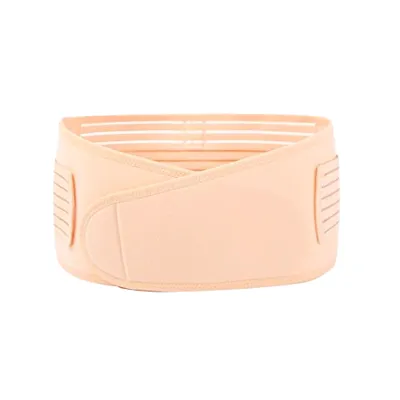
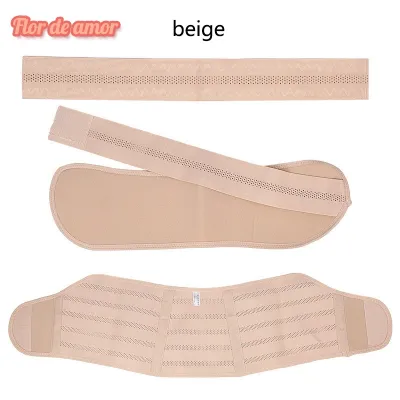
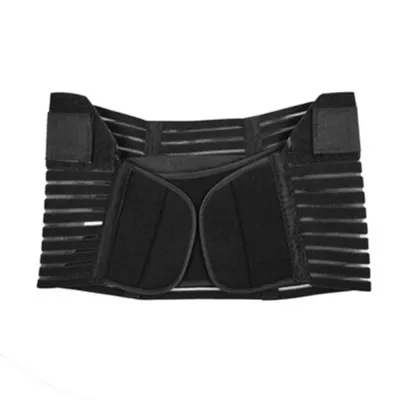
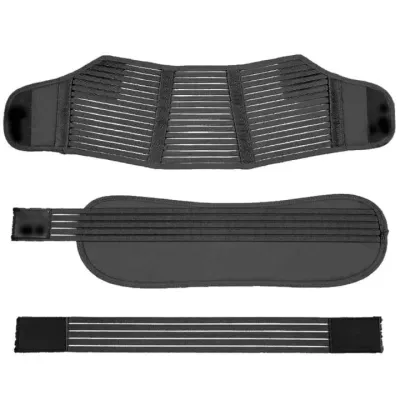
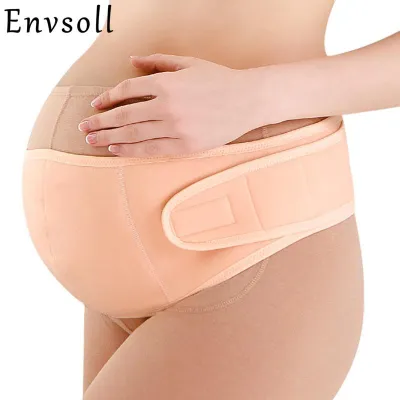
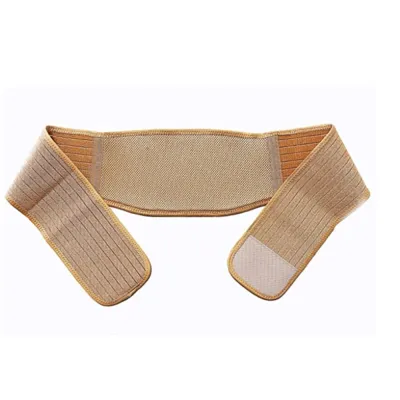
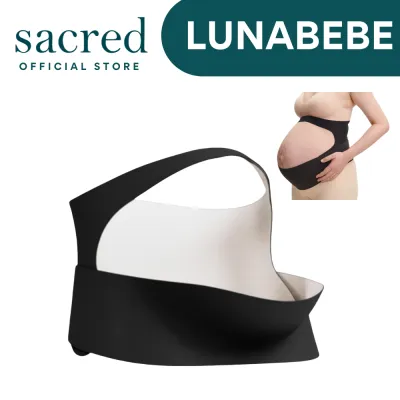
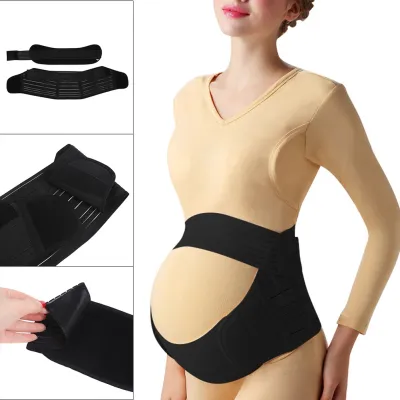
Prices are valid at publication and may change. Please refer to the product page for the latest price.
Simultaneously, your body releases a hormone called relaxin, which softens the ligaments and joints in your pelvic area to prepare your body for childbirth. While this hormonal shift is essential for delivery, it temporarily reduces joint stability, leaving your pelvic girdle and lower spine more vulnerable to strain during everyday movements.
A maternity belt serves as an external support system designed to counteract these physical pressures. By gently lifting the lower abdomen, the belt redistributes the weight of your baby bump more evenly across your hips and upper torso, which immediately reduces the compressive load on your lumbar spine.
It is important to remember that a maternity belt is a supportive management tool rather than a medical cure. While it can significantly reduce daily fatigue and ease mild to moderate discomfort, it cannot correct underlying spinal conditions. If you experience sudden, severe, or sharp pain, you should pause use and seek a professional medical evaluation from your obstetrician.
Key Features to Look for in a Pregnancy Belt for Back Pain
When evaluating different support garments, understanding key design features will help you select a model that provides genuine relief while remaining practical for daily wear.

Support Structure Maternity supports generally fall into two categories: lower-abdomen cradles and full-wrap designs. Lower-abdomen cradles feature a curved band that sits snugly underneath your bump, acting like a sling to lift the belly upward and backward. Full-wrap designs, on the other hand, cover a larger portion of the midsection and apply gentle compression across the entire abdomen and lower back. For localized lumbar pain, a lifting cradle is often more effective, whereas a full-wrap design is ideal for general abdominal support and mild compression.
Breathability and Climate Adaptation In the hot and humid climate of the Philippines, breathability is a critical feature that directly impacts how often you will actually wear your belt. Heavy, solid fabrics can trap sweat against your skin, causing itching, chafing, or heat rashes (commonly known as bungang-araw). Look for belts constructed with high-quality mesh panels, perforated elastic, or moisture-wicking fabrics. These materials allow air to circulate freely, keeping your skin cool and dry even during outdoor errands or commutes.
Adjustability Your body changes weekly during pregnancy, meaning a fixed-size band will quickly become obsolete. Opt for belts that feature strong, medical-grade Velcro closures or multi-panel stretch designs. Highly adjustable belts allow you to loosen or tighten the support as your bump grows, ensuring you do not have to purchase multiple sizes across your second and third trimesters.
Width and Coverage The width of the back panel determines how effectively the belt distributes weight. A narrow band can dig into your flesh and concentrate pressure on a single area, which may worsen your discomfort. A wider back panel—ideally measuring between four to six inches—spreads the supportive force across a larger surface area of your lower back, providing more stable lumbar reinforcement and preventing the belt from rolling or bunching.
Best Maternity Belt Types for Your Stage and Lifestyle
To help you navigate the many options available on local e-commerce platforms and specialty baby boutiques in the Philippines, we have categorized the most effective maternity belt types based on your daily activity level and pregnancy stage.
Best for Active Moms and Daily Movement
If you are in your first or second trimester, experience mild back aches, and maintain an active lifestyle that involves walking, light prenatal exercises, or running errands, a lightweight and flexible belt is your best option. These designs focus on subtle lifting without restricting your natural range of motion.
- Mamaway Ergonomic Maternity Support Belt
- Approximate Price: ₱2,500 – ₱3,200
- Key Characteristics: This belt utilizes a highly breathable, ergonomic design made with temperature-regulating materials, making it exceptionally well-suited for the tropical Philippine climate. It features a curved, ultra-thin lower-abdomen cradle that fits discreetly under everyday clothing without bulk.
- Ideal User: Expectant mothers in their second trimester who need light to moderate support during daily walks or household activities.
- Limitations: It does not provide the heavy-duty, rigid support required for severe third-trimester back strain or advanced pelvic joint instability.
- Belly Bandit 2-in-1 Bandit
- Approximate Price: ₱2,800 – ₱3,500
- Key Characteristics: A versatile, highly adjustable band that can be worn as a supportive maternity band during pregnancy and as a hip wrap for postpartum recovery. Its low-profile design allows it to remain virtually invisible under light summer dresses or casual wear.
- Ideal User: Active women looking for a dual-purpose, long-term investment that transitions smoothly from mid-pregnancy to the fourth trimester.
- Limitations: The tension is manually adjusted via simple wrap-around panels, which may require frequent readjustment during high-impact movements.
Best for Long Hours on Your Feet and Heavy Support
For working mothers, teachers, retail professionals, or anyone who stands for several hours a day, a robust, wide-panel belt with reinforced structural support is essential. These models are designed to combat the cumulative fatigue that builds up in your lower back over a long workday.
- 3-in-1 Multi-functional Adjustable Maternity Support Belt (Generic/Multi-brand)
- Approximate Price: ₱300 – ₱800
- Key Characteristics: Widely available on major online marketplaces in the Philippines, this three-piece system includes a lower abdominal strap, a wider back support piece, and an optional upper strap that sits above the bump to secure the entire assembly. It offers highly customizable, heavy-duty lifting.
- Ideal User: Mothers in their late second to early third trimester who experience moderate to severe lower back strain and must stand or walk for extended periods.
- Limitations: The multi-layered design can feel bulky under tight clothing and can trap heat if worn for long periods outdoors without air conditioning. Caregivers should ensure they do not pull the upper strap too tightly over the uterus.
Best for Third Trimester and Pelvic Girdle Pain
As you enter the third trimester, the sheer weight of the baby bump combined with maximum joint laxity can lead to Pelvic Girdle Pain (PGP) or Symphysis Pubis Dysfunction (SPD). This discomfort often manifests as a sharp pain in the pubic bone or a deep ache in the sacroiliac (SI) joints, sometimes causing a waddling gait.
- Serola Sacroiliac Belt
- Approximate Price: ₱3,200 – ₱4,500
- Key Characteristics: Unlike standard elastic maternity bands, this is a medical-grade, non-stretch pelvic belt designed specifically to compress and stabilize the sacroiliac joints. It is worn much lower on the hips, directly over the pelvis, to act as an external ligament.
- Ideal User: Expectant mothers experiencing severe pelvic instability, sharp hip pain, or diagnosed PGP/SPD who find walking or standing painful.
- Limitations: It does not provide abdominal lifting support for the baby bump itself; its sole function is pelvic stabilization.
- Important Safety Caveat: Because rigid pelvic belts apply direct compression to the skeletal structure, you must consult your obstetrician or a physical therapist before use to ensure correct placement and to verify that pelvic compression is safe for your specific condition.
How to Wear and Adjust Your Belt Safely for Maximum Relief
To achieve optimal pain relief and ensure the safety of your baby, you must wear and adjust your maternity belt correctly. Misalignment can redirect pressure onto your uterus or restrict blood flow.
Placement The most common mistake is positioning the belt across the middle of the belly. Instead, position the main supportive band low on your hips, cradling the very bottom of your baby bump. The front of the belt should curve downward, resting just above your pubic bone, while the back panel sits flat against your lower back. This angle allows the belt to lift the abdomen upward and backward, mimicking the natural support of your abdominal muscles.
Tightness Check Your maternity belt should feel snug and supportive, but never tight or restrictive. Once you fasten the belt, perform the “two-finger rule”: slide two fingers flat between your skin and the band. If you cannot fit your fingers easily, or if the belt leaves deep red indentations on your skin, it is too tight. A belt that is fastened too tightly can compress major blood vessels, restrict circulation, and interfere with digestion.
Wearing Schedule Avoid the temptation to wear your maternity belt 24/7. Relying on the belt constantly can cause your core and lower back muscles to become dependent on the external support, which can actually weaken them over time. Limit your wear to active hours—such as when you are standing, walking, cooking, or working—for a maximum of two to three hours at a single time. During periods of rest, such as sitting on the couch or lying down, remove the belt to allow your muscles to engage naturally.
Care Instructions Because maternity belts sit close to the skin in a warm climate, regular cleaning is necessary to maintain hygiene and prevent fabric degradation from sweat. Always check the manufacturer’s specific care instructions first. Generally, you should hand wash the belt in cold water using a mild, baby-safe detergent. Secure all Velcro tabs before washing to prevent them from snagging the fabric. Avoid using bleach or fabric softeners, and always air dry the belt flat in the shade. Never put a maternity belt in a clothes dryer, as high heat can destroy the elastic fibers and warp the supportive panels.
Safety Limits: When to Stop Using the Belt and See a Doctor
While maternity belts are highly effective for managing common pregnancy discomforts, they are not suitable for every situation. You must remain highly attentive to your body’s signals and prioritize safety at all times.
Immediately stop using your maternity belt if you experience any of the following warning signs:
- Numbness, tingling, or a "pins and needles" sensation in your hips, buttocks, or legs, which may indicate nerve compression.
- Any restriction in your breathing or a feeling of shortness of breath.
- A noticeable decrease in fetal movement or activity.
- Any abdominal cramping, pelvic pressure, or uterine contractions.
A maternity belt is designed solely to relieve muscular and minor ligament strain. If your lower back pain is accompanied by vaginal bleeding, fluid leakage, fever, painful urination, or rhythmic, regular tightening of your abdomen, do not attempt to use a support belt. These symptoms require immediate emergency obstetric evaluation, as they may indicate premature labor or other serious pregnancy complications.
Frequently Asked Questions (FAQ)
Can wearing a maternity belt hurt the baby?
When worn and adjusted correctly, a maternity belt will not harm your baby. The belt is designed to sit low on the pelvis and cradle the underside of the abdomen, which lifts the weight of the uterus without compressing the baby. However, if you wear the belt too tightly, position it directly across the middle of your stomach, or use a rigid band without proper guidance, it can restrict blood flow and reduce the space your baby needs. Always follow the two-finger rule and ensure the front band remains low.
Should I wear my pregnancy support belt while sleeping?
You should not wear a standard maternity support belt while sleeping or lying down for extended periods. When you are horizontal, the gravitational pull on your abdomen changes, making the lifting function of the belt unnecessary. Furthermore, wearing a snug band while sleeping increases the risk of restricted blood circulation, skin irritation, and muscle stiffness. If you need support to manage back or pelvic pain in bed, consider using a specialized pregnancy pillow designed to support your belly and align your hips while side-sleeping.
Is it too late to start using a maternity belt in the third trimester?
It is never too late to start using a maternity belt. In fact, many expectant mothers do not feel the need for external support until the third trimester, when rapid fetal growth significantly shifts their center of gravity and increases pelvic pressure. Introducing a highly adjustable, wide-panel belt during your final months can provide immediate, welcome relief for your lower back and pelvis, helping you maintain mobility and comfort as you approach your delivery date.
Community discussion
Share your experience or ask a question. Comments are reviewed before publication.