
Quick Answer: Balancing Wipeable Convenience and Breathable Comfort
Choosing the right seat cover for baby high chair units in the Philippines requires balancing two competing priorities: effortless cleanup and tropical climate comfort. Mealtimes with infants are notoriously messy, involving spilled purees, dropped rice porridge, and sticky fruit juices. At the same time, the country’s high humidity and warm temperatures mean that a baby sitting in a non-breathable seat can quickly become sweaty, uncomfortable, and fussy.
There is no single material that excels perfectly at both tasks, so the ideal choice depends on your daily routine and dining environment. For most households, the most practical solution is a high-quality, wipeable outer layer—such as polyurethane (PU) synthetic leather—paired with a breathable cotton infant insert for cooler days, or a highly durable, machine-washable polyester blend that can be stripped off and cleaned after heavy spills. If your dining area is not air-conditioned, prioritizing a breathable fabric with a water-resistant backing will help keep your little one cool and cooperative during meals.
Key Factors for Choosing High Chair Seat Cover Materials
To select a seat cover material that will withstand daily wear while keeping your baby safe and comfortable, you must evaluate several distinct performance criteria. Each factor directly impacts how long the cover will last and how pleasant the dining experience will be for your child.
Products mentioned in this guide
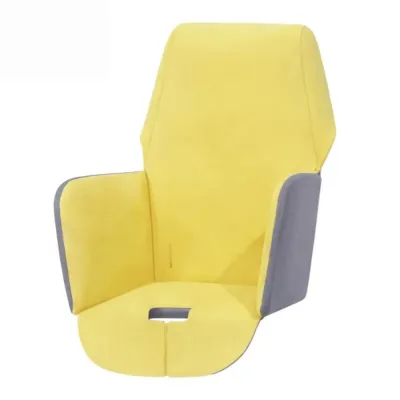
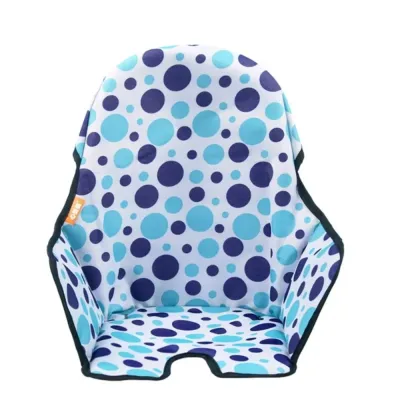
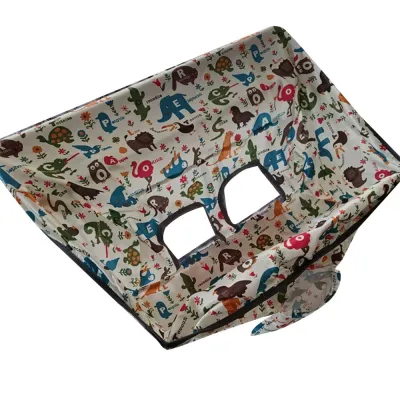
Prices are valid at publication and may change. Please refer to the product page for the latest price.

Cleanability and Stain Resistance
During the weaning stage, food will inevitably end up on every surface of the high chair. When evaluating materials, consider how easily the surface repels oils, highly pigmented foods (like squash or carrots), and liquids. A truly cleanable material allows you to wipe away fresh spills with a damp cloth during the meal without leaving behind greasy residues or permanent discoloration. Materials that absorb liquids instantly will require immediate, intensive laundering, which can quickly become exhausting when your baby eats multiple times a day.
Breathability and Climate Comfort
In a tropical climate, air circulation is essential for your baby’s comfort. Infants have a harder time regulating their body temperature than adults, and sitting trapped in a heavily padded, non-breathable plastic seat can lead to rapid heat buildup. This discomfort often manifests as restlessness, crying, or a shortened attention span at the dinner table. Furthermore, trapped sweat against sensitive skin can trigger heat rash (locally known as bungang-araw) or exacerbate infantile eczema. Look for materials that allow moisture to wick away or choose a modular system where a breathable liner can be added over a wipeable base.
Durability and Wear Resistance
A high chair seat cover must endure significant physical stress over several years of use. It will face friction from your baby’s movements, scraping from plastic and metal utensils, and the mechanical strain of being repeatedly removed, washed, and reattached. In addition, frequent exposure to sunlight in bright dining rooms can cause certain plastics and low-quality synthetics to degrade, fade, or become brittle. A durable material should maintain its structural integrity, seam strength, and soft texture even after dozens of wash cycles and daily scrubbing.
Safety and Skin Sensitivity
Because your baby’s bare skin—especially on their thighs and arms—will directly contact the seat cover, verifying material safety is paramount. Parents should actively check product labels and manufacturer documentation for safety disclosures regarding chemical treatments, heavy metals, flame retardants, and unverified waterproofing coatings. Rather than relying on vague marketing buzzwords like “eco-friendly” or “non-toxic,” look for clear manufacturer specifications indicating compliance with established consumer product safety standards. If your baby has highly sensitive skin, prioritize hypoallergenic materials that do not retain heat or harbor dust mites.
Common Seat Cover Materials and Their Practical Trade-offs
Understanding the specific pros and cons of common high chair seat cover materials will help you make an informed decision based on your household’s needs.
PU Leather and Faux Leather (Wipeable Synthetics)
Polyurethane (PU) leather and other high-quality faux leathers are incredibly popular for modern high chairs due to their sleek appearance and unmatched wipeability. When your baby spills soup or smears mashed food across the seat, a quick wipe with a damp cloth and mild baby-safe soap is usually all it takes to restore a clean surface. These materials do not absorb liquids, meaning they dry almost instantly and do not retain food odors.
However, synthetic leather has notable limitations in warm weather. In non-air-conditioned rooms, PU leather can feel hot and sticky against a baby’s bare skin, leading to sweating and discomfort. Over time, especially when exposed to direct sunlight or harsh chemical cleansers, low-grade faux leather can begin to crack, peel, or flake off. To maximize the lifespan of a PU leather cover, always check the manufacturer’s care instructions and avoid using abrasive scrubs or alcohol-based sanitizing wipes that can strip the protective polyurethane coating.
Polyester and Nylon Blends (Durable Synthetics)
Woven synthetic fabrics, such as polyester and nylon, offer a highly durable middle ground for busy households. These materials are exceptionally strong, resistant to stretching and shrinking, and can typically withstand frequent machine washing without losing their shape. Because synthetic fibers do not absorb water as deeply as natural fibers, polyester and nylon covers dry very quickly after washing—a major advantage during the humid rainy season in the Philippines when line-drying cotton fabrics can take days.
The primary trade-off with woven synthetics lies in their texture. While some polyester covers feature a smooth, water-resistant glaze, others have a distinct woven texture that can trap fine food particles, such as mashed potatoes or rice grains. Cleaning these textures often requires a more thorough scrubbing or a full trip through the washing machine compared to a simple wipe-down. Additionally, lower-quality polyester blends can sometimes feel scratchy against a baby’s delicate skin, so it is wise to verify the softness of the fabric weave before purchasing.
Cotton and Cotton Blends (Natural and Breathable)
For parents prioritizing absolute comfort and skin health, natural cotton and cotton-blend fabrics are excellent choices. Cotton is exceptionally soft, hypoallergenic, and highly breathable, making it the gentlest option for babies prone to eczema or heat rashes. It allows air to circulate freely around the baby’s body, keeping them cool and comfortable even during long, warm mealtimes.
The significant drawback of untreated cotton is its high absorbency. Liquid spills, milk, and oily food purees will soak directly into the fabric and the underlying padding almost instantly. This makes spot-cleaning nearly impossible during a meal, requiring you to remove the entire cover and run it through the washing machine. In a highly humid environment, if a wet cotton cover is not dried completely and promptly, it can quickly develop a musty odor or become a breeding ground for mold and mildew. If you prefer cotton, look for blended fabrics that incorporate a water-resistant backing or have been treated with a safe, water-repellent finish to slow down liquid absorption.
Safe Cleaning and Maintenance Guidelines by Material
Proper maintenance not only extends the life of your seat cover for baby high chair units but also ensures a hygienic dining environment free from harmful bacteria.
Routine Wiping vs. Deep Cleaning
Establish a clear cleaning routine based on the material of your seat cover. For daily maintenance of wipeable synthetic covers, a simple wipe-down with a clean, damp cloth and a mild, fragrance-free dish soap is sufficient after every meal. Pay close attention to the seams, harness slots, and crevices where food crumbs tend to accumulate. For woven fabric covers, a thorough deep cleaning—involving removing the cover and machine washing it—should be done at least once a week, or immediately after a major liquid spill, to prevent deep-seated bacterial growth and stubborn stains.
Drying in Humid Conditions
In the humid climate of the Philippines, ensuring that a washed seat cover dries completely is critical to preventing mold and mildew. After washing a padded fabric or cotton cover, squeeze out excess water gently without wringing the internal foam padding, which can cause it to lose its shape. Hang the cover to air-dry in a well-ventilated, shaded area with plenty of air circulation. Avoid leaving damp covers on the high chair frame, as trapped moisture between the fabric and the plastic shell can ruin both surfaces and create an unsanitary environment for your baby.
Checking Care Labels and Manufacturer Instructions
Before applying any cleaning solution or tossing a seat cover into the washing machine, always consult the product’s care label and the high chair’s manufacturer instructions. Some premium covers have specialized water-repellent coatings that can be stripped away by hot water or fabric softeners. If instructions conflict, or if you are dealing with an unidentified aftermarket cover, stop and consult the manufacturer or a qualified professional. Never use bleach, harsh industrial detergents, or high-heat dryer settings unless explicitly authorized by the manufacturer, as these can melt synthetic fibers, shrink cotton, or void your product warranty.
Impractical Materials and Features to Avoid
When shopping for a high chair seat cover, certain materials and design features should be avoided because they complicate cleaning or present hygiene and comfort risks.
Avoid highly absorbent, untreated natural fabrics like heavy canvas, linen, or corduroy. While they may look aesthetically pleasing in a nursery, they act like sponges for liquids and oils, trapping food particles deep within their fibers and making them incredibly difficult to sanitize.
Steer clear of seat covers that exhibit a strong, pungent chemical odor out of the box, as this can indicate the presence of volatile organic compounds (VOCs) or unverified chemical waterproofing treatments. Always prioritize products with clear manufacturer safety disclosures over cheap, unbranded alternatives.
Finally, avoid covers with overly complex designs, such as deep decorative tufting, exposed metal zippers, or rough, poorly finished seams. These crevices serve as traps for food debris, creating perfect breeding grounds for bacteria, while rough edges can rub against your baby’s sensitive skin and cause painful chafing during mealtime.
Frequently Asked Questions (FAQ)
Can I use a universal seat cover for any high chair model?
While universal seat covers are widely available on online marketplaces, you must exercise extreme caution. Before using one, strictly verify that the cover’s harness slots, strap routing pathways, and buckle openings align perfectly with your specific high chair model. A poorly fitting cover can block safety straps or cause the harness to slip, compromising your child’s safety. Always prioritize a secure, manufacturer-approved fit and ensure constant caregiver supervision during use.
How do I know if a seat cover material is safe for sensitive skin?
To ensure a seat cover is safe for sensitive skin, check the manufacturer’s official material disclosures for certified hypoallergenic properties and the absence of harsh chemical finishes. Avoid materials that trap excessive heat and moisture, as friction combined with sweat is a primary trigger for skin irritation. If your baby develops persistent redness, chafing, or an unexplained rash after using a specific seat cover, stop using it immediately and consult a pediatrician or pediatric dermatologist for professional guidance.
Community discussion
Share your experience or ask a question. Comments are reviewed before publication.