
Selecting a suitable comforter set for baby in the Philippines requires careful consideration of the country’s tropical climate. With high year-round temperatures and elevated humidity, infants are particularly susceptible to overheating and skin irritation, such as prickly heat. Because babies cannot regulate their body temperature as efficiently as adults, their bedding must actively support airflow and moisture management. The most suitable materials for a baby comforter set are highly breathable, lightweight natural fibers—such as cotton and bamboo-derived viscose—paired with thin, non-bulky fills. Caregivers should prioritize fabrics that keep the sleeping environment dry and cool, while always verifying safety certifications, proper fit, and ease of maintenance.
Key Fabric Traits for Hot and Humid Weather
To identify the most comfortable bedding for a tropical nursery, caregivers must look beyond aesthetic designs and focus on the physical properties of the fabric. The primary goal in a hot and humid climate is to prevent heat from becoming trapped around the baby’s body.
Breathability and moisture-wicking capabilities are the most critical indicators to look for on product tags. A breathable fabric allows air to circulate freely, which helps dissipate body heat. Moisture-wicking properties ensure that sweat is quickly drawn away from the baby’s skin and evaporated, keeping the sleeping surface dry. When reviewing product descriptions, look for terms that specify open-weave structures or active moisture management, as these traits directly contribute to a cooler sleep.
Products mentioned in this guide
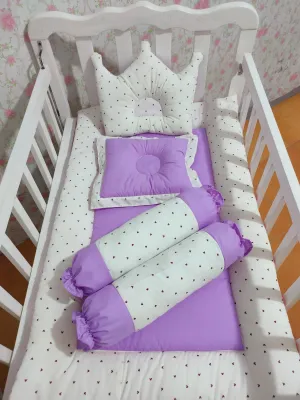
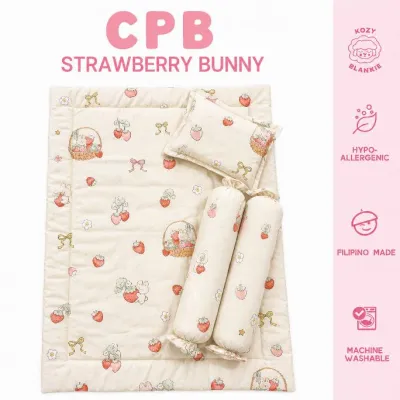
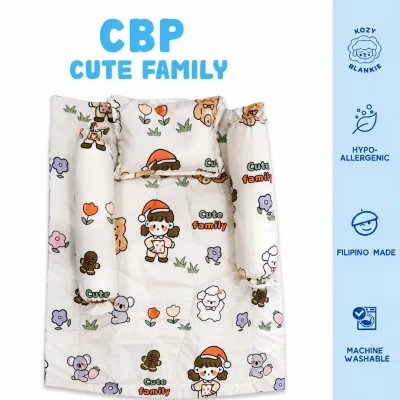
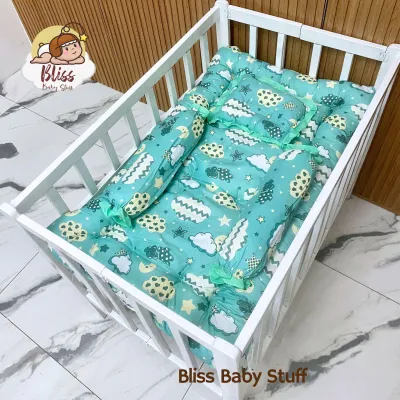
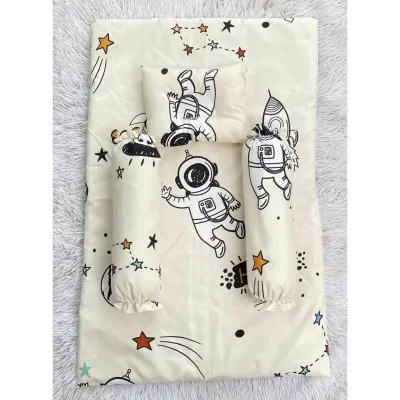
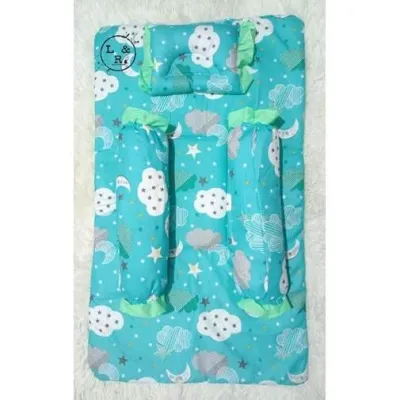
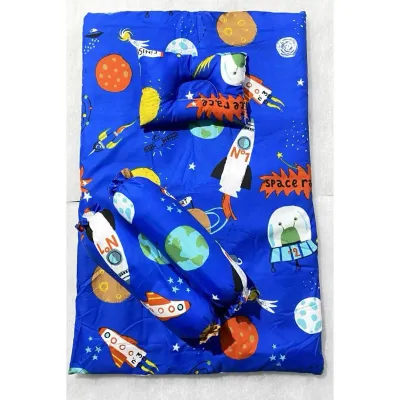
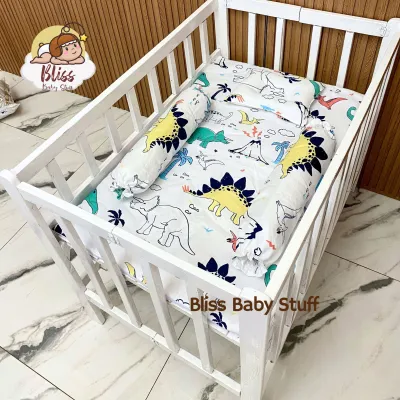
Prices are valid at publication and may change. Please refer to the product page for the latest price.
Weave types play a significant role in how well a fabric breathes, often overriding the common misconception that a higher thread count always indicates better quality. Extremely high thread counts are achieved by weaving threads very tightly together, which creates a dense barrier that traps hot air and moisture. For a tropical climate, looser weaves such as muslin or percale are far more effective. These weaves maintain a soft texture while leaving enough space between the fibers for optimal ventilation.
The weight and fill material of the comforter also dictate its thermal performance. Heavy, thick comforters designed for colder climates are unsuitable. Instead, look for comforters with a very thin, lightweight batting or quilted layer. The fill should provide a gentle, comforting weight without adding significant insulation, ensuring the baby remains comfortable whether the nursery is cooled by a ceiling fan or natural ventilation.
Comparing Common Comforter Fabrics and Fills
Choosing the right comforter set for baby involves evaluating the practical trade-offs of different materials. Different fibers handle heat, humidity, and frequent washing in distinct ways, making it essential to understand their unique characteristics before purchasing.

Natural and Plant-Derived Fibers
Cotton is a widely trusted material for baby bedding due to its natural breathability, softness, and durability. Standard cotton weaves, such as percale and muslin, are highly effective at promoting airflow. Muslin cotton, in particular, features an open, plain weave that is exceptionally light and breathable, making it an excellent choice for warm tropical nights. Organic cotton is also a popular option for parents seeking fabrics grown without synthetic pesticides, though caregivers should verify organic claims through recognized textile standards on the product label.
Bamboo-derived viscose and lyocell have become increasingly popular for tropical bedding due to their superior moisture-wicking properties. These plant-derived fibers feature microscopic gaps that naturally pull moisture away from the skin much faster than cotton. Additionally, bamboo-derived fabrics often have a silky, cool-to-the-touch texture that provides immediate comfort in warm weather. They are highly breathable and drape gently over the baby, reducing the risk of overheating.
However, natural and plant-derived fibers often require specific care to maintain their quality. Cotton and bamboo fabrics can shrink or lose their softness if washed in hot water or dried on high heat settings. Caregivers should check the manufacturer’s instructions to ensure they can accommodate the recommended gentle washing cycles and low-heat or line-drying requirements.
Synthetic Blends and Microfiber
Synthetic materials, such as polyester and microfiber, are common in many commercially available baby comforter sets. While these materials are often highly affordable and durable, they present notable challenges in humid environments. Standard polyester fibers are essentially synthetic polymers, meaning they do not absorb moisture. Instead, polyester tends to trap sweat and body heat against the baby’s skin, creating a warm, damp sleeping environment that can lead to discomfort and skin rashes.
Microfiber is a specific type of synthetic fabric made from extremely fine, tightly woven polyester or nylon fibers. Although microfiber is appreciated for its velvety softness and resistance to stains, its dense weave significantly restricts airflow. In a tropical nursery without continuous air conditioning, a microfiber comforter can quickly become uncomfortably warm, making it less suitable for babies who sweat easily.
Despite these drawbacks, synthetic blends have practical benefits, particularly during the rainy season in the Philippines. Synthetics dry much faster than natural fibers and are highly resistant to wrinkling and shrinking. If budget constraints or drying convenience lead you to choose a synthetic comforter set for baby, look for options with an extremely thin fill layer and ensure the inner sheets—which come into direct contact with the baby’s skin—are made of highly breathable cotton or bamboo.
Verifying Safety, Hypoallergenic Claims, and Care Labels
When selecting bedding for an infant, safety and hygiene must always take precedence over convenience and style. Caregivers should establish a rigorous verification routine before introducing any new comforter set to the nursery.
Marketing terms like “hypoallergenic” are frequently printed on baby bedding packages, but these claims are not always backed by rigorous testing. To ensure the fabric is truly safe for sensitive infant skin, look for verifiable textile safety certifications. Standards such as the OEKO-TEX Standard 100 or the Global Organic Textile Standard (GOTS) indicate that the product has been tested for harmful levels of chemicals, dyes, and allergens. Always check the product packaging or the manufacturer’s official documentation to verify these certifications.
Physical construction is another critical safety factor. Before washing and using a new comforter, inspect it thoroughly for loose threads, frayed edges, or weak stitching. Loose threads can easily wrap around a baby’s fingers or toes, posing a serious circulation hazard. Ensure all seams are flat and secure, and check that any zippers, snaps, or decorative elements are firmly attached and covered with fabric guards to prevent scratching. If you notice any unraveling or loose parts, stop using the bedding immediately.
Proper maintenance is essential to prevent health risks associated with high humidity. The tropical climate of the Philippines provides an ideal breeding ground for mold, mildew, and dust mites. Review the care label to confirm that the comforter set can be washed frequently at temperatures sufficient to eliminate allergens. Because damp fabric can develop mold quickly, ensure the comforter can be thoroughly dried—either in a dryer on a safe setting or hung in a well-ventilated, sunny area—before placing it back in the crib. If a comforter develops a persistent musty odor or visible mold spots, it should be replaced immediately. If your baby develops persistent skin irritation or respiratory symptoms, consult a qualified pediatrician or dermatologist.
Final Checklist for Selecting Your Comforter Set for Baby
To make a confident and safe purchase, use this step-by-step decision framework tailored to your specific nursery environment:
- Assess the Room Temperature: Match the comforter's weight to your cooling setup. If the nursery is consistently cooled by air conditioning, a slightly insulated comforter may be suitable. If the room relies on fans or natural ventilation, opt for an ultra-thin, single-layer quilted blanket or a breathable muslin cover.
- Verify the Age and Development Stage: Always consult the manufacturer's guidelines regarding the appropriate age and weight range for using a comforter. Safe sleep guidelines generally recommend keeping the sleep space free of loose blankets for infants; ensure you use the comforter only under proper caregiver supervision and in accordance with pediatric safety recommendations.
- Check the Exact Dimensions: Measure your crib, cot, or toddler bed mattress before buying. The comforter must fit the bed precisely without excess, loose fabric that could bunch up and create a safety hazard.
- Prioritize Easy Washing: Choose materials that are machine-washable and quick-drying. Having at least two complete comforter sets allows you to easily rotate them during washing cycles, ensuring your baby always has a clean, dry sleeping surface.
- Inspect the Fabric Labels: Confirm the material composition (prioritizing cotton or bamboo) and look for independent safety certifications to ensure the bedding is free from harmful substances.
Frequently Asked Questions (FAQ)
Is a higher thread count always better for a baby comforter?
No, a higher thread count is not always better for a baby comforter, especially in a hot and humid climate. Very high thread counts mean the fibers are woven tightly together, which significantly restricts airflow and traps body heat. For a tropical environment, a moderate thread count (typically between 200 and 400) made from high-quality natural fibers like cotton or bamboo is ideal. This range provides a soft, comfortable texture while maintaining the breathability necessary to keep your baby cool.
How often should I wash the comforter set in a humid climate?
In a humid climate like the Philippines, you should wash your baby’s comforter set at least once a week, or immediately if it becomes soiled by sweat, spit-up, or diaper leaks. High humidity accelerates the growth of dust mites, mold, and bacteria on damp fabrics. Always refer to the manufacturer’s care label for specific washing and drying instructions, and ensure the comforter is completely dry before placing it back in the crib to prevent mildew buildup.
Community discussion
Share your experience or ask a question. Comments are reviewed before publication.