
Securing your kitchen is a vital step in creating a safe home environment for your growing child. In many Filipino households, the kitchen is a bustling hub of activity where the refrigerator holds everything from heavy glass pitchers to raw ingredients, condiments, and chilled items. A magnetic door lock for refrigerator units offers a highly secure, discreet, and reliable way to prevent toddlers from accessing these hazards. Unlike traditional plastic straps that clutter your appliance’s exterior, magnetic locks remain hidden or flush-mounted, keeping your kitchen’s aesthetic intact while providing robust protection.
Choosing the right lock requires understanding how different mechanisms interact with your specific refrigerator model, especially under the humid tropical conditions of the Philippines. By evaluating key features like adhesive strength, material durability, and surface compatibility, you can select a locking system that keeps your child safe without causing unnecessary inconvenience during your daily cooking routine.
Why Magnetic Locks Are Essential for Fridge Baby-Proofing
Toddler curiosity peaks between the ages of 9 and 36 months. During this developmental stage, children love to mimic adult actions, and a large, shiny refrigerator door is an incredibly tempting target. The physical risks associated with an unsecured refrigerator are significant. Heavy appliance doors can easily pinch delicate fingers, and falling glass jars or heavy condiment bottles can cause serious impact injuries. Furthermore, access to raw meats, eggs, or spoiled food items poses a severe food safety risk to a young child’s sensitive digestive system. In some cases, adventurous toddlers may even attempt to use the lower shelves as steps to climb inside, creating a dangerous tipping or entrapment hazard.
Products mentioned in this guide
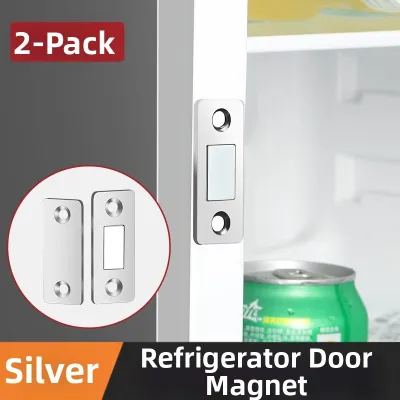
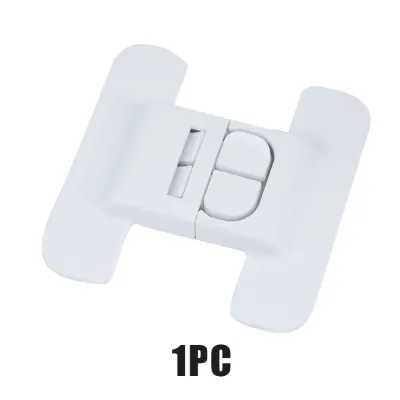
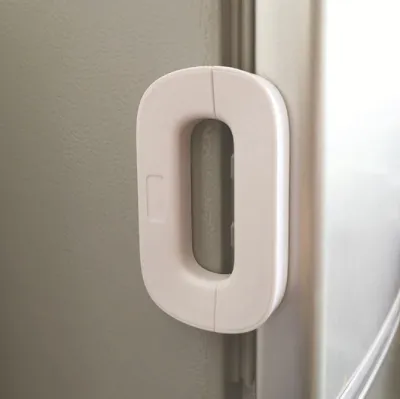
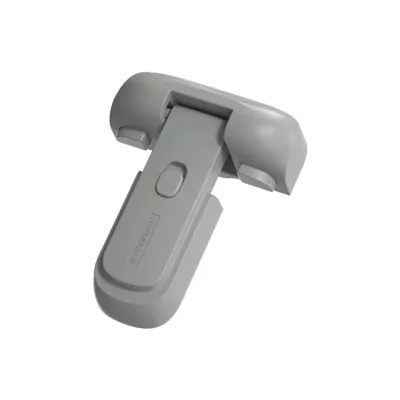
Prices are valid at publication and may change. Please refer to the product page for the latest price.
Standard plastic strap locks are highly visible and rely on exposed latches or buttons. Because toddlers are keen observers, they often watch their parents operate these straps and quickly learn how to bypass or slide them open. Magnetic locks solve this problem by utilizing a completely hidden or low-profile design. Because there are no visible buttons or straps on the front of the appliance, the visual cue that prompts a toddler to investigate is entirely removed. The door simply remains firmly shut unless the proper magnetic key is applied to the designated spot.
Additionally, modern refrigerators feature strong door gaskets that create a tight suction seal. Opening the door requires overcoming this initial suction, which often causes adults to pull with considerable force. When a toddler yanks on a door secured by a standard strap lock, that sudden, repetitive tension is concentrated on a small plastic hinge or flexible strap, which can stretch, degrade, or snap over time. Magnetic locks offer a superior structural advantage by utilizing a solid internal deadbolt or heavy-duty latch mechanism that distributes force evenly, making them far more resilient against high-velocity pulls.
Key Features to Evaluate Before Buying
Adhesive vs. Screw-Mounted Locks
In the Philippines, many families live in rental properties or condominiums where drilling into major appliances is strictly prohibited. Even if you own your home, drilling into a modern refrigerator can puncture internal cooling coils, damage electrical wiring, or instantly void the manufacturer’s warranty. For these reasons, high-strength adhesive locks are the most practical and popular choice. Look for locks that utilize premium, pressure-sensitive acrylic foam tapes (such as genuine 3M VHB tape). These adhesives form a viscoelastic bond that actually strengthens over time and resists the high humidity common in tropical kitchens. Screw-mounted options provide an absolute, permanent hold, but they should only be considered for older, out-of-warranty appliances where drilling locations can be safely verified.

Magnetic Key Strength and Pull-Force
The effectiveness of the lock depends entirely on the strength of the magnetic key. The magnet must be powerful enough to penetrate the thickness of your refrigerator door or cabinet frame to actuate the internal locking lever. Low-quality locks often feature weak magnets that fail to work through thicker insulated doors. When comparing products on online marketplaces, look for manufacturers that specify the maximum door or cabinet thickness the key can operate through—ideally between 1 to 1.5 inches. In the Philippines, quality magnetic lock sets typically range in price from ₱300 to ₱1,200 depending on the number of locks and keys included in the pack.
Material Durability and Climate Resilience
Kitchens in the Philippines are often warm and humid, conditions that can accelerate the degradation of cheap plastics and cause internal metal components to rust. When selecting a lock, ensure the housing is made of thick, high-impact ABS plastic, which resists cracking under sudden impacts. More importantly, verify that the internal spring mechanism is made of stainless steel or treated with a rust-resistant coating. A rusted internal spring can seize up, either leaving the refrigerator permanently unlocked or, worse, trapping your food inside.
Unlock Mechanism and Usability
Consider how the lock fits into your daily routine. You will be opening the refrigerator dozens of times a day, often while carrying groceries, prepping ingredients, or holding a child. The unlocking process must be smooth and ergonomic for adults. Most magnetic locks require you to place the magnetic key against a specific spot on the door exterior to retract the latch. For added convenience, look for models that feature a “disable” or “crossover” switch. This allows you to temporarily deactivate the locking mechanism during active cooking sessions or after the children have gone to bed, saving you from having to use the key for every single trip to the fridge.
Compatibility Guide: Matching Locks to Fridge Surfaces and Styles
Surface Materials and Adhesion Challenges
Refrigerator doors come in a wide variety of finishes, including textured stainless steel, smooth painted metal, matte surfaces, and tempered glass. Each surface interacts differently with adhesives. Textured stainless steel has microscopic ridges that reduce the actual contact area for the adhesive tape, which can lead to premature failure if a child pulls hard. Tempered glass provides an exceptionally smooth surface for excellent adhesion, but removing the lock later requires careful technique to avoid scratching. If your refrigerator features a specialized anti-fingerprint or oleophobic coating, standard adhesives may struggle to bond. Always check the manufacturer’s guidelines regarding compatible surfaces before purchasing.
Door Configurations
The physical layout of your appliance dictates where and how you can install a magnetic lock:
- Single-Door Fridges: The lock body is typically mounted on the side of the appliance cabinet, with the catch mechanism secured to the inner edge of the door.
- Double-Door (Top or Bottom Freezer) Fridges: You will need to secure both compartments. Ensure there is enough flat surface area on the middle frame between the doors to accommodate the lock bodies.
- Side-by-Side and French Door Fridges: These layouts are highly popular but present a unique challenge because the doors meet in the center without a solid frame pillar. To secure these, you must use a lock designed to bridge the gap between the two doors, or install separate locks on the outer edges, securing each door to the left and right sides of the main cabinet frame.
Gap and Hinge Clearance
Before finalizing your purchase, open your refrigerator doors and carefully inspect the clearance space. Measure the gap between the closed doors, as well as the distance between the door and the rubber gasket seal. The locking arm and catch must align perfectly without compressing or distorting the rubber gasket. If a lock is too bulky and presses against the gasket, it can break the airtight seal. This allows cold air to escape, leading to food spoilage, increased electricity bills, and excessive condensation or frost buildup—a frequent issue in humid tropical climates.
How to Install Magnetic Locks Securely
Surface Preparation
The secret to a long-lasting adhesive bond is meticulous cleaning. Kitchen appliances naturally accumulate an invisible layer of cooking grease, oil splatter, dust, and fingerprints. Simply wiping the surface with a damp cloth or soapy water is insufficient and can leave a soapy residue that ruins the adhesive. Instead, clean the precise mounting area thoroughly using 70% isopropyl alcohol. Wipe the area dry with a clean microfiber cloth and let it air-dry completely. Avoid using household glass cleaners or multi-surface sprays, as they often contain silicones or oils that prevent proper bonding.
Curing Time
Once the surface is clean and dry, peel off the adhesive backing, align the lock components carefully using the manufacturer’s installation template, and press them firmly against the surface for at least 30 to 60 seconds. This pressure-sensitive tape requires time to flow into the microscopic pores of the surface and form a permanent bond. Do not test, pull, or use the lock immediately. Allow the adhesive to cure undisturbed for 24 to 72 hours. To prevent family members from accidentally yanking the door open during this critical curing phase, place a temporary strip of painter’s tape across the front of the refrigerator door as a visual reminder.
Placement Height
Mount the lock as high as practically possible on the refrigerator door. Keeping the locking mechanism and the external key contact point high up ensures it remains completely out of your toddler’s line of sight and physical reach. It also positions the lock at a comfortable, ergonomic height for adults, preventing the need to bend down every time you need to open the fridge.
Safety Boundary
Always review your refrigerator’s user manual before installing any aftermarket safety devices. If your appliance has a delicate exterior coating or active cooling panels built into the side walls, drilling is strictly prohibited, and even certain strong adhesives must be used with caution. If the lock manufacturer’s instructions conflict with your appliance manual, always prioritize the refrigerator manufacturer’s guidelines to protect your appliance and maintain your warranty.
Navigating Online Stores: What to Verify Before Checkout
Review Analysis
When shopping on e-commerce platforms in the Philippines, do not rely solely on star ratings. Scroll down to the customer review section and look for verified purchase reviews that contain photos and videos. Pay close attention to reviews from buyers who have installed the lock on a refrigerator model similar to yours. Look for feedback regarding how well the adhesive holds up after several months of daily exposure to kitchen heat and humidity.
Red Flags to Avoid
Be skeptical of listings that make exaggerated claims, such as promising that a simple plastic adhesive lock can hold hundreds of kilograms of force. Reliable brands will clearly state the specific materials used (such as high-impact ABS plastic) and the exact brand of adhesive tape provided. Avoid listings with highly repetitive, generic five-star reviews that lack specific details or real-world photos, as these can often be artificially generated.
Return Policies
Because appliance finishes and door configurations vary widely, there is always a small chance that a lock may not fit your specific refrigerator layout or bond correctly with a specialized door coating. Before clicking the checkout button, verify the seller’s return and exchange policies. Choosing a seller that offers straightforward returns or responsive customer support ensures you will not be left with incompatible hardware if the lock does not work with your appliance.
Frequently Asked Questions (FAQ)
Can magnetic locks damage my refrigerator's finish?
When installed and removed correctly, high-quality adhesive magnetic locks will not damage your refrigerator’s finish. However, pulling or prying a cold adhesive pad off can scratch stainless steel or chip painted surfaces. To remove a lock safely, use a hair dryer on a low-to-medium heat setting to gently warm the plastic mount and soften the acrylic adhesive. Once the adhesive is warm and pliable, slide a piece of dental floss or strong fishing line behind the plastic mount and use a gentle sawing motion to cut through the tape. Any remaining sticky residue can be easily cleaned by applying a small amount of baby oil, eucalyptus oil, or a specialized adhesive remover to a soft microfiber cloth and rubbing gently. Avoid using metal scrapers, abrasive scrubbing pads, or harsh chemical solvents like acetone, as these will permanently scratch or discolor your appliance.
What happens if I lose the magnetic key?
Losing the magnetic key is a common concern for busy parents. To prevent being locked out of your refrigerator, it is highly recommended to purchase a lock set that includes multiple keys. Keep one key in a designated, high operating spot (such as on top of the microwave or a high magnetic board) and store the spare key in a completely separate, secure location out of your child’s reach. If you do lose all your keys, you can sometimes use a strong household neodymium magnet as a temporary workaround to release the internal latch. However, generic magnets may not have the correct magnetic polarization or strength to align properly with the internal mechanism, so ordering a replacement key from the manufacturer is the most reliable long-term solution.
Are magnetic locks safe for all toddler ages?
Magnetic locks are highly effective safety tools, but they have developmental limits. They are ideal for infants and toddlers between the ages of 9 months and 3 years. During this stage, children do not have the cognitive ability to understand how the hidden lock works, nor do they possess the physical strength to break a fully cured adhesive bond. However, as children grow older (typically around 3 to 4 years old), their physical strength increases significantly, and a determined child may be able to yank the door hard enough to compromise the adhesive or break the plastic latch. Older children are also excellent observers and may eventually figure out where you store the magnetic key and how to use it. Therefore, magnetic locks should always be viewed as a supportive safety measure rather than a replacement for active adult supervision and consistent household safety rules.
Community discussion
Share your experience or ask a question. Comments are reviewed before publication.