
Securing your home for a growing baby involves identifying hidden hazards at the child’s eye level, and electrical outlets are often at the very top of that list. In many households, the immediate response is to purchase a pack of standard plastic plug caps. However, as infants transition into curious toddlers, their fine motor skills and problem-solving abilities develop rapidly. What once served as a simple barrier can quickly become an engaging puzzle for a determined child.
To ensure long-term safety, transitioning to a dedicated socket cover with lock is a highly effective strategy. These devices go beyond simple friction-fit plugs by enclosing the entire outlet or utilizing mechanical locks that require adult strength and coordination to open. When shopping for these safety devices in the Philippines, parents must navigate a wide variety of options on online marketplaces and in local baby boutiques. Selecting the right model requires understanding how these covers perform under daily use, how they withstand local environmental factors like high humidity, and how they fit standard home electrical configurations.
Why Standard Plug Caps Fall Short for Active Toddlers
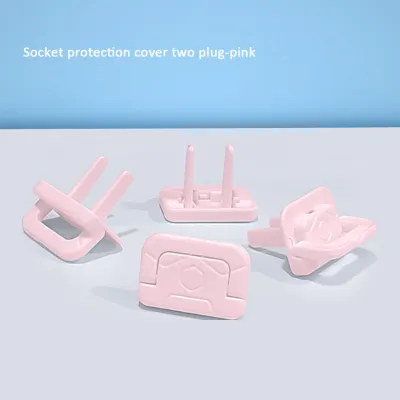
Standard friction-fit outlet plugs are a common sight in many homes, but they present several distinct safety limitations that make them unsuitable for older or more active toddlers. The primary issue with these basic caps is that they rely entirely on friction to stay in place. Over time, repeated insertion and removal can wear down the plastic prongs, loosening the fit. A curious toddler, observing how adults interact with the wall, will often attempt to mimic these actions. Using their fingernails, teeth, or small toys, many children can easily pry these loose caps out of the wall.
Products mentioned in this guide
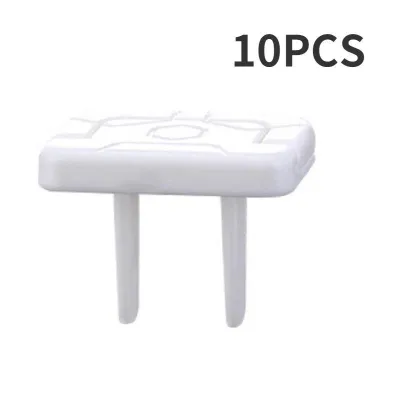
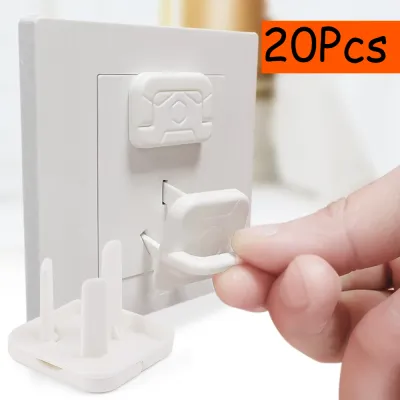
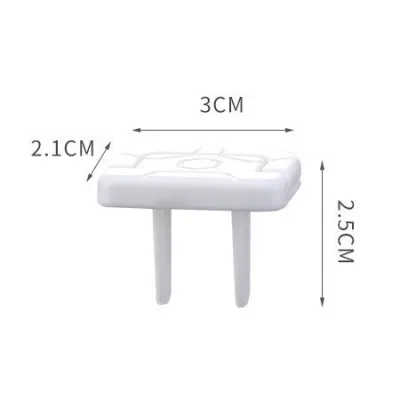
Prices are valid at publication and may change. Please refer to the product page for the latest price.
Once a standard plug cap is removed, it immediately transforms from a safety device into a severe choking hazard. Because these caps are small, lightweight, and made of hard plastic, they easily fit into a child’s mouth. If a toddler manages to pull a cap out while unsupervised, the risk of ingestion or airway obstruction is extremely high. This irony defeats the original purpose of the safety device, replacing an electrical hazard with a choking emergency.
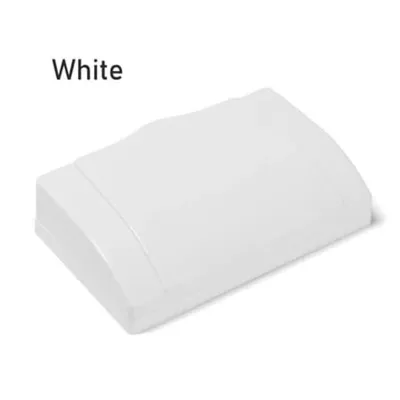
Furthermore, standard caps only plug the individual receptacle holes, leaving the rest of the outlet faceplate exposed. Active toddlers do not just poke at the holes; they also pull on cords, scratch at the edges of the wall plate, and attempt to plug in random household objects. A true socket cover with lock addresses these vulnerabilities by providing a full-enclosure shield. These comprehensive covers block access to the entire outlet plate, ensuring that even if a child tampers with the area, they cannot touch the live receptacles or any partially inserted plugs.
Essential Safety Features to Check Before Buying
When evaluating different locking socket covers on ecommerce platforms or in physical baby stores, parents must look closely at the material standards of the product. High-quality safety covers are typically constructed from impact-resistant, BPA-free plastics such as heavy-duty polycarbonate or ABS. These materials are essential because toddlers may attempt to pull, twist, or even bite the cover if it is within their reach. In the tropical climate of the Philippines, where indoor temperatures and humidity levels can fluctuate significantly, low-grade plastics can degrade quickly, becoming brittle and prone to cracking under pressure.

The enclosure design itself must be seamless and robust. A well-designed locking cover should fit flush against the wall, leaving no visible gaps or leverage points along the edges. If a cover has a slight wobble or a raised edge, a child can insert a flat toy or their fingers to pry the unit away from the wall. The cover should also feature rounded corners to prevent injuries if a toddler bumps into it while crawling or learning to walk.
Safety certifications are another critical factor to verify before making a purchase. Because product listings on online marketplaces often use generic titles and unverified claims, caregivers should inspect the product packaging or digital manuals for recognized testing marks. Look for certifications from established international standards organizations, such as Underwriters Laboratories (UL) or European Conformity (CE) marks, which indicate the plastic has been tested for flame resistance and structural integrity. Additionally, verify that the product complies with local consumer product safety guidelines to ensure you are not installing a substandard imitation.
Comparing Locking Mechanisms: Keys vs. Dual-Action
Choosing the right locking mechanism is a balance between securing your child and maintaining a practical daily routine. Key-operated socket covers offer some of the highest levels of security available. These designs typically feature a physical plastic or metal key that must be inserted and turned to unlock the cover and access the outlet. Because there are no buttons or levers for a child to manipulate, it is virtually impossible for a toddler to bypass this system. However, this high level of security comes with a practical trade-off: caregivers must keep track of the key. If the key is misplaced, accessing the outlet in an emergency can be highly frustrating, and leaving the key inserted in the lock defeats the entire safety purpose.
For outlets that are used frequently, such as those powering vacuum cleaners or phone chargers, a dual-action or squeeze-release system is often more practical. These covers utilize a tool-free mechanism that requires two distinct, simultaneous physical actions to open—such as squeezing two side buttons while pulling the cover forward. This design exploits the developmental limits of toddlers, who generally lack the hand span, finger strength, and bilateral coordination required to perform both actions at once. For adults, however, the motion quickly becomes second nature, allowing quick, one-handed access without searching for a key.
Sliding lock mechanisms represent another common option, where a spring-loaded panel slides over the receptacle holes when a plug is removed. While highly convenient for quick plug-ins, caregivers should exercise caution when using these in areas accessible to older siblings. A child of four or five years old may easily observe and replicate the sliding motion, subsequently showing a younger sibling how to bypass the cover. When choosing between these mechanisms, consider the age of all children in the household and how often you need to plug and unplug appliances in that specific location.
Verifying Socket Compatibility in the Philippines
Before purchasing any locking socket cover, it is essential to verify that the product is fully compatible with the specific electrical outlets installed in your home. In the Philippines, residential wall outlets typically accommodate Type A (two flat parallel pins) and Type B (two flat pins with a round grounding pin) plugs, with some modern installations also supporting Type C (two round pins) utility configurations. Many locking covers sold online are designed for standard US duplex outlets, which may have different screw placements or faceplate dimensions than the wall plates commonly installed in Filipino homes.
To avoid purchasing an unusable product, take precise measurements of your existing wall plates before shopping. Note whether your outlets are mounted flush with the drywall, recessed, or surface-mounted on concrete walls, as surface-mounted boxes often require deeper covers to fit properly. Additionally, check if the outlet plate is integrated with adjacent light switches or telephone jacks. A universal locking cover that is too wide may obstruct these neighboring controls, forcing you to leave the cover partially open or modify your wall setup.
When browsing online marketplaces, do not rely solely on generic product descriptions that claim “universal fit.” Instead, spend time reading user reviews from local buyers. Look for feedback that specifically mentions successful installation on common local electrical brands, such as Omni, Royu, or Panasonic. If other parents in the Philippines note that a specific cover fits securely over these standard local plates without leaving gaps, you can proceed with greater confidence.
Safe Installation and Caregiver Best Practices
Proper installation is just as important as choosing the right product. For locking covers that rely on adhesive backing to secure themselves to the wall plate, surface preparation is critical. In the humid tropical climate of the Philippines, dust, moisture, and oil can quickly accumulate on plastic wall plates, severely weakening adhesive bonds. Before applying the cover, thoroughly clean the faceplate with isopropyl alcohol and allow it to dry completely. Apply firm, even pressure to the adhesive sections during installation, and allow the adhesive to cure for the manufacturer-recommended timeframe—typically 24 hours—before attempting to use or test the lock.
Once the installation is complete, caregivers should perform a physical test to verify the security of the cover. Attempt to open the cover using moderate force, simulating the pulling and shaking motions of an active toddler. If the cover wobbles, pulls away from the wall, or the lock pops open under adult pressure, the installation is insecure, and the unit should be reinstalled or replaced. Remember that no safety device can completely replace active adult supervision; caregivers must regularly inspect the covers for signs of wear, cracks, or loose components.
For key-operated systems, establish a strict household rule regarding key storage. Keys should always be stored in a designated, child-proof location that is completely out of sight and reach of children, yet easily accessible to adults in the room. Never leave the key resting on top of the outlet cover or hanging from a nearby cord, as toddlers are highly observant and will quickly learn to associate the key with unlocking the barrier. If a cover becomes damaged or the locking mechanism begins to stick, stop using it immediately and replace the unit to prevent both electrical hazards and accidental lockouts.
Frequently Asked Questions (FAQ)
Can I use locking socket covers on power strips and extension cords?
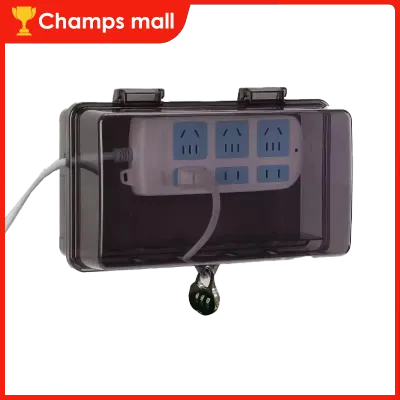
Standard wall-plate locking covers are designed specifically for fixed, flat wall outlets and are generally not compatible with portable power strips or extension cords. Power strips have different dimensions, closely spaced receptacles, and flexible cords that prevent wall covers from sealing properly. To secure power strips, caregivers should look for dedicated power strip safety boxes or cable management enclosures. These specialized boxes fully enclose the entire power strip and feature secure latches and narrow exit slots for cords, preventing toddlers from pulling plugs out or inserting foreign objects into the strip.
What should I do if the locking mechanism gets stuck or breaks?
If a locking socket cover becomes stuck or breaks while plugged in, safety must be your absolute priority. Never attempt to pry the cover open using metal tools, screwdrivers, or knives, as inserting metal near a live electrical outlet carries a severe risk of electrocution. Instead, locate your home’s main electrical panel or circuit breaker and switch off the power to that specific room first. Once you have verified that the outlet is dead using a non-contact voltage tester, you can safely attempt to remove the damaged cover. If you are unsure how to safely disable the power or remove the broken device, consult a qualified professional electrician to handle the repair.
Community discussion
Share your experience or ask a question. Comments are reviewed before publication.