
Navigating daily outings with an infant or toddler in the Philippines requires careful preparation, making a reliable mommy bag large capacity choice an absolute necessity. Whether you are heading to a local shopping mall to escape the midday heat, visiting family for Sunday gatherings, or managing a commute via public transport, carrying a day’s worth of baby essentials demands a bag that balances space with structural comfort. A high-capacity diaper bag must accommodate diapers, changes of clothes, feeding gear, wipes, and personal items without turning into an unorganized, heavy burden.
Selecting the ideal bag involves looking beyond sheer volume to evaluate how the design handles the tropical climate, daily travel demands, and the physical strain of carrying baby gear. The best option is one that keeps your hands free when needed, protects contents from sudden downpours, and keeps milk or water at a safe temperature. By understanding the distinct styles, material requirements, and organizational strategies, parents can confidently choose a bag that simplifies their daily routines.
Key Criteria for Choosing a Large Capacity Mommy Bag
To find a high-capacity diaper bag that truly supports your daily outings, you must first define what “large capacity” means for your specific routine. A truly spacious bag should comfortably house six to eight diapers, a full pack of wet wipes, a travel-sized changing mat, two changes of clothes, feeding bottles, a thermos of hot water, baby food, and your personal items like keys, phone, and wallet. If you are breastfeeding, pumping, or caring for multiple children, the space requirements increase significantly, making a bag with a capacity of 20 to 30 liters highly practical.
Products mentioned in this guide
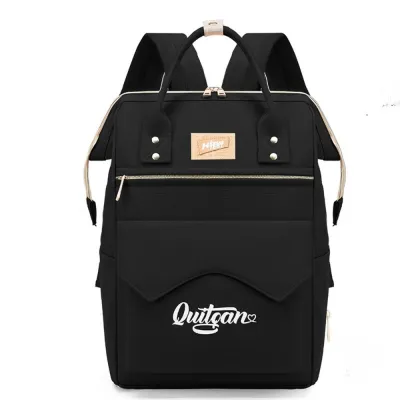
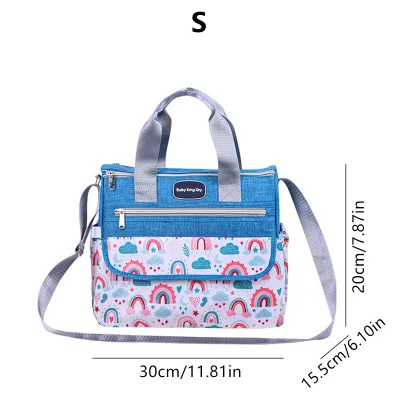
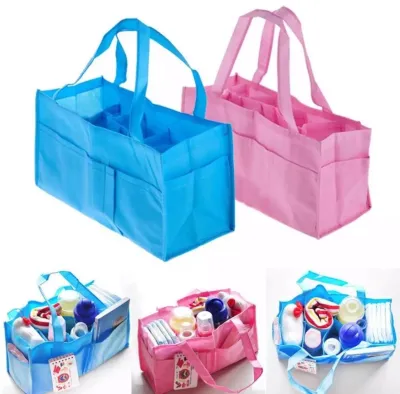
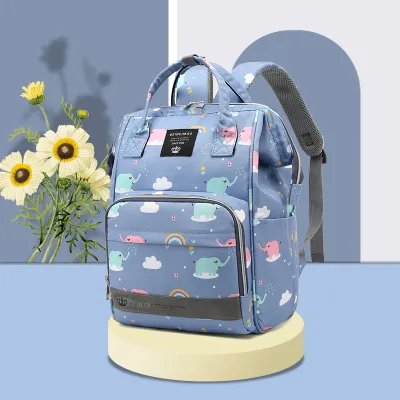
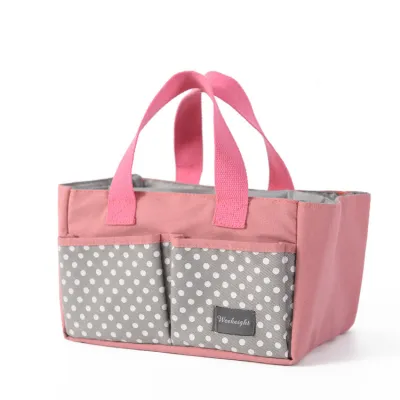
Prices are valid at publication and may change. Please refer to the product page for the latest price.
Weight distribution and carrying comfort are critical when a bag is packed to its limit. Carrying several kilograms of baby gear for hours can quickly lead to neck, shoulder, and back strain. For backpack styles, look for wide, heavily padded shoulder straps that distribute weight evenly across your shoulders, coupled with an ergonomic, breathable back panel to reduce sweating. If you prefer a shoulder bag, a wide, adjustable strap with a movable shoulder pad is essential to prevent the strap from digging into your skin.
Material durability and ease of maintenance determine how well the bag survives daily wear and tear. Diaper bags are subjected to frequent spills, dropped food, and outdoor dirt, so prioritizing high-density, wipe-clean fabrics is a smart choice. Materials like premium nylon, polyester, or treated canvas offer excellent resistance to abrasions and can be easily cleaned with a damp cloth or a mild soap solution. Always check the manufacturer’s care instructions, as some bags are fully machine-washable, while others require spot cleaning to preserve water-resistant coatings.
Accessibility and compartmentalization prevent the frustration of digging blindly for a pacifier or wipe during an emergency. A superior large-capacity bag features a structured, wide-mouth opening—often reinforced with metal frames—that stays open on its own while you pack or unpack. Dedicated interior and exterior pockets, including zippered wet-dry compartments, elasticized side pockets, and quick-access slots, ensure that every essential has a designated home, allowing you to locate items in seconds.
Top Mommy Bag Large Capacity Styles for Maximum Storage
Different parenting styles and daily travel habits call for different bag structures. Choosing the right silhouette ensures that your bag integrates seamlessly into your lifestyle rather than becoming an obstacle during outings.

Diaper Backpacks for Hands-Free Convenience
Diaper backpacks have become the preferred choice for many modern parents due to their superior ergonomic design and mobility benefits. By distributing the weight of baby gear symmetrically across both shoulders, a backpack minimizes posture misalignment and reduces fatigue during long walks or commutes. This style keeps both of your hands completely free, allowing you to safely carry your baby, push a stroller, navigate public transportation, or hold a toddler’s hand.
High-capacity diaper backpacks typically feature deep main compartments with multiple vertical pockets lining the interior walls to maximize vertical space. They often include specialized compartments, such as insulated front pockets for baby bottles, hidden anti-theft pockets on the back panel for valuables, and side pockets designed specifically for quick-access baby wipes.
However, backpacks do have a notable limitation: accessing items stored at the very bottom of the main compartment can be challenging without removing the bag entirely and unzipping it fully. To mitigate this, many high-end diaper backpacks feature a rear zipper access point, allowing you to reach items at the bottom without disturbing the contents packed on top.
- Ideal for: Parents who walk frequently, rely on public transit, wear their babies in carriers, or manage active toddlers who require constant supervision and quick physical intervention.
Large Tote Diaper Bags for Quick Access
Tote-style diaper bags offer a classic, fashionable aesthetic that closely resembles a premium handbag or a structured utility tote. The primary advantage of a large tote is its exceptionally wide top opening, which provides an unobstructed view of the entire interior. This design allows you to locate and retrieve items instantly with one hand while holding your baby with the other.
Many large diaper totes are designed with professional parents in mind, featuring elegant hardware, neutral colors, and dedicated padded compartments for laptops or tablets. They often come equipped with removable internal organizers or matching clutch pouches, allowing you to transition the bag from a diaper carrier to a stylish work or gym bag once your child grows.
The main trade-off of a tote bag is the physical strain of carrying it. Because a tote relies on a single shoulder strap or dual top handles, carrying a fully loaded, heavy bag on one side of your body for extended periods can cause significant muscle strain and posture imbalances.
- Ideal for: Parents who primarily travel by private car, prefer a highly polished and professional look, or need immediate, one-handed access to baby gear while seated in restaurants or waiting areas.
Convertible and Duffel Bags for Extended Trips
Convertible and duffel-style diaper bags are built for maximum utility, offering massive, unstructured main compartments that can accommodate bulky gear. These bags are designed to hold items that standard backpacks or totes struggle to fit, such as manual breast pumps, portable milk warmers, thick layers for travel, or multiple changes of clothes for twins or siblings of different ages.
The defining feature of a convertible bag is its versatility in carrying options. Most models feature detachable, adjustable straps that allow you to quickly convert the bag from a duffel or crossbody messenger bag into a backpack or a shoulder bag. They also frequently include dedicated, lined wet compartments to keep soiled clothes or damp towels completely isolated from dry items.
The primary limitation of these bags is their bulky, elongated shape, which can feel cumbersome and heavy when navigating tight spaces, crowded aisles, or busy pedestrian pathways. They can easily overbalance a lightweight stroller if hung incorrectly, requiring careful handling.
- Ideal for: Weekend family trips, long hospital visits, parents managing gear for twins or multiple young children, and mothers who need to carry extensive pumping equipment to work.
Must-Have Features for the Philippine Climate and Daily Commutes
Operating in the tropical climate of the Philippines introduces unique challenges that dictate the material and functional requirements of your diaper bag. High humidity, sudden heavy downpours during the monsoon season, intense outdoor heat, and heavily air-conditioned indoor spaces all affect how you pack and protect baby essentials.
Water-resistant or waterproof exterior fabrics are essential for local daily use. A sudden tropical shower can quickly soak through standard canvas or cotton bags, potentially ruining clean diapers, spare clothes, and sensitive electronics. Materials like water-repellent nylon, polyurethane-coated fabrics, or high-density oxford cloth allow rainwater to slide off the surface, keeping the interior dry and protecting your investment from mold and mildew caused by trapped moisture.
High-quality insulated bottle pockets are critical for safeguarding your baby’s milk and food. In the intense heat, milk stored in standard pockets can spoil rapidly, posing a health risk. Conversely, when entering heavily air-conditioned shopping malls, warm liquids can cool down too quickly. Insulated pockets lined with thick aluminum foil or thermal foam help maintain a stable temperature for several hours. While insulated pockets help manage temperature, parents should always check the milk or formula before feeding and consult a pediatrician or pediatric nutritionist if they have concerns about food safety during long trips.
Lightweight construction is another essential factor to prevent physical exhaustion. When a diaper bag is empty, it should weigh as little as possible—ideally under one kilogram. A heavy base weight, combined with high humidity and heat, accelerates physical fatigue and overheating during outdoor walks. Prioritize lightweight synthetic materials that offer structural strength without adding unnecessary bulk.
Stroller compatibility is incredibly useful for navigating shopping centers, public parks, and paved pedestrian walkways. Look for bags that feature built-in stroller straps, integrated clips, or a dedicated luggage sleeve on the back panel. Hanging the bag securely from the stroller handlebar or resting it on a stroller chassis relieves your shoulders of the physical load, making long walks much more comfortable. Always check your stroller’s manual and the diaper bag’s documentation to verify weight limits and attachment methods, as overloading a stroller handlebar can cause it to tip over, risking infant injury.
When purchasing a high-capacity mommy bag, it is highly recommended to verify product authenticity, warranty coverage, and return policies. Parents should purchase directly from official brand stores on reputable online marketplaces, authorized local baby gear retailers, or physical mother-and-baby specialty stores. This ensures you receive a genuine product made with non-toxic, baby-safe materials and reliable zippers that will not fail during daily use. Expect to invest anywhere from ₱1,000 to ₱5,000 or more depending on the brand, material quality, and included accessories.
Smart Packing and Organization Strategies for Large Diaper Bags
Owning a spacious diaper bag is only half the battle; organizing its contents efficiently is what prevents it from becoming a chaotic, heavy pit. Implementing a systematic packing method ensures that you can always find critical items during stressful moments while keeping the bag comfortable to carry.
Using packing cubes or color-coded zippered pouches is the most effective way to manage a large main compartment. Instead of letting small items float freely, group them by function into dedicated pouches. For example, create a “diapering pouch” containing diapers, wipes, and diaper cream; a “feeding kit” with bibs, spoons, and snacks; and a “medical pouch” with sanitizers, bandages, and baby-safe insect repellent. This modular approach allows you to pull out only the specific pouch you need without disturbing the rest of the bag.
Optimizing weight distribution inside the bag is crucial for protecting your posture and maintaining balance. For backpack styles, always place the heaviest items—such as stainless steel thermoses, water bottles, and thick changing mats—close to the back panel and centered horizontally. Placing heavy objects far from your back or near the top of the bag pulls your center of gravity backward, forcing you to lean forward and straining your lower back and shoulders.
Strategic pocket usage ensures that high-frequency items are always within arm’s reach. Reserve the exterior zippered compartments, top pockets, or side slots for items you need to grab instantly, such as pacifiers, hand sanitizer, wet wipes, your phone, and house keys. Avoid packing these essential items deep inside the main compartment where they can easily get buried under spare clothes or blankets.
Finally, implementing a regular clean-out routine is vital for maintaining a manageable bag weight. At the end of each day or week, empty the bag completely to remove used wrappers, half-eaten snacks, soiled bibs, and accumulated receipts. Check if spare clothes still fit your rapidly growing baby, and restock diapers and wipes so you are always prepared for the next outing without carrying dead weight.
Frequently Asked Questions (FAQ)
How heavy should a fully packed large mommy bag be?
As a general ergonomic guideline, the total weight of a fully packed diaper backpack should not exceed 10% to 15% of the carrying parent’s body weight to prevent muscle strain and long-term joint injury. For shoulder bags or totes, the recommended limit is even lower, ideally staying under 10% of your body weight, as the asymmetrical load places greater stress on one side of your spine. To keep the weight manageable during long outings, consider restocking consumable items like water or heavy purees at your destination, or utilize a dedicated stroller caddy to offload heavy items from your back.
Can I use a regular large backpack instead of a specific mommy bag?
Yes, you can use a standard large backpack, but you will miss out on specialized features designed specifically for infant care. Regular backpacks typically lack insulated bottle compartments to keep milk fresh, waterproof wet-dry pockets for soiled clothing, and integrated stroller attachment straps. Furthermore, dedicated mommy bags are engineered with wipe-clean interior linings that resist liquid spills and bacterial growth, whereas standard backpack fabrics can absorb liquids, leading to persistent odors and stains. Investing in a dedicated diaper bag ultimately saves time and reduces stress through tailored organization.

Community discussion
Share your experience or ask a question. Comments are reviewed before publication.