
Welcoming a newborn baby comes with a multitude of choices, none more continuous than how to manage daily diapering. For eco-conscious parents in the Philippines, the choice to move away from single-use products is driven by both environmental responsibility and a desire to protect delicate skin from harsh chemicals. Choosing a specialized diapering system like the lampien newborn cloth diaper range represents a commitment to reducing household waste from day one. While the market is filled with disposable alternatives, transitioning to reusable options offers a sustainable path that aligns with a low-impact lifestyle. This guide provides the critical criteria and practical steps needed to evaluate, select, and maintain these eco-friendly diapering systems successfully.
Why Eco-Conscious Moms Choose Cloth Diapers for Newborns
The environmental footprint of single-use disposable diapers is a significant concern for modern parents. A single infant can go through thousands of disposable diapers before potty training, resulting in hundreds of kilograms of non-biodegradable waste sent directly to local landfills. In the Philippines, where waste management systems face geographic and logistical challenges across various provinces, reducing household trash at the source is a highly impactful choice. Disposable diapers contain plastics, wood pulp, and chemical superabsorbent polymers that can take hundreds of years to decompose, releasing greenhouse gases and potentially contaminating local soil and water systems.
In contrast, reusable cloth diapers offer a circular alternative that dramatically minimizes landfill waste. By utilizing washable covers and highly absorbent inserts, families can reuse the same diapering materials hundreds of times. This practice not only lowers the overall carbon footprint of manufacturing and transporting single-use items but also supports a more sustainable household economy. Choosing a local or locally distributed brand like Lampie further enhances these benefits. Supporting brands with active distribution in the Philippines reduces the carbon emissions associated with long-distance international shipping, while also contributing to the local green economy and community-based businesses.
Products mentioned in this guide
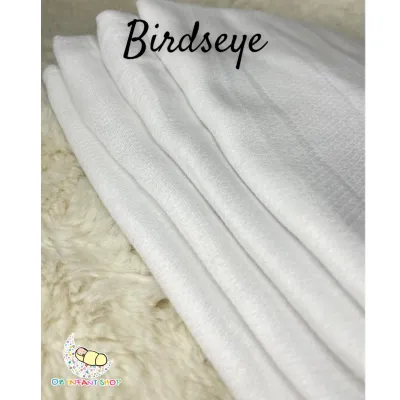
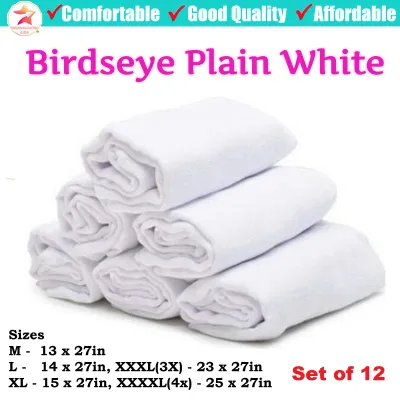
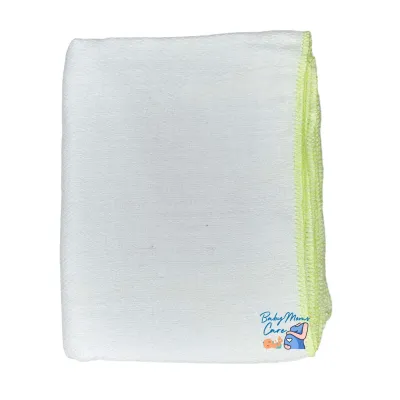
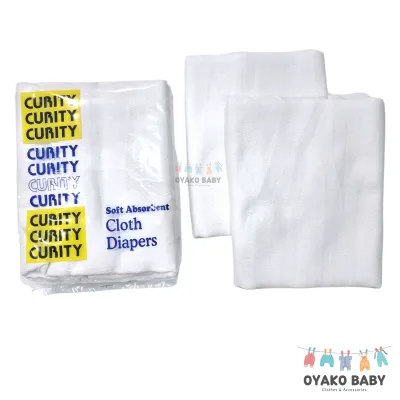
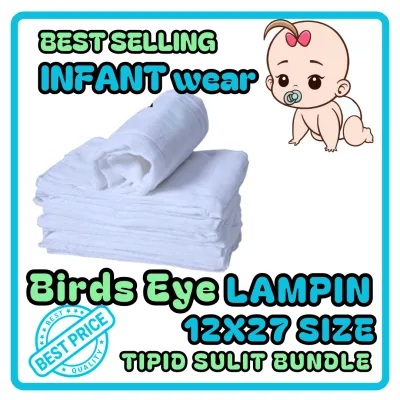
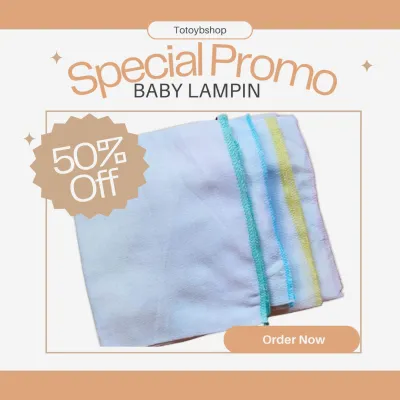
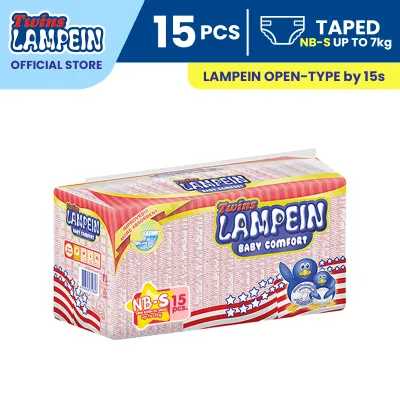
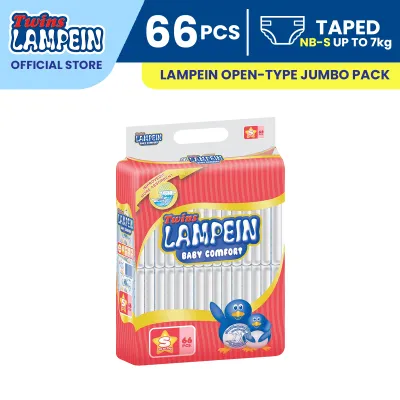
Prices are valid at publication and may change. Please refer to the product page for the latest price.
The core philosophy of eco-conscious parenting centers on mindful consumption and selecting products designed for longevity. When you select a dedicated cloth diapering system for your infant, you are choosing to invest in reusable assets rather than disposable commodities. While specific product availability and styles may evolve over time, understanding the fundamental criteria for selecting high-quality, sustainable materials ensures you can make informed decisions. This guide establishes the exact framework needed to evaluate the current lampien newborn options, helping you build a diapering system that is gentle on your baby and supportive of the planet.
Eco-Friendly Material Standards to Look for in Lampien Newborn Options
When evaluating the lampien newborn diapering line, the material composition of the absorbent inserts is the most critical factor for both environmental impact and performance. Natural, biodegradable fibers are highly preferred over synthetic alternatives. Bamboo, organic cotton, and hemp are the gold standards for eco-friendly inserts. Bamboo fibers are highly renewable, requiring minimal water and no pesticides to grow, and they produce a fabric that is incredibly soft and naturally hypoallergenic. Cotton, particularly when organically grown, offers excellent durability and ease of washing, while hemp provides unmatched absorbency in a very thin profile.

These natural fibers stand in stark contrast to synthetic microfibers, which are made from polyester and other petroleum-based plastics. While synthetic microfibers are inexpensive and absorb liquid quickly, they contribute to microplastic pollution during every wash cycle and do not biodegrade. Furthermore, natural fibers are less prone to holding onto odors over time and are much gentler against a newborn’s sensitive skin. When choosing inserts, look for multi-layer configurations of bamboo or hemp-cotton blends, which offer the ideal balance of rapid absorption and high fluid retention.
The outer shell or cover of the diaper serves as the waterproof barrier, preventing leaks while keeping the baby comfortable. These covers are typically constructed from Polyurethane Laminate (PUL) or Thermoplastic Polyurethane (TPU). TPU is often favored by eco-conscious manufacturers because it utilizes a thermal bonding process to laminate the fabric rather than chemical solvents, making it a cleaner manufacturing option. The durability of these waterproof covers is essential; high-quality TPU can withstand hundreds of wash cycles without delaminating or cracking, ensuring that the diapers remain functional throughout the newborn phase and can even be saved for future siblings, further reducing waste.
To guarantee that the materials used in your diapers are truly safe and sustainably produced, it is vital to verify their environmental and safety credentials. Parents must look for certifications such as Oeko-Tex Standard 100 on product labels or within the official brand descriptions as items to verify before purchase. This independent certification ensures that every component of the textile, from the threads to the snaps and laminates, has been tested for harmful substances and is safe for infant use. Because these certifications are dynamic, you should treat them as key verification items to check on the manufacturer’s official listings before making a purchase.
Balancing environmental ideals with daily performance requires understanding how natural fibers behave. Natural fiber inserts require “prepping”—a process of washing and drying them multiple times before their first use to strip away natural plant oils and open up the fibers for maximum absorbency. While this requires an initial investment of time and water, the long-term benefit is a highly sustainable diaper that holds more liquid, resists compression leaks, and remains free of synthetic chemicals.
Ensuring Newborn Suitability and Skin Safety in Tropical Climates
Newborn infants have extremely delicate, thin skin that is highly susceptible to irritation, friction, and chemical sensitivities. In a tropical climate like the Philippines, where high temperatures and elevated humidity are constant, skin care requires extra vigilance. The warm, moist microclimate inside a diaper can easily lead to diaper rash, yeast infections, and heat rash if the materials are not highly breathable. Ensuring that your diapering system promotes airflow and rapid moisture-wicking is essential for maintaining skin integrity. If skin irritation or persistent rash occurs, stop use immediately and consult a qualified pediatrician.
One of the most critical physical considerations during the first few weeks of a baby’s life is the healing of the umbilical cord stump. To prevent friction, moisture buildup, and potential infection, the diaper must not rub against or cover this sensitive area. When selecting a diaper from the lampien newborn collection, look for design features specifically engineered for this stage, such as a snap-down front rise or a low-cut waist. These features allow the diaper to sit comfortably below the belly button, keeping the umbilical stump dry and exposed to the air to facilitate natural healing.
Breathability is the primary defense against diaper rash in humid environments. Unlike plastic-heavy disposable diapers that trap heat and moisture, high-quality cloth diaper covers made from breathable TPU allow water vapor to escape while keeping liquid contained. Combining these breathable covers with natural fiber inserts ensures that moisture is drawn away from the baby’s skin quickly. Synthetic inserts can trap heat and create a swampy environment, whereas bamboo and cotton allow for better air regulation, keeping the baby’s skin cool and dry even during warm tropical afternoons.
In addition to breathability, the physical texture of the diaper components must be exceptionally soft. Avoid diapers with rough seams, stiff elastics, or bulky synthetic edges that can chafe against the baby’s thighs and waist. Newborns wiggle and stretch, and any friction combined with moisture can quickly break down the skin barrier. Look for soft, rolled elastics or fleece-lined edges that distribute pressure evenly without leaving deep red marks.
Before purchasing, always consult the manufacturer’s official weight ranges and sizing charts rather than relying solely on age labels. Newborns come in all shapes and sizes, and a diaper that is too loose will leak, while one that is too tight will cause discomfort and skin irritation. Verify whether the specific Lampie product is a dedicated newborn size (typically designed for babies weighing 2 to 5 kilograms) or an adjustable one-size diaper with snap settings designed to shrink down. Accurate sizing is the foundation of both leak prevention and skin safety.
How to Build a Practical Lampie Newborn Cloth Diaper Stash
Building a functional cloth diaper stash requires balancing your environmental goals, your daily laundry capacity, and the realities of newborn elimination patterns. Newborn babies have very small bladders and active digestive systems, resulting in frequent elimination. On average, a newborn will require between 8 and 12 diaper changes every 24 hours. To transition fully to cloth diapering without stress, your stash must be large enough to cover these frequent changes while allowing adequate time for washing and drying.
A highly efficient and eco-conscious way to structure your stash is to use a system of reusable covers paired with absorbent inserts. Because the waterproof covers do not always get soiled during a wet diaper change, they can often be wiped clean, allowed to air dry, and reused with a fresh insert. A practical ratio for this system is one cover for every three to four inserts. For a typical two-day wash cycle, a robust newborn stash would consist of approximately 6 to 8 high-quality waterproof covers and 24 to 28 highly absorbent natural fiber inserts. This ratio minimizes the number of plastic-containing covers you need to buy, reducing both cost and environmental impact, while ensuring you never run out of clean absorbent materials.
The local climate plays a major role in determining your laundry schedule and stash size. In the Philippines, the rainy season (habagat) and high humidity can significantly prolong air-drying times. While natural fibers like hemp and bamboo are excellent for absorbency, they naturally take longer to dry than synthetic materials. To prevent mildew and ensure you always have dry diapers on hand without relying heavily on energy-consuming electric dryers, you may need to increase your insert inventory by 20% to 30% during the wet season, or optimize your drying space with high-airflow fans.
For parents looking to maximize the lifecycle and eco-value of their investment, deciding between dedicated newborn diapers and adjustable one-size diapers is a key trade-off. Dedicated newborn diapers are specifically tailored to fit tiny legs and low birth weights, offering an unmatched, leak-free fit during the first few weeks. However, babies quickly outgrow them. Adjustable one-size options feature rows of rise snaps that allow the diaper to grow with your baby from infancy through toddlerhood. While one-size diapers can be bulky on a tiny newborn, pairing them with smaller, specialized newborn inserts can help bridge the gap, allowing you to get the absolute maximum lifespan out of a single set of diapers.
Where to Buy and Verify Authentic Lampie Products
To ensure that you are receiving genuine products made with safe, eco-friendly materials, it is essential to purchase your diapering supplies from verified sources. Counterfeit or unauthorized imitation diapers are common on global online platforms, and these cheap alternatives often use unverified plastics, chemical dyes, and low-quality laminates that can cause severe skin reactions and fail prematurely, ultimately contributing to more waste.
To guarantee authenticity and secure full customer support, always purchase directly through the official Lampie brand website or their verified storefronts on recognized ecommerce platforms. Authorized channels ensure that you are covered by any manufacturer warranties and that the products meet the strict safety standards advertised. Avoid purchasing from unverified third-party resellers who cannot provide proof of sourcing or material safety.
Upon receiving your order, perform a thorough verification check before prepping or washing the diapers. Examine the physical tags to confirm the material composition matches your expectations (such as organic cotton or bamboo percentages). Check the quality of the snaps, the elasticity of the leg casings, and the integrity of the waterproof laminate. Authentic products will feature clean, robust stitching and secure snaps that do not easily pull apart. Additionally, observe the packaging; sustainable brands often prioritize minimal, recyclable, or plastic-free packaging, which aligns with their eco-friendly mission. If you notice any discrepancies, unbranded packaging, or chemical odors, contact the brand’s customer support directly to verify the product’s authenticity before placing it on your baby.
Frequently Asked Questions (FAQ)
How do I wash and dry cloth diapers in a humid climate?
To maintain cloth diapers in the Philippines’ humid climate, establish an eco-friendly washing routine consisting of a cold pre-rinse to remove waste, followed by a warm main wash using a cloth-safe, residue-free detergent. Avoid fabric softeners and optical brighteners, which can coat fibers and reduce absorbency. To dry them thoroughly and prevent mildew in high humidity, hang them in a well-ventilated area with maximum airflow. Hanging inserts in direct sunlight utilizes natural UV rays to sanitize and bleach out stains, while covers should be dried in the shade to protect the waterproof laminate from heat damage.
Can I use adjustable one-size cloth diapers from birth?
While many adjustable one-size cloth diapers are marketed to fit from birth, they can be excessively bulky on newborns weighing under 3.5 kilograms. This bulkiness can create gaps around the skinny legs of a newborn, leading to frequent leaks. To ensure a proper fit and prevent leaks during the initial weeks, check the manufacturer’s minimum weight guidelines. If you choose to use one-size diapers from birth, consider pairing them with smaller, highly absorbent newborn-specific inserts to minimize bulk while maintaining a snug, secure fit around the legs and waist.
Are cloth diapers actually better for the environment than disposables?
Yes, cloth diapers significantly reduce landfill waste, preventing thousands of non-biodegradable single-use diapers from entering the waste stream. However, their ultimate environmental benefit depends heavily on how they are washed and maintained. To maximize their ecological advantages, wash full loads in energy-efficient machines, use biodegradable, plant-based detergents, and line-dry your diapers whenever weather permits. Reusing the diapers for multiple children or passing them on to other families further amortizes their manufacturing footprint, solidifying their status as a highly sustainable choice.
Community discussion
Share your experience or ask a question. Comments are reviewed before publication.