
When setting up a nursery, finding the right kids toy organizer is a balancing act between keeping the space tidy and ensuring your little one remains safe. The ideal storage solution must adapt to your child’s rapid developmental milestones, transitioning smoothly from the infant stage to active toddlerhood. For most nurseries, a low-profile cubby shelf system paired with lightweight, removable fabric bins offers the best combination of safety, accessibility, and versatility. Unlike heavy wooden chests with dangerous lids or tall bookshelves that pose severe tipping risks, modular cubbies allow infants to view toys at eye level while giving toddlers the independence to pull out soft bins safely.
How to Choose a Safe and Accessible Toy Organizer for Babies
Safety First When evaluating any kids toy organizer, safety is the absolute priority. Look for units that feature rounded corners and smooth edges to minimize the risk of bumps and bruises as your baby learns to stand and walk. Ensure the manufacturer specifies that all paints, varnishes, and finishes are non-toxic, lead-free, and baby-safe. Crucially, verify that the organizer is designed with pre-drilled holes or includes dedicated wall-anchoring hardware, allowing you to secure it firmly to prevent accidental tip-overs. Always cross-reference the product documentation to verify the recommended age range, weight limits, and specific manufacturer warnings before assembling.
Accessibility and Independence A well-designed nursery encourages independent exploration. To foster this, active play storage should be kept at or below your child’s chest level. For toddlers, this generally means keeping accessible shelves and bins under 30 inches (approximately 76 cm) in height. When toys are kept within easy reach, children can select and return items on their own, building confidence and fine motor skills while eliminating the temptation to climb up shelves to reach a coveted toy.
Products mentioned in this guide
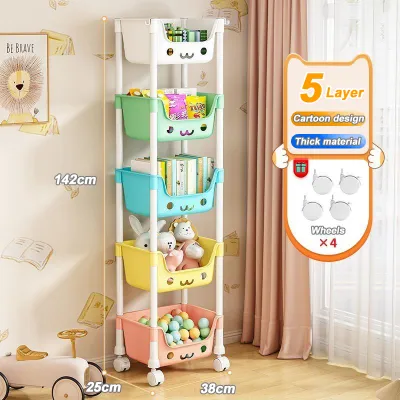
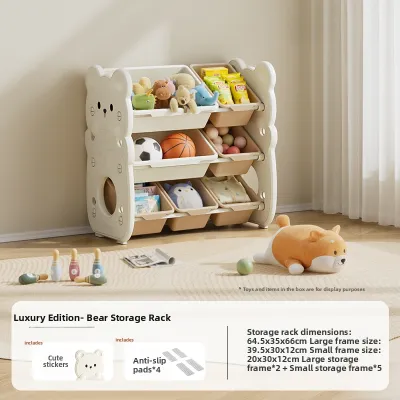
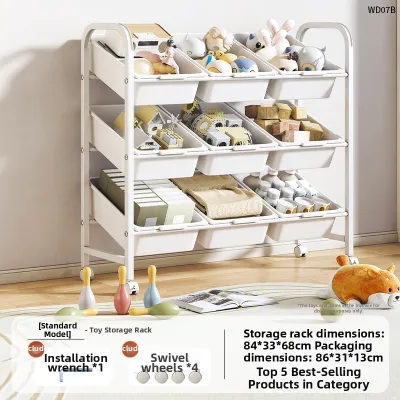
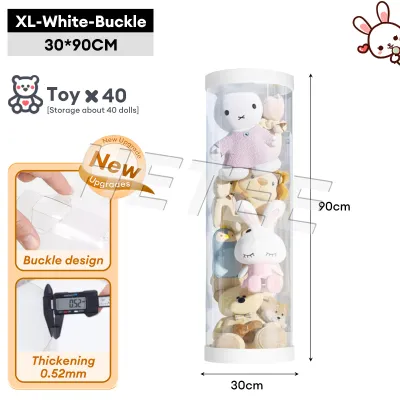
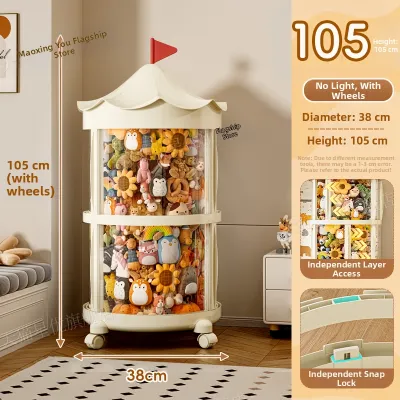
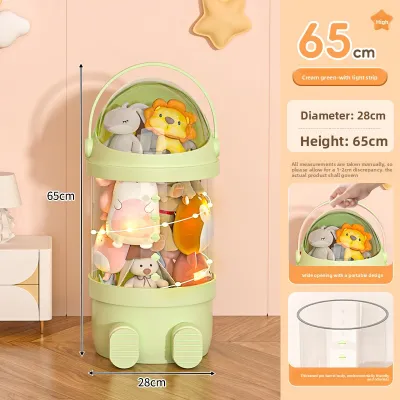
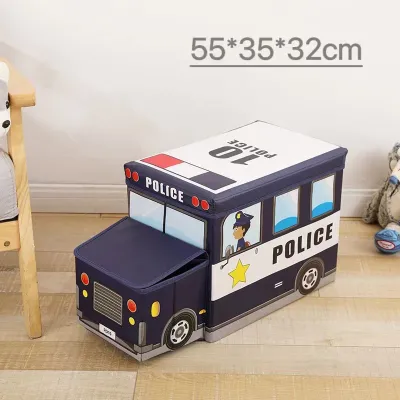
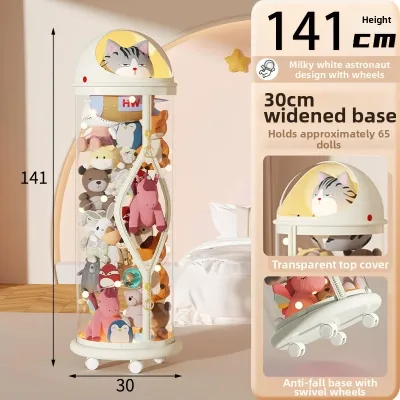
Prices are valid at publication and may change. Please refer to the product page for the latest price.
Durability and Climate Maintenance Nursery furniture must endure heavy daily use, including teething babies chewing on edges, toddlers throwing toys, and frequent spills. In the tropical and humid climate of the Philippines, material selection requires extra care. High-density fiberboard (MDF) and untreated natural wood can absorb airborne moisture, leading to warping, structural weakness, and mold growth. Opt for water-resistant finishes, high-quality solid wood, or durable, easy-to-wipe materials that can withstand regular sanitizing without degrading.
Open Bins, Cubby Shelves, and Drawer Units: Which Style Works Best?
Comparing these three popular styles reveals distinct trade-offs in visibility, ease of cleanup, space efficiency, and safety. Open bins offer unmatched speed when putting toys away, but they can quickly become a disorganized mess where small parts are lost at the bottom. Cubby shelves provide clean visual structure and make toy rotation simple, but they require strict wall anchoring and a larger floor footprint. Drawer units hide clutter completely, yet they present finger-pinch risks and a shifting center of gravity that increases tipping hazards.

| Storage Style | Pros | Cons | Ideal Age Range | Best Use Cases |
|---|---|---|---|---|
| Open Bins / Soft Baskets | Quick cleanup, lightweight, zero pinching hazards | Hard to categorize, can tip over, collects dust | 0 to 2 years | Plush toys, soft blocks, lightweight balls |
| Cubby Shelves with Bins | Highly modular, excellent visibility, grows with child | Requires strict wall anchoring, higher cost | 1 to 5+ years | Board books, wooden puzzles, sorted blocks |
| Drawer Units / Toy Boxes | Conceals clutter, stores heavy items, keeps dust away | Finger-pinch risks, heavy lids, high tipping hazard | 3+ years (with supervision) | Heavy train sets, bulk craft supplies, backup stock |
Open Bins and Soft Baskets
Standalone open bins and soft woven baskets are incredibly popular for good reason. They are lightweight, highly portable, and make the evening cleanup routine incredibly fast. They are particularly well-suited for storing soft plush toys, lightweight balls, and fabric blocks that babies love to scatter.
However, deep or unstructured bins present hidden risks. Toddlers often struggle to find specific toys at the bottom of a deep basket, leading them to dump the entire contents onto the floor or attempt to climb inside, which can cause the basket to tip over. To prevent this, choose wide, low-profile baskets made of soft cotton rope or felt rather than tall, narrow structures.
Cubby Shelves with Removable Bins
Modular cubby shelves represent the gold standard for nursery organization. These systems allow you to mix and match open display shelves with removable fabric bins, giving you the flexibility to adapt the storage as your child’s toy collection grows. They are perfect for categorizing toys, helping toddlers learn where specific items belong.
Because cubbies encourage children to pull bins completely out, they naturally alter the unit’s center of gravity. If a toddler decides to use the empty lower shelves as steps to reach something on top, the unit can easily tip. Therefore, choosing a cubby system with built-in wall-anchoring capabilities is a non-negotiable safety requirement.
Drawer Units and Toy Boxes
Enclosed storage options, such as drawer units and traditional toy boxes, are highly effective at reducing visual overstimulation in the nursery. Keeping toys tucked away out of sight helps create a calmer sleeping environment for babies. These units are also excellent for storing bulky, heavy wooden toys that do not fit well on open shelves.
Despite these benefits, enclosed storage carries the highest risk of physical injury. Heavy wooden lids on traditional toy boxes can slam down on tiny hands, fingers, or necks, while deep drawers can pinch fingers during closure or cause the entire dresser to tip if multiple drawers are pulled open simultaneously. If you choose this style, look for units with soft-close drawer glides, built-in drawer stops, or lidless pull-out bins.
Top Kids Toy Organizer Configurations for Different Nursery Needs
Finding the perfect configuration requires evaluating your child’s age, the types of toys they play with, and the layout of your nursery. By focusing on specific materials and safety features, you can select a setup that maximizes utility while keeping your child safe.
Best Open Bin Setup for Quick Toddler Cleanup
For an active toddler’s daily play area, look for a low-profile rack featuring tilted, removable bins. This setup allows toddlers to see all their options at a glance and easily return toys when playtime is over.
When selecting bins, prioritize lightweight, breathable fabric or flexible, BPA-free silicone options with reinforced, easy-grip handles. Avoid rigid, cheap plastic bins with sharp, unfinished rims that can scratch delicate skin, as well as flimsy wire frames that can bend and expose sharp metal points. Use this open configuration primarily for lightweight daily rotation toys, soft blocks, and plushies, keeping the heaviest items in the lowest bins to maintain stability.
Best Cubby Shelf System for Sorting and Display
If you want to encourage sorting, categorization, and book reading, a low, wide cubby shelf system is the ideal choice. Look for a unit constructed from solid wood or high-density, water-resistant MDF with a wide, weighted base that naturally lowers the center of gravity.
The unit must include pre-drilled holes specifically designed for wall-anchoring hardware, and its overall height should not exceed two to three tiers (under 30 inches) to keep everything within a toddler’s safe reach. Pair this shelf with lightweight, machine-washable canvas or felt bins. This setup allows you to display books and wooden puzzles on the open upper shelves while tucking smaller, loose toys safely away in the fabric bins below.
Best Drawer Unit for Concealed Storage and Heavy Toys
For storing heavy wooden train sets, bulk building blocks, or backup toy inventory, a wide, low drawer unit is highly effective. Because these items can be dangerous if dropped on little feet, this configuration is best used for parent-managed storage.
Ensure the drawer unit features built-in drawer stops that prevent the drawers from being pulled completely out of the frame. Additionally, require soft-close glides to eliminate the risk of pinched fingers and ensure smooth, controlled operation. Keep this unit securely anchored to the wall, and place it in a section of the nursery where your child is always supervised.
Essential Safety and Maintenance Rules for Nursery Storage
Anchoring Protocols No matter how sturdy or low-profile your kids toy organizer appears, anchoring it to the wall is an essential safety step. In many homes in the Philippines, walls are constructed from concrete or hollow blocks rather than drywall with wooden studs. For concrete walls, use a hammer drill to insert high-quality masonry wall plugs, then secure the anti-tip safety straps or brackets with heavy-duty screws. If you are mounting to drywall, always locate the wooden studs using a stud finder and screw the anchoring bracket directly into the stud; never rely on plastic drywall anchors alone, as they can easily pull out under the weight of a climbing child. If you are unsure of your wall type or lack the proper tools, consult a qualified professional to ensure a secure installation.
Toy Rotation Strategy To prevent your nursery from becoming overwhelmed by clutter, implement a simple toy rotation strategy. Instead of keeping every toy accessible, display only 8 to 12 curated items on the open shelves and in the lower bins. Store the remaining toy inventory in closed drawers, a closet, or high shelves out of reach. Every week or two, swap out the toys that have lost your child’s interest with “new” ones from the storage. This practice reduces visual overstimulation, prevents toddlers from dumping entire bins out of boredom, and keeps their play experience fresh and engaging.
Routine Inspections and Cleaning Regular maintenance is vital to ensure your nursery storage remains safe and hygienic over time. Establish a monthly routine to inspect all wooden joints for splinters or cracks, tighten loose screws, and check that the wall anchors remain firmly secured. In warm, humid environments, inspect the backs of wooden units and the bottoms of fabric bins for any signs of mildew or mold. Wipe down hard surfaces with a damp cloth and mild, baby-safe soap, ensuring they dry completely, and wash fabric bins according to the manufacturer’s care instructions to keep them fresh and dust-free. If you ever notice structural damage, loose joints, or persistent mold that cannot be thoroughly cleaned, stop using the organizer immediately and replace the affected parts.
Frequently Asked Questions (FAQ)
At what height should a toddler's toy organizer be placed?
For active, independent play, keep the top of the organizer below the toddler’s chest height—typically under 30 inches (76 cm) for children under three years old. This ensures they can easily see, reach, and return toys without needing to stretch, climb, or pull on the unit, which significantly reduces the risk of accidental tip-overs.
Are fabric bins safer than plastic bins for babies?
Yes, fabric bins made of cotton rope, canvas, or felt are generally much safer for babies and young toddlers than plastic bins. Fabric is soft, lightweight, and has no sharp corners or edges, eliminating the risk of injury if a child bumps into it or pulls it down on themselves. Additionally, cheap or low-quality plastic bins can crack or shatter when dropped or stepped on, creating sharp, hazardous shards and small choking risks that can endanger a curious baby.
Community discussion
Share your experience or ask a question. Comments are reviewed before publication.