
Managing a child’s hair can be a rewarding yet challenging task, especially when dealing with specific concerns like dryness, stubborn tangles, or a sensitive scalp. When searching for the right oil for hair kids can safely use, the primary goal is to find gentle, nourishing formulations that support hair health without causing irritation. Unlike adult hair care products, which are often loaded with heavy silicones and synthetic fragrances, children require lightweight, pure, and hypoallergenic alternatives. By matching the correct natural oil to your child’s unique hair texture and scalp condition, you can easily maintain soft, healthy locks while keeping their delicate skin completely safe.
Quick Guide: Core Principles for Kids' Hair Oils
Children’s scalps are significantly more delicate than those of adults. The skin barrier on a child’s head is thinner and more sensitive, making it highly susceptible to absorbing harsh chemicals and experiencing contact dermatitis. Because their hair follicles are still developing, children’s hair strands are also much finer and more prone to physical damage. Using heavy, synthetic adult products can quickly overwhelm their scalp, strip away natural moisture, and weigh down fine hair.
To protect this sensitive environment, parents should prioritize pure, single-ingredient carrier oils or pediatrician-tested, hypoallergenic blends. These natural oils deliver essential fatty acids, vitamins, and antioxidants directly to the hair shaft without introducing unnecessary synthetic additives or preservatives. Choosing products with minimal, clean ingredient lists is the easiest way to minimize the risk of allergic reactions and skin irritation.
Products mentioned in this guide
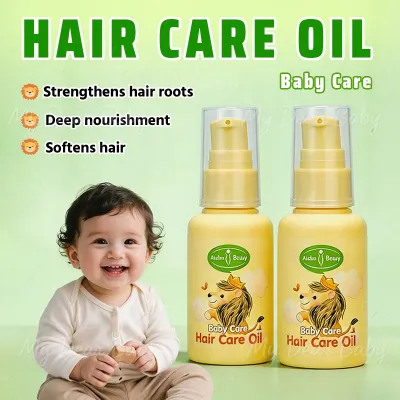
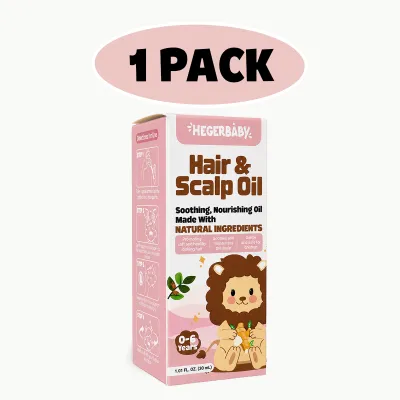
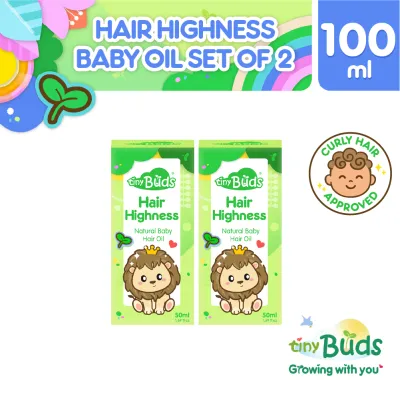

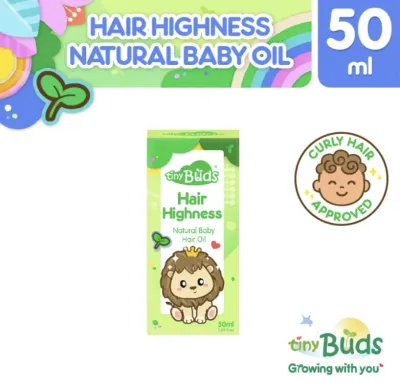
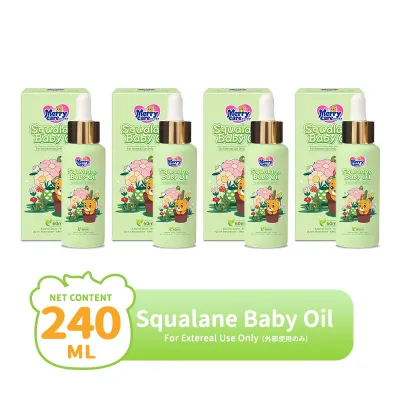
Prices are valid at publication and may change. Please refer to the product page for the latest price.
The ideal choice of oil depends entirely on your child’s specific hair texture and scalp condition. A heavy oil that works wonders for sealing moisture into thick, coarse curls will likely leave fine, straight hair looking greasy and flat. By identifying whether your child’s hair needs moisture retention, frizz control, or gentle scalp soothing, you can select an oil that delivers targeted benefits without causing buildup.
Safety First: Ingredients to Avoid and Patch Testing
Before purchasing any hair oil, parents must carefully scrutinize the ingredient label to rule out potential irritants. Many commercial products marketed for children still contain fillers that can compromise scalp health. Mineral oil, a common byproduct of petroleum refining, is highly occlusive; while it creates a shiny barrier, it can easily clog pores, trap sweat, and lead to folliculitis if not washed out completely. Synthetic fragrances, often listed simply as “parfum,” are among the leading causes of allergic contact dermatitis in children. Parabens used as chemical preservatives and potent essential oils—such as undiluted tea tree, peppermint, or eucalyptus—should also be avoided, as they can cause severe burning, redness, and irritation on young, sensitive skin.

Instead, search for labels that specify cold-pressed, unrefined, and organic carrier oils. Cold-pressing is a mechanical extraction method that does not use chemical solvents or high heat, preserving the oil’s natural vitamins, antioxidants, and fatty acids. Organic certifications help ensure the raw plants were grown without harmful pesticides, reducing the risk of chemical residue coming into contact with your child’s scalp. In the Philippines, high-quality, pure carrier oils are widely available in local pharmacies and specialized baby stores, with prices typically ranging from ₱150 to ₱800 depending on the volume and organic certification.
Even when using a completely natural, organic oil, a patch test is an indispensable safety measure to rule out individual allergies. To perform a patch test, apply a single drop of the oil to a small, clean area of your child’s skin, such as the inner arm or the spot just behind the ear. Leave the oil on the skin for 24 hours without washing the area. Throughout this period, monitor the spot closely for any signs of reaction.
If you observe any redness, swelling, itching, tiny bumps, or flaking, discontinue use immediately. Wash the area gently with mild soap and cool water to remove any remaining oil. If the reaction persists or causes your child discomfort, consult a pediatrician or a pediatric dermatologist for guidance.
Matching the Best Oil for Hair Kids Need to Specific Textures
For Dry, Coarse, or Thick Hair
Children with thick, coarse, or highly porous hair require oils that can deeply penetrate the hair shaft to lock in moisture. For these hair types, pure coconut oil and extra virgin olive oil are excellent natural options. Coconut oil is unique because its chemical structure allows it to bind to hair proteins, penetrating deep into the cortex to reduce protein loss and strengthen the hair from within. Olive oil, rich in squalene and oleic acid, acts as a powerful emollient, coating the outer cuticle to seal in moisture and prevent environmental dryness.
Because coconut and olive oils are naturally heavy, they require careful handling to avoid buildup. If these oils are left on the hair for too long, they can attract dirt and block the scalp’s natural breathing process. To prevent this, always follow up with a thorough double wash using a gentle, sulfate-free child’s shampoo. This ensures that the hair strands receive the moisturizing benefits while the scalp remains clean and free of heavy residue.
In tropical climates like the Philippines, where high humidity and warm temperatures are constant, heavy oils must be used with extreme moderation. Applying thick layers of coconut or olive oil before outdoor play can make the hair look greasy and cause dust, sand, and sweat to cling to the scalp. Limit these treatments to a light pre-wash application or use just a tiny fraction of a drop on the very tips of the hair to protect them from drying out in the sun.
For Frizzy, Tangled, or Curly Hair
Curly and wavy hair types are naturally prone to dryness and tangling because the scalp’s natural sebum struggles to travel down the twists and turns of the hair shaft. To manage frizz and ease the detangling process without weighing down delicate curls, lightweight oils are the ideal choice. Argan oil, often referred to as “liquid gold,” and sweet almond oil are outstanding options. Both are exceptionally light, absorb quickly, and are packed with vitamin E and essential fatty acids that smooth the hair cuticle and restore natural shine.
Applying a few drops of these lightweight oils to damp, clean hair can transform your child’s grooming routine. The oil acts as a natural lubricant, smoothing down the raised cuticles that cause friction and tangles. This makes combing through curls with a wide-tooth brush significantly easier and painless, reducing hair breakage and tears during morning prep. In areas with high humidity, a light coating of argan oil also acts as a barrier against excess atmospheric moisture, preventing the hair from swelling and turning frizzy.
When applying these oils for styling or detangling, focus exclusively on the mid-lengths and ends of the hair. Avoid applying the oil directly to the scalp or the roots, as this can flatten the hair and diminish its natural volume. Rubbing two to three drops of oil between your palms and gently scrunching it into the ends of the curls is usually more than enough to achieve a soft, defined, and frizz-free finish.
For Sensitive Scalps and Cradle Cap
When dealing with scalp sensitivity or cradle cap (seborrheic dermatitis), the choice of oil must focus on soothing irritation and balancing the scalp’s natural environment. Jojoba oil is highly recommended for this purpose because its molecular structure is nearly identical to sebum, the natural oil produced by human skin. This compatibility allows jojoba oil to moisturize the scalp without clogging pores or triggering allergic reactions. Sunflower seed oil is another excellent, gentle alternative that is rich in linoleic acid, which helps maintain and repair the skin’s natural moisture barrier.
To address cradle cap or dry, flaky patches, apply a small amount of jojoba or sunflower seed oil directly to the affected areas of the scalp. Gently massage the oil using your fingertips in soft, circular motions. Let the oil sit for 15 to 20 minutes to soften the crusty scales. Afterward, use a soft-bristled baby brush or a fine-toothed comb to gently loosen and sweep away the softened flakes. Never scrape or pull at dry scales that do not come off easily, as this can cause skin tears and introduce infections.
Caregivers must exercise extreme caution when massaging a young child’s head. Avoid applying any direct pressure to the fontanelles, which are the soft spots on an infant’s skull that have not yet fully closed. Additionally, always wash the oil out thoroughly with a mild, tear-free baby shampoo immediately after the treatment. Leaving oil on a sensitive scalp for extended periods can trap yeast and bacteria, worsening conditions like cradle cap instead of resolving them.
Application Tips and Safe Washing Routines
Application Techniques The way you apply hair oil determines how effective and safe the treatment will be. For scalp-focused concerns like dryness or flaking, target the oil directly onto the skin using your fingertips, avoiding the hair lengths entirely. For styling, detangling, or frizz control, keep the oil focused on the mid-shaft down to the tips. Regardless of the technique, the golden rule of children’s hair care is that less is always more. For infants and toddlers, one to two drops of oil are generally sufficient. Older children with longer or thicker hair may require three to four drops, but you should always start with a minimal amount and add more only if absolutely necessary.
Washing It Out Removing the oil completely is just as important as the application itself. Always use a mild, tear-free baby shampoo formulated specifically for sensitive skin. If you have applied a heavier oil like coconut or olive oil, you may need to lather and rinse twice to ensure no greasy film remains. Leftover oil on a child’s scalp can quickly become a magnet for environmental pollutants, dust, and sweat. Over time, this trapped buildup can clog hair follicles, cause intense itching, and emit an unpleasant, sour odor, particularly during warm, active days.
Frequency Guidelines There is no universal schedule for oiling a child’s hair, and parents should avoid a rigid daily routine. Instead, base the frequency on your child’s daily activities, sweat production, and the local climate. In hot, humid conditions, scalp sweat is highly common, meaning frequent oiling can easily lead to irritation. For dry hair or scalp maintenance, a weekly or bi-weekly treatment is usually sufficient. If you are using a lightweight oil for detangling curly hair, you can apply a tiny drop to the ends every few days, adjusting the frequency based on how dry or frizzy the hair feels.
Frequently Asked Questions (FAQ)
At what age is it safe to start using hair oil on a baby?
While gentle, natural oils like jojoba or sunflower seed oil can be used to treat cradle cap in infants as young as a few weeks old, it is highly recommended to consult a pediatrician before applying any new topical products to a newborn. An infant’s skin barrier is exceptionally thin and still developing during the first few months of life. If your pediatrician approves the use of oil, always avoid the delicate fontanelle areas and ensure the oil is kept far away from the baby’s eyes, nose, and mouth to prevent accidental inhalation or irritation.
Can hair oil cause hair loss in children?
Pure, natural hair oils do not directly cause hair loss in children. However, improper application and washing routines can lead to conditions that trigger hair shedding. If heavy oils are applied excessively and not thoroughly washed out, they can accumulate on the scalp, clogging the hair follicles and trapping natural oils, sweat, and yeast. This can lead to scalp infections, folliculitis, or seborrheic dermatitis, which can weaken the hair roots and cause temporary shedding or breakage. Keeping the scalp clean and balanced is key to preventing these issues.
Is it okay to leave hair oil in a child's hair overnight?
Leaving hair oil in a child’s hair overnight is generally not recommended. During sleep, children move frequently, which can cause the oil to transfer onto their pillowcases and bedding. This oil residue can then rub onto their face, potentially clogging facial pores and causing breakouts or skin irritation. Furthermore, overnight contact increases the risk of oil migrating into the child’s eyes, leading to painful irritation and redness. A safer and highly effective alternative is to perform a short pre-wash treatment, leaving the oil on the hair for 15 to 30 minutes before bath time.
Community discussion
Share your experience or ask a question. Comments are reviewed before publication.