
Finding the right oil for hair kids involves matching the botanical properties of the oil to the specific structural needs of your child’s hair. While adults often use heavy styling oils to achieve a sleek finish, children require a much gentler approach that respects their delicate scalp barrier and fine hair strands. Using the wrong product can quickly lead to heavy buildup, scalp irritation, or weighed-down hair that looks greasy and lifeless.
By focusing on pure, cold-pressed botanical oils, you can easily address common issues like dryness, frizz, and stubborn tangles. This guide will help you understand the unique needs of your child’s hair and choose the safest, most effective oil for their daily routine.
Why Hair Type and Scalp Sensitivity Matter for Kids
Children’s hair and scalps are structurally distinct from those of adults. A child’s hair strands are generally much finer and have a thinner cuticle layer, making them highly vulnerable to mechanical damage from brushing, styling, and environmental exposure. Because their hair is so delicate, heavy adult formulations can easily overwhelm the strands, stripping away natural bounce and leaving a greasy residue.
Products mentioned in this guide
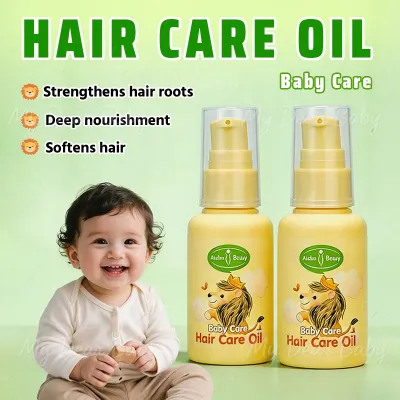
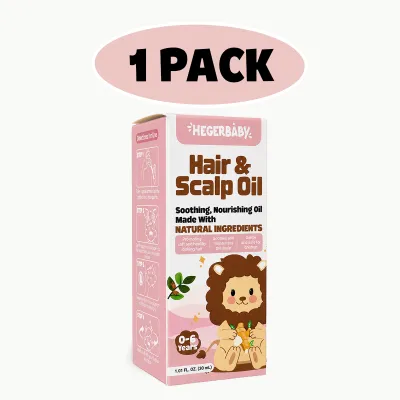
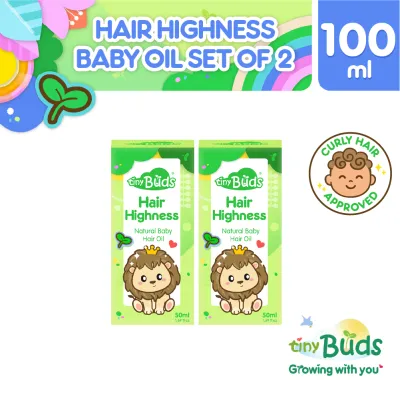

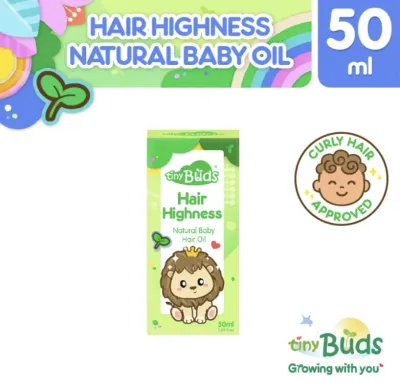
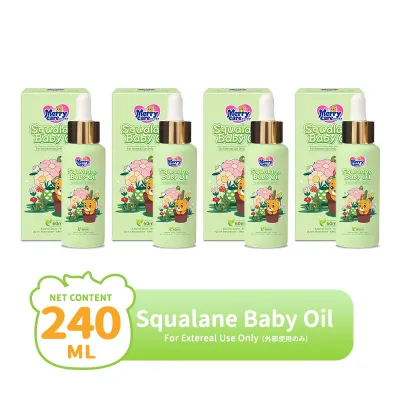
Prices are valid at publication and may change. Please refer to the product page for the latest price.
The scalp of a child is also significantly more permeable and sensitive than adult skin. The skin barrier is still actively developing throughout childhood, meaning topical applications are absorbed more readily and can trigger irritation or allergic contact dermatitis much faster. Adult hair products often contain complex chemical blends, strong synthetic fragrances, and heavy silicones that are simply too aggressive for a child’s delicate system.
Using heavy adult formulations on young hair often leads to significant buildup. These products frequently contain heavy silicones, synthetic polymers, or intense fragrances that can clog hair follicles, weigh down fine strands, and trigger contact dermatitis. Over time, this buildup can block the hair follicles, leading to scalp irritation and disrupting healthy hair growth.
Identifying your child’s specific hair texture—whether it is straight, wavy, curly, or coily—is the first step toward a successful hair care routine. Each texture interacts differently with moisture and oils. For instance, curly and coily hair types are naturally drier and require richer, more substantive oils to seal in moisture, while straight and fine hair types need exceptionally lightweight options to avoid looking limp.
Similarly, you must pinpoint the primary concern you want to address. Is the hair naturally dry, prone to stubborn tangles, or is the scalp itself highly sensitive and prone to mild flaking? By identifying these specific needs, you can select an oil that targets the problem directly without causing secondary issues like clogged pores or weighted-down strands.
It is crucial to remember that cosmetic hair oil is a supportive maintenance tool. It is designed to soften strands, reduce friction during combing, and seal in moisture, not to serve as a medical treatment for underlying dermatological conditions. If your child exhibits persistent scalp redness, intense itching, scaling, or hair loss, these are signs of an underlying issue that requires professional medical evaluation.
Best Natural Oil for Hair Kids Based on Hair Type and Needs
When choosing an oil for hair kids, simplicity is your greatest asset. Pure, cold-pressed, single-ingredient oils or highly transparent, minimal-ingredient blends are vastly superior to complex commercial options. These natural options minimize the risk of exposing your child’s sensitive scalp to unnecessary chemical additives, synthetic preservatives, and artificial colors.

By understanding the weight, absorption rate, and fatty acid profile of different botanical oils, you can easily find the perfect match for your child’s unique hair profile. Whether your child has thick, thirsty curls or fine, easily weighed-down strands, there is a specific natural oil that can help maintain their hair’s health and natural beauty.
For Dry, Coarse, or Curly Hair
Curly, coily, and coarse hair types have a unique structural shape that makes it difficult for natural scalp sebum to travel down the hair shaft. This structural characteristic leaves the mid-lengths and ends highly susceptible to moisture loss, protein depletion, and breakage. Without adequate moisture retention, curly hair can quickly become dry, brittle, and lose its natural definition.
Highly emollient plant oils, such as pure virgin coconut oil or shea butter-based blends, are exceptional choices for these textures. Virgin coconut oil is one of the few natural oils scientifically shown to penetrate the hair shaft deeply, reducing protein loss in both damaged and undamaged hair. Its high concentration of lauric acid allows it to bind to hair proteins, reinforcing the strand from within and preventing moisture from escaping.
These rich oils act as powerful sealants, locking in hydration and smoothing down the raised cuticles of coarse or curly hair. By forming a protective barrier, they help maintain the natural shape and elasticity of curls, making them look defined, soft, and bouncy. When used consistently, they can significantly reduce the brittleness that leads to split ends and breakage.
To apply these heavier oils safely, focus almost entirely on the mid-lengths and ends of the hair. Avoid applying them directly to the scalp, as dense oils can easily block pores, trap sweat, and disrupt the scalp’s natural microbial balance. A tiny, pea-sized amount warmed between your palms is usually more than enough to coat the ends of thick or curly hair.
Keep in mind that heavy oils are highly substantive and can easily overwhelm fine or straight hair. If applied to finer hair textures, they will leave the hair looking limp, greasy, and flat. Removing these heavy oils from fine hair often requires multiple harsh washes with clarifying shampoos, which ultimately defeats the purpose by stripping the hair of its natural moisture.
For Frizzy and Tangle-Prone Hair in Humid Weather
Managing children’s hair in the tropical climate of the Philippines presents a unique set of challenges. High environmental humidity causes the hair shaft to absorb excess moisture from the air, making the outer cuticle swell and resulting in persistent frizz and stubborn tangles. This is especially true for children who spend a lot of time playing outdoors in warm, humid weather.
Lightweight botanical oils, such as pure argan oil or cold-pressed sweet almond oil, offer an elegant solution. These oils coat the hair shaft in a microscopic, breathable layer that smooths down the cuticle and significantly reduces friction between individual strands during brushing. Because they are much lighter than coconut oil, they provide excellent smoothing benefits without leaving a heavy, greasy film on the hair.
By establishing this delicate barrier, light oils prevent environmental humidity from penetrating the hair shaft, keeping frizz under control even on the muggiest days. This makes daily detangling much easier and less painful for your child. The oil acts as a natural lubricant, allowing knots to slip apart gently under a comb rather than snapping the hair.
For the best results, apply only a few drops of the chosen oil to damp, freshly washed hair before attempting to detangle. Work the oil through with your fingers or a wide-tooth comb, starting from the ends and moving upward to minimize mechanical breakage. This technique ensures even distribution and helps lock in the moisture from the wash.
When purchasing these products, always verify that you are buying 100% pure versions. Many commercial “argan oil” or “almond oil” blends are heavily diluted with cheap silicones, which can create a temporary shine but eventually lead to stubborn buildup that is difficult to wash out without harsh sulfates. Check the ingredient list to ensure the pure oil is the primary or sole ingredient.
For Sensitive Scalps and Fine Hair
Fine hair and sensitive scalps require an incredibly delicate touch. Heavy, rich oils will quickly flatten fine hair, leaving it looking stringy and lifeless, while highly active botanical blends can easily trigger scalp redness, itching, and irritation. For children with this hair profile, the goal is to provide light protection and scalp nourishment without any heavy residue.
Jojoba oil and sunflower seed oil are outstanding options for this specific profile. Jojoba oil is technically a liquid wax ester whose molecular structure closely mimics human sebum, allowing it to be absorbed effortlessly without clogging pores or feeling excessively greasy. It helps balance the scalp’s natural oil production while providing a lightweight barrier of protection for fine strands.
Sunflower seed oil is similarly lightweight, rich in vitamin E, and highly soothing to delicate skin. These oils are perfect for a very light, comforting scalp massage or as a subtle leave-in treatment to protect fine hair without weighing it down. They absorb quickly, leaving a soft, natural sheen rather than a heavy, oily coating.
Before introducing any new oil to your child’s hair routine, you must perform a strict safety check. Always conduct a patch test by applying a single drop of the oil to a small patch of skin on the child’s inner arm or behind the ear, waiting a full 24 hours to monitor for any reaction. This simple step is vital to prevent widespread scalp irritation or allergic reactions.
If you observe any signs of redness, itching, swelling, or flaking during or after the patch test, immediately stop using the product. Wash the area gently with water and consult a pediatrician or pediatric dermatologist for professional guidance. Never ignore a localized skin reaction, as repeated exposure can worsen the sensitivity.
Ingredients to Check and Avoid in Commercial Kids' Hair Oils
Navigating the ingredient lists of commercial children’s hair products can be overwhelming for parents. To make an informed and safe choice, it is helpful to establish a strict set of criteria for reading product labels. Before applying any product, always check the specific product label and follow the manufacturer’s instructions to ensure safe usage.
What to look for in a quality kids’ hair oil:
- Short, transparent ingredient lists: The fewer ingredients listed on the back of the bottle, the lower the risk of an adverse reaction. Ideally, the product should contain only one or two pure, recognizable botanical oils.
- Cold-pressed or unrefined labels: These extraction methods do not use high heat or chemical solvents, ensuring the oil retains its natural vitamins, antioxidants, and beneficial fatty acids.
- Clear allergen warnings: If your child has a known nut allergy, you must carefully avoid oils derived from tree nuts, such as sweet almond, macadamia, or argan oil, and opt for seed-based alternatives like sunflower or jojoba oil instead.
What to avoid or strictly limit:
- Synthetic fragrances and artificial dyes: These additives serve no therapeutic purpose for the hair and are among the most common triggers for contact dermatitis and scalp irritation in young children. Look for products labeled "fragrance-free" rather than just "unscented."
- High concentrations of essential oils: While ingredients like tea tree, peppermint, lavender, or rosemary oil are popular in adult products, they can be highly sensitizing, irritating, or even toxic to young children if not properly diluted and specifically formulated by experts for pediatric use.
- Heavy mineral oils and petroleum derivatives: While highly refined mineral oil is safe and occlusive, heavy applications can form an impermeable layer over the hair and scalp, trapping dirt, sweat, and bacteria, which requires aggressive stripping shampoos to remove.
It is vital to recognize that marketing buzzwords like “natural,” “organic,” or “hypoallergenic” are not standardized and do not guarantee a product is completely safe or allergen-free for your specific child. Always read the actual ingredient list rather than relying on front-label claims. If instructions conflict, the item is unidentified, or the use is not covered, stop and consult the manufacturer or a qualified professional.
How to Safely Apply and Wash Out Hair Oil for Children
Applying hair oil to a child’s hair requires a gentle, systematic approach to maximize the benefits while completely avoiding scalp irritation or hair damage. Establishing a safe routine ensures that hair oiling remains a pleasant, soothing experience for both you and your child.
Preparation and Patch Testing As a non-negotiable safety rule, always perform a 24-hour patch test on a small, hidden area of skin before applying any new oil to your child’s head. Once the oil is cleared for use, ensure the child’s hair is clean and slightly damp. Damp hair is far more receptive to absorbing and retaining moisture, as the water slightly opens the hair cuticle, allowing the oil to seal in the hydration more effectively.
Application Technique To use oil for detangling, rub a few drops between your palms to warm it up, then gently work it through the hair, starting at the very ends where knots are most common. Use a wide-tooth comb or your fingers to gently untangle the strands, slowly working your way up to the roots to avoid pulling or snapping the delicate hair. This patient, bottom-up approach minimizes mechanical damage and keeps the process pain-free.
If you are applying oil for scalp care, use only a tiny amount and apply it using the soft pads of your fingertips. Use gentle, circular motions to massage the scalp, and never use your fingernails, which can easily scratch the delicate skin and introduce bacteria. A gentle massage can help promote healthy circulation and soothe a dry, tight scalp.
Washing and Buildup Prevention Leaving any type of oil on a child’s scalp for extended periods—such as several days—is highly discouraged. Over time, the oil will trap sweat, dead skin cells, environmental dust, and pollen, creating an ideal breeding ground for yeast and bacteria that can cause severe irritation, itching, or fungal issues. It is best to apply oil as a pre-wash treatment or a very light leave-in on the ends only.
Always wash the hair thoroughly with a gentle, sulfate-free, kid-friendly shampoo to remove all traces of oil residue. If you have applied a heavier oil like coconut oil, you may need to perform a double cleanse, shampooing and rinsing twice to ensure the scalp is completely clean and refreshed. Check the scalp afterward to ensure there is no greasy film left behind.
Safety Boundary If your child is currently experiencing an active scalp infection, open sores, bleeding scratches, or severe, persistent dandruff, stop all cosmetic oil applications immediately. In these scenarios, applying oil can exacerbate the underlying issue by trapping bacteria or feeding fungal growth. You should seek professional medical advice from a qualified healthcare provider or pediatrician to address the root cause of the condition.
Frequently Asked Questions (FAQ)
Can I use regular adult hair oil on my child?
No, using regular adult hair oils on children is generally not recommended. Adult formulations frequently contain high concentrations of potent essential oils, synthetic fragrances, and active chemicals like salicylic acid or heavy silicones designed for mature hair and skin. These ingredients can easily compromise a child’s delicate skin barrier, leading to contact dermatitis, intense itching, or allergic reactions. It is always safest to choose pure, single-ingredient carrier oils or products specifically formulated and dermatologically tested for pediatric use.
How often should I apply oil to my kid's hair?
There is no single frequency that works for every child, as the ideal schedule depends heavily on their hair texture, thickness, and the local climate. For children with fine hair living in a humid environment, a very light application once a week or as a pre-wash treatment is usually more than enough to prevent buildup. Conversely, children with thick, coarse, or curly hair may benefit from a light application of oil two to three times a week to seal in essential moisture. Carefully observe how your child’s scalp and hair react over a few weeks, and adjust the frequency based on those observations.
Does hair oil help treat cradle cap or dandruff in older kids?
While gently massaging a few drops of a pure, safe oil like coconut oil can help soften and loosen the dry, flaky scales associated with mild cradle cap in infants before a bath, oil is not a medical cure for dandruff or seborrheic dermatitis in older children. In fact, applying excess oil can actually worsen fungal-related dandruff, as the yeast responsible for these conditions feeds on lipids. If your child has persistent scalp flaking, intense itching, or noticeable redness, stop applying cosmetic oils and consult a pediatrician or pediatric dermatologist for an accurate diagnosis and targeted treatment plan.
Community discussion
Share your experience or ask a question. Comments are reviewed before publication.