
When preparing to feed your baby outside the home, choosing a high-quality baby food container glass option is essential for freshness, hygiene, and safety. An ideal glass container for travel must feature a 100% leak-proof lid with a secure silicone sealing ring to prevent messy spills inside your diaper bag. It should also be equipped with a shock-absorbent protective sleeve, typically made of food-grade silicone, to safeguard the container against accidental drops on hard surfaces. Finally, look for appropriate portion sizes—typically ranging from 120ml to 240ml—to match your baby’s developmental stage without adding unnecessary bulk to your gear.
While some parents hesitate to use glass due to its weight compared to plastic, the benefits of glass far outweigh this single drawback. Glass is completely non-porous, meaning it will not absorb odors, stain from colorful purees, or leach harmful chemicals when reheated. When packed correctly in an insulated travel bag, glass containers provide an incredibly hygienic and temperature-versatile vessel for your baby’s meals, making them the superior choice for health-conscious parents on the move. Always verify the appropriate age or development stage, size range, and manufacturer warnings from the specific product documentation before using any container.
Why Glass is a Safe and Practical Choice for Outdoor Meals
Feeding a baby while running errands, traveling, or visiting family requires food storage that is both reliable and easy to maintain. Glass stands out as a highly practical material for outdoor meals because of its exceptional resistance to stains and odors. In the Philippines, homemade baby foods often feature colorful and aromatic local ingredients like kalabasa (squash), kamote (sweet potato), or fish. These can leave permanent stains and stubborn odors on plastic containers. Glass, by contrast, maintains its clarity and fresh scent wash after wash.
Products mentioned in this guide
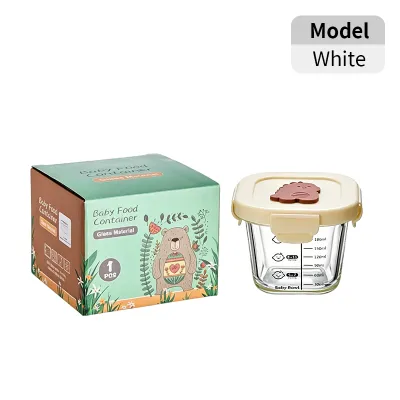
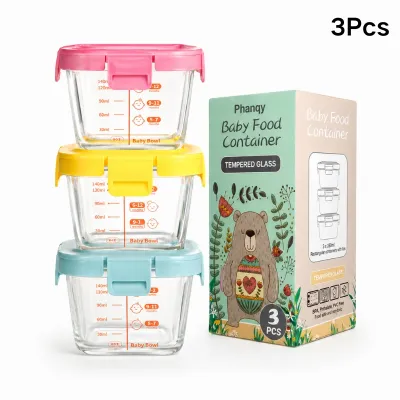
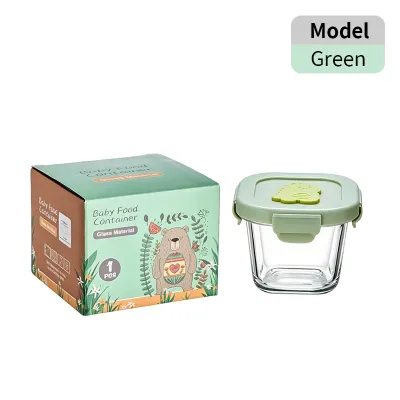
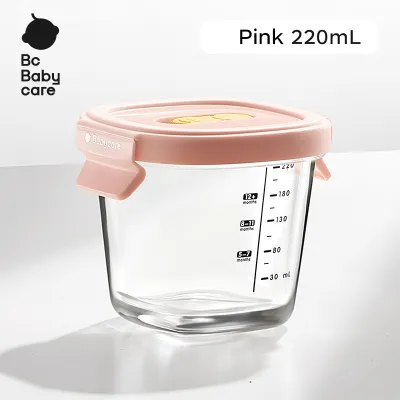
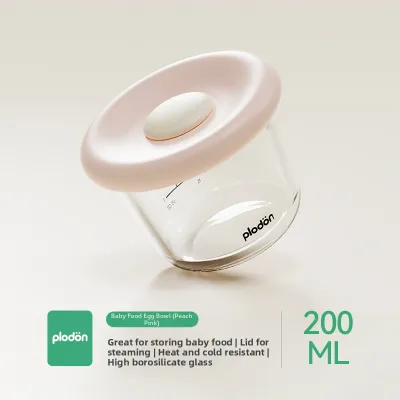
Prices are valid at publication and may change. Please refer to the product page for the latest price.
Another critical advantage of glass is its superior chemical safety and heat resistance. When you are away from home, you may need to warm your baby’s puree in a cafe microwave, a portable bottle warmer, or a hot water bath. Heating food in plastic containers carries the risk of chemical leaching or releasing microplastics. Glass is completely inert and free of BPA or phthalates, ensuring your baby’s meals remain pure and uncontaminated. If you are unsure about introducing new foods or have questions about your baby’s specific feeding stages, consult a pediatrician or pediatric nutritionist for professional guidance.
Glass is also easier to clean thoroughly on the go. Plastic containers scratch easily over time, creating microscopic crevices where bacteria and mold can thrive. Silicone containers can retain soapy odors from dishwashing liquids, which might cause your baby to reject their food. Glass provides a smooth, scratch-resistant surface that washes clean quickly without retaining smells.
Essential Features to Look for in Travel-Friendly Glass Containers
To ensure your glass containers are travel-friendly, look for specific design features tailored to life on the move. The most critical is the lid mechanism. A reliable travel container must have a leak-proof seal, such as screw-top or snap-locking lids with a thick, removable silicone gasket. This gasket prevents thin purees and broths from seeping out during bumpy car or stroller rides.

Drop protection is also essential. Because glass is fragile, high-quality travel containers feature protective silicone sleeves or neoprene covers. These sleeves wrap around the glass, providing an excellent grip for warm, humid hands and acting as shock absorbers if a jar is knocked off a high chair. A good sleeve also insulates the container, making it comfortable to hold.
Accurate portion control is simplified when your containers feature clear, easy-to-read measurement marks in both milliliters and ounces. These markings allow you to monitor exactly how much food your baby consumes without needing to pack separate measuring tools. Embossed markings are highly recommended, as they will not fade or wear off after repeated sterilizations.
Finally, look for borosilicate glass, which is the gold standard for baby food storage due to its high thermal shock resistance. This glass withstands rapid temperature fluctuations, allowing you to transition a jar directly from a chilled cooler bag into a microwave or hot water bath safely. Always check the manufacturer’s instructions to verify the specific temperature limits and safety certifications before heating.
Best Baby Food Container Glass Designs for Different Travel Scenarios
Different travel scenarios require different container designs. Whether you are heading to a local park or embarking on a long road trip, choosing the right style helps keep feeding routines smooth and organized.
Silicone-Sleeved Glass Jars for Short Trips
For brief outings like a trip to the playground or a nearby shopping mall, standard glass jars with form-fitting silicone sleeves are highly efficient. These compact jars fit easily into the side pockets of diaper bags. The silicone sleeve provides a non-slip grip and drop protection, which is helpful when feeding your baby in busy public spaces. Because these jars lack built-in insulation, you must place them inside an insulated cooler bag with an ice pack during warm weather to keep food fresh. This setup is perfect for active parents seeking a simple, protective solution for short trips.
Vacuum-Insulated Glass Jars for Temperature Control
When you plan to be away from home for several hours, such as during a long road trip or an all-day outdoor event, keeping baby food at a safe temperature is a priority. Vacuum-insulated containers with double-walled glass construction are ideal for these long-distance scenarios. They maintain food temperature—keeping purees cold or warm for several hours—without relying on bulky ice packs. While slightly heavier than standard jars, the convenience is unmatched. You can heat your baby’s puree at home, pack it into the pre-warmed insulated jar, and serve it at the perfect temperature hours later, eliminating the need to search for a microwave while traveling.
Compartmentalized Glass Bento Boxes for Older Babies
As your baby grows, their dietary needs expand to include varied textures and food groups. For infants practicing baby-led weaning (BLW) or older toddlers who enjoy self-feeding, compartmentalized glass bento boxes are an excellent choice. These containers feature built-in glass dividers to pack different food items—like soft fruits, cooked grains, and proteins—without them mixing. When choosing a compartmentalized container for travel, select a model with a multi-latch lid that features individual silicone seals for each compartment. This prevents wet foods, like fruit purees, from leaking into dry foods like crackers. While larger than standard jars, they provide an organized way to serve balanced meals on the go.
Packing and Transport Tips for the Philippine Climate
Traveling with fresh baby food in the tropical climate of the Philippines presents unique challenges due to the high heat and humidity. To preserve the nutritional quality of your baby’s food and prevent the growth of harmful bacteria, you must practice careful temperature management. The tropical heat can cause food left at room temperature to spoil rapidly. Always pack your glass baby food containers inside a high-quality insulated lunch bag or diaper bag compartment, accompanied by frozen gel ice packs. Keep the bag zipped closed as much as possible, and only remove the food container immediately before you are ready to feed your baby.
Physical protection is equally important when carrying glass containers in a packed bag. To prevent jars from clinking against each other and potentially chipping or cracking, pack them tightly so they cannot shift during transit. You can wrap individual jars in clean cloth napkins, muslin swaddles, or small receiving blankets, which double as handy cleanup cloths during feeding time. Alternatively, utilize the built-in elasticized bottle pockets inside your diaper bag to keep each glass container securely upright and isolated from other hard objects like keys, toys, or water bottles.
Managing condensation is another practical consideration in humid environments. When you remove a cold glass container from an insulated cooler bag, moisture from the humid tropical air will quickly condense on the cold glass surface, making it slippery and difficult to hold. Keep a small microfiber cloth or hand towel nearby to wipe down the exterior of the container before opening it. Additionally, if you are using glass containers to store dry snacks like puff crackers or teething biscuits, ensure the container is completely dry before packing, and avoid opening it repeatedly in humid outdoor areas to prevent the snacks from absorbing moisture and turning soggy.
Cleaning and Care While Away from Home
Cleaning glass food containers while away from home requires some preparation. When you do not have access to your kitchen and sterilizer, you can maintain hygiene by packing a compact travel cleaning kit. This kit should include a travel-sized bottle brush, a small bottle of baby-safe dish soap, and a dedicated microfiber drying cloth.
Immediately after feeding, rinse the glass container with clean water to prevent food residues from drying. If a sink is available, wash the container thoroughly. Always disassemble the silicone gasket from the lid during cleaning, as trapped moisture and food particles can quickly breed mold and odors in warm weather.
If clean running water is unavailable, scrape out any remaining food, rinse the jar with drinking water, and store the dirty container in a wet bag. Once home, perform a thorough wash with warm, soapy water, and sterilize the glass container and its components according to the manufacturer’s instructions before the next use.
Frequently Asked Questions (FAQ)
Can I put glass baby food containers in the freezer before a trip?
Yes, borosilicate glass is generally freezer-safe, but always leave a 1.5-centimeter gap at the top because liquids and purees expand when frozen. Avoid sudden temperature shocks, such as transferring a frozen jar directly into boiling water or a hot microwave, which can cause the glass to crack. Allow the container to thaw gradually in the refrigerator or under cool running water first.
How do I prevent glass jars from breaking in my diaper bag?
To prevent breakage, use form-fitting protective silicone sleeves. Pack your glass containers in the center of your diaper bag, surrounding them with soft items like spare baby clothes, diapers, or burp cloths to act as natural cushions. Avoid overstuffing your bag, as excessive pressure against hard objects can stress the glass and increase the risk of cracking.
Are glass containers too heavy for everyday travel?
While glass is heavier than plastic, standard baby food portions (typically 120ml to 240ml) are small. Carrying one or two portion-sized jars adds minimal weight to your diaper bag. Most parents find this minor weight difference a worthwhile trade-off for the superior hygiene, stain resistance, chemical safety, and long-term durability that glass offers.
Community discussion
Share your experience or ask a question. Comments are reviewed before publication.