
The best formula milk powder container for travel and outdoor outings must provide a reliable, airtight, and moisture-resistant seal, be crafted from certified food-grade materials, and feature a secure pouring mechanism like a built-in funnel. In a highly humid tropical environment like the Philippines, keeping ambient moisture out of the container is the single most important factor to prevent clumping and preserve the nutritional integrity of the powder. Utilizing a dedicated portable dispenser ensures that your baby’s milk remains dry, hygienic, and pre-measured for rapid preparation whenever you are away from home.
Essential Requirements for On-the-Go Formula Storage
Feeding a baby while navigating crowded shopping malls, outdoor parks, or long road trips presents unique challenges for parents. Accidental spills inside a diaper bag can ruin an entire day’s supply of milk, while exposure to tropical humidity can quickly turn dry powder into a sticky, unusable clump. Limited bag space means every item must be highly functional and compact, making bulky, original formula tins highly impractical for travel.
A reliable formula milk powder container resolves these issues by offering secure sealing mechanisms, food-grade materials, and easy-pour designs. These specialized containers protect the powder from environmental contaminants, pests, and moisture. By keeping the formula pre-measured into individual feeding portions, you can prepare a bottle in seconds, significantly reducing stress during travel and keeping your baby’s feeding schedule on track.
Products mentioned in this guide
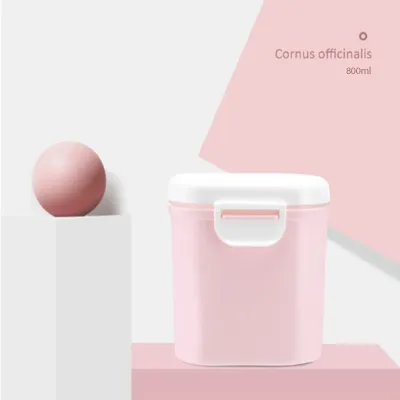
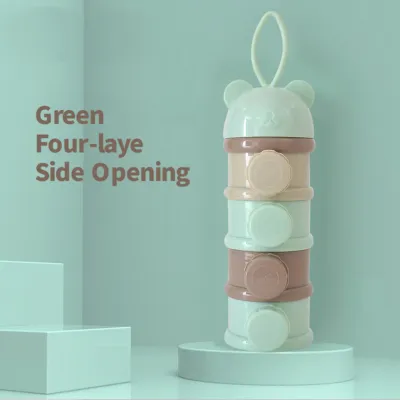
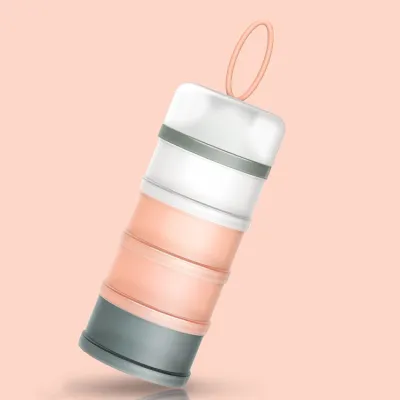
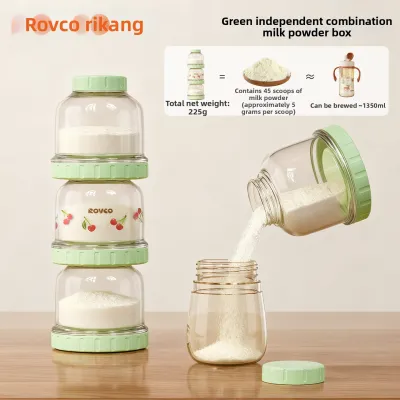
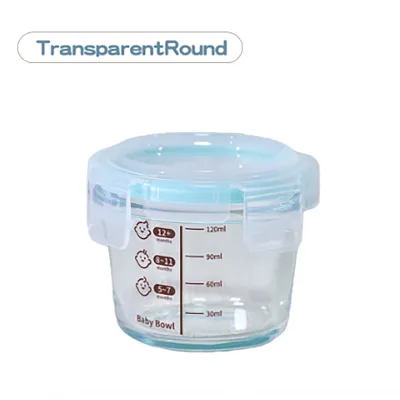
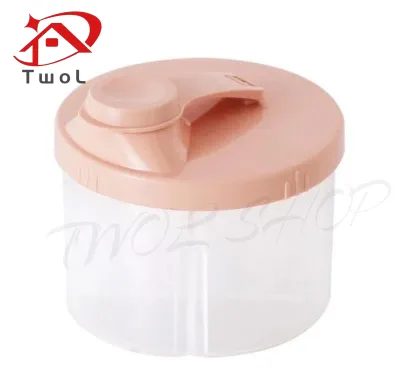
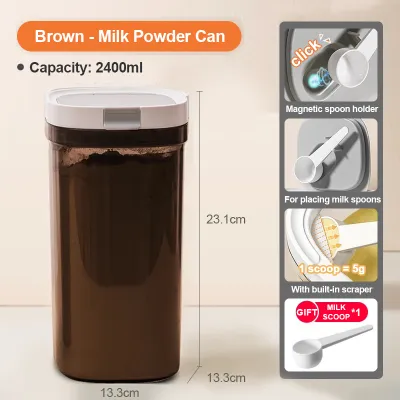
Prices are valid at publication and may change. Please refer to the product page for the latest price.
Key Features to Evaluate When Choosing a Container
Selecting the right dispenser requires evaluating specific design features, physical dimensions, and safety standards. Parents must look beyond aesthetics to ensure the product can withstand daily travel demands while keeping infant nutrition safe and uncontaminated.

Material Safety and Durability
When storing infant nutrition, material safety is your highest priority. Check product labels and manufacturer specifications to verify that the container is made from certified BPA-free, food-grade materials. Common safe options include Polypropylene (PP), Polyphenylsulfone (PPSU), and high-quality food-grade stainless steel.
Before sterilizing the container, first check the manufacturer instructions for the treated item to verify its specific heat resistance limits. If instructions conflict, the item is unidentified, or the sterilization method is not covered, stop and consult the manufacturer or a qualified professional. Durable materials prevent cracking, scratching, or warping over time, ensuring that the container remains structurally sound and that its airtight seals do not degrade after repeated sterilization cycles.
Leak-Proof and Moisture-Resistant Seals
Keeping moisture out is critical, especially in humid tropical environments where damp air can easily seep into poorly sealed containers. Look for dispensers equipped with high-quality silicone sealing rings, snap-lock lids, or secure threaded caps that prevent accidental openings inside your bag.
Before packing, visually inspect the silicone gasket to ensure it is seated correctly and test the locking mechanism to verify a tight seal. A truly moisture-resistant seal prevents ambient humidity from entering the compartments, protecting the powder from clumping and minimizing the risk of bacterial contamination. If you notice any wear, stretching, or mold on the silicone ring, stop using the container immediately and replace the seal or the entire unit.
Capacity, Compartments, and Portability
Your choice of container should match your baby’s current age, weight, developmental stage, and feeding frequency. Single-layer portable cups or pouches are excellent for quick outings, whereas multi-layer stackable towers allow you to carry several pre-measured feeds separately.
To choose the right size, calculate the number of scoops required per feed and multiply that by the number of feedings you expect during your outing. Always verify the maximum capacity of each compartment against your baby’s current feeding requirements as specified by your pediatrician or formula documentation. Consider the physical footprint of the container as well; it should slide easily into standard diaper bag side pockets, stroller organizers, or insulated bottle bags without occupying excessive space.
Matching Container Types to Specific Travel Scenarios
Different outings demand different storage strategies. Matching your container style to your specific itinerary ensures you carry only what you need without adding unnecessary bulk to your baby gear.
Short Day Trips and Stroller Walks
For brief outings, such as a walk in a local park or a quick trip to a nearby shopping center, a lightweight and compact setup is ideal. Single-serve dispensers or small, three-tier stackable cups are perfect for these scenarios because they fit easily into stroller cup holders or small diaper bag compartments.
Key benefits of compact dispensers:
- Built-in Funnels: These allow you to pour the pre-measured powder directly into narrow bottle necks without spilling, even when you are balancing a baby on your lap on a park bench.
- Minimal Bulk: Lightweight plastic designs keep your daily travel setup streamlined and easy to carry.
- Quick Access: Individual compartments let you access a single portion without exposing the remaining powder to the air.
Long Flights and Extended Vacations
Long-distance travel, such as flights or multi-day family vacations, requires high-capacity storage solutions. Multi-layer towers with individual dispensing lids or larger airtight canisters with built-in levelers are highly suitable for these journeys because they hold a full day’s or multi-day’s supply of formula.
Key considerations for long-distance travel:
- Pressure Resistance: Robust locking mechanisms and threaded screw-on lids are essential to withstand cabin pressure changes during flights, which can cause weaker snap-on lids to pop open.
- Organization: If you are traveling with multiple children or using different types of formula, choose color-coded or clearly labeled compartments to keep your feeding routine organized and error-free.
- Caregiver Supervision: Ensure that all caregivers traveling with you understand how to open, pour, and secure the container properly to prevent accidental spills during transit.
Practical Tips for Hygiene and Maintenance on the Go
Maintaining hygiene while traveling requires planning and adherence to strict safety practices. Always pre-fill your formula container in a clean, dry home environment before you head out to minimize exposure to outdoor contaminants, dust, or wind-blown moisture.
One of the most critical rules of formula storage is ensuring the container is 100% dry before adding any powder. Even a single drop of water left inside a compartment can trigger rapid bacterial growth, ruin the formula, and cause severe clumping that blocks the dispenser spout. If your baby experiences unusual digestive symptoms, stop using the stored formula immediately and consult a qualified healthcare professional.
For cleaning while away from home, follow these simple steps:
- Disassemble: Separate all parts, including lids, compartments, and silicone sealing rings.
- Wash: Use a portable, travel-sized bottle brush and baby-safe dish soap to clean all inner surfaces.
- Rinse: Rinse thoroughly with clean, safe drinking water rather than tap water from public restrooms.
- Air-Dry: Allow all parts to air-dry completely on a clean paper towel before reassembling or refilling.
Always consult your specific formula manufacturer’s guidelines regarding safe storage times, temperature limits, and preparation instructions to protect your infant’s health.
Frequently Asked Questions (FAQ)
Can I pre-mix formula and store it in these containers for travel?
No, formula milk powder containers are designed exclusively for dry powder storage. Pre-mixed liquid formula is highly perishable and requires specialized insulated bottles or cooler bags with ice packs to maintain a safe temperature. Once mixed, liquid formula must be consumed within strict timeframes—typically within two hours at room temperature or 24 hours if kept continuously refrigerated—as dictated by health and safety guidelines. Never store liquid formula in standard plastic powder dispensers, as they do not provide the necessary thermal insulation to prevent rapid bacterial spoilage.
How do I prevent formula powder from clumping inside the container?
To prevent clumping, always ensure every compartment of the container is completely dry before filling it with powder. Avoid opening or filling the container near steam sources, such as boiling kettles, sterilizers, or hot bathroom sinks. When outdoors in humid climates, keep the container away from direct sunlight and do not leave it inside a hot car, as heat can cause moisture to release from the powder and condense on the container walls. Always check that the silicone sealing ring is clean, dry, and properly seated, and keep the lid tightly closed immediately after dispensing each portion.
Community discussion
Share your experience or ask a question. Comments are reviewed before publication.