
Finding the right baby gear can feel like a balancing act, especially when balancing limited living space with the safety and comfort of your child. In many Philippine households—whether you are navigating a compact condominium in Metro Manila or sharing a multi-generational home in the provinces—maximizing floor space is a daily priority. A foldable baby rocking bouncer offers a practical solution, combining a secure, comfortable place for your baby to rest with a design that collapses flat for easy storage or travel.
While a bouncer is an incredibly helpful tool for hands-free moments, choosing the right one requires careful attention to structural details, materials, and safety guidelines. With numerous options available on the local market, understanding what makes a bouncer both safe and highly portable will help you make an informed investment. This guide breaks down the essential features, design variations, and crucial safety rules to help you select the ideal foldable bouncer for your family’s needs.
Quick Guide: What to Look for in a Foldable Bouncer
When shopping for a foldable baby rocking bouncer, your primary goal is finding a balance between portability, safety, and long-term comfort. Busy parents need gear that is easy to move and store, but this convenience must never come at the expense of structural integrity. A quality bouncer should feel robust and stable, even when folded and unfolded multiple times a day.
Products mentioned in this guide
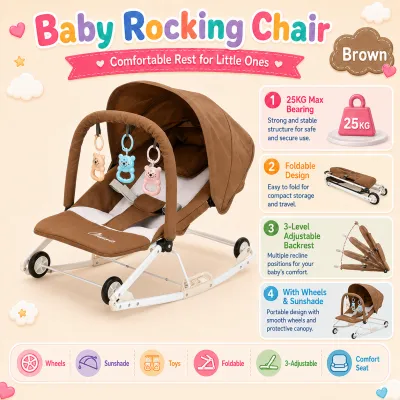
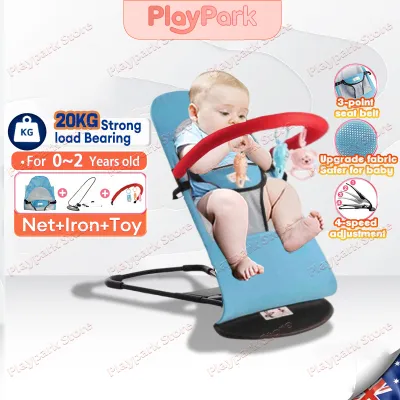
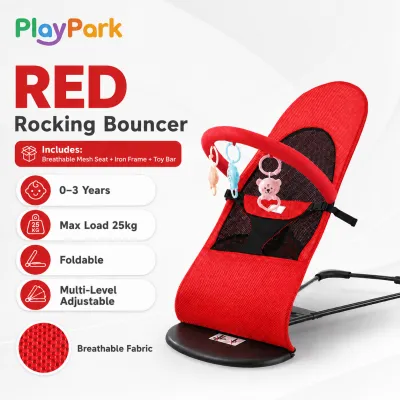
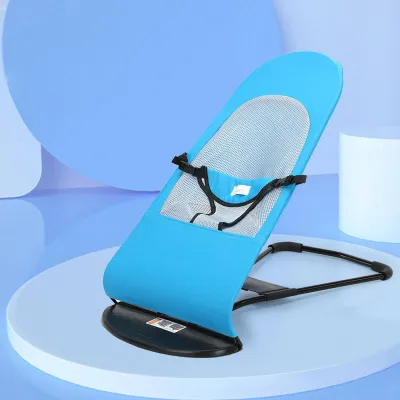
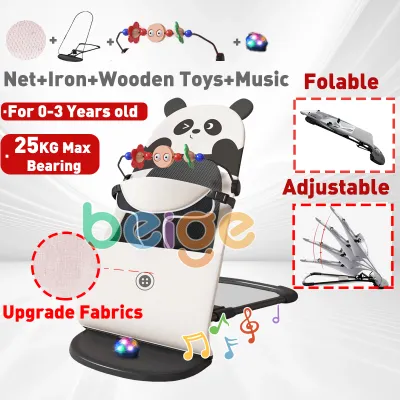
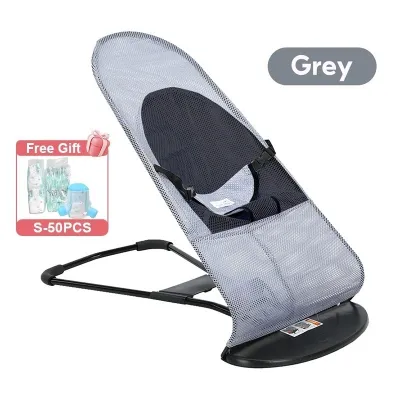
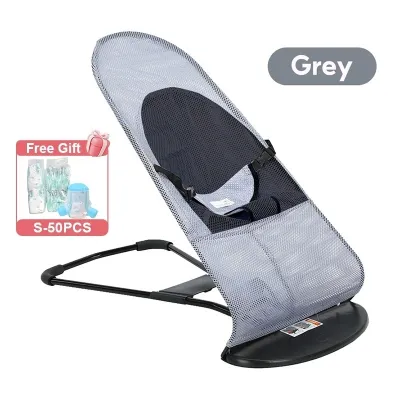
Prices are valid at publication and may change. Please refer to the product page for the latest price.
To simplify your search, keep these three non-negotiable features at the top of your checklist:
- Secure Multi-Point Harness: A robust 3-point or 5-point harness is essential to keep active babies safely in place and prevent them from sliding out.
- Sturdy Locking Mechanism: The frame must feature a reliable locking pin or secondary latch that prevents accidental folding while the baby is in the seat.
- Strict Weight and Developmental Limits: Always check and respect the manufacturer's maximum weight capacity and developmental milestones.
By prioritizing these core elements, you can confidently evaluate how different models fit into your household’s daily routine and physical space constraints.
The Practical Benefits of a Foldable Design
One of the most significant advantages of a foldable bouncer is its space-saving design. Many modern homes, particularly urban apartments, have limited floor space that must serve multiple purposes throughout the day. A bulky, non-folding bouncer quickly becomes an obstacle in high-traffic areas. A foldable model can be collapsed in seconds and slipped under a bed, behind a sofa, or inside a closet when not in use, keeping your living areas tidy and open.

Portability is another major benefit for active families. Family life in the Philippines often involves frequent travel, whether it is a weekend trip to visit grandparents or simply moving the bouncer from the bedroom to the kitchen so you can prepare meals. A lightweight, flat-folding bouncer fits easily into a car trunk or can be carried from room to room with one hand, ensuring your baby always has a familiar, safe place to rest wherever you go.
Furthermore, foldable frames often simplify cleaning and maintenance. High humidity and tropical heat mean babies sweat more, leading to a buildup of moisture, spit-up, and dirt on the seat fabric. Foldable bouncers are typically designed with easily removable fabric covers that can be slipped off the frame quickly for washing. This is vital for maintaining proper hygiene and preventing the growth of mold or mildew in warm, humid climates.
Essential Features to Compare Before You Buy
Safety Harness and Frame Stability
Active babies naturally wiggle, kick, and shift their weight as they grow. To prevent accidental falls, a secure 3-point or 5-point harness is critical. A 3-point harness secures the waist and crotch, while a 5-point harness adds shoulder straps for extra security. Look for adjustable straps made of durable webbing and child-proof buckles that require a firm press from an adult to release, ensuring your baby cannot accidentally undo them.
The stability of the frame itself is just as important as the harness. The bouncer’s base should be wide and low to the ground to distribute weight evenly and prevent tipping, even when the baby is bouncing vigorously. Check for non-slip rubber grips on the bottom of the frame. These grips prevent the bouncer from sliding across smooth ceramic tiles, polished concrete, or hardwood floors common in local homes.
Finally, inspect the folding joints and hinges closely. High-quality bouncers are engineered with protective plastic covers or recessed hinges to eliminate pinch points. Ensure there are no exposed gaps where tiny fingers or toes could get caught when the bouncer is set up, adjusted, or collapsed.
Folding Mechanism and Portability
When you are holding a baby in one arm, trying to struggle with a complex folding mechanism is both frustrating and unsafe. Look for bouncers that feature intuitive, quick-release latches. Some premium models offer a one-handed fold, allowing you to collapse the frame smoothly without extra hassle. Avoid models that require complex tools or disassembly to fold flat.
A reliable folding bouncer must have an automatic safety lock or a secondary manual pin. This mechanism ensures that once the bouncer is unfolded, it remains locked in its open position. It should never collapse under the baby’s weight or if the frame is bumped. Before purchasing, verify how the locking mechanism engages and whether it provides a clear visual or auditory cue, like a distinct click, when fully locked.
If you plan to travel frequently, compare the folded dimensions and the overall weight of the bouncer. An ultra-slim, flat-folding profile is much easier to pack into a crowded car trunk or store in a narrow closet. Lightweight materials like high-grade aluminum offer excellent portability without sacrificing structural strength, making them ideal for parents on the move.
Seat Recline and Ergonomic Support
Newborn babies lack the neck muscle strength to support their own heads, making ergonomic seat design a critical safety factor. A quality bouncer must provide adequate head, neck, and spine support, cradling the baby’s body in a natural position. Look for models that include removable infant inserts or dedicated head support pillows for the earliest months of life.
As your baby grows and becomes more alert, they will want to look around and interact with their environment. Bouncers with multiple recline positions allow you to adjust the seat angle to suit different stages of development. Use a flatter, deeper recline for younger infants, and a more upright position for older babies who have gained better head control and want to look around.
In the hot, humid Philippine climate, heat retention is a major comfort and health concern. Heavy, synthetic fabrics can trap heat, causing your baby to sweat excessively and develop uncomfortable heat rashes. Prioritize bouncers that feature 3D mesh panels, breathable cotton blends, or fully mesh seat covers that promote continuous airflow, keeping your baby cool and comfortable during warm afternoons.
Types of Rocking Bouncers to Consider
Manual vs. Battery-Operated Rocking
Manual bouncers rely entirely on the baby’s natural movements or a gentle, manual push from a caregiver to rock. As the baby kicks and moves their arms, the frame responds with a soothing, natural bounce. Manual bouncers are generally lighter, completely silent, and highly portable because they do not require batteries or power cords. They are also highly reliable in areas prone to seasonal power interruptions, as they function perfectly without electricity.
Battery-operated or plug-in models feature built-in motors that provide automated rocking, swaying, or gentle vibrations. Many also include integrated sound machines that play lullabies or white noise. While they offer hands-free soothing, they are heavier, bulkier, and require regular battery replacements or access to an electrical outlet. If choosing a plug-in model, you must verify that the adapter is compatible with the standard 220V electrical supply used in the Philippines.
Basic Bouncers vs. Multi-Function Seats
Basic bouncers are single-purpose seats designed strictly for bouncing and rocking. Because they focus on a single function, they are usually incredibly lightweight, compact, and feature the simplest folding mechanisms. They are ideal for parents who prioritize maximum portability, a minimal footprint, and a straightforward design that is easy to travel with.
Multi-function convertible seats are designed to grow with your child, converting from an infant bouncer into a stationary toddler chair or a rocker that can support older children. While these models offer a much longer product lifespan, they tend to be heavier, more expensive, and have a bulkier folded profile. Consider whether you prefer a highly portable, short-term infant bouncer or a heavier, long-term investment that takes up more space.
Crucial Safety Rules and Usage Limits
While a foldable bouncer is a highly convenient tool, it must be used with strict adherence to safety guidelines to prevent accidents and injuries. Always keep the following safety rules in mind:
- Respect Weight and Developmental Limits: Every bouncer has a strict maximum weight limit specified by the manufacturer. However, developmental milestones are often more important than weight alone. You must stop using the bouncer as soon as your baby attempts to sit up unassisted, roll over, or push themselves up on their hands and knees. Continued use past this point increases the risk of the bouncer tipping over under the baby's shifting center of gravity.
- Bouncers Are Not for Sleeping: It is common for babies to fall asleep while being gently rocked, but you must never use a bouncer for unsupervised or overnight sleep. The inclined position of a bouncer can cause a baby's heavy head to tilt forward onto their chest, potentially blocking their airway—a dangerous condition known as positional asphyxiation. If your baby falls asleep in the bouncer, immediately transfer them to a firm, flat crib, cot, or bassinet.
- Always Use on the Floor: Never, under any circumstances, place a baby bouncer on an elevated surface such as a table, kitchen countertop, bed, or sofa. The baby's movements, combined with the rocking motion, can cause the bouncer to slide or tip off the edge, resulting in severe injuries. Always place the bouncer flat on the floor, away from stairs or hazards.
- Inspect Before Every Use: Before placing your baby in the bouncer, conduct a quick safety check. Ensure the harness straps are intact and not frayed, the buckle clicks securely, the folding mechanism is fully locked, and there are no loose screws or structural cracks. This routine is especially critical if the bouncer is folded and unfolded daily or was purchased second-hand.
- Maintain Caregiver Supervision: Never leave your baby unattended in a bouncer. An adult should always remain in the same room to supervise the baby's movements and ensure they remain safe and comfortable.
Smart Shopping Tips for the Philippine Market
To protect your baby, avoid buying unbranded or suspiciously cheap bouncers from unofficial online sellers. These products often skip rigorous safety testing and may use substandard plastics, weak hinges, or toxic dyes. Always purchase from official brand flagship stores, authorized local distributors, or established physical baby boutiques in major malls to ensure you are getting a genuine, safety-tested product.
Before finalizing your purchase, check if the product comes with a local warranty and accessible customer service in the Philippines. Having access to official replacement parts—such as a new harness buckle, non-slip rubber feet, or a replacement seat cover—is essential for extending the safe usable life of your bouncer. A local warranty provides peace of mind that you can resolve any structural issues quickly.
When browsing online marketplaces, filter reviews to look for feedback from local parents. Pay close attention to how the bouncer performs in hot, humid weather. Look for comments about whether the fabric is easy to hand-wash and dry during the rainy season, and how smoothly the folding mechanism operates after months of daily use in local household conditions.
Frequently Asked Questions (FAQ)
Can a baby sleep overnight in a rocking bouncer?
No, babies should never sleep overnight or unsupervised in a rocking bouncer. The inclined angle of a bouncer poses a high risk of positional asphyxiation, where the baby’s chin drops to their chest and restricts breathing. For safe sleep, always move your baby to a firm, flat surface like a crib or bassinet that complies with safe sleep standards.
At what age or weight should my baby stop using the bouncer?
Your baby must stop using the bouncer when they reach the manufacturer’s specified maximum weight limit (typically around 9 kilograms for basic models) or when they learn to sit up unassisted—whichever milestone comes first. Always consult your specific product’s user manual, as weight and developmental limits vary significantly between basic bouncers and convertible multi-function seats.
Community discussion
Share your experience or ask a question. Comments are reviewed before publication.