
Choosing the best eco-friendly cloth diaper—locally known as the traditional lampin or modern cloth diaper—in the Philippines requires balancing material sustainability, absorbency, and breathability for a tropical climate. As families seek to reduce household waste and protect sensitive infant skin from synthetic chemicals, the transition to reusable diapering has grown from a traditional practice into a highly efficient, modern lifestyle. Understanding how different fabrics perform under high humidity and how to wash them effectively during the rainy season is key to a successful, stress-free diapering journey.
Quick Guide: Choosing Eco-Friendly Lampin for Your Baby
The shift toward sustainable parenting in the Philippines is driven by both environmental awareness and a desire for healthier baby care. Disposable diapers contribute thousands of tons of plastic waste to local landfills every year, taking centuries to decompose. By transitioning to reusable options, families can drastically reduce their environmental footprint while protecting their babies from the synthetic fragrances, dyes, and plastics found in single-use alternatives.
Modern reusable diapering generally falls into two categories: traditional cotton flat lampin and modern cloth diapers (MCDs), such as pocket diapers, All-in-Ones (AIOs), and All-in-Twos (AI2s). Traditional flats offer unmatched breathability and quick drying times, making them highly practical for daily wear at home. Modern cloth diapers, on the other hand, feature waterproof outer layers and customizable absorbent inserts, offering a leak-proof convenience that closely mirrors the ease of disposables.
Products mentioned in this guide
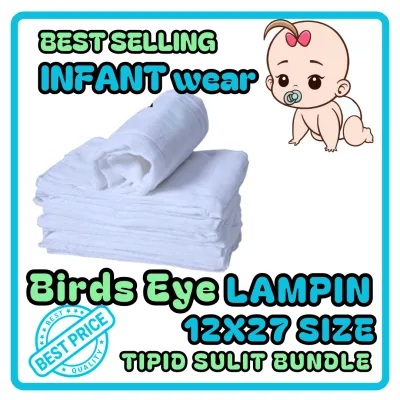
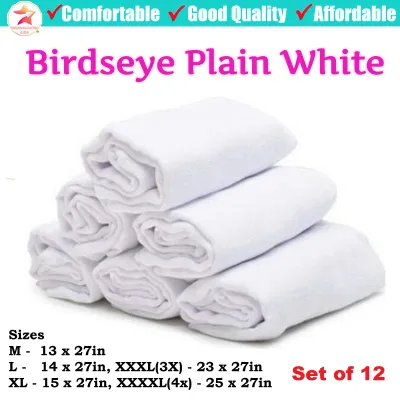
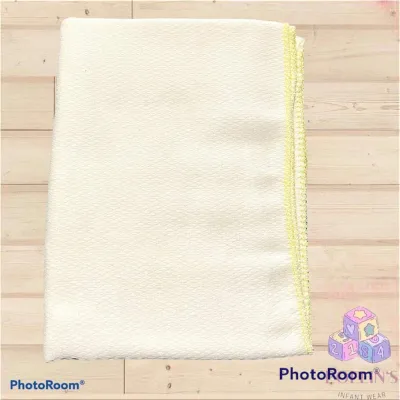
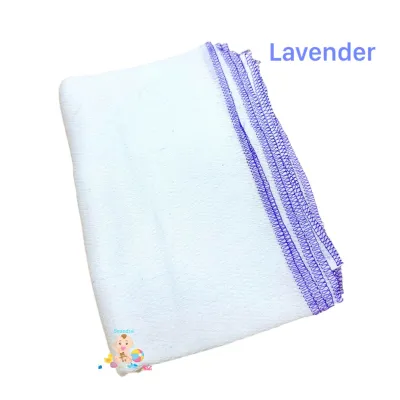
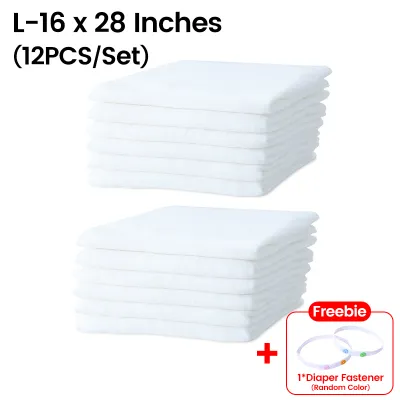
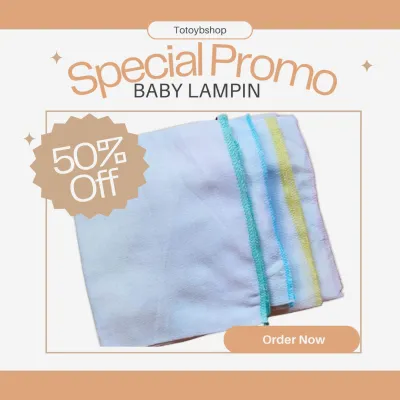

Prices are valid at publication and may change. Please refer to the product page for the latest price.
In the hot and humid Philippine climate, the most critical decision factor is breathability and drying speed. Fabrics that trap heat and moisture can quickly lead to diaper rash, while thick, slow-drying materials may develop mold or a musty odor during the rainy season. Selecting lightweight, natural fibers that allow air circulation is essential for keeping your baby comfortable and maintaining a hygienic diapering routine.
Why Switch to Eco-Friendly Cloth Diapers?
Reducing landfill waste is one of the most immediate environmental benefits of switching to reusable diapers. A single child typically goes through several thousand disposable diapers before achieving toilet training, creating a massive volume of non-biodegradable waste that strains municipal waste systems. Reusable diapers, whether traditional cotton or modern pocket styles, can be washed and reused hundreds of times, significantly lowering your household’s plastic consumption.

From a financial perspective, the long-term cost savings in Philippine Pesos (PHP) are substantial. While disposable diapers require continuous weekly expenditures that accumulate to tens of thousands of pesos over two to three years, a reusable diaper stash represents a one-time upfront investment. Even when accounting for the cost of water, electricity, and mild laundry detergents, reusing a set of 20 to 30 diapers for one child—or passing them down to younger siblings—saves families a significant amount of money over time.
Skin health is another compelling reason to choose natural cloth fibers. Many commercial disposable diapers contain superabsorbent polymers (SAPs), chlorine bleaches, and synthetic fragrances that can irritate delicate infant skin. Natural, chemical-free fibers like organic cotton and bamboo allow the skin to breathe, reducing the likelihood of contact dermatitis and heat rash. Caregiver note: If your baby develops a persistent, bright red, or blistering diaper rash, temporarily stop using all diapers and consult a licensed pediatrician to rule out yeast infections or severe allergies.
Key Features to Look for in Sustainable Cloth Diapers
Sustainable and Breathable Materials
Evaluating the environmental profile and performance of different natural fibers is the first step in building an eco-friendly diaper stash. Organic cotton is highly durable, soft, and offers excellent breathability, making it a reliable standard for daily use. It absorbs moisture quickly and dries relatively fast in tropical weather compared to denser fibers.
Bamboo viscose is exceptionally soft and gentle on sensitive skin, offering high absorbency that keeps moisture away from your baby’s body. However, bamboo is a delicate fiber that often requires a longer drying time and must be washed with care to prevent premature wear. Hemp is the gold standard for absorbency, holding significantly more liquid than cotton or bamboo without leaking under compression. Because hemp is slow to dry and can become stiff when line-dried, it is best utilized as a nighttime booster paired with softer fabrics.
When purchasing eco-friendly diapers, it is important to verify actual material composition on product labels rather than relying solely on vague marketing terms. Look for verifiable eco-certifications, such as the Global Organic Textile Standard (GOTS) or Oeko-Tex Standard 100, which ensure the fabrics are free from harmful chemical residues. Caregivers should verify these certification claims directly on the manufacturer’s official website or product packaging to avoid greenwashed products.
Design and Absorbency for Tropical Weather
Understanding the structural differences between diaper styles helps you choose the right configuration for your daily routine. Traditional flat or prefold lampin consists of a single or multi-layered piece of woven cotton fabric that is folded around the baby. While they require a waterproof cover to prevent leaks, their open-sheet design makes them incredibly easy to clean and the fastest to dry during the humid monsoon season.
Modern designs offer varying levels of convenience and absorbency. Pocket diapers feature a waterproof outer shell lined with a stay-dry fabric, creating a pocket where you insert absorbent pads. All-in-Ones (AIOs) have the absorbent layers sewn directly to the waterproof cover, offering the most straightforward application but requiring the longest drying time. All-in-Twos (AI2s) utilize snap-in inserts, allowing you to reuse the outer waterproof cover multiple times by simply swapping out the wet insert for a fresh one.
In a tropical climate, finding the balance between maximum absorbency and breathability is essential for preventing heat rash. Heavy, multi-layered diapers can trap heat against your baby’s skin, so it is often better to use lightweight, highly breathable diapers during the day and save the thick, high-capacity configurations for nighttime sleep. Caregivers must match the diaper style to the baby’s age, weight, and mobility, ensuring a snug yet comfortable fit that allows natural movement without causing red marks on the thighs.
Top Eco-Friendly Cloth Diaper Recommendations
Best Overall Modern Eco-Friendly Cloth Diaper
AlvaBaby Pocket Diaper (One-Size-Fits-Most)
- Target User: Busy parents seeking an affordable, highly adjustable modern diaper that easily transitions from infancy to toddlerhood.
- Weight Range: Approximately 3 kg to 15 kg (adjustable via rise snaps).
- Primary Materials: Waterproof polyester PUL outer cover, soft microfleece inner lining, and reusable bamboo or microfiber inserts.
- Pros: Highly customizable absorbency, wide pocket opening for easy stuffing, and an adjustable design that grows with the baby.
- Cons: Included microfiber inserts can degrade in absorbency over time and are prone to compression leaks; upgrading to bamboo inserts is highly recommended.
- Where to Purchase: Available through local online marketplaces and specialized baby boutiques in the Philippines.
Best Traditional Cotton Lampin for Newborns
Double Gourd Birdseye Cotton Traditional Lampin
- Target User: Parents of newborns who prioritize maximum breathability, rapid drying times, and budget-friendly simplicity.
- Size/Weight Suitability: Standard 27×27 inch or 30×30 inch squares, suitable from birth up to toddlerhood depending on the fold.
- Primary Materials: 100% pure Birdseye woven cotton.
- Pros: Exceptionally breathable, incredibly fast-drying even on rainy days, highly durable, and completely free of synthetic materials.
- Cons: Requires learning traditional folding techniques and utilizing diaper fasteners; is not waterproof on its own and requires a separate cover to prevent leaks.
- Where to Purchase: Widely available in local department stores, traditional dry markets, and local ecommerce platforms.
Best Highly Absorbent Option for Nighttime
GroVia O.N.E. Multi-Use Cloth Diaper
- Target User: Parents looking for a heavy-duty, reliable nighttime diaper that prevents leaks during long sleep stretches without compromising on comfort.
- Weight Range: Approximately 4.5 kg to 16 kg.
- Primary Materials: Cotton blend hidden soakers, microfleece stay-dry top layer, and a TPU waterproof outer layer.
- Pros: Out-of-the-box absorbency that does not require extra boosters, dual closure options (heavy-duty snaps or hook-and-loop), and excellent structural durability.
- Cons: A bulkier profile that may restrict very active babies during daytime play; takes a long time to line-dry in humid weather.
- Where to Purchase: Specialty baby boutiques and authorized local distributors in the Philippines.
Best Budget-Friendly Sustainable Choice
Pre-Loved Modern Cloth Diapers (MCDs) from Verified Local Communities
- Target User: Eco-conscious, budget-restricted families wanting modern diapers without the high initial retail cost.
- Sizing: Varies by brand (typically One-Size-Fits-Most from 3 kg to 15 kg).
- Primary Materials: Varies by brand (typically PUL covers with bamboo, cotton, or microfiber inserts).
- Pros: Drastically reduces upfront costs, extends the lifecycle of existing consumer goods, and supports local parenting communities.
- Cons: Requires a rigorous sanitization process (stripping and sanitizing) before first use to ensure hygiene; risk of worn-out elastics or degraded waterproof linings.
- Where to Purchase: Local parenting forums, social media buy-and-sell groups, and community swap meets.
How to Wash and Maintain Cloth Diapers in a Humid Climate
Maintaining a clean and hygienic diaper stash in the Philippines requires a consistent laundry routine tailored to high humidity. A standard washing routine consists of three main steps: a cold pre-rinse, a warm main wash, and a thorough final rinse. The pre-rinse flushes out solid waste and urine, while the main wash uses a baby-safe, residue-free detergent to deep-clean the fibers. Ensure you use a detergent free from fabric softeners, fabric conditioners, and optical brighteners, as these additives leave a residue that coats the fibers and causes the diapers to repel liquid.
Drying cloth diapers during the rainy season (habagat) presents a unique challenge, as high humidity can delay drying times and lead to musty odors. To prevent mold and mildew, hang diapers on a well-ventilated indoor drying rack assisted by an electric fan or dehumidifier. If you choose to use a clothes dryer, always verify the manufacturer’s care label first; while natural fiber inserts can typically handle low-heat tumble drying, high heat can permanently melt or delaminate the waterproof PUL covers.
If your diapers develop a strong ammonia smell or cause sudden skin irritation, they may have detergent buildup or mineral deposits from hard water, which is common in several regions of the Philippines. To resolve this, perform a deep-clean “strip” wash according to safe cloth diapering guidelines to remove the accumulated minerals and residues. Safety Boundary: Always check the specific care labels on your diapers before using bleach, vinegar, or high heat, as improper care can void manufacturer warranties and damage the waterproof layers. Caregivers must supervise babies closely when using diaper pins or Snappi fasteners to prevent accidental skin pinches.
Frequently Asked Questions (FAQ)
Are cloth diapers really better for the environment than disposables?
Yes, cloth diapers generally have a significantly lower long-term environmental impact than disposables. While washing cloth diapers consumes water and energy, single-use diapers generate massive amounts of landfill waste and require extensive raw materials, including petroleum-based plastics and wood pulp, to manufacture. Washing full loads, line-drying when possible, and reusing the same diaper stash for multiple children further minimizes the overall carbon and water footprint of cloth diapering.
How many cloth diapers do I need to start?
For a newborn who requires frequent changes, a starting stash of 24 to 30 traditional lampin or modern diapers is ideal if you plan to wash every other day. For older babies, 15 to 20 modern pocket or AI2 diapers are usually sufficient to maintain a comfortable washing rotation. It is highly recommended to start with a small trial stash of different styles to find what fits your baby’s body and your laundry routine before investing in a full set.
Can I use traditional lampin for overnight sleep?
Traditional single-layer cotton lampin is rarely absorbent enough on its own to keep an older baby dry throughout the night. However, you can adapt them for overnight use by using specific folding techniques, such as the angel fold, and adding a high-capacity booster made of bamboo or hemp. Always pair this setup with a high-quality, breathable waterproof cover to prevent leaks, and ensure the fit is snug but comfortable to avoid skin irritation.
Community discussion
Share your experience or ask a question. Comments are reviewed before publication.