
Choosing the best eco-friendly cloth diaper options for your newborn in the Philippines involves balancing fabric breathability, skin sensitivity, and drying efficiency in a tropical climate. Traditional cotton flat lampin, organic cotton prefolds, bamboo fitted diapers, and hemp-blend inserts paired with reusable covers represent the most sustainable and effective choices for Filipino parents. When searching for the ideal lampon for newborn babies, modern eco-conscious families are returning to these reusable options to safeguard their baby’s health and protect the local environment.
By choosing reusable alternatives over single-use products, you can significantly reduce your household’s environmental footprint. Newborns require frequent changes, often up to twelve times a day, which accumulates substantial waste when using disposable options. Transitioning to sustainable cloth alternatives allows you to manage your baby’s needs naturally while keeping plastic waste out of local landfills.
Why Choose an Eco-Friendly Lampin or Lampon for Newborn Care?
Disposable diapers contribute millions of tons of non-biodegradable waste to global landfills annually, and in the Philippines, this waste often ends up in municipal dump sites or clogs waterways. Standard disposables contain plastics, synthetic super-absorbent polymers, and chemical adhesives that can take hundreds of years to decompose. By opting for reusable cloth diapers, you significantly reduce your household’s solid waste output from your baby’s very first day.
Products mentioned in this guide
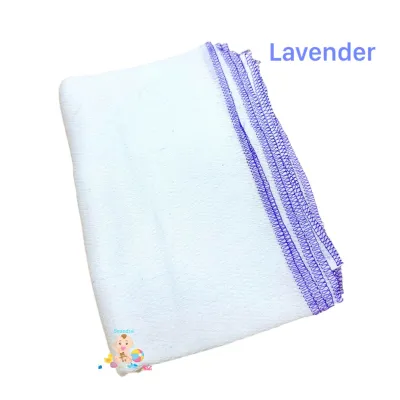

Prices are valid at publication and may change. Please refer to the product page for the latest price.
Beyond environmental conservation, eco-friendly cloth diapers offer distinct advantages for delicate newborn skin. Newborn skin is exceptionally thin and highly permeable, making it vulnerable to irritation from synthetic chemicals, artificial fragrances, and dyes commonly found in disposable diapers. Natural, unbleached cloth fibers provide a chemical-free wetting surface that minimizes the risk of contact dermatitis and allergic reactions.
In the warm, humid climate of the Philippines, breathability is a crucial factor in infant comfort. Synthetic disposable diapers trap heat and moisture close to the skin, creating an ideal breeding ground for bacteria and yeast, which frequently leads to heat rash or diaper candidiasis. Natural fabric diapers allow constant airflow, keeping your baby’s diaper area cool and dry even during the sweltering summer months.
From a financial perspective, investing in a reusable diaper system provides substantial long-term savings for Filipino families. While the initial cost of purchasing a high-quality cloth diaper stash is higher than buying a few packs of disposables, the reusable diapers can be washed and used thousands of times. These diapers can also be saved and repurposed for future siblings, compounding your savings over time.
What to Look for in a Sustainable Newborn Cloth Diaper
When evaluating eco-friendly cloth diapers, material integrity should be your primary consideration. Natural fibers such as organic cotton, bamboo, and hemp are highly renewable resources that offer superior absorbency without chemical processing. Because these materials come into direct contact with your baby’s skin, verify that the fabrics carry recognized textile certifications, such as the Global Organic Textile Standard (GOTS) or Oeko-Tex Standard 100, which confirm the absence of harmful pesticide residues and toxic processing chemicals.

Newborn anatomy requires a diaper design that accommodates rapid growth while protecting sensitive areas. Look for diapers with adjustable sizing options, such as rise snaps or hook-and-loop closures, which allow you to customize the fit as your baby grows. Additionally, ensure the diaper features a gentle umbilical cord snap-down or a contoured front panel to prevent friction against your newborn’s healing belly button.
Leg elastics must be highly flexible and wrapped in soft fabric to prevent chafing along the delicate thigh folds. Because newborns have frequent, liquid bowel movements, the diaper must establish a secure, reliable seal without digging into the skin or leaving deep red marks. Dual gusset designs are particularly effective at containing messy newborn blowouts.
Balancing convenience with environmental impact is an ongoing consideration for busy parents. While modern pocket diapers and all-in-one styles offer convenience similar to disposables, they often feature synthetic waterproof linings like polyurethane laminate (PUL). If your priority is minimizing synthetic materials, pairing organic flat diapers with 100% wool covers or recycled TPU covers offers a more sustainable, low-impact alternative.
Top Eco-Friendly Cloth Diaper Styles for Newborns
To help you choose the best system for your household, the table below compares the primary eco-friendly diaper styles available in the Philippines based on material, absorbency, drying speed, and optimal use case.
| Diaper Style | Primary Material | Absorbency Level | Drying Time in Humidity | Best Use Case |
|---|---|---|---|---|
| Organic Cotton Flats | 100% Organic Cotton | Moderate | Very Fast (under 4 hours) | Daytime use, budget-conscious households, rainy season |
| Organic Cotton Prefolds | Multi-layered Cotton | Moderate to High | Moderate (6 to 8 hours) | Everyday daytime use, easy folding configurations |
| Bamboo Fitted Diapers | Bamboo Viscose / Lyocell | High | Slow (12 to 24 hours) | Nighttime use, long naps, heavy wetters |
| Hemp-Blend Inserts & Covers | Hemp and Organic Cotton | Very High | Very Slow (over 24 hours) | Travel, extended outings, older newborns |
Organic Cotton Prefolds and Flats
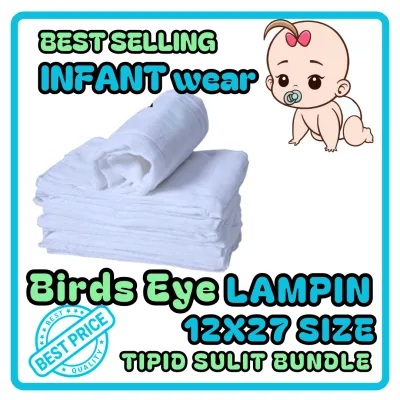
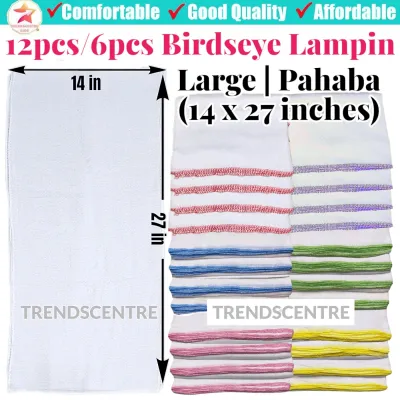
Organic cotton flats and prefolds represent the most traditional, durable, and low-impact diapering options available. A flat diaper is a large, single-layer square of woven fabric—the classic Filipino gauze lampin—that you fold around your baby and secure with a fastener. Prefolds are similar but feature a thicker, multi-layered center panel that provides targeted absorbency where your baby needs it most.
These traditional options are highly breathable and exceptionally durable, easily withstanding hundreds of high-temperature wash cycles without losing structural integrity. Because they unfold into a single layer of fabric, flat diapers dry incredibly fast, making them the most practical choice during the humid rainy season in the Philippines. They are also the most economical option, allowing you to build a complete newborn stash at a fraction of the cost of modern diaper systems.
However, flats and prefolds require a learning curve to master various folding techniques, such as the origami fold or the angel wing fold, to achieve a secure fit. They also lack a built-in waterproof layer, meaning you must pair them with a separate water-resistant diaper cover to protect clothing and bedding. Despite these minor inconveniences, they remain the gold standard for daytime diapering among budget-conscious, eco-friendly parents.
Bamboo Fitted Diapers
Bamboo fitted diapers are constructed entirely from absorbent bamboo fabric, shaped to mimic the contoured design of a modern disposable diaper. They feature built-in elasticized legs and waistbands, along with snap or hook-and-loop closures, eliminating the need for complex folding or separate fasteners. The entire diaper is absorbent, providing comprehensive coverage that easily contains heavy wetting.
Bamboo fabric is exceptionally soft and silky to the touch, making it incredibly gentle on sensitive newborn skin. It possesses high natural absorbency, holding significantly more moisture than standard cotton of equivalent thickness. This superior holding capacity makes fitted bamboo diapers an excellent choice for nighttime use or for babies who tend to wet heavily during sleep.
On the downside, the dense, multi-layered construction of fitted diapers means they take significantly longer to dry, often requiring a full day or more to line-dry completely in humid tropical weather. Additionally, because the entire diaper is absorbent, it will become wet on the outside and must be used with a separate waterproof cover. When purchasing, verify whether the manufacturer utilizes eco-friendly lyocell processing rather than intensive chemical viscose processing to ensure the diaper aligns with your environmental standards.
Hemp-Blend Inserts with Reusable Covers
Hemp-blend inserts are highly concentrated absorbent pads made from a mixture of hemp and organic cotton fibers. Hemp is one of the most sustainable crops on earth, requiring minimal water and no chemical pesticides to cultivate. When processed into textile fibers, hemp yields an incredibly durable material that naturally resists bacterial growth and unpleasant odors over extended use.
These inserts provide unmatched absorbency while maintaining a slim, low-profile fit that does not restrict your newborn’s natural leg movements. Because hemp absorbs moisture slowly but holds a vast amount of liquid, blending it with fast-absorbing organic cotton prevents compression leaks. This combination makes hemp-blend inserts ideal for older newborns, long car rides, or family outings where immediate changes might be challenging.
However, hemp fibers can feel somewhat stiff after line-drying, though they quickly soften once warmed by your baby’s body heat. They also require the longest drying time of all natural fibers, often needing a secondary turn on an indoor drying rack during the monsoon season. To use this system effectively, place the hemp-blend insert inside a wipeable, reusable diaper cover, allowing you to reuse the outer shell multiple times by simply replacing the wet insert at each change.
How to Wash and Dry Cloth Diapers in a Humid Climate
Maintaining a clean, hygienic diaper wash routine in the warm, humid climate of the Philippines is essential to prevent the growth of mildew, bacteria, and ammonia buildup. Always consult your diaper manufacturer’s specific care label before washing, as instructions may vary based on fiber blends and waterproof laminates. A standard, effective routine begins with a short, cold pre-wash cycle with a small amount of detergent to flush out organic waste, followed by a long, warm main wash cycle with a full dose of baby-safe detergent.
Select a biodegradable, fragrance-free detergent that does not contain fabric softeners, optical brighteners, or synthetic enzymes, as these additives can leave a chemical residue on the fibers. Over time, detergent residues coat the natural threads, clogging the fabric pores and causing the diapers to repel moisture instead of absorbing it. If you notice persistent odors or decreased absorbency, perform a residue check by soaking a clean, dry diaper in warm water to see if suds emerge.
Drying cloth diapers in high humidity requires strategic planning, especially during the rainy season. Whenever possible, take advantage of direct sunlight to dry your diapers outdoors. The sun’s ultraviolet rays serve as a natural sanitizer and a highly effective bleaching agent, lifting stubborn organic stains and eliminating lingering bacteria without the need for harsh chemical bleaches.
- Indoor Drying: During rainy days or periods of high humidity, hang diapers indoors on a well-ventilated drying rack positioned near an open window or a running electric fan to maintain constant airflow.
- Dehumidifiers: Operating a dehumidifier in your drying room can dramatically accelerate drying times, preventing the development of musty, sour odors.
- Air Circulation: Avoid packing wet diapers tightly on a drying rack; leave ample space between each item to maximize air circulation.
Proper storage of soiled diapers prior to washing day is critical to preventing mold. Store dirty diapers in a dry, highly ventilated laundry pail or a breathable mesh wet bag rather than an airtight plastic bucket. Keeping the container open to the air prevents heat and moisture from building up, which discourages mold spores from colonizing the damp natural fibers.
Frequently Asked Questions (FAQ)
How many eco-friendly cloth diapers do I need for a newborn?
For a newborn, you will generally need a stash of 24 to 30 cloth diapers if you plan to wash them every other day. Newborns typically require 10 to 12 diaper changes within a 24-hour period due to their frequent feeding and elimination patterns. Having a minimum of 24 diapers ensures you have enough clean replacements on hand while one batch is being washed and line-dried, which is particularly important during humid days when natural drying times are prolonged.
Are cloth diapers better for preventing newborn diaper rash?
Cloth diapers made from breathable natural fibers like organic cotton, bamboo, and hemp can help reduce the incidence of diaper rash by allowing air to circulate freely, keeping the skin cool. However, the most critical factor in preventing diaper rash is maintaining a clean, dry environment through frequent changes. Regardless of whether you use cloth or disposables, change your newborn immediately after they wet or bowel diaper to prevent skin irritation. If your baby develops a persistent, inflamed rash, stop using cloth temporarily, verify your wash routine for detergent buildup, and consult a qualified pediatrician or healthcare professional.
Community discussion
Share your experience or ask a question. Comments are reviewed before publication.