
When traveling across the Philippines with a baby or toddler, managing sudden bathroom emergencies is one of the most stressful challenges parents face. Whether you are stuck in bumper-to-bumper traffic along EDSA or driving along the long stretches of the North Luzon Expressway (NLEX), finding a clean, accessible restroom is never guaranteed. A reliable disposable pee bag serves as an essential, compact solution for these exact moments, allowing caregivers to manage their child’s needs cleanly and discreetly inside a vehicle or in public spaces.
Selecting the right travel gear requires balancing several practical factors, including how quickly the bag absorbs liquid, how effectively it seals in odors, and how easily it fits into a crowded diaper bag. Because infants and toddlers have different developmental needs, a design that works perfectly for a three-year-old may be entirely unsuitable for a younger baby. By understanding the underlying materials and structural designs of modern travel bags, you can keep your child clean, dry, and comfortable throughout any journey.
Quick Criteria for Selecting Travel Pee Bags
When evaluating disposable pee bags for travel, parents should prioritize three non-negotiable features: high-performance Super Absorbent Polymer (SAP) cores, secure post-use sealing mechanisms, and compact folding sizes. The SAP core is critical because it quickly solidifies liquid waste, preventing messy spills in tight spaces. Secure seals, such as heavy-duty zip-locks or reliable adhesive flaps, ensure that the waste remains contained until you can locate a proper disposal bin. Finally, a compact folding size allows you to pack multiple bags into a diaper backpack or glove compartment without sacrificing valuable space.
Products mentioned in this guide
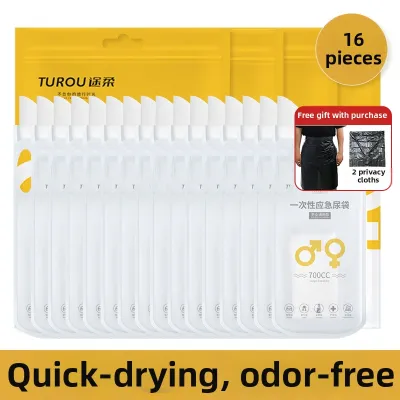
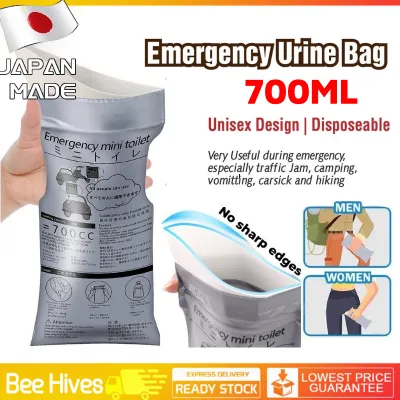
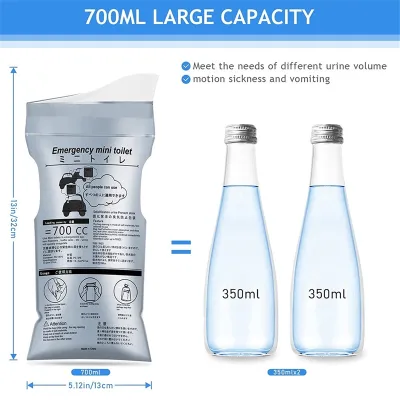
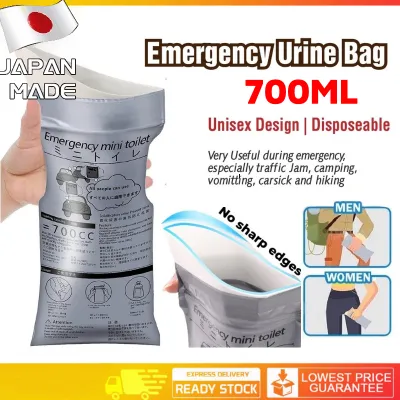
Prices are valid at publication and may change. Please refer to the product page for the latest price.
These features are especially vital when navigating the unique travel conditions of the Philippines. Long provincial trips, unpredictable road delays, and high humidity levels mean that any waste management solution must be highly reliable and odor-tight. A bag that leaks or fails to contain odors can quickly ruin a road trip and create an unsanitary environment inside your vehicle.
While many products are marketed as universal travel solutions, specific brand performance varies significantly. Caregivers must always verify the recommended age, weight, and capacity limits printed on the product packaging before use. Relying on a bag that is too small for your child’s developmental stage or bladder capacity increases the risk of structural failure and spills during transit.
Evaluating Absorbency and Leak-Proof Designs
To choose a reliable disposable bag, it helps to understand how the materials and construction work together to prevent leaks. Reading the product label carefully allows you to look past marketing claims and identify the structural elements that actually deliver performance.

Absorbent Core Materials and Capacity
The internal absorbent core is the most critical component of any disposable pee bag. Basic, lower-cost bags often rely on fluff pulp to absorb liquid. While fluff pulp can hold moisture, it behaves like a wet sponge; when subjected to pressure—such as a child shifting weight or a caregiver handling the bag—the liquid can easily squeeze out, leading to leaks.
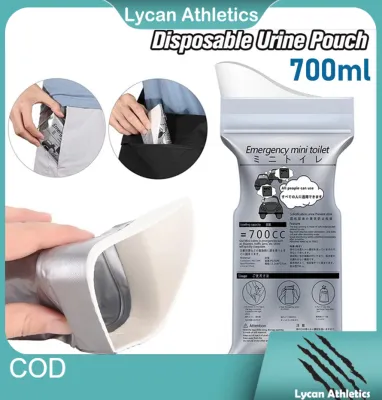
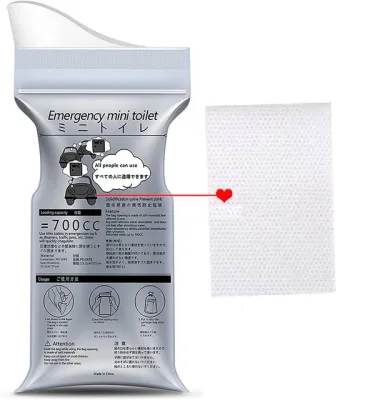
In contrast, high-quality travel bags utilize Super Absorbent Polymer (SAP) pads. SAP is a specialized material that chemically reacts with liquid upon contact, rapidly transforming urine into a stable, semi-solid gel. This gel-locking technology ensures that even if the bag is squeezed, dropped, or tipped over, the liquid remains trapped inside the molecular structure of the polymer.
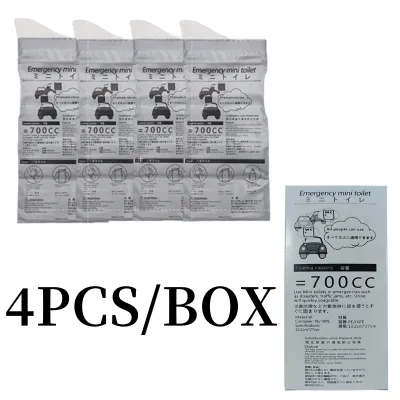
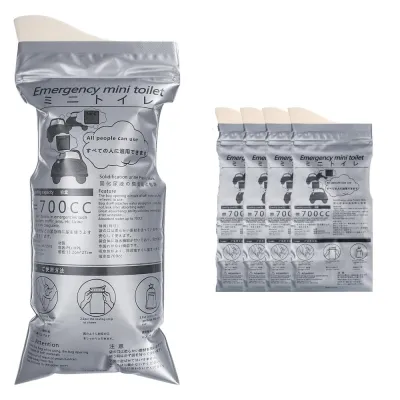
When shopping, always check the manufacturer-stated maximum capacity, which is typically measured in milliliters (ml). For reference, a toddler’s bladder capacity generally ranges from 100ml to 200ml, though this increases as they grow. Selecting a bag with a capacity well above your child’s typical output—such as 600ml or 700ml—provides a crucial safety margin, especially if you need to use the same bag for more than one brief stop or if your child has had a high fluid intake. Keep in mind that material names on packaging are not guaranteed indicators of real-world performance; instead of relying solely on brand names, look for detailed descriptions of multi-layer, leak-proof backing materials that prevent moisture from seeping through the outer plastic wall.
Sealing Mechanisms and Odor Control
Once the liquid is absorbed, the bag must be sealed securely to prevent spills and contain odors. Manufacturers generally use one of three sealing methods: zip-lock tracks, adhesive tape flaps, or heat-sealed edges. Zip-lock tracks offer a reliable, mechanical closure that you can physically feel snap shut, while adhesive flaps rely on strong glue to bond the plastic opening together. Heat-sealed edges provide a permanent bond along the sides of the bag, leaving only the top opening for the user to seal manually.
For added security in moving vehicles, some advanced designs feature an internal one-way valve or a built-in splash guard. A one-way valve allows liquid to enter the absorbent chamber easily but prevents it from flowing backward toward the opening, even if the bag is held upside down or dropped on the car floor. This feature is highly valuable when managing a child who is squirming or when driving over uneven road surfaces.
Odor control is another critical consideration, particularly in the warm, humid climate of the Philippines. High temperatures and humidity accelerate the breakdown of urea, which can cause unpleasant odors to intensify rapidly inside a closed vehicle. While some bags feature built-in odor-neutralizing powders or lightly scented materials, these are not always sufficient for long-term containment. Parents should plan to double-bag used items or use secondary, scent-proof disposal bags to ensure their travel environment remains fresh and hygienic.
Comparing Bag Shapes for Different Ages and Travel Setups
Disposable pee bags come in several distinct shapes, each tailored to specific developmental stages and travel scenarios. Choosing the wrong shape can make the process highly difficult and increase the likelihood of accidental spills.
Funnel-Shaped Bags with Splash Guards
Funnel-shaped bags are designed with an elongated, contoured neck and a rigid or semi-flexible opening that fits closely against the child’s body. The top of the funnel often features a soft foam or plastic rim that acts as an integrated splash guard, directing the flow of urine directly down into the absorbent pad while protecting the child’s skin and clothing from back-splash.
These bags are ideal for toddlers and older children who are able to stand or sit upright with minimal assistance. They are highly effective for quick roadside stops, use within the tight confines of a parked car, or as an emergency option when public restrooms lack clean facilities. Because they can be held directly against the body, they minimize the need for bulky equipment.
However, funnel-shaped designs have a clear limitation: they are generally unsuitable for newborns, infants, or very young toddlers who cannot sit upright or control their body position. Attempting to use a contoured funnel bag on a lying-down infant is highly likely to result in misalignment, leading to leaks and wet clothing.
Flat Pad-Style Bags and Potty Liners
Flat, open-top bags function similarly to a miniature, high-absorbency changing pad. They feature a wide, circular or rectangular opening lined with an absorbent sheet, allowing for a larger target area.
These bags are primarily designed to line portable, foldable travel potties. By stretching the bag over the seat of a folding potty frame, you create a stable, familiar toilet setup for your child anywhere. They can also be placed flat on a changing table or diaper bag surface during emergency diaper changes to catch unexpected streams.
While flat pad-style bags offer excellent versatility, they carry a higher risk of spilling if they are not supported by a structured container. Because the opening is wide and lacks a contoured funnel, caregivers must handle the open bag with extreme care after use, keeping it perfectly upright until it can be folded and sealed securely.
Integrated Disposable Potty Systems
Integrated disposable potty systems are all-in-one kits where the absorbent bag is pre-attached to a lightweight, collapsible frame made of sturdy cardboard or plastic. These systems fold completely flat for storage and pop open in seconds to create a self-supporting, miniature toilet.
The primary advantage of these integrated systems is their stability and convenience. Because the bag is held firmly in place by the structural frame, there is very little risk of the bag collapsing, sliding, or tipping over under the child’s weight. This makes them an excellent choice for outdoor activities, beach trips, or destinations where no flat surfaces or clean restrooms are available.
- Portability vs. Stability: While highly convenient, integrated systems are bulkier than simple flat bags or funnel-shaped packets, taking up more space in your travel luggage.
- Weight Limits: Cardboard and plastic frames have strict structural limits. Caregivers must verify the manufacturer's stated weight capacity to ensure the frame can safely support their growing toddler without collapsing.
- Assembly Time: Some models require minor folding and slotting of tabs before use, which can be challenging to manage during an urgent bathroom emergency.
Managing Hygiene and Disposal During Long Trips
Using disposable pee bags successfully during long road trips requires careful preparation, safe handling practices, and a clear plan for hygienic disposal, especially when traveling through areas with limited public facilities.
Preparation
Before you begin your journey, prepare several pee bags so they are ready for immediate use. Remove them from their outer retail packaging if necessary, but keep them folded in a clean, dry, and easily accessible pocket of your diaper bag. Before presenting the bag to your child, open the seal fully and gently spread the sides apart. Ensure that the internal SAP pad is lying flat at the bottom of the bag and is not folded over itself, as an improperly positioned pad cannot absorb liquid efficiently and may cause pooling.
In-Transit Use
Safety must always be your top priority when using travel pee bags in a vehicle. Never attempt to use a pee bag while the vehicle is in motion, as sudden braking, sharp turns, or bumps can cause injuries, slips, or major spills. Instead, pull over safely to a gas station parking lot, a designated layby, or a secure shoulder.
During use, the caregiver should maintain a firm, steady grip on both the child and the bag. Never leave a child unattended with a pee bag, as the plastic material poses a suffocation risk, and the chemical contents of the absorbent pad must never be ingested or touch the child’s eyes.
Post-Use Handling
Once your child has finished, carefully remove the bag and place it on a flat, stable surface if possible. Gently fold the top edges of the bag together to contain any residual moisture. If the bag has an adhesive strip, peel away the protective backing and press the seal firmly from one end to the other, ensuring there are no gaps or folds. For zip-lock designs, run your fingers along the track multiple times to confirm a complete seal. Gently press out excess air from the top portion of the bag without squeezing the lower section where the gel is concentrated, as excessive pressure can rupture the seams.
Disposal in Limited Facilities
In many parts of the Philippines, public trash bins can be scarce along provincial roads, or existing bins may be completely full. To handle this hygienically, always carry secondary, opaque, scented diaper disposal bags. Place the sealed pee bag inside the secondary bag and tie it tightly. This double-bagging method provides an extra layer of protection against accidental punctures, prevents any residual odor from escaping, and keeps the waste hidden from view until you reach an appropriate trash receptacle.
Hygiene
Immediately after sealing and storing the used bag, clean your hands and your child’s hands thoroughly. Use travel-sized antibacterial wipes to remove any physical residue, followed by a generous application of hand sanitizer containing at least 60% alcohol. This step is crucial to prevent the spread of bacteria, especially before handling food, drinks, or touching the baby’s face during the remainder of your trip.
Safety Boundary
If a pee bag leaks, tears, or fails to seal properly during use, stop using that specific batch immediately. Clean the affected skin or vehicle surfaces thoroughly with clean water and mild soap, then apply a skin-safe disinfectant. Uncontained urine can quickly cause skin irritation, diaper rash, or bacterial growth, particularly in hot and humid tropical conditions. If your child develops persistent skin redness, warmth, or signs of infection after exposure to a leak, consult a qualified healthcare professional.
Building a Complete On-the-Go Potty Kit
To make travel as seamless as possible, do not rely on disposable pee bags alone. Building a dedicated, well-organized on-the-go potty kit ensures you have all the necessary tools to handle any emergency cleanly and efficiently.
- Foldable Travel Potty: A lightweight, plastic folding potty ring provides a stable, familiar seating surface for toddlers. When paired with flat pad-style pee bags, it transforms any flat ground into a secure restroom. Always check the physical dimensions of your travel potty to ensure your chosen brand of disposable liners fits securely over the seat frame without slipping.
- Secondary Containment Bags: Opaque, scented diaper sacks are essential for double-bagging used pee bags. They seal in moisture and neutralize odors, allowing you to carry waste discreetly in your main backpack until you find a trash bin.
- Cleaning and Sanitizing Supplies: Pack a dedicated pouch containing alcohol-free baby wipes for sensitive skin, heavy-duty antibacterial surface wipes for cleaning accidental spills on car seats, paper towels for drying, and a reliable hand sanitizer.
- Comfort and Distraction Items: Unfamiliar environments, noisy roadside stops, or tight car interiors can make children anxious, making it difficult for them to go. Keep a small, easily washable toy, a pocket-sized picture book, or a familiar comforting object in your kit to help distract and relax your baby during the process.
Frequently Asked Questions (FAQ)
Can I reuse a disposable pee bag if my baby only pees a little?
No, you should never reuse a disposable pee bag under any circumstances. Once the Super Absorbent Polymer (SAP) core is exposed to moisture, its chemical structure begins to break down, and its ability to absorb subsequent liquid is severely compromised. Reusing a partially filled bag greatly increases the risk of leaks, structural failure, and accidental spills. Furthermore, leaving urine in a warm, humid environment encourages rapid bacterial growth and intense odors, posing a significant hygiene risk to both you and your child. Always discard the bag immediately after a single use.
Are pee bags safe for newborns with sensitive skin?
While the absorbent SAP pad is typically enclosed within a soft, non-woven fabric layer to prevent direct contact with the skin, caregivers must still exercise caution. A newborn’s skin barrier is exceptionally thin and highly sensitive to synthetic materials, friction, and moisture. Before using a pee bag, check the product packaging to verify if the materials are dermatologically tested, latex-free, and hypoallergenic. Avoid letting the plastic edges or the absorbent core touch your baby’s skin directly. If you notice any redness, chafing, or signs of skin irritation, discontinue use immediately and consult a pediatrician.
Community discussion
Share your experience or ask a question. Comments are reviewed before publication.