
Choosing the right drinking vessel for your two-year-old in the Philippines involves balancing developmental milestones, daily convenience, and hygiene. At this stage, toddlers are transitioning away from baby bottles to support their oral health and motor skills. The ideal choice depends on whether you need a spill-proof option for active outdoor play in the tropical heat or a training tool for family mealtimes at home. By comparing straw, sippy, and open cups, you can select a vessel that matches your child’s current abilities while keeping them safely hydrated.
Understanding Your 2-Year-Old's Hydration and Motor Skills
At two years old, toddlers experience rapid physical growth and cognitive development, which directly impacts how they interact with their environment. Fine motor skills are advancing quickly, allowing children to grasp handles, lift objects, and coordinate hand-to-mouth movements. However, the precise wrist rotation required to tilt a cup and drink without spilling is still a work in progress. When selecting a cup, parents must consider the weight and grip design of the vessel, ensuring it matches the child’s physical strength and hand size.
Oral motor development is another critical factor during this transitional phase. Drinking from a traditional baby bottle relies on a primitive sucking pattern where the tongue moves forward and backward. In contrast, drinking from cups and straws encourages mature oral habits, including lip closure, tongue retraction, and jaw stabilization. Transitioning away from the bottle helps promote proper dental alignment and supports the muscle coordination necessary for speech development. Introducing the right cup at this stage reinforces these essential oral motor patterns.
Products mentioned in this guide
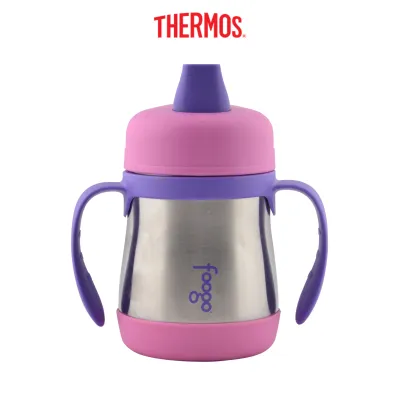
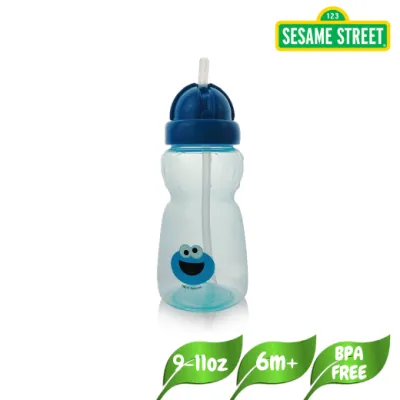
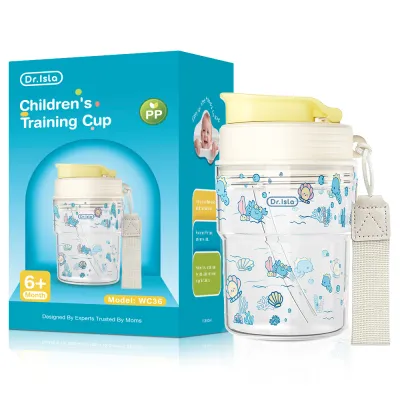
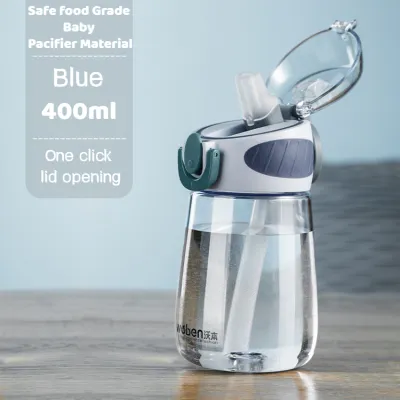
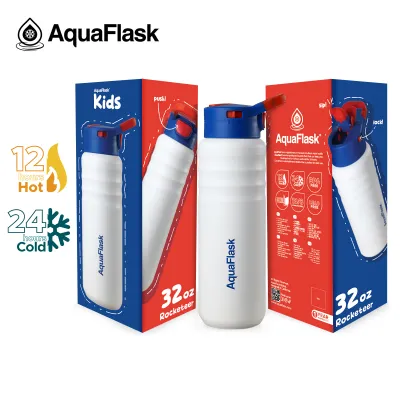
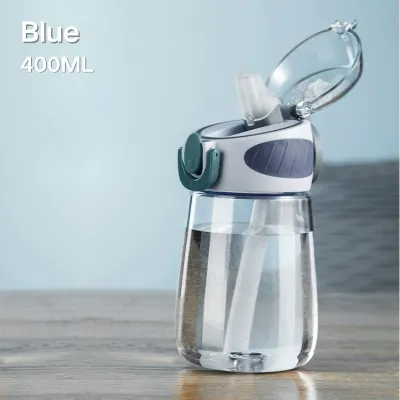
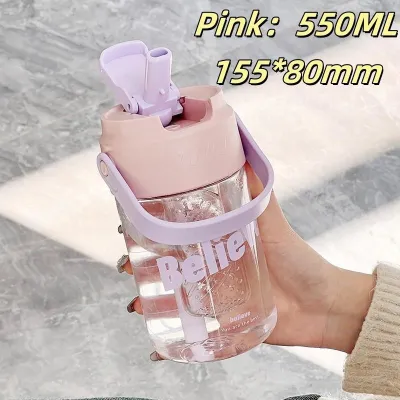
Prices are valid at publication and may change. Please refer to the product page for the latest price.
Every child develops at their own pace, and recognizing readiness signs can make the transition smoother. Your toddler may show interest in using an open cup by reaching for your glass during meals, or they might demonstrate the ability to hold a cup with both hands without immediately dropping it. Pacing the transition according to your child’s comfort level reduces frustration and helps them build confidence. Observing these subtle developmental cues allows you to introduce more advanced drinking vessels when your child is physically and emotionally ready.
Straw Cups, Sippy Cups, and Open Cups Compared
Evaluating the three primary types of toddler cups helps parents choose the most practical option for different daily scenarios. Each design offers distinct advantages and limitations regarding oral development, spill prevention, and ease of use.

Straw cups are highly recommended by pediatric specialists because they promote excellent oral motor habits. Drinking through a straw requires the toddler to seal their lips tightly and pull the tongue backward, which strengthens the cheeks and jaw. These cups are incredibly practical for active toddlers in the Philippines, especially during outdoor trips, stroller rides, or long commutes in warm weather. Many models feature weighted straws that move with the liquid, allowing the child to drink from any angle. However, straw cups can be challenging to clean thoroughly, and some designs require significant suction force, which might frustrate a tired toddler.
Sippy cups, featuring either soft silicone or hard plastic spouts, are a traditional favorite for spill prevention. They are highly durable and easy for small hands to hold, making them convenient for busy playrooms or travel. Soft spouts offer a familiar texture for toddlers transitioning directly from bottles, while hard spouts resist biting from teething toddlers. Despite their convenience, prolonged use of sippy cups can sometimes prolong infant-like sucking habits because the spout rests on the tongue. They serve as a helpful, temporary stepping stone for leak-free hydration but are generally not recommended as a long-term drinking solution.
Open cups represent the ultimate goal for toddler drinking development. Using an open cup teaches children how to judge liquid levels, control their hand movements, and use their lips to regulate the flow of water. This builds essential coordination and spatial awareness. While open cups are ideal for supervised use during family meals at the high chair, they carry a high risk of spills. Managing the inevitable mess requires patience, making open cups less suitable for unsupervised play or on-the-go hydration.
When assessing spill risks, parents must match the cup type to the environment. For active play areas, car seats, or bedroom use, a highly spill-resistant straw or sippy cup is essential to prevent water damage and sticky messes. For structured mealtimes at the dining table, an open training cup with a weighted base or a small silicone cup is ideal for practicing independent drinking skills under adult supervision.
| Cup Type | Primary Motor Skill | Spill Risk | Cleaning Complexity | Best Use Case |
|---|---|---|---|---|
| Straw Cup | Lip closure & tongue retraction | Low | High (requires straw brush) | Travel, outdoor play, and stroller rides |
| Sippy Cup | Basic grasping & tilting | Low | Medium (valves require attention) | Active play and quick transitions |
| Open Cup | Jaw stability & flow control | High | Low (dishwasher safe or easy handwash) | Supervised mealtimes at the table |
Essential Features to Evaluate Before Purchasing
Before purchasing any toddler drinking vessel, parents should carefully evaluate several key features to ensure safety, hygiene, and usability. Checking these details beforehand prevents common issues like mold growth, leaks, and toddler frustration.
Material safety is the first priority when selecting children’s tableware. Parents should verify that all cup components are labeled BPA-free and made from food-grade materials. Common safe options include high-quality plastics, food-grade silicone, and double-walled stainless steel. Stainless steel is particularly beneficial in the tropical climate of the Philippines, as it helps keep water cool and refreshing during hot afternoons. Always check the manufacturer’s packaging for age-appropriate certifications and safety standards to ensure the product is free from harmful chemicals.
Ease of disassembly and cleaning is crucial for maintaining hygiene, especially in warm, humid environments where bacteria and mold can multiply rapidly. Moisture trapped inside silicone valves, straw joints, and screw threads can quickly lead to black mold. Look for cups with minimal parts that can be completely taken apart for scrubbing. Avoid designs with complex, non-removable valves or deep crevices that are impossible to reach with a standard cleaning brush. Prioritize cups that are dishwasher-safe or easily cleaned with warm, soapy water and a dedicated straw brush.
Balancing leak-proof mechanisms with an appropriate flow rate is essential for a positive drinking experience. Many spill-proof cups utilize tight silicone valves that require strong suction to release liquid. If the valve is too restrictive, your toddler may become frustrated, tire quickly, or reject the cup altogether. Conversely, a cup with a flow rate that is too fast can cause choking or coughing. Look for adjustable valves or cups designed specifically for the developmental stage of a two-year-old, allowing a steady, manageable flow of liquid without requiring excessive effort.
Strategies for Transitioning from a 2-Year-Old Bottle
Transitioning a toddler from a traditional baby bottle to a cup requires patience, consistency, and a gradual approach. Avoid abrupt changes, which can cause anxiety and resistance, particularly if your child associates the bottle with comfort or bedtime routines.
Start by introducing the new cup during a low-stress time of day, such as midday lunch or snack time, when your child is fully awake and in a cooperative mood. Offer a small amount of water or breastmilk in the new cup alongside familiar foods. Once your toddler comfortably accepts the cup during the day, you can gradually replace the morning bottle, and finally, the evening bottle. Replacing one feeding at a time allows your child to adapt to the new drinking mechanism without feeling overwhelmed.
Managing toddler resistance is a common part of the weaning process. If your child demands their bottle, remain calm and offer positive reinforcement when they choose to use their new cup. You can make the transition exciting by letting your toddler choose their own cup color or design at the store. In the warm Philippine climate, keeping your child hydrated is essential, so ensure they have constant access to water throughout the day. If they refuse the cup, offer hydrating foods like fresh fruits while continuing to encourage small sips from the cup.
There are times when it is best to pause the transition and seek professional guidance. If your toddler consistently refuses all liquids from a cup, shows signs of dehydration—such as lethargy or fewer wet diapers—or experiences frequent choking and coughing while drinking, temporarily return to a familiar feeding method. Consult your pediatrician, a pediatric dentist, or a speech therapist to rule out any underlying physical discomfort, swallowing difficulties, or developmental hurdles before attempting the transition again.
Frequently Asked Questions (FAQ)
When should a toddler completely stop using a traditional bottle?
Pediatricians and pediatric dentists generally recommend weaning children from traditional baby bottles between 12 and 18 months of age, with a complete transition by age two. Prolonged bottle use past this stage can increase the risk of early childhood tooth decay, especially if milk pools around the teeth during sleep. It can also impact the alignment of the developing jaw and teeth, potentially leading to orthodontic issues later on. Observing readiness signs, such as your child sitting upright independently and showing interest in family tableware, can help you time the transition smoothly.
Are straw cups better for speech development than hard-spout sippy cups?
Many pediatric speech-language pathologists prefer straw cups and open cups over hard-spout sippy cups for supporting speech development. Drinking from a straw requires active lip closure, cheek strength, and tongue retraction, which are the same muscle movements used to produce clear speech sounds. Hard-spout sippy cups, on the other hand, often encourage a forward tongue position similar to the sucking motion used with a baby bottle, which does not promote mature oral motor patterns. If you have specific concerns about your child’s speech or swallowing abilities, consulting a qualified professional can provide personalized guidance.
Community discussion
Share your experience or ask a question. Comments are reviewed before publication.