
Selecting the right cradle cap cream for your baby in the Philippines requires balancing effective scale-softening properties with the unique demands of a warm, humid climate. Cradle cap, medically known as infantile seborrheic dermatitis, is a common and temporary skin condition characterized by oily, yellowish patches on an infant’s scalp. While it is generally harmless and often resolves on its own, a specialized cream can help safely loosen these stubborn crusts, making them easier to wash away. By understanding how to evaluate ingredients, verify product authenticity, and establish a gentle application routine, you can comfortably manage your baby’s scalp health without causing irritation.
Recognizing Cradle Cap and Deciding if a Cream is Needed
Before purchasing any topical treatment, it is essential to accurately identify cradle cap and determine whether your baby actually requires a dedicated cream. Cradle cap typically presents as thick, greasy, yellowish, or brownish scales that cling to the scalp. It may also appear as dry, flaky skin resembling dandruff, occasionally accompanied by mild pinkness underneath the patches. Unlike eczema or other pediatric skin conditions, cradle cap is generally not itchy, painful, or uncomfortable for the baby, and it is not a sign of poor hygiene or allergic reactions.
For very mild cases consisting of light, dry flaking, a specialized treatment cream may not be necessary. Regular washing with a mild, tear-free baby shampoo and gently brushing the scalp with a soft brush during bath time is often sufficient to manage minor buildup. The natural shedding process of the skin will gradually clear the remaining flakes over time without active intervention.
Products mentioned in this guide
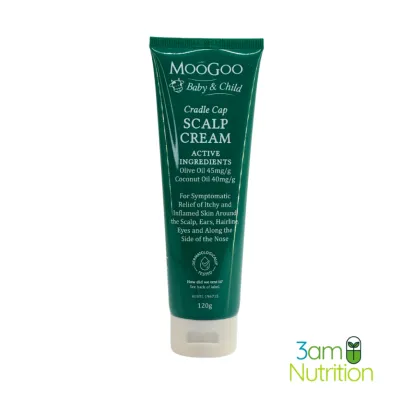
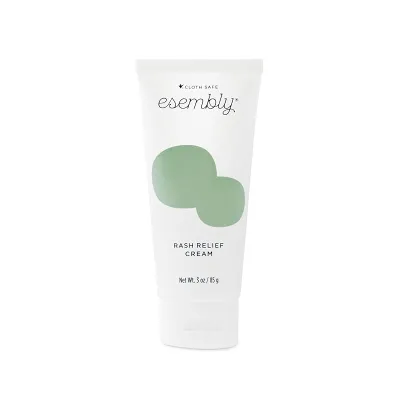
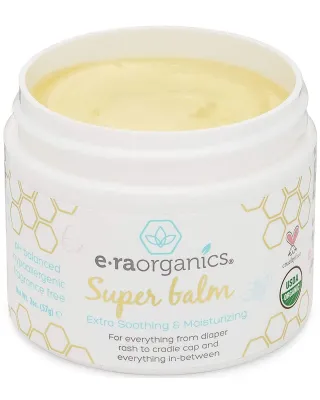
Prices are valid at publication and may change. Please refer to the product page for the latest price.
However, a dedicated cradle cap cream becomes highly beneficial when the scales are thick, stubborn, or cover large areas of the scalp. These creams are specifically formulated to penetrate the oily sebum bonds holding the dead skin cells together, softening the crusts so they can be removed without force. Using a targeted cream prevents the temptation to scratch or pick at the scales, which can damage the delicate skin underneath.
While cradle cap is a benign condition, parents must remain vigilant for signs that indicate a need to stop home care and seek professional medical advice. If the scalp skin becomes intensely red, swollen, warm to the touch, or begins to weep fluid or bleed, these are indicators of a potential secondary bacterial or fungal infection. Additionally, if the crusting spreads extensively beyond the scalp to the face, neck, behind the ears, or into the diaper area, you should consult a pediatrician for a proper diagnosis and targeted medical treatment.
Reading the Label: Safe and Effective Ingredients for Babies
Evaluating the ingredient list is the most critical step when choosing a cradle cap cream, as an infant’s skin barrier is significantly thinner and more permeable than an adult’s. Safe and effective formulations rely on gentle, plant-derived emollients and natural oils that mimic the skin’s natural lipids. Ingredients such as sunflower seed oil, borage seed oil, shea butter, and avocado polyphenols are excellent choices because they deeply moisturize and soften the crusty buildup without clogging pores or causing irritation.

Conversely, there are several ingredients that parents should strictly avoid in baby skincare products. Strong synthetic fragrances and artificial colorants are primary triggers for contact dermatitis and should be bypassed in favor of fragrance-free options. Harsh chemical preservatives, such as parabens and formaldehyde releasers, should also be avoided due to their potential to sensitize delicate skin. Furthermore, while natural remedies are popular, undiluted essential oils (such as tea tree or lavender oil) are highly concentrated and can cause severe skin irritation or allergic reactions on an infant’s sensitive scalp.
When reading product packaging, you will frequently encounter marketing claims such as “hypoallergenic” and “dermatologist-tested.” It is important to understand what these terms actually mean in practice. A hypoallergenic label indicates that the product has been formulated without common allergens, reducing the likelihood of an adverse reaction, but it does not serve as an absolute guarantee that your baby will not react to it. Similarly, “dermatologist-tested” means the product was evaluated under the supervision of a skin specialist, but it does not detail the specific testing parameters or results.
To ensure maximum safety, always perform a patch test before applying any new cream to your baby’s scalp. Apply a tiny amount of the product to a small, clean area of skin on the baby’s inner arm or leg and wait 24 hours. If any redness, swelling, or tiny bumps appear, discontinue use immediately and choose an alternative formulation.
How to Choose and Verify Products in the Philippines
Navigating the local market for baby skincare requires a practical approach to product verification, especially when purchasing through online marketplaces or local digital storefronts. Because counterfeit baby products can pose serious health risks, verifying authenticity is paramount. Always purchase from official brand stores, authorized distributors, or highly rated local pharmacies. Take time to read customer reviews, paying close attention to recent feedback regarding packaging quality, batch codes, and expiration dates, and avoid listings with unusually low prices or vague product descriptions.
To make an economically sound decision, parents should calculate and compare the price per milliliter (₱/ml) across different product sizes. Cradle cap creams are packaged in various volumes, ranging from small 40ml tubes to larger 150ml bottles. A larger bottle may have a higher upfront cost but often provides a lower price per milliliter, making it more cost-effective if you anticipate needing the treatment over several weeks. Divide the total price by the number of milliliters to determine the true value of each option.
Packaging design also plays a significant role in daily usability and hygiene. Squeeze tubes with flip-top caps are highly portable, protect the cream from air exposure, and prevent contamination. Pump dispensers are exceptionally convenient for bath time, allowing you to dispense the product easily with one hand while keeping your other hand safely on your baby. Avoid open-mouth jars, as dipping fingers repeatedly into the container can introduce bacteria and compromise the product’s preservative system over time.
Finally, always check the product label or the online seller’s product details for a local Food and Drug Administration (FDA) registration number or cosmetic notification. In the Philippines, official registration ensures that the product has undergone safety evaluations and complies with national quality standards. If a product lacks this registration or equivalent international safety notifications, it is best to avoid using it on your baby’s delicate skin.
Step-by-Step Application and Scalp Care Routine
Establishing a consistent and gentle scalp care routine is key to managing cradle cap effectively without causing distress to your baby. The standard application process begins by applying a small, pea-sized amount of the cradle cap cream directly onto the dry, affected areas of the scalp. Gently massage the cream into the scales using your fingertips, taking care not to rub too vigorously. Allow the cream to sit on the scalp for the duration recommended by the manufacturer—typically between 15 to 30 minutes—to give the emollients ample time to soften the crusts.
Once the cream has softened the scales, use a soft-bristled baby brush or a flexible silicone comb to gently loosen the flakes. Always brush in a gentle, circular motion, letting the bristles do the work. It is absolutely critical to avoid aggressive scraping, scratching, or picking at the scales with your fingernails or hard plastic combs. Forcing the scales off before they are fully softened can tear the delicate skin, causing pain, bleeding, and opening pathways for bacterial infections.
After brushing, thoroughly wash your baby’s scalp with a mild, tear-free baby shampoo and warm water. It is vital to rinse away all traces of both the loosened scales and the residual cream. In the hot and humid climate of the Philippines, leaving heavy oils or creams on the scalp can trap sweat and excess sebum, which can clog hair follicles and potentially worsen the cradle cap or lead to heat rash.
This routine should generally be performed once daily or a few times a week, depending on the severity of the buildup. As the scalp begins to clear and the scales diminish, gradually taper off the frequency of application. If at any point during the routine your baby develops a rash, increased redness, or signs of discomfort, stop using the product immediately, wash the area thoroughly with plain water, and consult your pediatrician.
Frequently Asked Questions (FAQ)
Can I use regular baby lotion instead of a specific cradle cap cream?
Regular baby lotions are designed to provide daily hydration to intact skin and are typically formulated with water-heavy bases that evaporate quickly. They do not contain the specific oil-soluble emollients required to penetrate and break down the thick, sticky sebum bonds that hold cradle cap scales to the scalp. A dedicated cradle cap cream is formulated with targeted, heavier lipids that remain on the skin long enough to soften stubborn crusts, making them significantly more effective for this specific condition than standard daily moisturizers.
How long does it typically take for cradle cap to clear up?
The timeframe for cradle cap to resolve varies widely from baby to baby. With consistent and correct use of a specialized cream and gentle brushing, mild cases may show significant improvement within a few days to two weeks. However, moderate to severe cases can persist or recur periodically for several months, as the baby’s sebaceous glands gradually mature and stabilize. If you see no visible improvement after three to four weeks of consistent care, or if the condition worsens, consult your pediatrician to rule out other skin issues.
Is it safe to use cradle cap cream on a baby's face or body?
Whether a cradle cap cream can be used on other parts of the body depends entirely on its specific formulation and the manufacturer’s instructions. Some gentle, multi-purpose creams are explicitly labeled as safe for use on the face, eyebrows, or behind the ears where cradle cap can also occur. However, other scalp-specific treatments are highly concentrated and heavy; applying them to the delicate skin of the face can clog pores, trap sweat, and cause localized breakouts or heat rash, particularly in humid tropical climates. Always verify the application zones permitted on the product label before applying it outside the scalp area.
Community discussion
Share your experience or ask a question. Comments are reviewed before publication.