
Tiled surfaces are a practical staple in many homes, particularly in tropical environments like the Philippines where ceramic, porcelain, and homogeneous tiles help keep indoor spaces cool and are easy to maintain. However, the sharp corners of tiled kitchen countertops, low wall partitions, and bathroom steps present a significant safety hazard for crawling babies and toddlers who are learning to navigate their environments. When baby-proofing these areas, choosing the right corner edge protector for tiles is crucial. The three most common materials available—foam, silicone, and rubber—each interact differently with the smooth, non-porous nature of tile surfaces.
Silicone generally offers the best balance of reliable adhesion on smooth, non-porous tile and adequate protection against sharp edges. Because silicone is naturally flexible and can be paired with high-clarity acrylic adhesives, it bonds exceptionally well to glossy tile glazes without sliding or peeling under normal conditions.
Foam provides maximum shock absorption for heavy impacts, making it the safest choice for high-fall-risk zones. However, because foam is thick and bulky, it is highly susceptible to the “lever effect”—where a child pulling on the protector easily breaks the adhesive bond, causing it to peel off glossy tiles over time.
Products mentioned in this guide
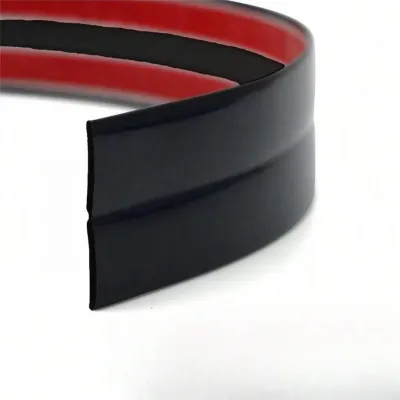
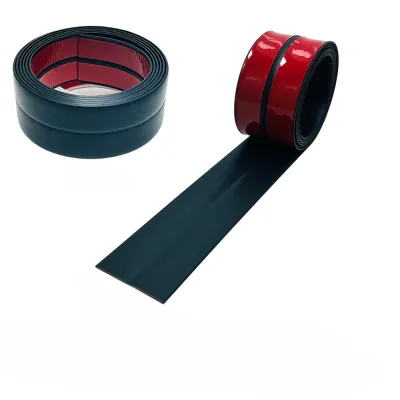
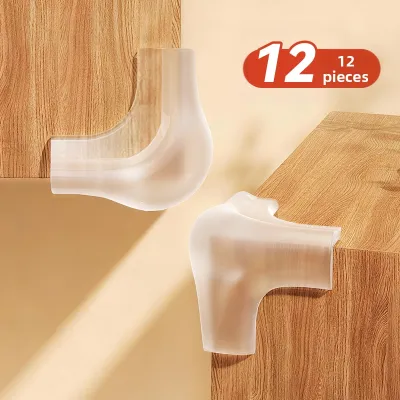
Prices are valid at publication and may change. Please refer to the product page for the latest price.
Rubber offers excellent durability and edge coverage, making it suitable for high-traffic areas. However, its dense weight requires incredibly strong adhesives, which can sometimes leave stubborn, hard-to-remove residue on delicate tile glazes or even risk lifting lower-quality glazes during removal.
Ultimately, the best choice depends on your specific tile finish (whether it is highly polished and glossy or matte and textured) and the primary hazard you are trying to mitigate (preventing sharp cuts versus absorbing heavy, blunt-force impacts).
Adhesion Performance on Smooth Tile Surfaces
Tiled surfaces present a unique physical challenge for standard pressure-sensitive adhesives. Unlike wood or drywall, which have microscopic pores that allow adhesives to grip, glazed tiles are completely non-porous and highly smooth. This lack of surface texture means that the adhesive must rely entirely on chemical adhesion and surface tension rather than mechanical interlocking. In a humid tropical climate, airborne moisture can easily seep behind poorly bonded materials, causing the adhesive to soften, slide, or peel away entirely.
Silicone corner protectors possess a natural physical affinity for smooth, non-porous surfaces. Because silicone is highly flexible and can be molded into incredibly thin, low-profile shapes, it exerts very little shear stress on its adhesive backing. When paired with high-quality, clear acrylic-based double-sided tapes, silicone protectors form a tight, moisture-resistant seal against the tile. The flexibility of the silicone allows it to bend and absorb the force of accidental bumps without transferring that energy directly to the adhesive bond, preventing the protector from sliding down vertical tile edges.
Foam protectors, usually made of Nitrile Butadiene Rubber (NBR) or Ethylene-Vinyl Acetate (EVA), present a different mechanical profile. While foam is highly cushioned, its sheer thickness and bulk work against its adhesion on glossy tiles. When a baby or toddler grabs a thick foam protector and pulls on it, the thickness of the material acts as a lever. This “lever effect” multiplies the force applied to the adhesive backing, pulling it away from the smooth tile surface at an angle. Because standard foam tapes have lower shear strength on non-porous glazes, foam protectors on glossy tiles are frequently peeled off by curious toddlers within a few weeks of installation.
Rubber corner protectors are dense, heavy, and firm. Because vulcanized rubber is significantly heavier than lightweight foam or flexible silicone, it requires an exceptionally strong adhesive backing to counteract gravity, especially when applied to vertical wall corners or tiled stair nosings. If the adhesive is not specifically formulated for heavy elastomeric materials, the constant downward pull of the rubber’s own weight, combined with high ambient humidity, can cause the protector to slowly sag and detach from the tile.
When selecting a corner edge protector for tiles, you should look beyond the protector material itself and carefully verify the type of adhesive tape included in the package. Heavy-duty, pressure-sensitive acrylic adhesives (often clear and gel-like) are far superior for tile surfaces compared to standard white foam double-sided tapes. Acrylic adhesives cure over time, creating a stronger, more moisture-resistant bond that can withstand both the humid climate and the persistent pulling of a curious child.
Impact Protection and Shock Absorption
The primary goal of installing a corner edge protector for tiles is to safeguard your child from painful injuries. However, the way each material handles the physics of an impact varies dramatically based on its density, thickness, and cellular structure.

Foam (EVA/NBR) is the undisputed leader in shock absorption and impact dissipation. NBR foam is composed of millions of microscopic, air-filled closed cells. When a child falls against a foam-protected edge, these cells compress, absorbing the kinetic energy of the impact and distributing it over a wider surface area and a longer duration. This deceleration significantly reduces the peak force transmitted to the child’s body or head. For high-risk areas where a child is likely to fall heavily—such as low-lying tiled coffee tables, tiled hearths, or the sharp edges of tiled kitchen islands—thick foam protectors offer the highest level of safety against blunt-force trauma, despite their bulky appearance.
Silicone provides a moderate level of shock absorption. Because silicone is an elastomer, it is highly effective at deflecting sharp edges and preventing cuts, lacerations, and skin tears. If a toddler bumps their forehead against a silicone-covered tile corner, the material will prevent the sharp point of the tile from breaking the skin. However, because silicone is much denser and thinner than foam, it has less “give.” Under a heavy, high-velocity impact, a silicone protector can “bottom out,” meaning the material compresses fully, allowing a portion of the hard impact force to pass through to the child. It is best suited for preventing superficial injuries on medium-height surfaces like tiled countertops or wall corners.
Rubber corner protectors are extremely dense and firm, offering excellent structural durability. They are highly effective at covering sharp, uneven tile edges and preventing skin tearing. However, rubber lacks the airy, cushioned “bounce” of NBR foam. An impact against a heavy rubber protector will still feel quite firm to a child, though it remains significantly safer than hitting bare, unshielded tile. Rubber is highly resilient and does not degrade under heavy wear, making it an excellent choice for areas where durability is prioritized over soft cushioning.
While these safety accessories are vital tools for baby-proofing, caregivers must recognize that no corner edge protector for tiles can eliminate all risks of injury. Child safety requires continuous, active adult supervision. It is important to regularly assess your child’s developmental stage—such as when they begin pulling themselves up to stand, cruising along furniture, or running—and adjust your home-proofing strategy accordingly. If a child experiences a severe fall or head impact on a tiled surface, do not rely on the presence of a protector as a guarantee of safety; immediately consult a qualified healthcare professional to check for signs of concussion or internal injury.
Aesthetics, Residue, and Tile Surface Safety
Baby-proofing often introduces a visual compromise into a carefully designed home. Tiled areas, especially in modern kitchens and bathrooms, are chosen for their clean lines, elegant glaze finishes, and aesthetic appeal.
Silicone protectors offer a distinct aesthetic advantage because they are frequently manufactured in clear, translucent, or semi-transparent finishes. This transparency allows the natural color, pattern, and grout lines of your tiles to remain visible, minimizing the visual clutter of baby-proofing. The low-profile design of silicone blends seamlessly into the background, making it highly desirable for open-plan living spaces and high-end tiled kitchens. In contrast, foam and rubber protectors are opaque and usually come in solid, block colors like brown, grey, black, or off-white. While these bold colors can act as a helpful visual warning for adults, they can disrupt the visual flow of a beautifully tiled room and may look visually heavy or outdated.
The long-term impact on your tile surfaces is another critical consideration, particularly when it comes to removing the protectors once your child has outgrown the need for them. High-quality silicone protectors paired with premium acrylic tapes typically peel off cleanly from non-porous tile glazes. Because the glaze of a ceramic or porcelain tile is essentially a layer of liquid glass fused to the clay body, it is highly resistant to chemical penetration, allowing the adhesive to release its grip under steady, peeling pressure. Foam protectors, however, often use cheaper, high-tack foam tapes that degrade over time. When you attempt to remove old foam protectors, the tape frequently splits down the middle, leaving behind a stubborn, unsightly layer of dried adhesive and shredded foam welded to the tile glaze.
To preserve the integrity and shine of your tiles, you must avoid using abrasive scrubbers (such as steel wool or harsh scouring pads) or aggressive chemical solvents (like pure acetone or highly acidic cleaners) to remove stubborn adhesive residue. These harsh materials can permanently scratch, dull, or etch the delicate glaze of ceramic and porcelain tiles, leaving permanent matte spots. Instead, opt for safe, non-abrasive removal methods. Applying a small amount of mild cooking oil (such as coconut or canola oil), warm soapy water, or a specialized, surface-safe citrus-based adhesive remover can safely break down the adhesive polymers without damaging the underlying tile.
Before applying any adhesive protector to your tiles, it is highly recommended to perform a quick spot test. Apply a small piece of the adhesive tape to a hidden or spare tile first, leave it for 24 hours, and remove it to ensure that the adhesive does not react unexpectedly with your tile’s specific finish, glaze, or sealant. Always check both the tile manufacturer’s care instructions and the adhesive product’s label before application.
Decision Framework: Which Material Should You Choose?
Selecting the perfect corner edge protector for tiles requires balancing safety needs, aesthetic preferences, and the specific characteristics of your tiled surfaces. To simplify your decision, consider the following targeted recommendations:
Choose Silicone if:
- Aesthetics are a priority: You want a discreet, low-profile safety solution that preserves the visual appeal of your tiled kitchen countertops, bathroom vanities, or living room walls.
- The primary risk is sharp edges: Your main goal is to prevent cuts, scrapes, and lacerations from sharp, pointed tile corners rather than cushioning heavy, high-velocity falls.
- You have highly polished, glossy tiles: The smooth, glass-like glaze of polished porcelain or ceramic tiles provides the ideal surface for silicone's micro-adhesion and flexible backing.
Choose Foam if:
- Maximum shock absorption is required: You are baby-proofing low-lying tiled surfaces, such as hearths, low wall partitions, or tiled coffee tables, where a falling toddler could strike their head with significant force.
- You prioritize safety over style: You are willing to accept a bulkier, opaque, and highly visible protector in exchange for the deep, air-cushioned impact protection that only NBR or EVA foam can provide.
- The surface finish is matte or semi-gloss: These finishes offer slightly more surface texture, which can help standard foam adhesives grip better, provided the protector is kept out of reach of persistent pulling.
Choose Rubber if:
- You need heavy-duty durability: The tiled area is located in a high-traffic zone, an outdoor dirty kitchen, or a semi-commercial space where the protector will be subjected to frequent bumps, scrapes, and heavy wear.
- You require long-lasting edge coverage: The sharp edges are highly exposed to the elements or physical impact, and you do not mind a utilitarian, industrial look.
Verify First if:
- Your tiles are heavily textured, uneven, or rustic: Natural stone tiles, slate, or rustic textured porcelain tiles present uneven surfaces that prevent standard double-sided tapes from making full contact. In these cases, standard adhesives are highly likely to fail, and you may need to consult a professional or seek specialized mounting solutions.
- The tiles have been recently sealed: Freshly applied tile sealants can react with adhesives, causing them to fail or leaving permanent stains. Always ensure sealants are fully cured according to the manufacturer's instructions before applying any baby-proofing products.
Installation and Maintenance on Tile Surfaces
The longevity and effectiveness of any corner edge protector for tiles depend heavily on the quality of the installation process. Even the highest-rated adhesive will fail prematurely if applied to an unprepared surface, especially in the high humidity and warm temperatures typical of tropical climates.
To ensure a secure and lasting bond, begin by thoroughly preparing the tile surface. Clean the targeted corner with rubbing alcohol (isopropyl or ethyl alcohol) to remove all traces of dust, grease, cooking oils, soap scum, and moisture. Avoid using standard household glass cleaners or multi-purpose sprays, as these often leave behind a thin chemical residue that prevents the adhesive from bonding fully. Allow the tile to dry completely before proceeding; even a microscopic layer of trapped moisture will compromise the adhesive.
When applying the protector, peel off the adhesive backing and position the guard carefully. Press down firmly along the entire length of the protector, applying steady, even pressure with your hands for at least 30 to 60 seconds. This pressure activates the adhesive, forcing it to conform to the microscopic contours of the tile surface. Once applied, it is absolutely critical to wait 24 to 48 hours before allowing children near the area. This curing window allows the adhesive polymers to cross-link and establish a permanent, high-strength bond with the non-porous tile glaze.
Given the humid climate, regular maintenance is essential. Inspect your corner protectors weekly for any signs of peeling edges, lifting corners, or dirt accumulation. Moisture from daily cleaning or high humidity can slowly degrade the adhesive over time. If you notice a corner starting to lift, replace the adhesive tape immediately to prevent a curious child from pulling the entire protector off and putting it in their mouth, which can present a choking hazard.
When it is eventually time to remove the corner protector, do not rip it off forcefully, as this can leave heavy residue or damage delicate tile glazes. Instead, use a handheld hairdryer on a low heat setting to gently warm the protector. The heat will soften the adhesive, allowing you to slowly peel the guard away from the tile. Avoid using sharp metal knives or scrapers that could easily scratch or chip the tile glaze.
Frequently Asked Questions (FAQ)
Can I use super glue or clear nail polish to keep edge protectors on tiles?
No, you should strongly advise against using super glue, epoxy, or clear nail polish to secure corner protectors to your tiles. These strong chemical adhesives contain solvents that can permanently etch, discolor, or dissolve the protective glaze of ceramic and porcelain tiles. Furthermore, super glue cures into a brittle, rock-hard state that makes future removal nearly impossible without chipping or cracking the tile itself. Using non-approved chemical adhesives also introduces unnecessary chemical hazards into a child’s environment. Always stick to manufacturer-approved, pressure-sensitive double-sided mounting tapes designed for clean, damage-free removal.
Do clear silicone protectors turn yellow on white tiles?
Yes, clear silicone protectors and their accompanying transparent adhesive tapes can turn yellow over time, especially when applied to white or light-colored tiles where the discoloration is highly visible. This yellowing is primarily caused by prolonged exposure to ultraviolet (UV) light from nearby windows, as well as reaction with certain harsh household cleaning chemicals or cooking grease. To minimize this aesthetic issue, look for silicone protectors that are explicitly labeled as UV-resistant, and avoid using bleach-based or highly acidic cleaners directly on or around the protectors. Reading recent user reviews can also help you verify the long-term clarity of a specific product before purchasing.
Community discussion
Share your experience or ask a question. Comments are reviewed before publication.