
Starting the weaning journey is a major milestone for families in the Philippines. When a baby boy shows signs of readiness for solid foods, selecting a complete food set for baby boy that balances safety, durability, and developmental support becomes a priority for parents. A complete set typically bundles essential items—such as suction plates, deep bowls, ergonomic utensils, and transition cups—to streamline meal preparation and self-feeding practice.
Because baby tableware directly contacts food and undergoes frequent washing, selecting the right materials is crucial. The ideal set must withstand drops from high chairs, resist staining from local ingredients like squash or sweet potato, and remain hygienic in a warm, tropical climate. By focusing on safety certifications, ergonomic designs, and durable materials, caregivers can establish a secure, engaging, and stress-free dining environment that fosters independent eating habits.
How to Choose the Right Food Set for Your Baby Boy
Selecting baby tableware involves evaluating several practical and developmental criteria. The primary decision dimensions for any weaning set are suction strength, material safety, and ergonomic design. High suction strength is critical during the early stages of self-feeding, as babies naturally explore their environment by grabbing, pulling, and throwing objects. A plate or bowl that remains firmly anchored to the high chair tray reduces spills, minimizes food waste, and allows the child to focus on scooping food rather than chasing a sliding dish. Ergonomic design is equally important; utensils and cups must fit the physical proportions of tiny hands to encourage the development of fine motor skills.
Products mentioned in this guide
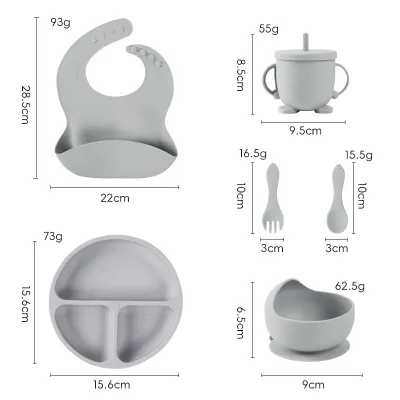
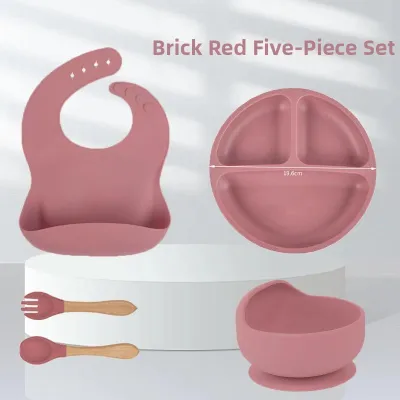
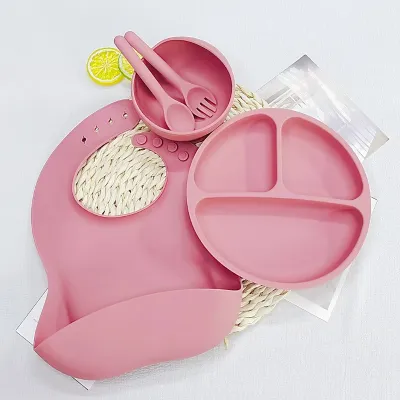
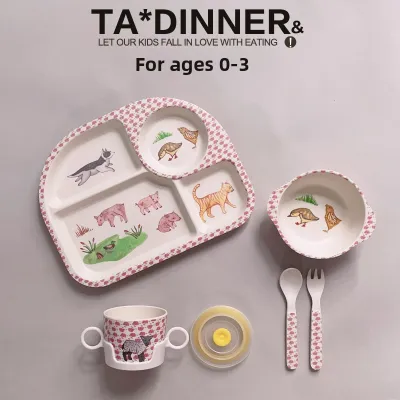

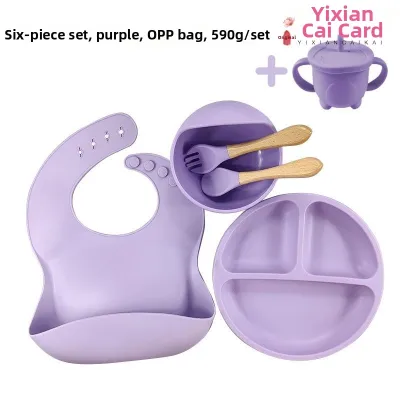
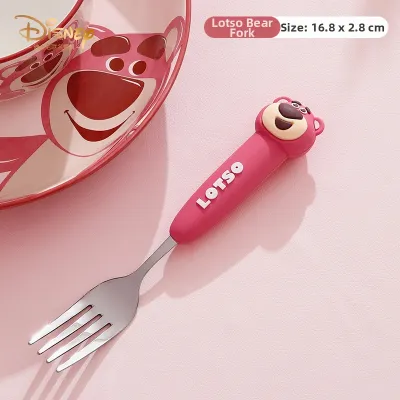

Prices are valid at publication and may change. Please refer to the product page for the latest price.
Caregivers must actively verify manufacturer labels for food-grade safety rather than assuming all commercial baby products are automatically safe. Look for explicit declarations on the packaging indicating that the product is free from potentially harmful chemical compounds, such as Bisphenol A (BPA), Polyvinyl Chloride (PVC), and phthalates. These substances are synthetic plasticizers and chemical stabilizers that can leach into food, especially when exposed to heat. Checking for verified food-grade certifications ensures that the materials used are non-toxic, chemically stable, and safe for daily contact with warm foods.
It is also essential to consult the manufacturer’s recommended age and developmental stage guidelines before introducing a food set. While starting solids typically begins around six months of age, every child develops at an individual pace. Some infants may display readiness signs slightly earlier or later. Before introducing any tableware or solid foods, caregivers should observe whether the baby can sit upright with minimal support, maintain steady head control, and show active interest in family meals. Consulting a pediatrician before starting the weaning process provides personalized guidance tailored to the baby’s specific growth and developmental profile.
While functionality and safety must always remain the primary drivers of your purchase, aesthetic choices can play a supportive role in encouraging mealtime engagement. Selecting colors or patterns that appeal to your baby boy—such as soft blues, sage greens, neutral earth tones, or designs featuring friendly animals and vehicles—can make the high chair environment feel welcoming and distinct. Visual stimulation helps create a positive association with mealtime, transforming eating into an interactive and pleasant routine. However, ensure that any decorative elements are integrated into the material itself and will not peel, chip, or degrade over time with repeated washing.
Recommended Types of Complete Food Sets for Weaning
Food-Grade Silicone Suction Sets
Food-grade silicone has become a highly popular material for baby tableware due to its flexibility, drop-resistance, and soft texture. Silicone suction sets are particularly effective at preventing plate flipping during early, messy mealtimes. The material possesses a natural elasticity that cushions impacts, ensuring that plates and bowls will not crack, chip, or shatter when dropped onto hard tile floors. Additionally, silicone is gentle on sensitive gums, making it an excellent material for teething infants who may chew on the edges of their bowls or utensils.

When purchasing silicone tableware, caregivers must check the product’s heat-resistance limits and microwave or dishwasher safety labels on the packaging. Although high-quality silicone generally tolerates temperature extremes, chemical compositions can vary between brands. Some silicone blends are reinforced with plastic fillers that reduce heat tolerance and may degrade or warp under high temperatures. Always verify that the manufacturer explicitly labels the item as safe for microwave heating and dishwasher sterilization before exposing it to these appliances.
One characteristic of silicone is its tendency to retain food odors or soap residue if not washed and dried properly. Over time, oils from food or fragrances from dishwashing liquids can cling to the porous surface of standard silicone, resulting in an unpleasant soapy taste during subsequent meals. To minimize this issue, look for indications that the product is made from high-quality, platinum-cured silicone, which undergoes a more refined curing process that results in a denser, less porous material. Cleaning with fragrance-free, baby-safe detergents and occasionally baking the silicone in a conventional oven according to manufacturer instructions can also help eliminate lingering residues.
Stainless Steel Meal Sets
Stainless steel is an exceptional alternative for parents seeking maximum durability and long-term hygiene. Unlike plastics or silicone, stainless steel is entirely non-porous, meaning it does not retain food odors, absorb oils, or stain when exposed to vibrant foods like tomato sauce or carrots. It is highly resistant to scratches and physical wear, making it virtually indestructible. This longevity allows stainless steel sets to transition easily from infancy to toddlerhood and beyond.
When evaluating stainless steel options, it is important to verify the specific grade of steel used in the product specifications. Look for labels indicating 304 or 316 food-grade stainless steel. These specific grades contain combinations of chromium and nickel that provide superior resistance to corrosion, rust, and chemical leaching from acidic foods. Avoid generic metal sets that do not specify the grade of steel, as lower-quality metals may rust or degrade after repeated exposure to moisture and washing.
Because metal is an excellent heat conductor, stainless steel can become hot to the touch very quickly when filled with warm purees or soups. To prevent burning the baby’s hands or lips, check if the stainless steel set includes a protective, outer insulating layer made from polypropylene (PP) or silicone. This double-walled construction keeps the exterior cool and safe for the infant to handle while maintaining the temperature of the food inside. Ensure that these outer sleeves are easily removable so that moisture does not get trapped between the layers during washing.
Bamboo and Plant-Based Sets
Bamboo and plant-based fiber sets appeal to environmentally conscious parents looking for lightweight, biodegradable, and aesthetically pleasing tableware. These sets are crafted from natural materials, offering a rustic look that blends seamlessly with modern home decor. They are exceptionally lightweight, making them easy for infants to lift and manipulate as they practice self-feeding.
However, natural materials carry crucial safety boundaries that require careful reading of care instructions. Many bamboo-fiber plates and bowls are not made of solid wood; instead, they are manufactured by binding pulverized bamboo fibers together using synthetic binders, such as melamine resin. Caregivers must check the product details to ensure these binders are certified food-safe and used within safe temperature limits. Because melamine-bound materials can release chemical substances when heated, these sets should never be placed in the microwave, oven, or exposed to boiling liquids.
Furthermore, natural materials require strict adherence to the manufacturer’s drying and oiling guidelines to prevent structural damage. In the humid, tropical climate of the Philippines, organic fibers are highly susceptible to moisture absorption, which can lead to cracking, warping, or the growth of mold and mildew. To maintain the integrity of solid bamboo plates, they must be hand-washed, dried immediately, and occasionally treated with food-grade mineral oil to preserve the wood’s protective barrier.
Must-Have Components in a Complete Weaning Set
A complete weaning set should provide all the necessary tools to support a baby boy’s transition to solid foods. Understanding the specific function of each component helps parents verify whether a bundle offers genuine utility or contains unnecessary items.
- Portion Plates: Divided plates are highly effective for introducing new textures and keeping food groups separate. Many infants prefer their foods not to touch, and divided sections allow caregivers to present proteins, carbohydrates, and vegetables clearly. This separation encourages sensory exploration, as the baby can identify and taste each ingredient individually. Portion plates also serve as a visual guide for parents to ensure balanced meal portions.
- Deep Bowls: A bowl with steep, vertical, or slightly curved inner walls is essential for the early stages of weaning. When a baby is learning to use a spoon, they lack the wrist control required to scoop food upward. A deep bowl with a suction base provides a stable barrier that the baby can push food against, making it much easier to guide purees, cereals, and semi-solids onto the spoon.
- Ergonomic Utensils: Standard adult spoons are too long, narrow, and deep for an infant's mouth and developing motor skills. Weaning spoons and forks should feature short, thick, and textured handles that accommodate a baby’s natural palmar grasp (using the whole fist) or early pincer grasp. The spoon bowl should be shallow and made of soft silicone to protect sensitive gums, while fork tines should be rounded and blunt to prevent accidental self-injury.
- Transition Cups: Learning to drink from a cup is a distinct developmental skill that supports oral-motor coordination. A complete set should include a beginner cup, such as a spill-proof straw cup or a weighted open cup. Weighted straw cups allow the baby to drink from any angle, even when tilted, which prevents frustration. Open cups with wide bases or dual handles help infants practice the tipping motion required for independent drinking while minimizing spills.
Safety, Cleaning, and Maintenance in a Tropical Climate
Thorough Drying
The high humidity and warm temperatures of the Philippines create an environment where mold, mildew, and bacteria can multiply rapidly on damp surfaces. After washing, caregivers must ensure that every component of the weaning set is completely air-dried before storage. Pay close attention to hidden crevices, such as the undersides of suction bases, the interior of straw valves, and the joints where different materials meet. Avoid storing damp tableware in closed, unventilated cabinets, as trapped moisture will encourage fungal growth. Instead, utilize a well-ventilated drying rack placed in an airy location.
Routine Inspection
Before every meal, perform a quick visual and physical inspection of each item in the food set to ensure it remains safe for use. Over time, wear and tear can compromise the structural integrity of these products:
- Silicone: Check for tears, deep bite marks, or a sticky texture. Discard silicone items immediately if they show signs of tearing, as loose pieces can become choking hazards.
- Bamboo and Wood: Inspect for cracks, splinters, or dark spots that indicate mold growth. Discard any natural material that has cracked or developed mold, as these crevices cannot be thoroughly sanitized.
- Stainless Steel: Look for deep scratches or pitting on the inner surface. Deep scratches can harbor bacterial biofilms that resist standard washing, so damaged metal items should be retired from food service.
Sterilization Limits
While keeping baby tableware clean is vital, caregivers must strictly follow the manufacturer’s specified sterilization methods to avoid damaging the materials. Exposing non-heat-resistant plastics, natural bamboo binders, or low-grade silicone to high temperatures—whether through boiling water, steam sterilizers, or UV cabinets—can degrade the material’s molecular structure. This degradation can cause warping, cracking, or the release of chemical byproducts. Always verify the maximum temperature limit on the product packaging. If care instructions conflict with a specific sterilization appliance, default to hand-washing with warm, soapy water and air-drying.
Frequently Asked Questions (FAQ)
When is the right time to introduce a complete food set?
While six months is the general developmental guideline for starting solids, parents must look for individual physical readiness signs rather than relying solely on age. Your baby boy is ready to begin using a food set when he can sit upright with minimal support, maintain excellent head and neck control, and display curiosity about food by reaching for items on your plate. It is highly recommended to consult a pediatrician or a pediatric occupational therapist to confirm readiness, particularly if your baby was born prematurely or has underlying health conditions.
Are suction plates really necessary for baby boys?
Suction plates are not strictly mandatory, but they are highly practical tools that significantly reduce mealtime mess and frustration. During the initial months of weaning, infants naturally swipe at objects on their trays; a non-suction plate will almost certainly be flipped or thrown, leading to spilled food and interrupted meals. A strong suction base keeps the plate secure, allowing the baby to focus on developing hand-eye coordination. As your baby boy grows, refines his motor skills, and learns table manners—typically between 12 and 18 months—you can gradually transition him to standard, non-suction tableware.
Community discussion
Share your experience or ask a question. Comments are reviewed before publication.