
Feeding your baby is a deeply bonding experience, but it can also be physically demanding. If you are recovering from a Caesarean delivery, nursing twins, or managing chronic back pain, the physical strain of holding a baby for hours each day increases significantly. Finding the right breast feeding pillow shape is not just about comfort; it is about protecting your body while ensuring your baby has a stable, secure position to latch.
Different feeding situations require distinct structural designs. A pillow shape that works well for a standard feeding setup might press painfully against a healing incision or fail to support the weight of two babies at once. By matching your specific physical needs to the correct pillow geometry, you can reduce muscle strain, protect sensitive areas, and create a more relaxed feeding routine.
Quick Guide to Matching Pillow Shapes to Your Needs
Breastfeeding pillows come in several primary shapes, including C-shape, U-shape, and wedge designs. Each shape interacts differently with your body mechanics. A classic C-shape wraps closely around the front of your waist, providing a immediate platform directly in front of you. A wider U-shape often extends further along your sides, offering lateral support for your elbows and accommodating different feeding angles. Wedge pillows are compact, angled cushions designed to slide under specific areas to provide targeted elevation.
Products mentioned in this guide
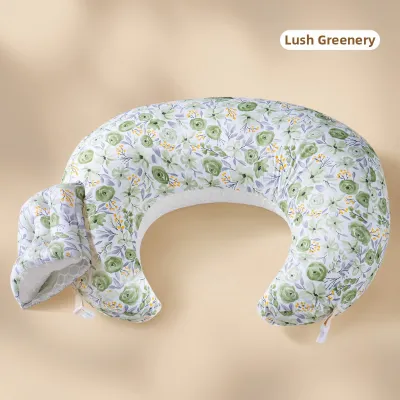
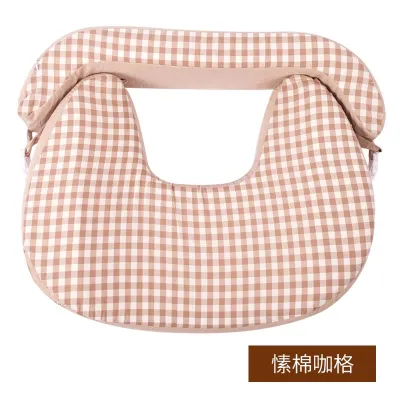


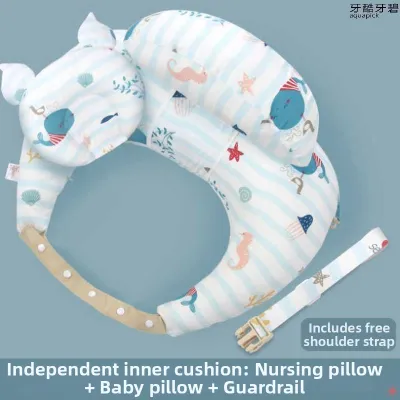
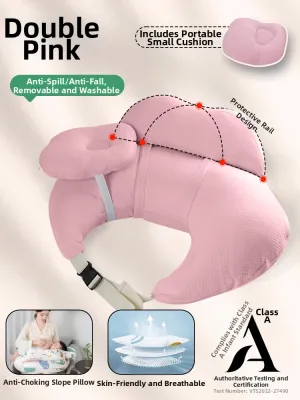

Prices are valid at publication and may change. Please refer to the product page for the latest price.
To identify the right shape for your primary challenge, consider where you need the most support. If your main goal is protecting a sensitive abdomen, you need a shape that can be secured high and away from your lower waist. If you are feeding multiples, you require a wide, flat, and highly stable surface that extends on both sides of your body. For back pain, the priority is adjustable height that prevents you from leaning forward.
When multiple physical challenges overlap, always prioritize healing and acute pain relief first. For example, if you are recovering from a C-section and also experiencing mild back strain, choose a pillow shape that fully protects your incision. You can then address back comfort by using separate household cushions for lumbar support rather than compromising on the shape of your nursing pillow.
C-Section Recovery: Protecting Your Incision
Recovering from a Caesarean delivery requires keeping all pressure off your lower abdomen while your incision heals. Standard pillows often slip down during a feeding session, resting directly on the sensitive scar line. A firm, wrap-around U-shaped pillow with an adjustable strap is highly effective for C-section recovery because it can be clipped securely around your torso, high above your waist, preventing the cushion from shifting downward.

When evaluating pillows for C-section recovery, look for firm foam cores rather than soft, plush fiberfill. A firm pillow maintains its height under the baby’s weight, ensuring the baby does not sink down and press against your abdomen. Adjustable straps or back buckles are essential features; they allow you to customize the snugness of the fit so the pillow stays exactly where you position it without needing constant manual adjustment.
In the warm, humid climate of the Philippines, keeping a healing incision dry and clean is vital for preventing irritation. Choose a pillow with a highly breathable, moisture-wicking cover made from natural fibers like cotton or bamboo. This helps prevent sweat buildup between your skin and the pillow during long, warm afternoon feeding sessions.
Before you begin feeding, perform a quick positioning check. Sit fully upright in a supportive chair and secure the pillow high enough so that your baby’s nose is level with your nipple. Your baby should rest comfortably on the firm surface without you needing to hunch forward or pull the baby closer with your abdominal muscles.
Nursing Twins: Supporting Dual Weight and Angles
Feeding twins simultaneously requires a substantial, stable surface area that can accommodate two babies at different angles. Standard single-baby pillows are simply not wide enough, often leaving one or both babies sliding off the edges. Specialized twin nursing pillows feature an extended, extra-wide U-shape or a large double-width platform that wraps completely around your sides, providing equal support on both the left and right.
Thickness and structural firmness are critical when supporting the combined weight of twins. Soft pillows will sag under the dual load, causing the babies to roll inward toward your body or sink into the gaps. Look for high-density foam options that maintain a flat, level surface, allowing you to position both babies in the football hold or a double-cradle hold with ease.
Before purchasing, check the total wrap circumference of the pillow to ensure it fits securely around your waist without leaving gaps. A loose fit can cause the babies to slip down between your body and the pillow, which disrupts their latch and strains your arms as you try to hold them in place. While specialized twin pillows may require a higher initial investment in ₱, the structural support they offer is essential for a sustainable tandem feeding routine.
Back Pain Relief: Promoting Upright Posture
Hunching over to meet your baby is the primary cause of nursing-related back, neck, and shoulder strain. To prevent this, your nursing pillow must bring the baby up to your breast level, rather than requiring you to lean down to the baby. Wedge pillows or adjustable, multi-piece pillows are excellent for back pain relief because they allow you to customize the height and angle of the support.
Adjustable multi-piece pillows feature stackable layers that you can add or remove as your baby grows or as your seating position changes. This flexibility ensures you can always maintain a neutral spine, keeping your shoulders relaxed and your head upright. If you use a wedge pillow, it can be slid under a standard nursing pillow to lift one side, or placed behind your back to provide targeted lumbar support.
Do not rely solely on the nursing pillow’s built-in back wrap to solve back issues. For complete relief, combine your breastfeeding pillow with a dedicated ergonomic chair or a separate, firm lumbar cushion placed behind your lower back. This dual-support system ensures your spine is supported from behind while your arms and baby are supported in front.
Pay close attention to observable signs of physical strain during feeding. If you find yourself lifting your shoulders toward your ears, leaning your torso forward, or feeling a dull ache in your lower back after a session, your current pillow shape is not providing adequate height. Adjust the layers or slide a rolled-up towel underneath the pillow to elevate the baby until your posture is completely upright.
Cross-Scenario Compatibility and Final Selection
Choosing between a highly specialized pillow and a versatile standard shape depends on your long-term goals and living space. Highly specialized shapes, such as rigid twin platforms or multi-layered adjustable pillows, offer excellent targeted support but can be bulky to store and difficult to transport. Standard U-shaped pillows are more compact and versatile, often transitioning easily into tummy-time props or sitting supports as your baby grows, though they may require extra manual adjustments during feeding.
Always evaluate the manufacturer’s product labels and specifications before making a final selection. Check the recommended weight limits, age ranges, and intended use cases to ensure the pillow matches your baby’s current developmental stage. Be sure to verify if the materials used are hypoallergenic and free from harsh chemical treatments, which is especially important for sensitive newborn skin.
When you first bring your breastfeeding pillow home, use this practical checklist during your first few feeding sessions to ensure a proper fit:
- Torso Fit: Does the pillow fit snugly against your waist without leaving gaps where the baby could slide down?
- Height Check: Does the baby rest at breast level without you needing to lean forward or shrug your shoulders?
- Stability: Does the pillow remain level and secure when you place your baby on it, or does it sag and tilt?
- Incision Safety: If you had a C-section, does the pillow frame sit completely clear of your healing scar?
- Portability: Can you easily position, adjust, and buckle the pillow using only one hand while holding your baby?
Safety Checks and Manufacturer Guidelines
Regardless of the pillow shape you choose, safety must always be your top priority. Never leave your baby unattended on a breastfeeding pillow. These products are designed strictly for supported feeding under active caregiver supervision and are not safe for infant sleep, lounging, or unsupervised play.
Always verify the manufacturer’s stated age, weight, and developmental stage limits before use. As your baby grows and gains head control, their positioning needs will change, and they may eventually outgrow the structural support of a newborn-focused pillow.
If you experience persistent physical pain, or if your baby struggles to maintain a deep, comfortable latch despite using a supportive pillow, stop use and consult a qualified healthcare provider or a certified lactation consultant. A pillow is a supportive tool, but it cannot replace professional medical advice or personalized lactation guidance.
Frequently Asked Questions (FAQ)
Can I use a regular bed pillow instead of a shaped breastfeeding pillow?
While a regular bed pillow can provide temporary support, it lacks the structural firmness and specialized shape required for consistent, safe feeding. Standard bed pillows are designed to compress easily under weight, which often causes the baby to sink down, forcing you to hunch forward and strain your back. Additionally, loose bed pillows can easily shift or slide away from your body during a feeding session, creating gaps that compromise your baby’s positioning and safety.
How do I clean a breastfeeding pillow if it gets stained during feeding?
Spills, spit-up, and sweat are common during feeding, making regular cleaning essential. Always check the manufacturer’s care label on both the outer cover and the inner cushion before cleaning. Most high-quality breastfeeding pillows feature a removable, machine-washable cover that can be laundered on a gentle cycle. For the inner foam or fiberfill core, spot cleaning with a damp cloth and mild, baby-safe detergent is typically recommended, as machine washing the core can warp the shape and destroy the structural firmness of the pillow.
Community discussion
Share your experience or ask a question. Comments are reviewed before publication.