
Choosing the right bra pads for breastfeeding is one of the most practical steps you can take to ensure comfort, confidence, and skin health during your lactation journey. For breastfeeding mothers in the Philippines, this decision is heavily influenced by the local climate. The combination of high heat and intense tropical humidity means that a nursing pad must do more than just block leaks; it must also allow your skin to breathe to prevent painful chafing, irritation, and fungal infections. Finding a product that balances reliable absorbency with a lightweight, breathable design is essential for keeping your skin dry and comfortable throughout the day.
Every mother’s breastfeeding experience is unique, meaning the ideal nursing pad will vary depending on your daily milk production, skin sensitivity, and lifestyle. Some mothers experience heavy let-downs that require maximum-capacity disposable pads, while others prefer the soft, eco-friendly, and cost-effective nature of washable cloth pads. By understanding the distinct advantages of each option and knowing what specific features to look for on product labels, you can make an informed choice that keeps you feeling dry, secure, and comfortable in any setting.
Quick Guide: Choosing the Right Bra Pads for Breastfeeding
Nursing pads, commonly referred to as bra pads for breastfeeding, serve as a protective barrier between your sensitive skin and your clothing. Their primary job is to absorb leaked breast milk, which frequently occurs during let-downs, between feeding sessions, or overnight. Without a reliable pad, milk can easily soak through your nursing bra and shirt, leaving visible damp spots and causing physical discomfort.
Products mentioned in this guide
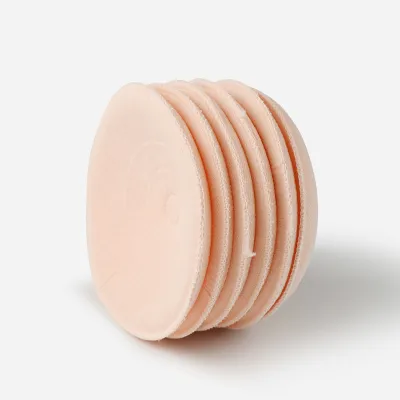
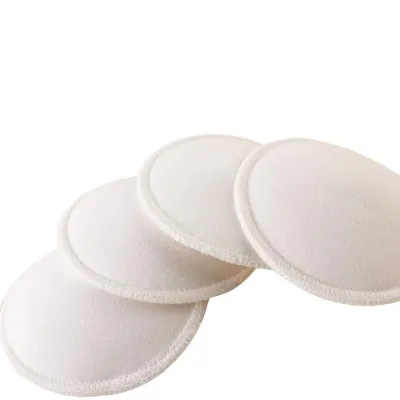
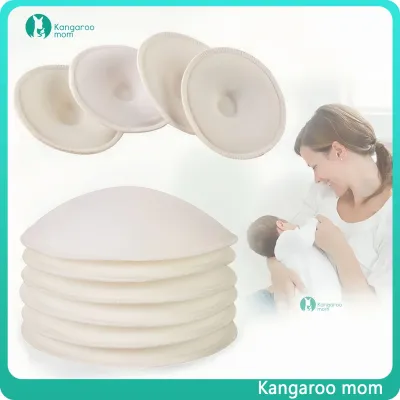
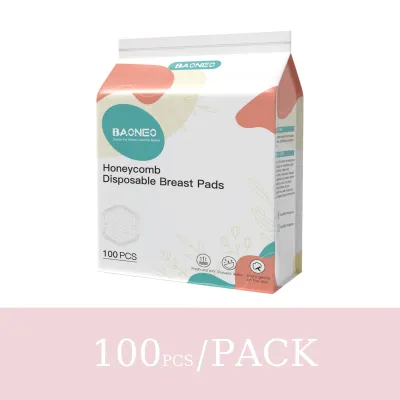
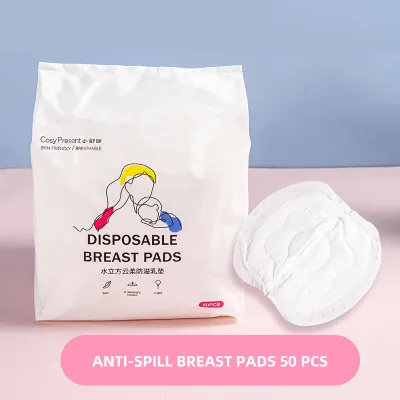
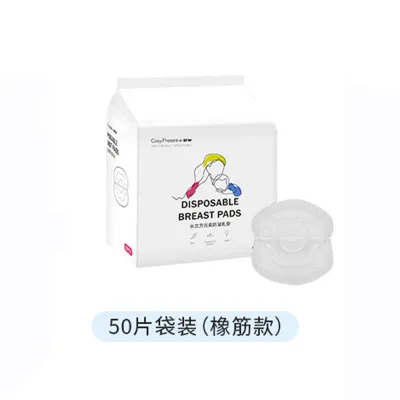
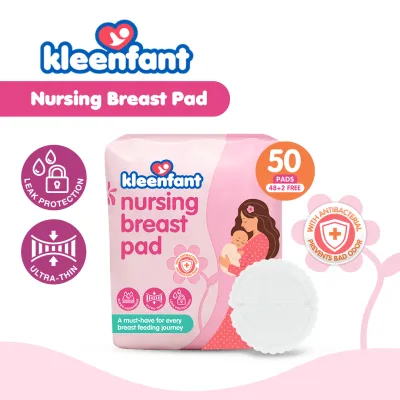
Prices are valid at publication and may change. Please refer to the product page for the latest price.
For mothers navigating the tropical climate of the Philippines, three core pillars should guide your selection process: high absorbency, breathable comfort, and local availability. High absorbency is crucial for managing unexpected milk surges, especially during the early weeks when your supply is still regulating. Breathability is equally vital; trapped moisture combined with high ambient heat creates a humid microclimate against your skin, which can lead to soreness or yeast infections. Finally, choosing brands that are readily available in local pharmacies, baby boutiques, or trusted online platforms ensures you can easily replenish your supply without long shipping delays.
Ultimately, the best nursing pad is the one that aligns with your body’s patterns and daily routine. A mother who works in an air-conditioned office may prioritize a discreet, ultra-thin profile under professional wear, while a stay-at-home mother might value the soft, reusable nature of washable organic cotton. Evaluating your specific needs will help you decide whether to invest in disposables, washables, or a combination of both.
Disposable vs. Washable Nursing Pads: Finding Your Best Fit
Before diving into specific brands, the first major decision you must make is choosing between disposable and washable nursing pads. Both options have distinct structural designs, financial implications, and environmental impacts that can shape your daily breastfeeding experience.

Disposable Nursing Pads
Disposable nursing pads are single-use products designed for maximum convenience and rapid absorption. They typically feature a superabsorbent polymer core that pulls liquid away from the surface, turning it into a gel to keep your skin dry. Because they are individually wrapped, they are highly hygienic and easy to pack in a diaper bag, making them an excellent choice for travel, busy days outside the home, or the unpredictable early weeks postpartum when leaking is often at its peak.
While the convenience of throwing away a damp pad is undeniable, disposables do come with long-term trade-offs. Over a breastfeeding journey that lasts several months or years, the recurring cost of purchasing boxes of disposable pads can accumulate into a significant expense. Additionally, because they are single-use items containing synthetic materials and plastic backings, they contribute steady waste to local landfills, which is an important consideration for eco-conscious families.
Reusable and Washable Nursing Pads
Reusable nursing pads are cloth discs made from natural or synthetic fibers, such as bamboo, organic cotton, or microfiber, designed to be washed and worn repeatedly. Many mothers prefer washable pads because they are incredibly soft against highly sensitive or cracked nipples, offering a gentle texture that disposable paper pads rarely match. From a financial perspective, investing in a few high-quality packs of washable pads can save you thousands of pesos over the course of your breastfeeding journey.
However, reusable pads require a commitment to regular maintenance. In a humid climate like the Philippines, washing and drying cloth pads thoroughly is critical; any lingering dampness can quickly encourage the growth of mold, mildew, or bacteria. During the rainy season, when outdoor line-drying is slow, you may need a larger rotation of pads or access to a mechanical dryer to ensure they are completely dry before use. Additionally, cloth pads tend to be slightly thicker and may not absorb massive, sudden let-downs as quickly as premium disposable polymer cores.
Essential Features to Check on Product Labels
When shopping for bra pads for breastfeeding, it is easy to get overwhelmed by marketing claims. To find a product that truly performs, you should look past the front-of-pack slogans and carefully verify the technical specifications and material lists on the product label.
- Absorbency and Leak Protection: Look for disposable pads that explicitly mention a multi-layer core, often utilizing superabsorbent polymers (SAP). This technology locks moisture deep inside the pad, keeping the surface dry against your skin. For both disposable and washable options, verify the presence of a waterproof or water-resistant outer backing (often made of polyurethane laminate or breathable plastic film) to ensure that absorbed milk cannot seep through to your bra and outer clothing.
- Breathability and Profile: In hot weather, a non-breathable pad acts like a plastic wrap, trapping sweat and milk against your skin. Look for labels that specify a "breathable outer sheet" or "micro-porous backing" that allows air to circulate while keeping liquid contained. Additionally, check for contoured, 3D, or contoured-cup designs; these shapes mimic the natural curve of your breast, preventing the pad from bunching up or showing visible ridges under fitted shirts.
- Adhesive Strips: For disposable pads, check the number and quality of the adhesive backing strips. Pads with dual or extra-wide adhesive tapes secure much better to the inside of your nursing bra, preventing the pad from shifting, folding over, or slipping out of place when you pull your bra cup down to feed. Secure positioning is vital for preventing friction against sensitive nipple tissue.
- Skin Sensitivity and Materials: Your baby's mouth will contact your breast directly after the pad is removed, making material safety paramount. Look for pads that are certified fragrance-free, hypoallergenic, and chlorine-free. If you have sensitive skin, prioritize top sheets made of ultra-soft, non-woven materials, or look for organic cotton and bamboo fibers in washable options to minimize the risk of contact dermatitis.
Top Nursing Pad Recommendations by Breastfeeding Need
To help you find the right match, we have compiled a list of highly regarded nursing pads available in the Philippines. These selections represent popular, reliable options that can be verified through official brand stores, local pharmacies, or major online marketplaces.
Best for Heavy Leaking and Overnight Use
For mothers experiencing a heavy milk supply or looking for reliable overnight protection, Pigeon Honeycomb Disposable Breast Pads are a highly dependable choice. These pads feature a unique honeycomb lining that quickly absorbs milk and disperses it evenly across the core, trapping moisture away from the skin. The ultra-absorbent polymer core ensures that even heavy let-downs are locked in, reducing the risk of waking up with damp sheets.
- Why it fits: The advanced honeycomb structure provides rapid absorption and a dry surface feel, while dual adhesive strips keep the pad securely in place throughout the night.
- Limitations: Because they are designed for high capacity, they are slightly thicker than ultra-thin daytime alternatives, which may make them marginally more visible under thin, tight clothing.
- Where to verify: Available at major local pharmacies like Watsons, baby specialty stores like Baby Company, and official online brand stores.
Best for Sensitive Skin and Comfort
Mothers prone to nipple soreness or skin irritation often find relief with dacco Mama Feel Breast Pads. This premium Japanese brand is highly regarded for its exceptionally soft, cushion-like top sheet, which minimizes friction against tender skin. The materials are carefully selected to be gentle and hypoallergenic, making them suitable for mothers recovering from early-stage breastfeeding soreness.
- Why it fits: The incredibly soft, high-quality material reduces rubbing and irritation, while the breathable back sheet helps maintain skin health in warm weather.
- Limitations: These premium pads sit at a higher price point per piece compared to standard budget disposables, making them a more significant ongoing investment.
- Where to verify: Found in select high-end baby boutiques, specialty maternity shops, and authorized online distributors in the Philippines.
Best Eco-Friendly and Budget-Friendly (Washable)
For a sustainable, cost-effective option, reusable bamboo nursing pads (such as those offered by local eco-friendly baby brands or imported organic lines) are highly recommended. These pads typically feature layers of ultra-soft bamboo rayon against the skin, an absorbent microfiber core, and a waterproof outer layer to prevent leaks. Bamboo is naturally breathable and highly absorbent, making it an excellent material for reusable breast pads.
- Why it fits: They are highly economical over time, environmentally friendly, and exceptionally soft. They can be washed along with your baby’s laundry.
- Limitations: They require diligent washing and can take longer to dry completely in humid Philippine weather. They may also feel slightly bulkier than disposable options.
- Where to verify: Available through local zero-waste shops, specialized baby boutiques, and reputable online marketplaces.
Best for Discreet Wear Under Fitted Clothes
If you are returning to work or attending social events where you want a completely seamless look, Lansinoh Ultra Thin Disposable Breast Pads are an outstanding option. Engineered to be incredibly thin while maintaining reliable absorbency, these pads feature a contoured shape that hugs the breast naturally, ensuring they remain completely invisible even under fitted professional wear or light fabrics.
- Why it fits: The ultra-low profile and locked-in side seams prevent bunching, offering maximum discretion without sacrificing basic leak protection.
- Limitations: Because they are designed to be ultra-thin, they have a lower total fluid capacity than heavy-duty overnight pads and will require more frequent changes during heavy let-downs.
- Where to verify: Available in major baby stores, select department stores, and official online retail channels.
Hygiene and Safe Usage Practices for Nursing Pads
Using high-quality bra pads for breastfeeding is only half the battle; practicing proper hygiene is crucial for protecting your health and ensuring a safe feeding environment for your baby. Neglecting simple care steps can lead to skin breakdown and painful infections.
- Changing Frequency: You should change your nursing pads as soon as they feel damp or wet, regardless of whether they have reached their maximum capacity. Leaving a damp pad against your breast creates a warm, dark, and moist environment. This is the perfect breeding ground for bacteria and fungi, which can lead to nipple thrush (a painful yeast infection) or mastitis (a painful inflammation of the breast tissue).
- Washing Reusables: When laundering washable cloth pads, rinse them in cold water first to remove milk proteins, then wash them with a gentle, fragrance-free baby detergent. Avoid fabric softeners, as they leave a residue that severely reduces the absorbency of the fibers. Most importantly, ensure the pads are 100% dry before wearing them again; even a tiny amount of internal moisture can harbor mold.
- When to Stop and Consult: Nursing pads are designed to manage leaks, not to treat medical issues. If you experience persistent nipple pain, deep breast pain, intense itching, visible cracking, bleeding, or shiny red skin, stop using your current pads immediately. These symptoms may indicate an active infection like thrush or severe skin irritation. Consult a certified lactation consultant or your healthcare provider right away for proper diagnosis and treatment.
Frequently Asked Questions (FAQ)
How many nursing pads do I need per day?
Your daily usage depends heavily on your stage of breastfeeding and your individual milk supply. During the early postpartum weeks, when your milk supply is regulating and let-downs can be frequent and unpredictable, you may need to change your pads 4 to 6 times a day (8 to 12 individual pads). Once your supply stabilizes to match your baby’s feeding schedule, your leaking will likely decrease, and you may only need 1 to 2 pairs of pads per day to manage minor dampness.
Can I use regular makeup remover pads or panty liners instead?
It is highly discouraged to use makeup remover pads or panty liners as substitutes for nursing pads. Panty liners and makeup pads are not contoured to fit the breast, meaning they will bunch up, shift, and fail to provide adequate coverage. More importantly, panty liners often contain strong adhesives, synthetic fragrances, and chemical absorbents that are not safe for direct contact with sensitive nipple tissue or areas where your baby’s mouth will latch.
When should I stop using nursing pads?
Most mothers can gradually stop using nursing pads once their milk supply has fully regulated and they no longer experience spontaneous leaking between feeds. This regulation typically occurs anywhere from a few weeks to a few months postpartum. However, you may still want to keep a small stash of pads on hand for specific situations, such as returning to work, going for long stretches without pumping, or during the gradual process of weaning your baby.
Community discussion
Share your experience or ask a question. Comments are reviewed before publication.