
Selecting the right bottle storage organizer during the weaning transition requires a system that adapts to a rapidly changing mix of baby gear. As your baby moves from standard milk bottles to training cups, your kitchen counter must suddenly accommodate wide-necked sippy cups, straw cups, bulky handles, and complex multi-part lids. A high-quality, flexible organizer prevents countertop clutter, ensures sanitary air circulation, and keeps transition drinkware organized and hygienic.
During this developmental milestone, standard newborn drying racks with fixed, narrow pegs often fail to hold wider training cups securely. By choosing an organizer with modular components, efficient drainage, and protective features, you can maintain a clean, orderly kitchen while keeping your child’s transition drinkware safe from mold and pests.
Why You Need a Flexible Organizer During the Weaning Transition
The transition from exclusive bottle feeding to solid foods and training cups introduces a diverse collection of tableware into your daily washing routine. Instead of uniform, cylindrical milk bottles, you are suddenly managing a chaotic assortment of straw cups, 360-degree rim cups, weighted straw mechanisms, and small weaning bowls. This sudden influx of mismatched shapes can quickly overwhelm standard kitchen setups.
Products mentioned in this guide
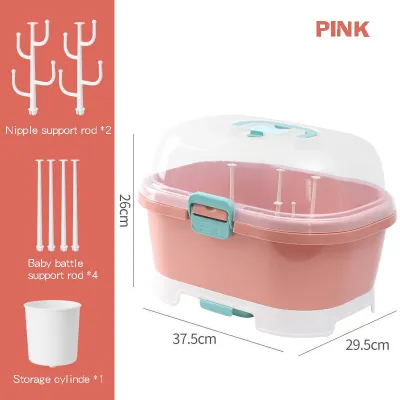
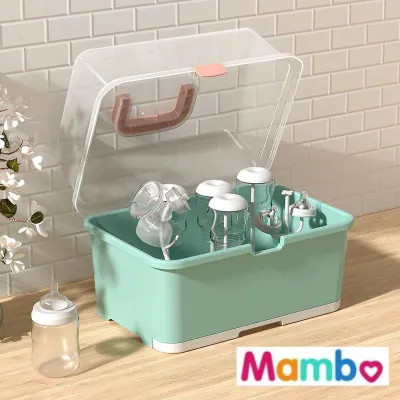
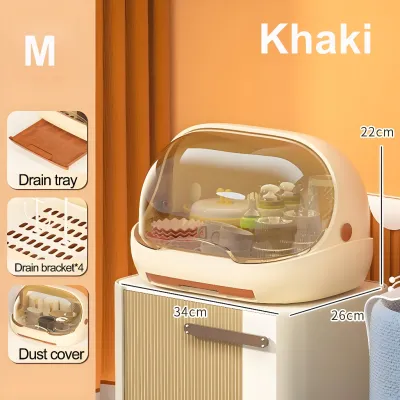
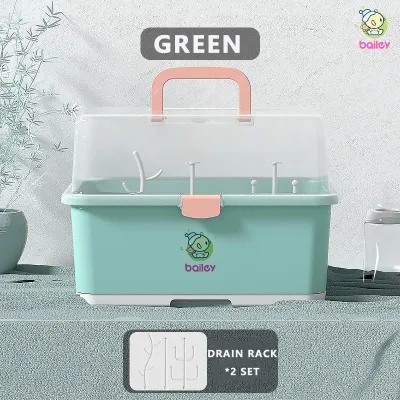
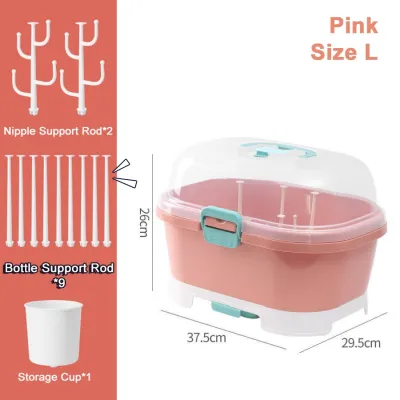
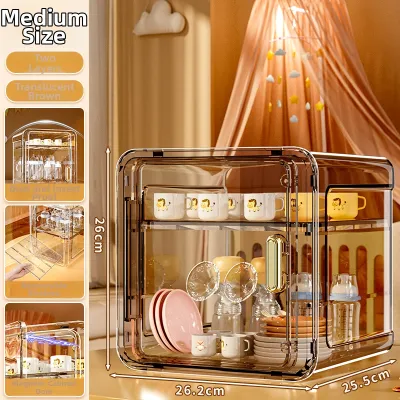
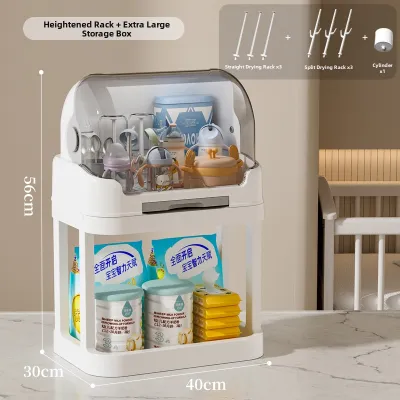
Prices are valid at publication and may change. Please refer to the product page for the latest price.
Traditional baby bottle racks are typically designed with closely spaced, fixed pegs optimized for slim bottle bodies and simple collar rings. When you attempt to balance a wide training cup with dual handles on these narrow pegs, the cup often tips over, blocks adjacent slots, or falls onto the counter. This lack of stability not only causes frustration but also prevents items from drying completely, which compromises hygiene.
In tropical environments where ambient humidity is naturally high, proper air circulation is vital. When wet plastic components are crowded together or touch one another on an inadequate rack, micro-pockets of trapped moisture form. These damp areas become breeding grounds for bacteria, mildew, and black mold. A dedicated, flexible bottle storage organizer provides the structured spacing and ventilation needed to dry complex transition drinkware safely.
Key Features to Look for in a Transitional Bottle Organizer
To find an organizer that will serve your household effectively throughout the weaning phase, prioritize features that accommodate both your kitchen layout and your baby’s specific drinkware collection.

- Adjustability and Modularity: Look for systems featuring removable, repositionable, or folding pegs. This flexibility allows you to clear wide areas for bulky training cups and dual-handle lids while preserving smaller pegs for silicone straws, valves, and bottle nipples. A modular design ensures the rack can adapt to different brands and styles of cups as your child's preferences change.
- Drainage and Hygiene: Standing water is a significant hazard, particularly in warm climates where it can attract household pests and promote bacterial growth. Evaluate organizers with sloped drip trays that channel water directly into your sink, or models with deep, detachable reservoirs that keep runoff water completely separate from the drying items. The drainage components should be easy to remove and wash to prevent soap scum and hard water buildup.
- Dust and Pest Protection: In many homes, natural ventilation can introduce outdoor dust, pollen, and insects like ants or flies into the kitchen. Enclosed organizers, such as countertop cabinets with clear, breathable doors, offer an excellent solution. They shield sanitized items from airborne contaminants while they dry, ensuring that cups remain clean and ready for immediate use.
- Capacity vs. Footprint: Kitchen counter space is often at a premium, especially in urban apartments or compact townhouses. Your organizer must balance the capacity to hold 6 to 10 mixed drinkware items simultaneously with a manageable physical footprint. Vertical, multi-tiered, or wall-mounted designs help you maximize storage capacity without sacrificing valuable prep space on your countertops.
Recommended Types of Bottle Storage Organizers for Mixed Drinkware
Different kitchen layouts and lifestyle preferences require different organizational structures. Understanding the strengths and limitations of each design will help you choose the best fit for your home.
Tree-Style Drying Racks with Modular Branches
Tree-style organizers utilize a vertical trunk with multiple branches extending outward at various angles and heights. This design is highly effective for maximizing vertical space on narrow countertops.
- Customizable Spacing: Many tree-style models allow you to slide branches off the main trunk or adjust their height, making it easy to create clearance for tall straw cups or wide, handled sippy cups.
- Fast Drying Times: Because items are suspended in the open air with minimal contact points, air circulates freely around both the interior and exterior of the cups, leading to rapid drying.
- Exposure Considerations: The open-air design means items are exposed to ambient dust and kitchen grease. To maintain hygiene, these racks are best placed in low-traffic areas of the kitchen, away from the cooking stove, or used in households where dried items are quickly transferred to closed cupboards.
Enclosed Countertop Cabinets with Drainboards
Enclosed cabinets feature a structured frame with shelving, a built-in drainage tray, and a protective front cover or door. They function as dedicated, hygienic mini-cupboards for your baby’s tableware.
- Superior Protection: The primary advantage of an enclosed cabinet is its ability to shield sanitized cups and bottles from household pests, dust, and accidental splashes from adult dishwashing.
- Organized Compartments: These units often feature distinct zones, such as a lower deck for heavy cup bodies and an upper tray or basket specifically designed for small accessories like straws, valves, and lids.
- Ventilation Requirements: Because the environment is enclosed, it is critical to choose a model with integrated ventilation slots or a breathable door design. Placing dripping wet items inside a completely sealed cabinet without adequate airflow can trap moisture and lead to musty odors or mold. Always shake off excess water before placing items inside.
Over-the-Sink or Wall-Mounted Organizers
For kitchens with extremely limited counter space, over-the-sink or wall-mounted racks offer an efficient, space-saving alternative.
- Direct Drainage: These organizers allow water to drip directly into the sink basin, eliminating the need to manually empty a drip tray or worry about standing water on your countertops.
- Countertop Liberation: By utilizing wall space or the area directly above the sink, you keep your main counter surfaces completely clear for food preparation and other kitchen tasks.
- Installation and Weight Limits: Secure installation is vital. Wall-mounted options must be anchored properly to handle the combined weight of heavy glass bottles, thick plastic training cups, and metal accessories. If you are renting, look for sturdy, damage-free tension systems that fit securely between your countertop and upper cabinets.
Best Practices for Drying and Storing Transition Drinkware
Maintaining proper hygiene during the weaning phase goes beyond choosing the right organizer; it also requires consistent washing, drying, and maintenance habits.
- Complete Disassembly: Training cups often feature complex, multi-part designs to prevent spills, including silicone gaskets, weighted straws, one-way valves, and snap-on handles. Never place a partially assembled cup on the drying rack. Moisture trapped between silicone seals and plastic lids is a primary cause of black mold. Fully disassemble every component before washing, and place each piece separately on the organizer. Always consult the manufacturer's care instructions for specific washing and sterilization guidelines.
- Proper Angling: When placing cup bodies, lids, and accessories on the organizer, position them at a downward angle rather than completely flat. This allows gravity to pull water out of deep crevices, straw connectors, and hollow handles, preventing pooling and ensuring a faster, more thorough dry.
- Organizer Maintenance: The bottle storage organizer itself requires regular deep cleaning. Over time, standing water, soap residue, and environmental dust will accumulate on the trays and pegs. Wash the entire organizer weekly with warm, soapy water, rinse it thoroughly, and allow it to dry completely before reassembling. For hard water deposits, which are common in municipal water systems, wipe the affected areas with a gentle, diluted white vinegar solution to keep the surfaces clean and free of mineral buildup.
- Airflow Management: Avoid the temptation to pack the organizer to its absolute limit. Overcrowding blocks the natural flow of air, which significantly extends drying times and increases the risk of bacterial growth. If you find your rack is constantly overloaded, establish a faster rotation system where dry items are promptly put away in closed kitchen cabinets, leaving the rack clear for wet items.
Adapting Your Storage Setup as Your Baby Grows
The weaning transition is a temporary phase in your child’s development. As your toddler master’s the use of open cups and begins sharing standard family tableware, your storage needs will naturally simplify.
One of the benefits of investing in a high-quality, modular bottle storage organizer is its long-term versatility. Once your child outgrows baby bottles and specialized training cups, you do not need to discard the organizer. Many modular racks can be easily repurposed to serve other household needs. Tree-style racks are excellent for drying adult travel mugs, reusable water bottles, silicone food storage bags, and small kitchen utensils. Enclosed cabinets can transition into dedicated coffee and tea bar organizers, spice cabinets, or storage units for small baking accessories.
Alternatively, these organizers can find a second life outside the kitchen. The modular pegs and compartments are highly effective for organizing children’s craft supplies, paintbrushes, safety scissors, or even small bath toys and grooming accessories. When your child is fully integrated into the family’s dining routine, you can downsize to a standard family dish rack, provided you maintain a clean, designated zone for your toddler’s items to prevent cross-contamination.
Frequently Asked Questions (FAQ)
Can I use a regular kitchen dish rack for baby bottles and training cups?
While a regular kitchen dish rack can physically hold baby items, it is generally not ideal for the weaning transition. Standard dish racks are designed primarily for flat plates and shallow bowls, lacking the specialized vertical pegs needed to keep deep bottles and training cups inverted and stable. Without proper support, cups can easily tip over, trap water inside, or touch dirty adult dishes. Furthermore, standard open racks offer no protection against kitchen dust and pests, and they increase the risk of cross-contamination from adult food residues and strong dishwashing detergents.
How do I prevent mold on the bottle drying rack in a humid climate?
To prevent mold growth in humid environments, daily maintenance and proper placement are essential. Always empty and wash the drip tray every evening to prevent standing water from stagnating. Position your organizer in a well-ventilated area of the kitchen, ideally near a window or in a spot with active airflow, and away from damp corners or the immediate vicinity of the stove. Choose organizers made from high-quality, BPA-free plastics with smooth, non-porous surfaces and detachable parts, as these are much easier to scrub clean and sanitize regularly.
Do I need a separate drying rack for baby items and adult dishes?
Using a separate, dedicated drying rack for baby and toddler items is highly recommended for optimal hygiene. Adult tableware often carries grease, strong spices, and potential pathogens from raw food preparation. A dedicated organizer minimizes the risk of cross-contamination and ensures that your child’s drinkware is washed with mild, baby-safe detergents rather than harsh adult dish soaps. If kitchen space is extremely limited, a practical compromise is to use a multi-tiered family rack where the top tier is strictly designated and sanitized exclusively for your child’s items.
Community discussion
Share your experience or ask a question. Comments are reviewed before publication.