
Finding the right bottle cleaner is not just about keeping feeding gear looking clean; it is about protecting your baby’s health and ensuring they do not reject their milk due to lingering soapy tastes or sour odors. There is no single universal formula that works perfectly for every setup. The ideal choice depends entirely on whether your bottles are made of glass, plastic, or silicone, as each material interacts differently with milk fats, proteins, and cleaning agents.
For a quick decision, enzyme-based cleaners are the premier choice for silicone and plastic bottles because they actively break down stubborn milk proteins and eliminate sour odors. Plant-based cleaners offer an excellent, clean-rinsing option for daily washing of glass and lightly soiled plastic bottles. While mild standard dish soaps are highly effective at stripping heavy grease from glass, they require extensive rinsing and should be used with caution on silicone parts, which easily absorb synthetic fragrances and chemical residues.
Understanding How Glass, Plastic, and Silicone React to Soap
Each bottle material has unique physical properties that dictate how it interacts with breast milk, infant formula, water, and soap. Understanding these differences helps you preserve the lifespan of your feeding gear and prevents common issues like cloudiness, persistent odors, and bacterial build-up.
Products mentioned in this guide
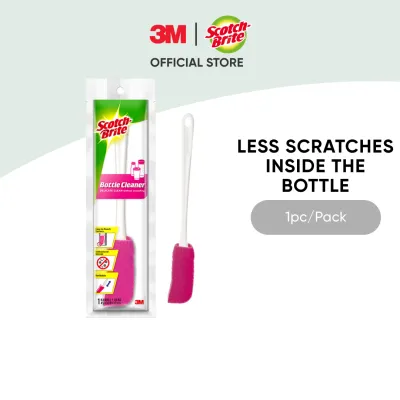
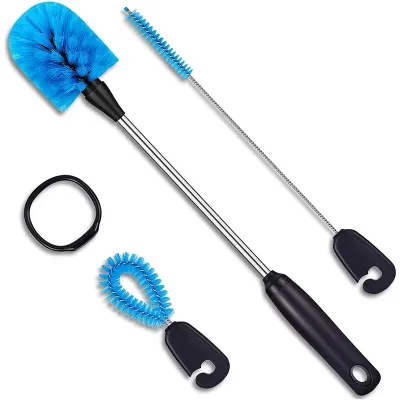
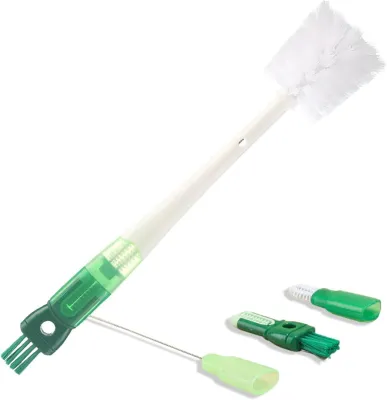
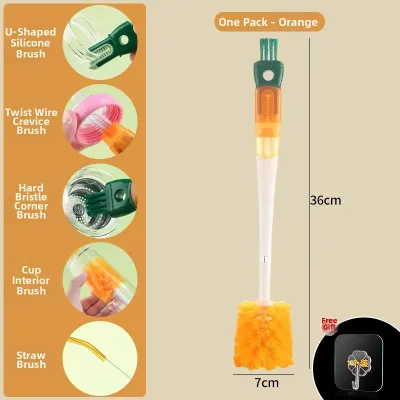
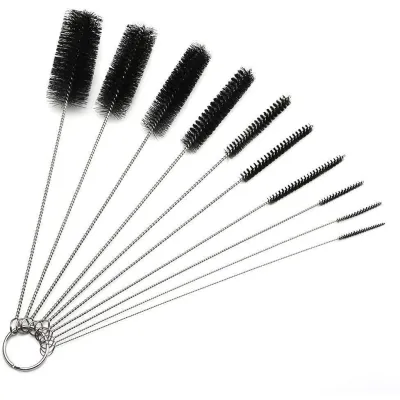
Prices are valid at publication and may change. Please refer to the product page for the latest price.
Glass Bottles
Glass is a classic, highly durable material favored by many parents for its completely non-porous surface. Because it lacks microscopic pores, glass does not absorb odors, colors, or chemical residues from soaps and sterilizers. It is also highly scratch-resistant, meaning you can scrub it thoroughly without creating tiny crevices where bacteria can hide.
However, the primary cleaning challenge with glass is its tendency to hold onto stubborn milk fat residues and hard water spots. Breast milk and formula contain complex lipids that can form a slick, greasy film on the inner walls of a glass bottle. To clean glass effectively, you need a formula with strong degreasing properties that can lift these fats cleanly away from the surface, leaving the glass sparkling and free of film.
Plastic Bottles
Plastic baby bottles, typically made from polypropylene (PP) or polyphenylsulfone (PPSU), are lightweight and shatterproof, making them highly practical for daily use and travel. However, plastic is inherently softer than glass and is highly susceptible to micro-scratches from stiff bottle brushes, abrasive sponges, or even rough handling.
These microscopic scratches are more than just an aesthetic issue; they create tiny physical pockets where milk proteins, fats, and bacteria can become trapped, escaping standard washing. Over time, plastic bottles easily absorb milk odors and can develop a cloudy, yellowed appearance. Cleaning plastic requires gentle, non-abrasive tools and cleaners that can dissolve organic matter at a molecular level without requiring aggressive scrubbing.
Silicone Bottles and Nipples
Silicone has surged in popularity due to its soft, breast-like texture, flexibility, and heat resistance. However, at a microscopic level, silicone is highly porous compared to glass. This unique physical structure makes silicone incredibly notorious for absorbing volatile organic compounds, which manifests as a persistent, sour milk smell or a strong, perfumed soap fragrance.
If a silicone nipple or bottle absorbs a strong floral or chemical scent from a standard dish soap, that scent can leach into the milk during the next feeding. This often leads to feeding rejection, where an infant refuses to feed because the milk tastes or smells like soap. For silicone, you must prioritize completely fragrance-free, odor-neutralizing cleaning formulas that rinse away completely without leaving a trace of chemical residue.
Comparing the Main Types of Bottle Cleaner Options
Selecting the right bottle cleaner requires looking closely at the active ingredients and understanding how they break down the specific soils found in breast milk and formula. The market generally offers three main categories of cleaners, each with distinct chemical mechanisms, advantages, and limitations.

Enzyme-Based Cleaners
Enzyme-based cleaners utilize specialized, naturally derived proteins to target and break down organic soils. In the context of baby bottles, these formulas typically contain proteases (which target milk proteins) and lipases (which target milk fats). Instead of relying solely on physical scrubbing to lift residue, the enzymes act as biological catalysts, slicing the complex chains of proteins and fats into smaller, water-soluble fragments that wash away effortlessly.
These cleaners are exceptionally effective at removing the stubborn, invisible protein film that builds up on plastic and silicone surfaces over time. Because they tackle the root cause of bacterial growth and residue, they are the gold standard for eliminating sour milk odors without needing heavy synthetic perfumes to mask the smell. Most high-quality enzyme cleaners are formulated to be completely fragrance-free and perform exceptionally well even in lukewarm water, preserving the integrity of heat-sensitive plastic components.
However, enzyme-based formulas can sometimes be more expensive than standard soaps, with premium options in the Philippine market often ranging from ₱300 to ₱600 per bottle. They may also require a slightly longer contact time—such as a brief soak—to allow the enzymes to fully break down dried-on milk residues before you begin brushing.
Plant-Based and Natural Cleaners
Plant-based cleaners rely on natural surfactants derived from renewable resources like coconut, corn, palm, or sugar beets. These surfactants work by reducing the surface tension of water, allowing it to mix with oils and fats so they can be easily rinsed away. They are designed to be highly biodegradable, gentle on skin, and free from synthetic dyes, parabens, and harsh sulfates.
For daily washing of glass bottles and lightly soiled plastic gear, plant-based cleaners are an outstanding choice. They rinse away incredibly cleanly, leaving zero soapy film or chemical taste behind, which is a massive benefit when washing delicate silicone nipples. Because they lack harsh synthetic detergents, they are also much gentler on the caregiver’s hands during frequent daily washing sessions.
The primary trade-off with plant-based options is that they can struggle with heavy, dried-on milk fat or thick formula residues unless they are paired with adequately warm water. If you use plant-based soaps, incorporating a warm water soak before washing can significantly boost their degreasing efficiency.
Mild Standard Dish Soaps
Many household kitchens are stocked with standard commercial dish soaps, which rely on powerful synthetic surfactants like sodium lauryl sulfate (SLS) or sodium laureth sulfate (SLES). These ingredients are highly effective degreasers, engineered to strip heavy grease, baked-on food, and oils from family cookware and glassware.
While their degreasing power makes them highly effective at cleaning glass baby bottles, standard dish soaps present several challenges for baby-specific gear. Most commercial formulas contain synthetic fragrances, artificial dyes, and rinsing agents designed to make plates shine. On porous materials like silicone nipples and soft plastic bottles, these chemicals can leave a persistent, highly perfumed residue that is incredibly difficult to rinse out.
If you must use a standard dish soap, it is critical to choose a mild, dye-free, and fragrance-free variant. Furthermore, caregivers must commit to a highly rigorous, multi-step rinsing process under warm running water to guarantee that all surfactant residues are completely flushed from the bottle’s inner surfaces and nipple orifices.
The Material-to-Cleaner Matching Guide
To simplify your kitchen setup and ensure your baby’s bottles remain hygienic and undamaged, it helps to match your cleaning agents directly to the materials you use. The following comparison table highlights how the three main cleaner types perform across different materials and use cases.
| Cleaner Type | Best Material Match | Weakest Point | Key Benefit |
|---|---|---|---|
| Enzyme-Based | Silicone & Plastic | Higher cost per bottle | Destroys milk proteins and removes sour odors at a molecular level |
| Plant-Based | Glass & Light Plastic | Struggles with heavy, dried-on fats in cold water | Rinses completely clean with zero chemical residue or synthetic scent |
| Mild Dish Soap | Glass Only | Absorbs easily into silicone; leaves soapy tastes | Extremely powerful degreaser and highly budget-friendly |
To help you decide which product to purchase for your daily routine, consider these direct, scenario-based guidelines:
- Choose Enzyme-Based if: Your feeding inventory consists primarily of silicone bottles, silicone nipples, or pump parts that have developed a persistent, sour milk smell. It is also the best choice if you want an effortless wash that does not require vigorous scrubbing, protecting your plastic bottles from micro-scratches.
- Choose Plant-Based if: You use glass bottles as your primary feeding vessels, prefer an eco-friendly and biodegradable washing routine, and want a gentle, clean-rinsing soap that will not irritate your hands during the multiple washing cycles required each day.
- Choose Mild Dish Soap if: You are operating on a strict budget, use glass bottles almost exclusively, and are willing to perform extensive, thorough rinsing under running water to ensure no soapy residue remains on the silicone nipples.
Safe Cleaning Habits and Tools to Avoid
Maintaining baby bottles involves more than just choosing the right soap; the physical tools you use and the post-wash environment play a massive role in safety, hygiene, and product longevity. Implementing correct habits prevents accidental damage and protects your baby from harmful pathogens.
Brush Selection
The physical brush you pair with your bottle cleaner should be selected based on the bottle material. For plastic and silicone bottles, you should exclusively use soft, silicone-tipped bottle brushes. Silicone bristles are non-abrasive, meaning they will not create the micro-scratches that harbor bacteria in soft materials.
For glass bottles, standard nylon or wire-bound bristle brushes are perfectly safe and highly effective at scrubbing away stubborn milk fat films. However, always inspect wire-bound brushes regularly; if the protective plastic tip wears off, the exposed metal wire can scratch plastic or even chip the inner rim of glass bottles.
What to Avoid
Never use abrasive green scouring pads, steel wool, or harsh household chemicals like bleach or ammonia on any baby feeding equipment. These substances can degrade plastic and silicone, releasing microplastics or chemical byproducts, and can permanently cloud or scratch glass.
Additionally, while many online parenting forums suggest using baking soda pastes or vinegar soaks to remove stubborn odors, you must always check your specific bottle manufacturer’s care instructions first. Some silicone and plastic formulations can degrade, discolor, or become sticky when exposed to highly acidic vinegar or abrasive baking soda particles over extended periods. If your manufacturer advises against these home remedies, stick strictly to dedicated, pH-balanced bottle soaps.
Rinsing and Drying
In tropical, high-humidity environments like the Philippines, the drying stage is just as critical as the washing stage. High humidity levels mean that trapped water in bottle threads, nipple collars, and valves can remain damp for hours, creating a perfect breeding ground for mold, mildew, and bacteria.
After washing and performing a thorough rinse, always place all disassembled bottle components on a clean, dedicated drying rack in a well-ventilated area. Avoid placing wet bottles in closed cupboards or tightly packed drying boxes where air cannot circulate freely. If you notice any black spots or persistent mold growth in the crevices of silicone nipples or plastic collars, stop using them immediately and replace the affected parts to protect your baby’s health.
Frequently Asked Questions (FAQ)
Can I use regular dish soap for baby bottles?
Yes, you can use regular dish soap, but with significant caveats. The soap must be a mild, dye-free, and completely fragrance-free formula to prevent chemical residues from clinging to the bottles. Because standard dish soaps contain highly concentrated synthetic surfactants, you must perform an exceptionally thorough rinsing process. This is especially vital for silicone nipples and bottles, which are highly porous and easily absorb soapy fragrances, potentially causing your baby to reject their milk.
How do I remove sour milk smell from silicone nipples?
To remove persistent sour milk odors from silicone nipples, start by soaking them in a warm bath mixed with an enzyme-based bottle cleaner, which actively breaks down the trapped milk proteins causing the smell. Alternatively, if the manufacturer’s care instructions explicitly permit it, you can soak the parts in a mixture of equal parts warm water and white vinegar for 15 minutes, followed by a thorough wash and rinse. Always ensure the nipples air-dry completely in a well-ventilated space, and avoid boiling degraded or sticky silicone, as this can lock in odors and accelerate material breakdown.
Do I need a separate brush for each bottle material?
You do not need to buy multiple separate brushes for each material, but you must choose a brush that is safe for your most delicate bottle type. A high-quality silicone-tipped brush is the most versatile investment, as it is gentle enough to prevent scratching delicate plastic and silicone bottles while still being highly effective for cleaning glass. If you choose to use a nylon bristle brush for your glass bottles, ensure you keep it separate and do not use it on plastic or silicone parts to avoid creating micro-scratches.
Community discussion
Share your experience or ask a question. Comments are reviewed before publication.