
Finding a comfortable sleeping position becomes increasingly challenging as your pregnancy progresses, making a dedicated body pillow for pregnant women one of the most practical investments you can make for your maternal well-being. During pregnancy, your body undergoes rapid physical changes that alter your center of gravity, placing unusual strain on your lower back, hips, pelvis, and joints. A specialized maternity pillow is designed to cradle these specific areas, providing targeted support that regular pillows simply cannot replicate.
Selecting the ideal body pillow for pregnant sleep requires evaluating several key dimensions: the pillow’s physical shape, the supportive properties of its filling, and the breathability of its cover fabric. Because the Philippine climate is characterized by high temperatures and humidity, choosing materials that prevent heat retention is just as important as finding the right ergonomic design. Ultimately, the best pillow is one that aligns with your personal sleeping habits, accommodates your existing bed size, and addresses your specific physical pressure points.
How to Choose the Right Body Pillow for Pregnant Sleepers by Shape
During pregnancy, healthcare professionals generally recommend side sleeping, particularly on the left side, as it optimizes blood circulation to the placenta and kidneys. However, maintaining this position for consecutive hours can be difficult without proper physical support. When you sleep on your side without a supportive spacer, your upper leg slides forward, twisting your pelvis and pulling your lower spine out of its natural alignment. This misalignment is a primary cause of the hip pain and lower back aches that keep expectant mothers awake at night.
Products mentioned in this guide


Prices are valid at publication and may change. Please refer to the product page for the latest price.
To choose the right pillow shape, you must first identify your primary areas of discomfort and analyze your nighttime movement patterns. If you tend to toss and turn frequently, a symmetrical design that supports both sides of your body may be necessary. If you share a smaller mattress or prefer a minimalist sleeping setup, a more compact, asymmetrical design will likely serve you better. Understanding how each ergonomic shape interacts with your body will help you make an informed decision when browsing local e-commerce platforms.
U-Shaped and C-Shaped Pillows for Full-Body Support
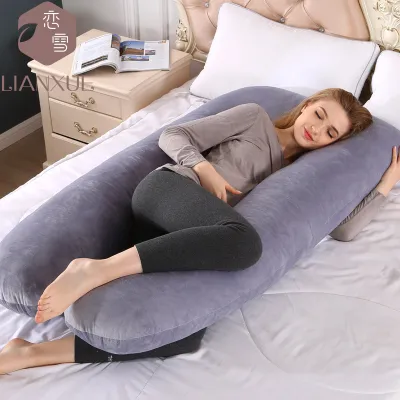
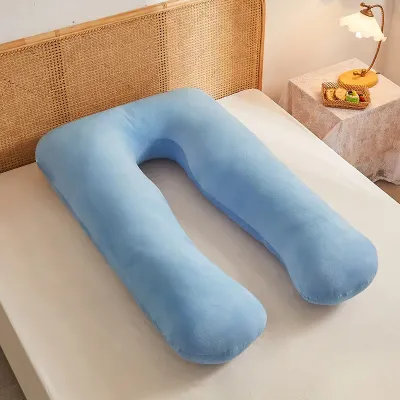
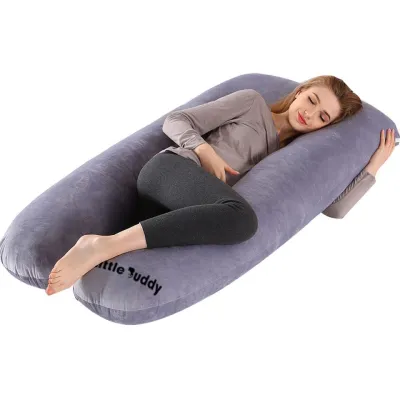
U-shaped and C-shaped maternity pillows are designed to offer comprehensive, wrap-around support from head to toe. A U-shaped pillow features two long, symmetrical arms connected at the top, allowing you to nestle directly in the center. This design is highly beneficial for restless sleepers who change positions throughout the night; because both sides of the pillow are identical, you can roll from your left side to your right side without having to drag or reposition the pillow with you. It provides simultaneous, reliable support for your back, belly, and knees, keeping your spine perfectly neutral regardless of which way you face.
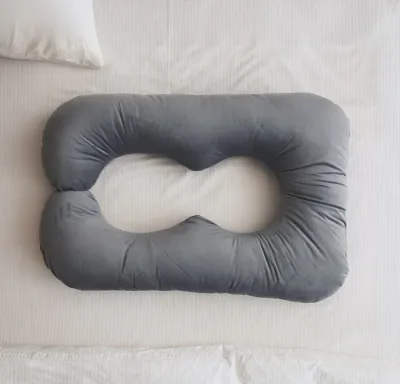
C-shaped pillows offer a similar level of full-body cradle but utilize a single curved loop that wraps around the front or back of your body. One end of the C-shape supports your head and neck, the middle section tucks under your belly or supports your back, and the bottom hook curves between your knees to align your hips. While exceptionally comfortable, both U-shaped and C-shaped pillows carry a significant physical footprint. A standard queen-size mattress in the Philippines measures 60 by 75 inches; a large full-body pillow can easily occupy more than half of this surface area. Before purchasing, it is essential to measure your mattress and consider whether you have sufficient space to share the bed comfortably with a partner.
J-Shaped and L-Shaped Pillows for Targeted Relief
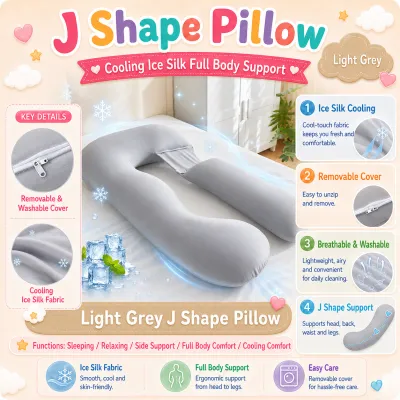
J-shaped and L-shaped pillows serve as excellent, space-saving alternatives to massive full-body enclosures. A J-shaped pillow features a single long side with a curved hook at the bottom, resembling a candy cane. This design allows you to rest your head on the top portion, run the long stem down your front or back, and tuck the curved hook between your knees. Because one side of your body remains completely open, this shape is much less restrictive than a U-shape, making it easier to get out of bed for frequent nighttime bathroom visits.
L-shaped pillows offer a similar asymmetrical layout but feature a straight, perpendicular head portion joined to a long body section. These shapes are highly recommended for households utilizing standard double or queen-sized beds, as they provide essential hip, knee, and belly support without crowding your partner. They are also lighter and easier to maneuver, making them a practical choice if you prefer a sleep aid that is easy to adjust in the dark.
Wedge Pillows for Compact and Versatile Use
Wedge pillows are small, firm, triangular or crescent-shaped cushions designed for highly targeted support. Rather than cradling your entire body, a wedge pillow is placed strategically under your growing belly to prevent it from pulling forward, or behind your lower back to keep you from rolling onto your spine while asleep. Their compact size makes them highly versatile and easy to store when not in use.
These compact pillows are particularly useful for active lifestyles, as they can easily be packed for travel, used to support your lower back while sitting in an office chair, or repurposed as a supportive prop during postpartum recovery. While a wedge pillow does not provide the comprehensive head-to-knee alignment of a full-body pillow, it is an affordable, space-saving option that can be used on its own or paired with your existing standard pillows.
Key Features to Check Before Buying Online
Because you cannot physically test a pillow when shopping on online marketplaces, you must rely on detailed product specifications to ensure a successful purchase. Paying close attention to material descriptions, dimensions, and maintenance features will help you avoid common pitfalls and select a product that stands up to daily use.

- Cover Material and Breathability: In the warm, humid climate of the Philippines, heat retention is a major barrier to restful sleep. Look for pillow covers made from natural, moisture-wicking, and highly breathable fabrics such as 100% cotton, bamboo-derived rayon, or specialized cooling knit blends. Avoid cheap, synthetic polyester covers, as they tend to trap body heat and sweat, leading to discomfort and skin irritation.
- Filling and Support Level: The interior filling determines how well the pillow maintains its shape under pressure. Polyester fiberfill is the most common and budget-friendly option; it is lightweight and soft, though it may require occasional fluffing to prevent clumping. Memory foam (either solid or shredded) offers dense, contouring support that adapts to your body shape, but you should verify if it features gel infusions or ventilation holes to mitigate heat retention. Microbeads provide a highly malleable, beanbag-like feel that flows easily around your contours, though they offer less rigid support than foam.
- Maintenance and Hygiene: Daily use in a tropical climate means your pillow cover will require frequent washing to maintain hygiene and prevent the buildup of sweat, oils, and allergens. Ensure the product listing explicitly states that the outer cover is fully removable and machine-washable. Additionally, verify that the inner liner features a secure, high-quality zipper, which allows you to add, remove, or adjust the filling to customize the loft and firmness to your liking.
- Size and Bed Compatibility: Do not rely solely on promotional product images, as these can often make pillows appear larger than they are in reality. Always check the exact physical dimensions—specifically the length and width in centimeters or inches—listed in the product description. Compare these measurements against your bed size to ensure the pillow will fit comfortably within your sleeping space without pushing you or your partner off the mattress edge.
How to Position and Care for Your Body Pillow
To maximize the ergonomic benefits of your pregnancy body pillow, proper positioning is key. When preparing to sleep on your side, position the top end of the pillow so that your head and neck rest in a neutral alignment, keeping your shoulders open and relaxed. Gently tuck the middle section of the pillow directly underneath your expanding belly; this provides a soft, lifting support that prevents your abdomen from pulling on your lower back muscles. Finally, place the lower portion of the pillow securely between your knees and ankles. Keeping your knees and ankles parallel is crucial, as it keeps your hips stacked, prevents pelvic rotation, and relieves pressure on your sacroiliac joints.
Proper maintenance is essential to extend the lifespan of your pillow and keep it hygienic. Always refer to the manufacturer’s care label on your specific product before cleaning. Generally, removable outer covers should be washed in cold water on a gentle cycle using a mild, baby-safe detergent, then hung to dry in a well-ventilated, shaded area. If your pillow features a memory foam insert, do not submerge it in water or place it in a washing machine, as this will destroy the foam’s structural integrity; instead, spot-clean any stains with a damp cloth and allow the foam to air out completely away from direct, harsh sunlight.
Your physical comfort and safety should always remain your top priority. If using the body pillow causes any new physical symptoms—such as joint pain, muscle numbness, tingling in your limbs, or restricted breathing—discontinue use or adjust your positioning immediately. Always consult your obstetrician or a qualified healthcare provider if you experience persistent physical discomfort, severe back pain, or sleep disturbances during your pregnancy.
Frequently Asked Questions (FAQ)
When should I start using a pregnancy body pillow?
There is no single mandatory timeline for introducing a pregnancy body pillow, but most expectant mothers find it highly beneficial to start using one between the 12th and 16th weeks of pregnancy, which marks the transition into the second trimester. During this period, the uterus begins to expand out of the pelvis, your belly starts to grow more noticeably, and side sleeping becomes the medically recommended sleeping posture. However, you do not need to wait for a visible baby bump to make the switch; if you experience early-pregnancy lower back strain, hip soreness, or general difficulty finding a comfortable resting position, you can safely begin using a body pillow at any stage.
Can I use a regular body pillow instead of a maternity one?
Yes, you can use a regular, straight cylindrical body pillow, but it may not offer the same level of targeted ergonomic support as a dedicated maternity design. Standard body pillows are straight and lack the specialized contours, curves, and cutouts engineered to cradle a pregnant belly and support the back simultaneously. While a regular body pillow can serve as a helpful spacer between your knees, you may find yourself needing to prop up your belly or support your back with additional loose pillows, which can easily shift and scatter across the bed as you move during the night. Dedicated pregnancy pillows consolidate these functions into a single, secure, and cohesive unit.
Are pregnancy body pillows useful after giving birth?
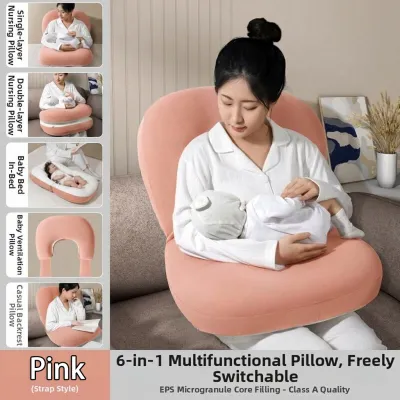
Pregnancy body pillows offer excellent utility long after your baby is born, making them highly cost-effective investments. During postpartum recovery, a U-shaped or C-shaped pillow can be wrapped around your waist to serve as a supportive nursing cushion, lifting your baby to breast height and relieving strain on your shoulders, neck, and arms. They can also be used as a comfortable physical prop to support your back while sitting up in bed, or as a soft barrier to help you maintain a comfortable position while healing from a C-section or episiotomy. As your baby grows, these versatile pillows can also be used under direct caregiver supervision to assist with tummy time or to provide a soft, supportive nest for lounging.
Community discussion
Share your experience or ask a question. Comments are reviewed before publication.